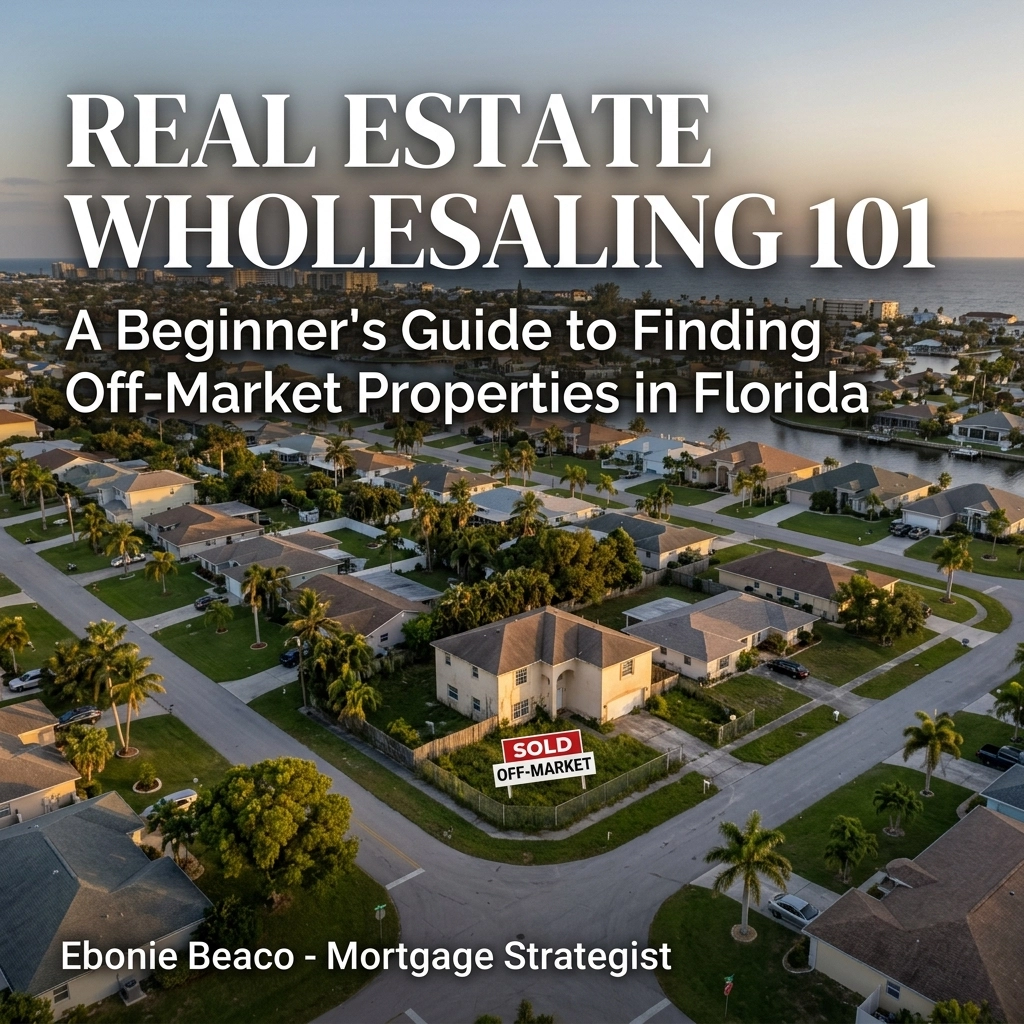
Real estate wholesaling stands as one of the most popular entry points for individuals looking to break into the investment world without needing a massive down payment or a perfect credit score. In Florida, where the housing market often moves at lightning speed, finding a competitive edge is essential.
Wholesaling: The process of a middleman (the wholesaler) finding a distressed property, securing it under contract, and then assigning that contract to a final buyer for a fee. This strategy allows you to profit from real estate transactions without ever taking title to the property.
Explore the nuances of the Florida market, from the bustling streets of Miami to the growing suburbs of Jacksonville. Whether you are operating in Florida, looking for deals in Atlanta, or scouting properties in California, the core principles of finding off-market deals remain the same.
Why Off-Market Properties are the Golden Ticket
When a property hits the Multiple Listing Service (MLS), every investor and their cousin can see it. This leads to bidding wars that drive up prices and slim down profit margins.
Off-market properties: Real estate assets that are available for purchase but are not listed on public platforms like Zillow or the local MLS. Finding these deals allows you to negotiate directly with the owner, often securing a much better price than you would in an open auction scenario.
Jump in and start identifying where these hidden gems live. In high-demand states like Florida and Georgia, off-market deals are the primary way wholesalers provide value to their cash buyers.
Proven Strategies for Finding Off-Market Deals in Florida
To succeed in Florida real estate investing, you need a consistent pipeline of leads. You cannot wait for deals to come to you; you must go out and find them.
Driving for Dollars
This is the most "boots on the ground" strategy available. It involves driving through specific neighborhoods and looking for signs of physical distress in houses.
Distressed Property: A home that shows signs of neglect, such as overgrown grass, boarded-up windows, or a pile of unopened mail. These visual cues often indicate a motivated seller who may be willing to walk away from the property for a quick cash offer.

Direct Mail Campaigns
While it may seem old school, sending physical mail to property owners remains highly effective in markets like Orlando and Tampa. You can pull lists of owners who are behind on taxes, facing foreclosure, or who have inherited a property through probate.
Access a list provider to target specific demographics. If you are looking at California markets or the suburbs of Chicago, segmenting your mailers by equity percentage can help you find owners who have enough room to negotiate a wholesale deal.
Utilizing Skip Tracing and Software
Technology has changed the game for modern wholesalers. Tools like PropStream or BatchLeads allow you to filter thousands of properties based on specific criteria.
Skip Tracing: The act of using a service to find a property owner’s contact information, such as phone numbers or email addresses, when they are not publicly listed. This allows you to reach out directly through cold calling or SMS marketing to gauge their interest in selling.
Building Your Buyer’s List First
One of the biggest mistakes new wholesalers make is finding a deal before they have anyone to sell it to. In Florida, your buyer’s list is your most valuable asset.
Cash Buyer: An investor who has the liquid funds ready to purchase a property immediately, often without the need for traditional bank financing. Having a list of these individuals allows you to move a contract quickly and collect your assignment fee.
Compare different types of buyers. Some investors in Atlanta prefer fix-and-flip projects, while landlords in Michigan might be looking for long-term rentals. Knowing what your buyers want helps you filter the deals you put under contract.

The Anatomy of a Florida Wholesale Deal: A Financial Example
Let's look at how the numbers actually work in a real-world scenario. Imagine you are scouting a neighborhood in Jacksonville, Florida. You find a property with a market value of $300,000 if it were in perfect condition.
The Wholesale Breakdown:
- After Repair Value (ARV): $300,000
- Estimated Repair Costs: $50,000
- Maximum Allowable Offer (MAO): $175,000 (Based on the 70% rule minus repairs)
- Contract Price with Seller: $160,000
- Assignment Fee: $15,000
- Sale Price to End Investor: $175,000
In this situation, you have secured the property for $160,000. Your end buyer: perhaps a fix-and-flip investor: is happy to pay $175,000 because they still see a significant profit margin after the $50,000 renovation. You walk away with a $15,000 assignment fee without ever needing to pick up a hammer or take out a loan.
Navigating the Legal Landscape in Florida
Transparency is the foundation of a long-term wholesaling business. In Florida, as in California and Virginia, you must be careful not to act as a licensed real estate agent if you do not have a license.
Contract Assignment: A legal clause that allows the original buyer of a property to transfer their rights and obligations under a contract to a third party. This is the mechanism that allows wholesalers to "sell" their position in a deal.
Always ensure your contracts are clear and that the seller understands you are an investor intending to assign the contract for a profit. Consulting with an investor-friendly title company in Florida is a great way to ensure your paperwork is ironclad. You can check out our privacy policy and legal pages for more information on how we handle data and professional standards.
Financing the Exit: How Your Buyers Close the Deal
While you as the wholesaler may not need a loan, your end buyer likely will. This is where understanding the different loan programs becomes a superpower.
If you can tell your buyer, "I have this deal, and I know a lender who can fund it," you become an indispensable partner. Many of the investors you will work with in states like Indiana, Illinois, and Missouri use specific types of financing to scale their portfolios.
DSCR Investor Loans
For the landlord who wants to buy your wholesale deal and keep it as a rental, a Debt Service Coverage Ratio (DSCR) loan is often the best choice.
DSCR Loan: A mortgage product where the lender qualifies the borrower based on the rental income of the property rather than their personal income or tax returns. This is ideal for investors who own multiple properties and may have complex tax situations.
Fix and Flip Financing
Your buyers who are looking to renovate and resell will likely use hard money or bridge loans. These are short-term, asset-based loans designed to cover both the purchase price and the renovation costs.
Investors in high-priced markets like California often use jumbo loans or adjustable rate mortgages depending on their long-term strategy for the property.

Lead Generation in Other Markets
While Florida is a massive hub for wholesaling, the strategies translate perfectly to other regions.
- Atlanta, Georgia: A high-velocity market where "off-market" is the name of the game.
- California Cities: Higher price points mean higher assignment fees, though the competition is fierce.
- Midwest Markets (Michigan, Indiana, Illinois): These areas often offer lower barriers to entry with lower purchase prices, making them great for beginners.
If you are working with homeowners who want to sell but aren't sure where to go next, they might be interested in a home refinance to pull equity instead of selling. Being able to explain mortgage basics or point them toward mortgage calculators helps you build trust, even if a wholesale deal doesn't happen.
Closing the Deal with Confidence
Wholesaling is a game of consistency and networking. Every person you meet: from the mail carrier who knows which houses are vacant to the local loan officer: is a potential lead or partner.
Keep your approach transparent and your numbers accurate. When you bring a deal to an investor, show them exactly how the loan process will work for them and why the property fits their criteria.
Real estate wholesaling isn't about "getting rich quick." It is about providing a solution to a homeowner in a difficult situation and providing an opportunity to an investor looking for their next project. By mastering the art of finding off-market properties in Florida and beyond, you position yourself as a central figure in the real estate ecosystem.
Schedule a 1 on 1 at https://calendly.com/homeloansnetwork
Ebonie Beaco
Mortgage Strategist | Senior Loan Officer
Home Loans Network powered by Loan Factory Inc.
NMLS #2389954
HomeLoansNetwork.com
312-392-0664