

In the fast-paced world of California real estate, speed is often the most valuable asset you have. Whether you are eyeing a distressed bungalow in Los Angeles or a mid-century modern fix-up in Palm Springs, the ability to move quickly can be the difference between a winning bid and a missed opportunity. Real estate investors frequently find that traditional banks move too slowly to keep up with the demands of the fix and flip market.
When you need to close a deal, waiting 30 to 45 days for a conventional mortgage is not an option. This is where specialized financing like California fix and flip loans become essential. These short-term solutions are designed for speed, allowing you to acquire, renovate, and sell properties without the red tape of traditional lending.
Explore how you can navigate the private lending landscape to secure funding in less than a week.
Understanding the Fix and Flip Lending Landscape
To secure a loan in under seven days, you must understand the mechanics of the private lending market. Unlike traditional lenders who focus on your personal debt-to-income ratio, private lenders prioritize the asset.
Hard Money Loan: A short-term loan secured by real estate, typically issued by private companies rather than banks.
Practical Application: You use these funds to purchase a property quickly when a traditional bank would take too long to approve the file.
Bridge Loan: A temporary loan used to provide immediate cash flow until permanent financing is secured or the property is sold.
Practical Application: This serves as the "bridge" between the purchase of a distressed property and its eventual sale or refinance.
ARV (After Repair Value): The estimated market value of a home after all planned renovations and improvements are completed.
Practical Application: Lenders use this figure to determine how much they are willing to lend, often allowing you to borrow more than the current purchase price.
Why Speed is Essential in California, Florida, and Chicago
The competition in major hubs like Los Angeles, Miami, and Chicago is fierce. Investors in these regions are often competing with all-cash buyers. To stand a chance, your financing needs to look and act like cash.
Whether you are seeking Florida fix and flip loans for a coastal renovation or Chicago fix and flip loans for a multi-unit project in the city, the strategy remains the same: minimize the time from application to funding.
The 7-Day Fast-Track Roadmap
Securing a loan in under a week requires a synchronized effort between you and your lender. Here is how the timeline typically breaks down when working with an efficient mortgage strategist.
Day 1: The Rapid Application and Pre-Approval
Your journey begins with a digital application. Professional investors often have their "deal folder" ready at all times. This folder should include your entity documents (LLC or Corp), a summary of your previous experience, and the basic details of the property you intend to buy.
Jump in by providing the purchase price, your estimated renovation budget, and your projected exit strategy. Most high-velocity lenders can provide a pre-approval or a soft quote within 24 hours. You can review our loan process to see how we streamline these steps.
Day 2: Property Evaluation and Valuation
Once the initial numbers look good, the lender moves to the property evaluation. In the fix and flip world, this often involves a "desktop appraisal" or a quick site visit by a local representative.
The goal is to verify the current condition and the feasibility of your renovation plan. If you are looking at loan programs designed for investors, the lender will focus heavily on the After Repair Value (ARV).
Day 3 through 5: Underwriting and Document Review
During this phase, the lender's internal team reviews the title report and your renovation budget. This is the stage where you should be in constant communication.
The underwriting for private money is significantly less invasive than for conventional loans. They are looking for "deal killers" like major title liens or unrealistic renovation projections rather than scrutinizing your tax returns from three years ago.
Day 6 and 7: Final Approval and Funding
After the title is cleared and the loan documents are prepared, you head to the closing table. In many cases, these loans are funded via wire transfer directly to the escrow or title company, allowing you to take possession of the keys immediately.
Key Requirements to Guarantee a Quick Closing
If you want to ensure your loan closes in under seven days, you cannot leave things to chance. Preparation is your best friend.
Focus on Asset-Based Qualification
Private lenders are primarily interested in the property. They want to know that if things go sideways, the property holds enough value to cover the debt. This is known as asset-based lending.
LTV (Loan to Value): The ratio of the loan amount to the current value of the property.
Practical Application: A lower LTV provides more security for the lender and often results in faster approval.
LTC (Loan to Cost): The ratio of the loan amount to the total cost of the project (purchase + renovations).
Practical Application: High LTC loans allow you to keep more of your own cash in your pocket for other investments.
Maintain a Solid Renovation Plan
Do not walk into a deal with a "rough idea" of what repairs will cost. Have a line-item budget prepared by a contractor. Lenders need to see exactly where their money is going. This transparency builds trust and accelerates the approval process.
Clear Title is Non-Negotiable
Nothing slows down a deal faster than a messy title. If the property has outstanding tax liens, mechanic's liens, or heirship issues, the 7-day window will likely vanish. Always perform a preliminary title search as early as possible.
Comparing Regional Markets: CA, FL, and IL
While the mechanics of California fix and flip loans are similar to those in other states, the market dynamics differ.
California
In California, property values are high, meaning the stakes are higher. You might be looking for jumbo loans or high-balance bridge financing. The speed of the market in cities like San Diego or San Francisco requires a lender who understands the local nuances.
Florida
Florida fix and flip loans often cater to investors dealing with older homes in need of hurricane proofing or modern updates. The Florida market is highly liquid, making it a favorite for hard money lenders.
Chicago
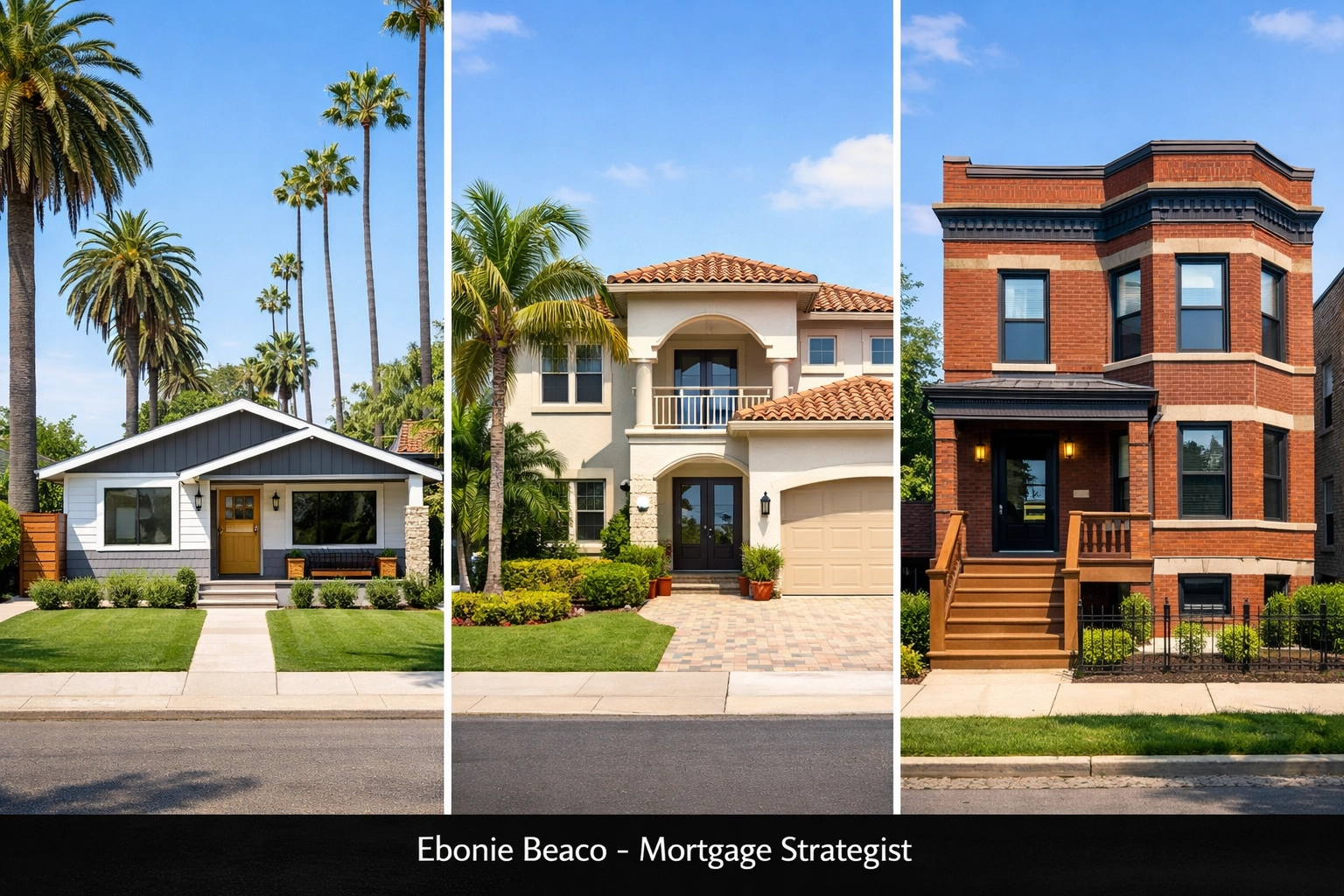
When pursuing Chicago fix and flip loans, investors often focus on the "two-flat" or "three-flat" properties. These multi-unit residential buildings offer great ARV potential but require a lender familiar with Chicago's specific building codes and zoning.
A Practical Example: The Fix and Flip Math
Let’s look at how the numbers might break down on a typical California investment. Imagine you find a distressed property in a suburban neighborhood.
- Purchase Price: $500,000
- Renovation Budget: $100,000
- Total Project Cost: $600,000
- After Repair Value (ARV): $800,000
In this scenario, a lender might offer you a loan covering 90% of the purchase price ($450,000) and 100% of the renovation costs ($100,000).
Calculation Breakdown:
- Total Loan Amount: $550,000
- Your Cash Entry: $50,000 (plus closing costs)
- ARV LTV: $550,000 / $800,000 = 68.75%
Most private lenders are comfortable at an ARV LTV of 70% to 75%. Because this deal sits at 68.75%, it is considered a strong, low-risk deal, which makes a 7-day closing highly probable.
You can use our mortgage calculators to run your own scenarios and see how your numbers align with typical lending guidelines.
The Role of the Direct Lender vs. The Broker
When time is of the essence, you need to know who is making the final decision.
Direct Lender: A company that lends its own capital and makes the final credit decision in-house.
Practical Application: Working with a direct lender typically results in faster communication and fewer "middle-man" delays.
Mortgage Broker: A professional who connects borrowers with various lenders to find the best rate or terms.
Practical Application: While brokers offer more options, the extra layer can sometimes add a few days to the process.
For a 7-day close, working with a mortgage strategist who has a direct line to the decision-makers is vital. You want someone who can advocate for your deal and move it to the top of the pile.
Advanced Strategies: Using DSCR for the Exit
Sometimes, your plan changes. Perhaps the market shifts, and instead of flipping the house, you decide to keep it as a rental. This is where DSCR investor loans come into play.
DSCR (Debt Service Coverage Ratio): A measurement of a property's ability to cover its debt payments based on its rental income.
Practical Application: You can refinance your high-interest fix and flip loan into a long-term DSCR loan without needing to show personal income, as long as the rent covers the mortgage.
Accessing this type of "take-out" financing is a common strategy for investors building a portfolio through the BRRRR method (Buy, Rehab, Rent, Refinance, Repeat).

Common Pitfalls to Avoid
Even with the best intentions, certain mistakes can derail your 7-day timeline.
- Incomplete Documentation: If your lender asks for an LLC Operating Agreement and you take three days to find it, the 7-day clock restarts.
- Unrealistic ARV: If you claim a house will be worth $1 million but the neighborhood comps only support $800,000, the underwriting process will stall while the lender asks for more evidence.
- Insurance Delays: You must have a builder's risk insurance policy ready to go. Many investors forget this until the final day, causing a delay in funding.
Moving Forward with Confidence
Securing a California fix and flip loan in under seven days is not a myth; it is a standard practice for prepared investors. By focusing on the asset, maintaining a clear renovation plan, and working with a transparent lender, you can move with the speed of a cash buyer.
Whether you are working in the sunshine of California, the vibrant markets of Florida, or the historic neighborhoods of Chicago, your financing should be a tool that helps you grow, not a hurdle that holds you back.
If you have a deal on the table and need to move quickly, comparing your options is the first step toward a successful close. Access the expertise of a professional who understands the urgency of the fix and flip market.
Schedule a 1 on 1 at https://calendly.com/homeloansnetwork
Ebonie Beaco
Mortgage Strategist | Senior Loan Officer
Home Loans Network powered by Loan Factory Inc.
NMLS #2389954
HomeLoansNetwork.com
312-392-0664