
Wholesaling real estate is one of the fastest ways to generate capital in the property market.
It involves finding a distressed property, securing it under contract, and then assigning that contract to an end buyer.
While the concept is simple, the execution requires precision, especially during the closing phase.
In markets like Atlanta, various cities in Florida, and throughout California, the closing process can involve different legal requirements and local customs.
To ensure your deal doesn't fall apart at the finish line, you need to understand the logistics and the paperwork involved.
Explore these ten essential insights to help you navigate a smooth wholesale closing and get your assignment fee paid without a hitch.
1. The Foundation: Real Estate Wholesale Contracts
Real Estate Wholesale Contracts: Legal agreements between a seller and a wholesaler that include a clause allowing the wholesaler to assign the contract to another party.
These documents serve as the blueprint for your entire transaction and dictate how the closing will proceed.
You must ensure your contract includes an "and/or assigns" clause.
This specific phrasing allows you to transfer your rights in the deal to a cash buyer.
Without this language, you might be forced to close on the property yourself, which requires significant capital.
In California and Florida, state-specific disclosures are often required, so using a standard purchase agreement may not be enough.
Access professional templates or consult with a real estate attorney to ensure your real estate wholesale contracts are airtight.
2. Mastering the Assignment of Contract
Assignment of Contract: A legal document that transfers the rights and obligations of a purchase agreement from the original buyer (wholesaler) to a new buyer (investor).
This document is what officially triggers your payment at the closing table.
The assignment of contract is the bridge between your deal with the seller and your profit from the buyer.
It should clearly state the assignment fee you are earning.
In Atlanta and other Georgia markets, transparency with your end buyer is often the best policy to avoid last-minute friction.
You should also ensure that the end buyer agrees to all the terms of the original contract.
Compare different assignment templates to find one that protects your interest while remaining easy for a buyer to sign.
3. Selecting Investor-Friendly Title Companies and Attorneys
Investor-Friendly Title Company: A title agency or law firm that understands the nuances of wholesaling, including assignments and double closings.
Working with these professionals ensures that your unconventional transaction is handled with expertise rather than confusion.
Not every title company understands how to process an assignment of contract.
Some traditional firms might view wholesaling with skepticism or refuse to handle the paperwork altogether.
In Florida, title companies typically handle the closing, while in Georgia, a real estate attorney must oversee the process.
You should vet your closing partners long before you have a deal under contract.
Ask potential partners if they have experience with wholesale transactions and if they allow for simultaneous or double closings.
4. The Role of Earnest Money Deposits (EMD)
Earnest Money Deposit (EMD): A sum of money provided by the buyer to demonstrate their "good faith" and commitment to the transaction.
In wholesaling, the EMD from your end buyer often serves as your primary security that the deal will actually close.
You should always require a non-refundable EMD from your cash buyer.
This deposit should be held by the title company or the closing attorney, not by you personally.
If the buyer walks away, the EMD is usually forfeited to you or the seller, depending on how you structured the agreement.
In high-demand markets like Los Angeles or Miami, a larger EMD can signal that a buyer is serious.
Jump in and secure the EMD as soon as the assignment is signed to lock the buyer into the timeline.
5. Transparent Assignment Fees
Assignment Fee: The profit a wholesaler makes by finding the deal and transferring the contract to an end buyer.
This fee is usually paid out of the buyer's funds at the time of closing.
Transparency regarding your fee is an important factor in building long-term relationships with investors.
While some wholesalers prefer to keep their fee private, most experienced cash buyers understand that you need to get paid for your work.
In your real estate wholesale contracts, ensure the fee is clearly itemized.
If you are making a substantial fee (e.g., over $20,000), some buyers might try to renegotiate at the last minute.
In these cases, you might consider a double closing to keep the numbers confidential.
6. Navigating Double Closings
Double Closing: A transaction where the wholesaler purchases the property from the seller and immediately sells it to the end buyer in two separate, back-to-back closings.
This strategy is used to keep the wholesale fee private or when the original contract is not assignable.
Double closings are common in California and Florida when dealing with large profit margins.
You will need a source of "transactional funding" to cover the purchase of the first leg of the deal.
Once the second leg closes with the end buyer, your transactional loan is paid off, and you keep the difference.
Explore the Home Loans Network loan process to understand how different types of financing can impact your timeline.
Double closings involve two sets of closing costs, so calculate your net profit carefully before choosing this path.
7. Geographic Nuances: Atlanta, Florida, and California
State-Specific Regulations: Different laws and customary practices that govern how real estate is transferred in specific jurisdictions.
Understanding these nuances prevents legal delays and ensures your wholesale deal is compliant with local standards.
In Atlanta, Georgia, you must use a licensed attorney for the closing.
The attorney represents the lender (if there is one) or the transaction itself, and they ensure all documents are recorded properly.
In Florida, you will encounter a mix of title companies and attorneys, and the "Who pays for title insurance?" question varies by county.
California has strict disclosure laws, and wholesalers must be careful not to engage in "brokering" without a license.
Always check local guidelines to confirm that your assignment of contract and marketing methods are fully compliant.
8. Qualifying Your Cash Buyer
Cash Buyer: An investor who has the liquid funds available to purchase a property without needing traditional bank financing.
Verifying a buyer's ability to perform is the most significant factor in ensuring a smooth closing.
Do not take a buyer's word that they have the cash.
Always ask for a recent Proof of Funds (POF) letter or a bank statement showing the necessary balance.
If your buyer plans to use hard money loans or fix and flip financing, ensure they are already pre-approved.
A buyer who hasn't secured their funding can delay your closing and put your contract with the seller at risk.
Compare multiple buyers and choose the one with the strongest financial backing and a history of closing quickly.
9. Logistics and Communication Timelines
Closing Timeline: The scheduled sequence of events, from signing the contract to the final disbursement of funds.
Active management of this timeline prevents the deal from stagnating and keeps all parties motivated.
Clear communication is the heartbeat of a successful wholesale deal.
You must act as the project manager, coordinating between the seller, the buyer, and the title company.
Ensure that the seller has provided all necessary documentation, such as payoff letters or HOA information.
Confirm that the buyer has reviewed the title commitment and is satisfied with the condition of the property.
In fast-moving markets like Chicago or Atlanta, a delay of even one day can lead to a seller getting cold feet.
Check in with all parties every 48 hours to ensure there are no hidden hurdles.
10. Understanding Buyer Financing
Investor Loans: Specialized mortgage products, such as DSCR rental property loans or jumbo loans, used by investors to acquire property.
Knowing how your buyer is paying helps you set realistic expectations for the closing date.
Even though "cash is king," many of your end buyers will use some form of leverage.
If they are using conventional loans or VA loans, the closing will take longer than a true cash deal.
However, most pro investors use DSCR investor loans which qualify the property based on its rental income rather than the buyer's personal income.
Understanding these programs allows you to vet your buyer's timeline effectively.
If a buyer needs a bridge loan, they can usually close in 10 to 14 days, which is standard for a wholesale transaction.
Example: Calculating the Maximum Allowable Offer (MAO)
To ensure a smooth closing, you must get the property at a price that leaves enough meat on the bone for your buyer.
Investors typically use the "70% Rule" to determine what they can pay for a distressed asset.
Standard MAO Calculation Example:
- After Repair Value (ARV): $400,000 (Based on comps in Atlanta or Orlando)
- Multiplier (70%): $280,000
- Estimated Repair Costs: $60,000
- Wholesale Fee: $15,000
- Maximum Offer to Seller: $205,000
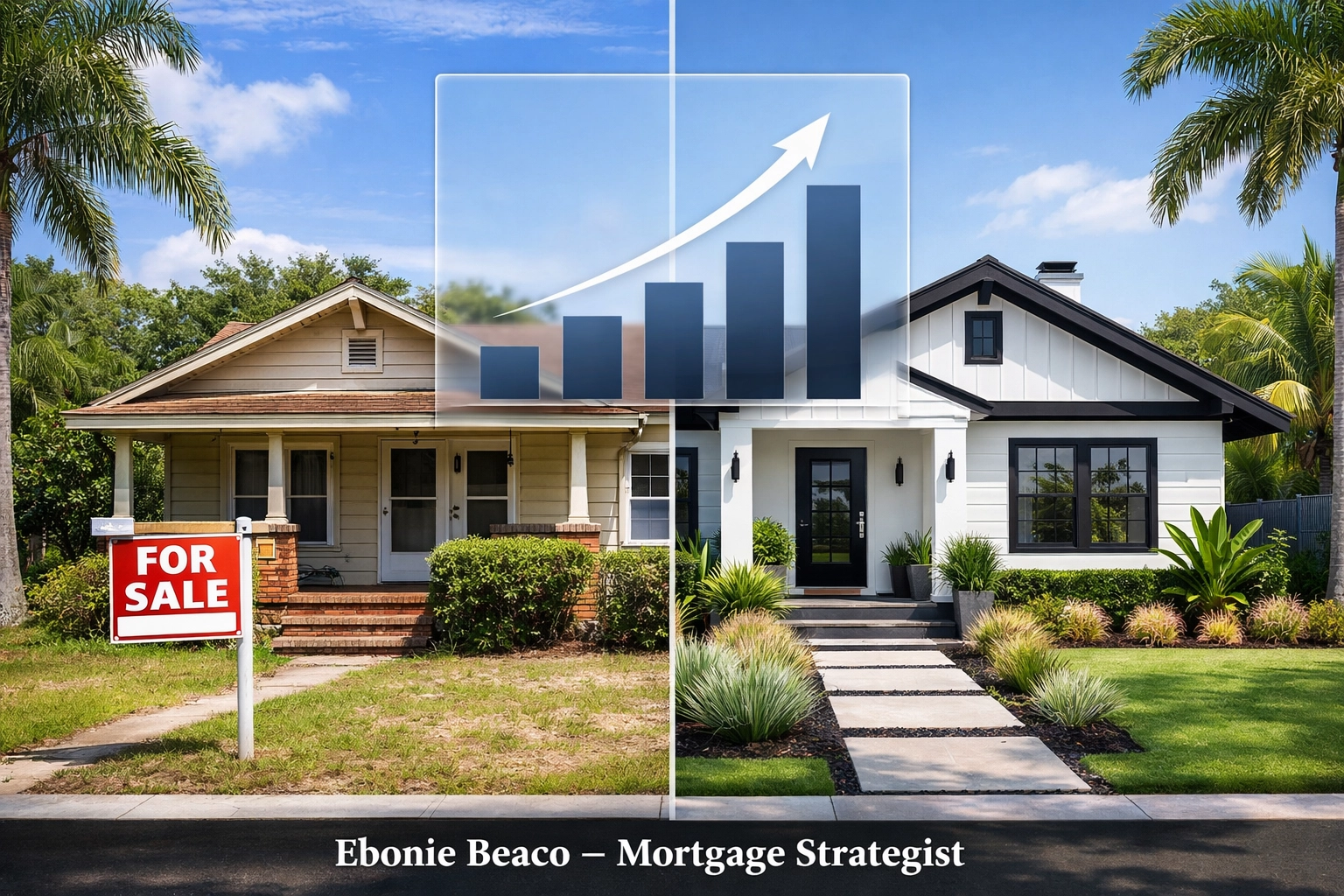
In this scenario, you would put the property under contract with the seller for $205,000.
You then assign the contract to your cash buyer for $220,000.
At the closing, the buyer pays the $220,000, the seller receives their $205,000, and you collect your $15,000 assignment fee.
Use our mortgage calculators to help your buyers estimate their potential payments if they choose to hold the property as a rental.
Summary of the Wholesale Closing Process
Wholesaling is a game of logistics and legal clarity.
By focusing on strong real estate wholesale contracts and ensuring your assignment of contract is properly executed, you protect your profit.
Whether you are working in the suburbs of Chicago or the high-stakes markets of California, the principles remain the same.
Vet your buyers, choose the right title partners, and maintain transparent communication with all parties.
When you understand the financing strategies your buyers are using: whether it's Airbnb and short-term rental financing or landlord loans: you become a more valuable partner in the transaction.
If you are an investor looking to fund your next wholesale purchase or a wholesaler looking to guide your buyers toward the right leverage, we are here to help.
Compare your options and ensure your next deal is financed for success.
Schedule a 1 on 1 at https://calendly.com/homeloansnetwork
Ebonie Beaco
Mortgage Strategist | Senior Loan Officer
Home Loans Network powered by Loan Factory Inc.
NMLS #2389954
HomeLoansNetwork.com
312-392-0664