Wholesaling real estate is often described as the "entry level" of investing, but the logistics involved in the paperwork can be anything but basic. Whether you are working the fast-paced markets of Atlanta, navigating the complexities of California disclosures, or moving distressed assets in Florida, your contract is the only thing protecting your profit.
Many wholesalers treat the assignment of contract as a simple "fill-in-the-blank" exercise. However, small logistical errors in how these contracts are structured can lead to deals falling apart at the closing table, legal disputes, or missed assignment fees.
Explore these seven common logistics mistakes and learn how to tighten your operations to ensure you get paid every time.
1. Neglecting the "And/Or Assigns" Clause
The foundation of a wholesale deal is your ability to transfer your interest in a property to an end buyer. If your contract does not explicitly allow for this, you are stuck buying the property yourself or breaching the agreement.
Assignment of Contract: A legal provision that allows the original purchaser of a property to transfer their rights and obligations under a purchase agreement to another party.
Practical Application: This allows you to secure a property under market value and "sell" that position to a fix-and-flip investor for a fee.
In many California and Florida real estate forms, the default language might actually prohibit assignment without seller consent. If you forget to add "and/or assigns" next to your name or check the box that allows for assignment, you lose your primary exit strategy.
The Fix: Always ensure your buyer name is listed as "[Your Name or Company Name] and/or assigns." Additionally, include a specific clause in your addendum that confirms the seller acknowledges and agrees to the potential assignment of the contract to a third party.
2. Vague Earnest Money Deposit (EMD) Timelines
One of the biggest logistical hurdles in a wholesale deal is the movement of the Earnest Money Deposit. If your contract says the EMD is due within 48 hours, but your end buyer doesn't send their funds for 72 hours, you are technically in default.
Earnest Money Deposit (EMD): A sum of money provided by the buyer to demonstrate their serious intent to complete the transaction, usually held in escrow.
Practical Application: It acts as "skin in the game" to prevent buyers from walking away without a valid reason.
In competitive markets like Atlanta, sellers are quick to jump to a backup offer if you miss an EMD deadline. You are often acting as the middleman, balancing the EMD you gave the seller with the EMD your end buyer gives you.
The Fix: Structure your contracts with a staggered EMD timeline. If your contract with the seller requires EMD within three days, your assignment agreement with the end buyer should require their EMD within 24 hours. This gives you a buffer to ensure the funds are at the title company or with the closing attorney before your deadline expires.

3. Miscalculating the Assignment Fee Structure
Many wholesalers fail to clearly define how and when their assignment fee is paid. This is a logistical nightmare when the closing statement (HUD-1 or ALTA) is being prepared. If the title company doesn't see a clear instruction, they won't know how to distribute the funds.
Assignment Fee: The profit a wholesaler earns for finding a deal and assigning the contract to an end buyer.
Practical Application: This fee is the difference between the price you negotiated with the seller and the price the end buyer agreed to pay.
The mistake here is often transparency. In some states, like Georgia, the assignment fee is clearly visible to both the seller and the buyer on the settlement statement. If the seller sees you are making a $30,000 assignment fee on a $100,000 house, they might get "seller's remorse" and try to kill the deal.
The Fix: Use a Double Closing if the assignment fee is exceptionally high. This involves two separate transactions: one where you buy from the seller, and one where you sell to the end buyer. While it costs more in closing fees, it keeps your profit private. If you are doing a standard assignment, ensure your Assignment Agreement clearly states that the fee is to be paid by the buyer at the time of closing.
4. Failing to Specify the Closing Agent
In Florida and California, title companies generally handle the closing. In Atlanta and the rest of Georgia, it is an attorney-led process. A major logistical error is letting the seller or the end buyer choose a closing agent who doesn't understand wholesaling.
Closing Agent: A neutral third party, such as a title company or attorney, who facilitates the transfer of the property and manages the escrow funds.
Practical Application: They ensure the title is clear and that all parties are paid according to the contract.
If you end up with a "retail-focused" title company, they might flag an assignment of contract as "suspicious" or refuse to process it. This can delay your closing for weeks or kill it entirely.
The Fix: Take control of the logistics by specifying the closing agent in your original purchase agreement. Build relationships with "investor-friendly" title companies or attorneys in your target cities. You can even check our loan process page to see how financing timelines usually align with these closing steps.
5. Overlooking the Inspection Period Timeline
The inspection period, or "due diligence" period, is your window to find an end buyer. A common mistake is making this window too short or failing to align it with your end buyer’s needs.
Inspection Period: A set timeframe during which the buyer can conduct inspections and cancel the contract for any reason without losing their EMD.
Practical Application: For a wholesaler, this is the "risk-free" period to market the deal to their buyers' list.
If you have a 7-day inspection period with the seller, but it takes you 5 days to find a buyer, that buyer only has 2 days to see the house and commit. That is a logistical recipe for failure.
The Fix: Negotiate for a longer inspection period (15–21 days is ideal). If the seller pushes back, explain that you need time for your "partners and contractors" to walk through the property. Ensure your assignment agreement with the end buyer has a shorter inspection period than your master contract. This ensures that if the end buyer backs out, you still have time to find a replacement or cancel the contract with the seller before your EMD becomes non-refundable.
6. Ignoring the Double Closing Logistics
When you can't assign a contract: perhaps because it's a bank-owned (REO) property or the fee is too large: you must perform a double closing. The logistics of a double closing are complex because you technically need the money to buy the house before you can sell it.
Double Closing: Two separate real estate transactions occurring back-to-back, where the wholesaler buys from the seller and immediately sells to the end buyer.
Practical Application: This is used to hide profit margins or to circumvent "no-assignability" clauses in bank contracts.
The mistake here is assuming you can use the "end buyer's money" to fund your purchase from the original seller. Most title companies and attorneys no longer allow "pass-through" funding due to dry-funding regulations.
The Fix: Secure Transactional Funding. This is a short-term loan (usually 24 hours) designed specifically for double closings. It allows you to close the first transaction legally, satisfying the requirement that you own the property before selling it to your end buyer. You can explore loan programs to see how different financing structures work, although transactional funding is a very specific niche.

7. Lack of Clarity on Property Access
You have the contract signed. You have an end buyer interested. But when the buyer wants to see the property, the seller doesn't answer the phone, or the tenant refuses to let them in. This logistical breakdown is one of the most common reasons wholesale deals fail.
Access Clause: A provision in the contract that dictates when and how the buyer (and their associates) can enter the property before closing.
Practical Application: It ensures you can bring your end buyers, contractors, or appraisers through the home to finalize the deal.
Without a clear access clause, the seller might feel harassed by multiple people visiting the house, or they might think you are overstepping your bounds.
The Fix: Include a specific clause in your contract that grants you access to the property with a 24-hour notice. Be transparent with the seller. Tell them, "I will be sending my partners and inspectors through the property on Tuesday between 2 PM and 4 PM." This sets expectations and prevents logistical friction.
Understanding the Financial Impact
Wholesaling isn't just about finding a house; it is about managing the financial logistics between two parties. If you are also working with investors who use DSCR investor loans or fix and flip loans, you need to understand their timeline. Their lenders will require appraisals and title work that must be coordinated through the closing agent you chose.
For example, if your end buyer is using a conventional loan to buy a rental property you wholesaled, the bank may have stricter rules about the assignment fee being listed on the closing disclosure. Knowing this allows you to adjust your strategy: perhaps switching to a double closing: before it becomes a problem.
Practical Deal Breakdown
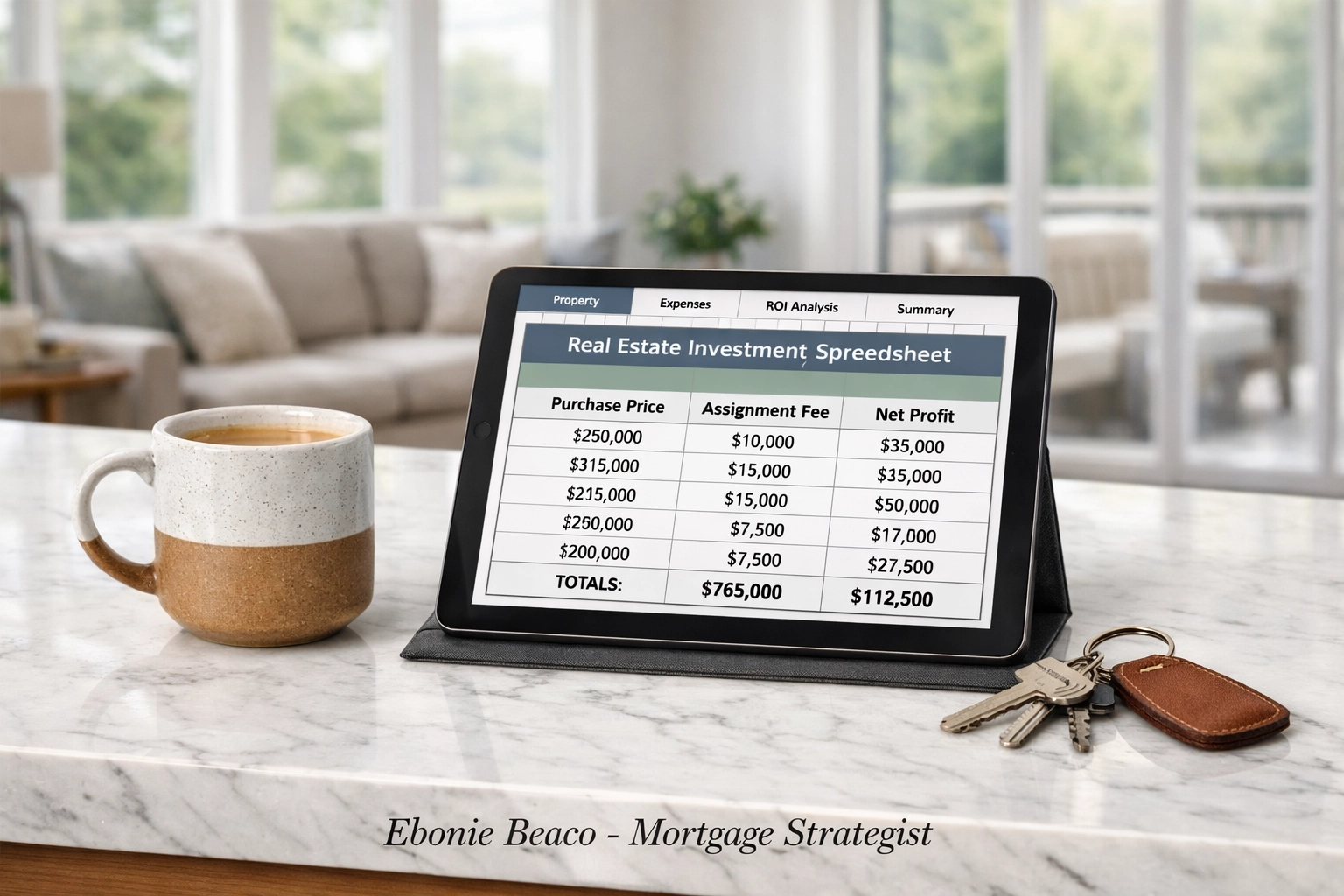
Let's look at a hypothetical scenario in Atlanta, Georgia:
- Purchase Price with Seller: $200,000
- EMD given to Seller: $1,000
- Wholesale Assignment Fee: $15,000
- End Buyer Purchase Price: $215,000
- End Buyer EMD: $5,000
If the end buyer fails to close, you are on the hook for that $200,000 or you lose your $1,000. However, because you collected a $5,000 EMD from your end buyer, even if the deal fails, you could potentially keep their deposit (depending on your contract language) to cover your loss and your time.
Conclusion
Wholesaling is a business of details. In high-volume states like California and Florida, the difference between a successful assignment and a legal headache is the quality of your contract logistics. By mastering the timing of your EMD, ensuring your "and/or assigns" language is present, and controlling the closing agent selection, you position yourself as a professional rather than an amateur.
If you are an investor looking to fund your next fix-and-flip or rental property acquisition, understanding these wholesale mechanics is vital for a smooth transaction. Jump in and compare your current contract process against these seven points to see where you can improve your efficiency.
Schedule a 1 on 1 at https://calendly.com/homeloansnetwork
Ebonie Beaco
Mortgage Strategist | Senior Loan Officer
Home Loans Network powered by Loan Factory Inc.
NMLS #2389954
HomeLoansNetwork.com
312-392-0664