
Wholesaling real estate is often the entry point for many investors because it requires little to no capital to start. You find a distressed property, get it under contract, and assign that contract to a cash buyer for a fee. It sounds simple, but moving from doing one deal every few months to closing five or ten deals every single month requires a shift in mindset and strategy.
Scaling is about moving from being a "solopreneur" to becoming a business owner. It requires systems, people, and a deep understanding of the markets where you operate. Whether you are looking at California bungalows, Florida condos, or an Atlanta investment property, the principles of growth remain the same.
In this guide, we explore the steps necessary to take your wholesaling operation to the next level while maintaining the transparency and integrity that your buyers and sellers expect.
Establish Your Foundation
Before you hire a single person, your foundation must be solid. This means having a clear understanding of your local market and your investment criteria. Many wholesalers fail to scale because they try to be everything to everyone.
Define your niche. Are you focusing on single family homes, small multi unit buildings, or commercial properties? Specialized expertise allows you to analyze deals faster and build a more targeted list of cash buyers.
Conduct Market Research
Market Research: The process of gathering information about property values, neighborhood trends, and buyer demand in a specific geographic area. Benefit: Use research to identify "hot" zip codes where properties sell quickly to investors.
If you are operating in California, your strategy will differ significantly from someone wholesaling in Arkansas or Missouri. In high priced markets like California, your assignment fees might be larger, but the competition is fierce. In markets like Indiana or Michigan, the volume might be higher even if the individual deal margins are tighter.
Geographic Focus: California, Florida, and Atlanta
Scaling often involves expanding your reach. Let's look at three powerhouse markets for real estate wholesalers in 2026.
California
The California market remains a land of high equity. Wholesalers in cities like Los Angeles, San Diego, or San Francisco often focus on properties where a cash out refinance will eventually be the exit strategy for the end investor. Because values are high, your margins can be substantial, but you need a highly sophisticated marketing engine to find motivated sellers.
Florida
Florida offers a diverse landscape for investors. From the vacation rentals in Orlando to the high density residential areas of Miami, the demand for inventory is constant. Many investors here utilize Airbnb and short term rental financing to turn wholesale deals into high cash flow assets.
Atlanta Investment Property
The Atlanta investment property market is a favorite for those looking to scale. Atlanta has seen consistent population growth, making it a prime location for fix and flip investors. As a wholesaler, your job in Atlanta is to build a bridge between distressed homeowners and the massive influx of investors looking for their next project.
 A map highlighting key investment hubs in California, Florida, and Georgia.
Building Your Dream Team
You cannot scale a business by yourself. If you are still the one answering every marketing call, taking every photo, and talking to every title company, you have a job, not a business.
The First Hire: Transaction Coordinator (TC)
Transaction Coordinator: A specialist who manages the administrative aspects of a real estate deal from the moment a contract is signed until the closing date. Benefit: A TC handles the paperwork, allowing you to focus on finding new deals and talking to buyers.
Most experts suggest hiring a TC once you are consistently closing three deals per month. This role is vital for ensuring that your loan process or your buyer's financing stays on track.
Acquisitions Manager
Acquisitions Manager: A team member focused solely on talking to motivated sellers, analyzing deals, and getting properties under contract. Benefit: This person ensures that your "pipeline" of potential deals never runs dry.
Dispositions Manager
Dispositions Manager: A professional responsible for marketing your contracts to a pre vetted list of cash buyers. Benefit: They build relationships with investors, understanding exactly what a landlord or a fix and flip investor is looking for.
Operational Systems and Technology
To handle ten deals at a time, you need a system that tracks everything. A robust Customer Relationship Management (CRM) system is non negotiable. You need to know when you last spoke to a seller in Chicago, what the follow up plan is for a lead in Virginia, and which buyers are looking for DSCR investor loans in Kentucky.
Automate Your Marketing
Marketing is the lifeblood of wholesaling. Explore automated direct mail, SMS marketing, and digital ads. The goal is to create a predictable flow of leads so that your acquisitions manager always has someone to call.
Use Real Estate Analysis Tools
Scaling requires speed. Use mortgage calculators and investment analysis software to quickly determine if a deal has enough meat on the bone for your buyers.
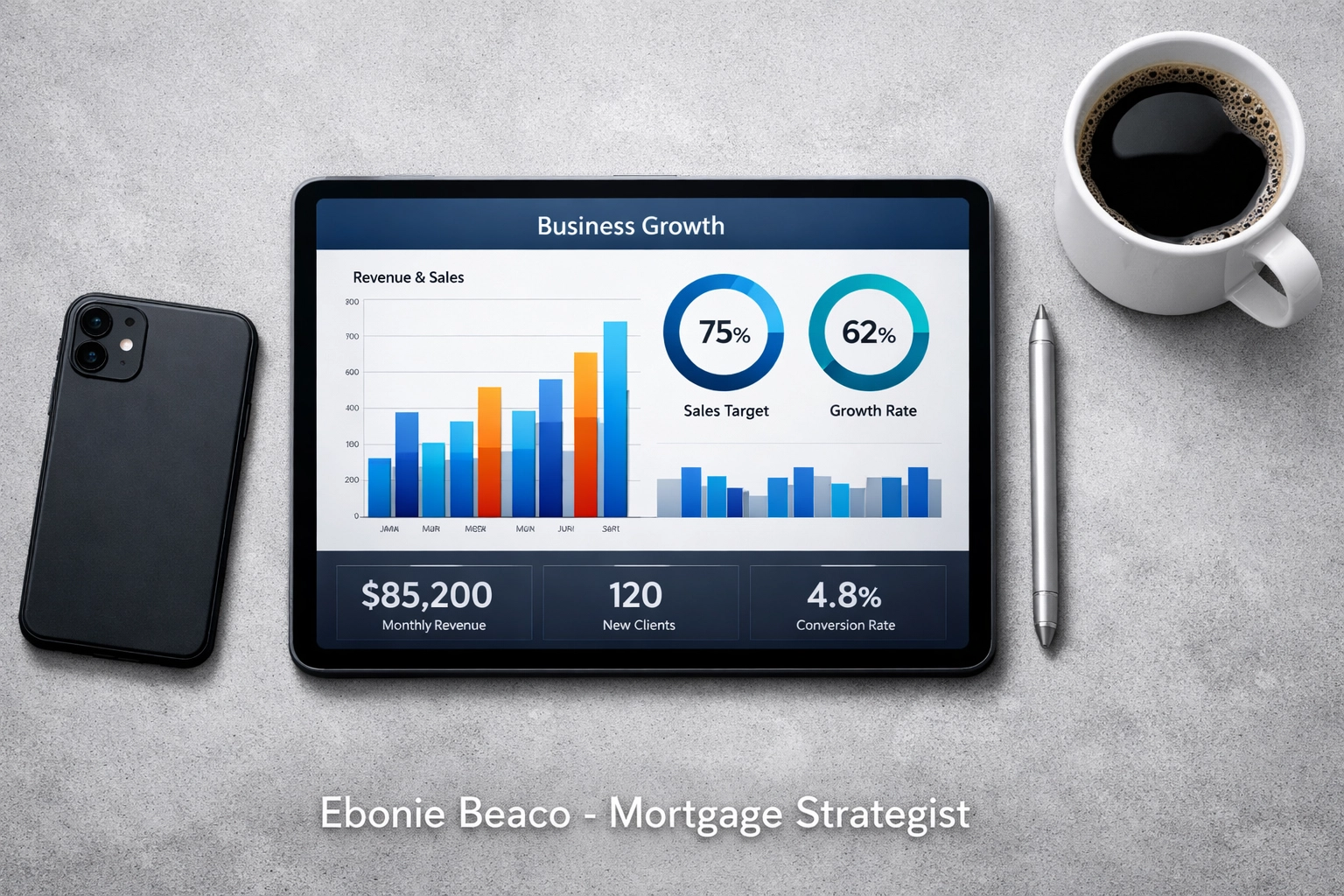 A visual flowchart showing the lifecycle of a wholesale lead from marketing to closing.
Financing Strategies for Wholesalers
While wholesaling is known for being a "no money down" strategy, scaling often involves more complex financial maneuvers.
Assignment of Contract
Assignment: A legal act where the original buyer (you) transfers their rights and obligations under a contract to a new buyer. Benefit: This allows you to collect a fee without ever actually purchasing the property yourself.
Double Closings and Bridge Loans
Sometimes, a seller or a lender won't allow an assignment. In these cases, you might perform a double closing. This is where you buy the property and immediately sell it to your end buyer on the same day.
Bridge Loans: Short term financing used to "bridge" the gap between the purchase of a property and its immediate resale or long term financing. Benefit: Bridge loans allow you to close on a property quickly if your end buyer needs an extra day or two.
Example: The Atlanta Double Close
Let’s look at a practical scenario for an investor wholesaling a property in Atlanta.
The Scenario:
- Contract Price with Seller: $210,000
- Contract Price with Cash Buyer: $245,000
- Wholesale Fee (Gross): $35,000
- Transactional Funding/Bridge Loan Cost: $2,500
- Closing Costs (A to B and B to C): $4,000
- Net Profit: $28,500
 Financial Breakdown: Purchase Price: $210,000 | Sale Price: $245,000 | Costs: $6,500 | Net Profit: $28,500.
In this example, the wholesaler uses a bridge loan to fund the $210,000 purchase. Even after paying the loan fees and double closing costs, they walk away with a significant profit. This strategy is common for larger deals where a simple assignment fee might be frowned upon by the seller or the buyer’s lender.
Diversifying Your Exit Strategies
As you scale, you will encounter deals that don't fit the traditional wholesale mold. Being a "trusted mortgage strategist" means knowing when a deal should be a wholesale, a fix and flip, or a long term rental.
BRRRR Method
Many wholesalers eventually transition into the BRRRR (Buy, Rehab, Rent, Refinance, Repeat) strategy. Instead of selling every deal, you keep the best ones. You can use hard money loans to acquire and renovate, then use a cash out refinance to pull your equity back out and move to the next property.
Landlord Loans and DSCR
If you decide to hold a property, DSCR rental property loans are an excellent tool. These loans qualify the property based on its rental income rather than your personal income, which is perfect for self employed investors in Illinois, Georgia, or Alabama.
 Comparison chart: Wholesaling vs. Fix and Flip vs. Buy and Hold (BRRRR).
Stay Adaptive to Market Trends
The real estate market is constantly shifting. Regulations in California might change, or the demand for housing in Florida might spike due to economic shifts. Stay informed about mortgage basics and national trends.
Scaling is a marathon, not a sprint. Focus on building a reputation for transparency. When you are honest with your sellers about their options and transparent with your buyers about the numbers, you build a brand that lasts.
Jump in and start analyzing your current process. Explore where you can automate, compare different markets like Chicago or Atlanta, and access the tools that will help you grow.
Schedule a 1 on 1 at https://calendly.com/homeloansnetwork
Ebonie Beaco Mortgage Strategist | Senior Loan Officer Home Loans Network powered by Loan Factory Inc. NMLS #2389954 HomeLoansNetwork.com 312-392-0664