
Real estate wholesaling is often called the "entry point" for many new investors in markets like Atlanta, Miami, and Los Angeles.
It is a strategy that allows you to act as a middleman in a real estate transaction without necessarily needing the capital to buy the property yourself.
In simple terms, you find a distressed property, put it under contract with the seller, and then assign that contract to a cash buyer for a fee.
While it sounds simple, the logistics of real estate wholesale contracts can feel overwhelming if you are just starting out in 2026.
This guide breaks down the process into five actionable steps so you can navigate the legalities and get paid your first assignment fee.
1. Source Your Contract Template From Legitimate Sources
The foundation of every wholesale deal is the paperwork.
You cannot simply use a generic piece of paper; you need a legally binding purchase and sale agreement that includes specific language.
Assignment of Contract: A legal clause in a purchase agreement that allows the original buyer to transfer their rights and obligations to a second party.
This clause is what enables you to "sell" the deal to your end buyer.
In states like California and Florida, real estate laws are strict regarding how these contracts are structured.
Explore the option of hiring a real estate attorney to draft a custom template for you.
While it might cost a few hundred dollars upfront, it protects you from legal headaches in the future.
Ensure your contract includes an "and/or assigns" clause next to your name as the buyer.
This tells the seller from the beginning that you may not be the one ultimately closing on the home.
2. Build Your Buyer List and Identify Target Properties
You need to know who is going to buy the deal before you even find it.
Cash Buyer List: A database of active real estate investors who have the funds available to purchase properties quickly and in "as-is" condition.
These are typically house flippers or buy-and-hold investors looking for their next project.
Successful wholesalers in Atlanta and Chicago spend a significant amount of time networking.
Access local real estate investor associations (REIAs) and online forums to find these buyers.
Many of these investors use specific financing strategies to scale their portfolios.
For instance, a buyer on your list might be looking for properties that qualify for Fix and Flip Loans or DSCR Investor Loans.
Understanding what your buyers want: whether it is a three-bedroom ranch in Virginia or a multi-unit building in Michigan: helps you filter the properties you target.

3. Execute Both Contracts and Open Escrow
Once you find a motivated seller and agree on a price, it is time to sign the purchase agreement.
Earnest Money Deposit (EMD): A sum of money provided by the buyer to demonstrate they are serious about the transaction, usually held in an escrow account.
In wholesaling, you typically put down a small EMD, such as $500 to $1,000.
After the seller signs, you must "open escrow" with a title company or a real estate attorney, depending on the state.
In Georgia, real estate transactions are handled by attorneys.
In California and Florida, title companies usually manage the closing process.
Jump in by delivering your signed contract and EMD to the title company immediately.
The title company will then perform a title search to ensure there are no liens or clouds on the title that could prevent the sale.
If the title is clear, you are halfway to your payday.
4. Send the Assignment Agreement to Your End Buyer
Now that the property is under contract, you need to officially transfer your rights to your cash buyer.
Assignment Fee: The profit a wholesaler earns for finding a deal and assigning the purchase contract to an end buyer.
This fee is usually the difference between the price you negotiated with the seller and the price the end buyer pays.
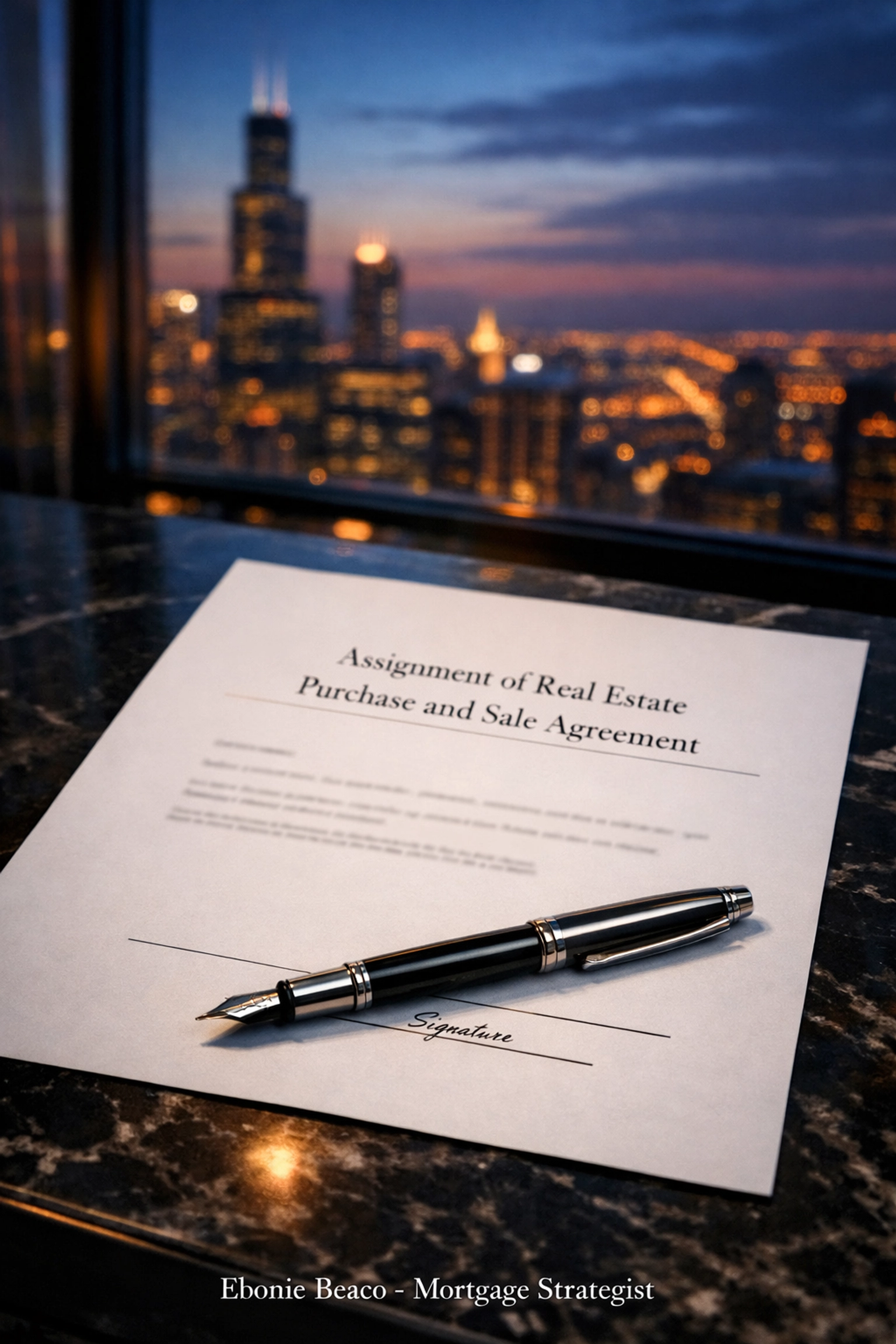
You will use a second document called an Assignment of Contract agreement.
This document links the original purchase agreement to your new buyer.
It explicitly states how much your assignment fee will be and when it is paid.
Compare your options here: you can either be transparent about your fee or use a "double closing" strategy if your fee is exceptionally large.
In a double closing, you actually buy the property and sell it back-to-back on the same day.
This requires Bridge Loans or transactional funding, but it keeps your profit private from both the seller and the buyer.
5. Close the Deal and Collect Your Fee
The final step is the closing day.
The title company or attorney will coordinate with all parties to ensure the paperwork is signed and the funds are distributed.
Closing Statement (HUD-1 or ALTA): A document that provides an itemized list of all costs, credits, and fees associated with a real estate transaction.
Your assignment fee will appear on this document as a line item paid to you.
Your end buyer will bring the funds to the table.
These funds cover the purchase price for the seller and your assignment fee.
Secure your payment by ensuring the title company has your wire instructions or mailing address for a check.
Once the deed is recorded with the county, the transaction is complete.
You have successfully navigated the loan process from the wholesaler's perspective without ever needing to qualify for a fixed-rate mortgage yourself.
Wholesaling Logistics: CA, FL, and Atlanta
Each market has its own "flavor" of wholesaling.
In Atlanta, Georgia, the process is heavily attorney-driven.
You need to work with "investor-friendly" attorneys who understand how to handle assignments and double closings.
In Florida, particularly in cities like Miami or Orlando, the market is highly competitive.
Wholesalers often focus on finding properties for investors who use Airbnb and Short-Term Rental Financing.
In California, disclosure laws are very specific.
It is vital to be transparent with your seller about your intentions to assign the contract to avoid any "equitable interest" legal disputes.
Regardless of the state, the core mechanics remain the same: find a deal, lock it up, and pass it on.
Real World Example: The Wholesaling Math
Let's look at a typical deal scenario in a market like Indianapolis or Chicago.
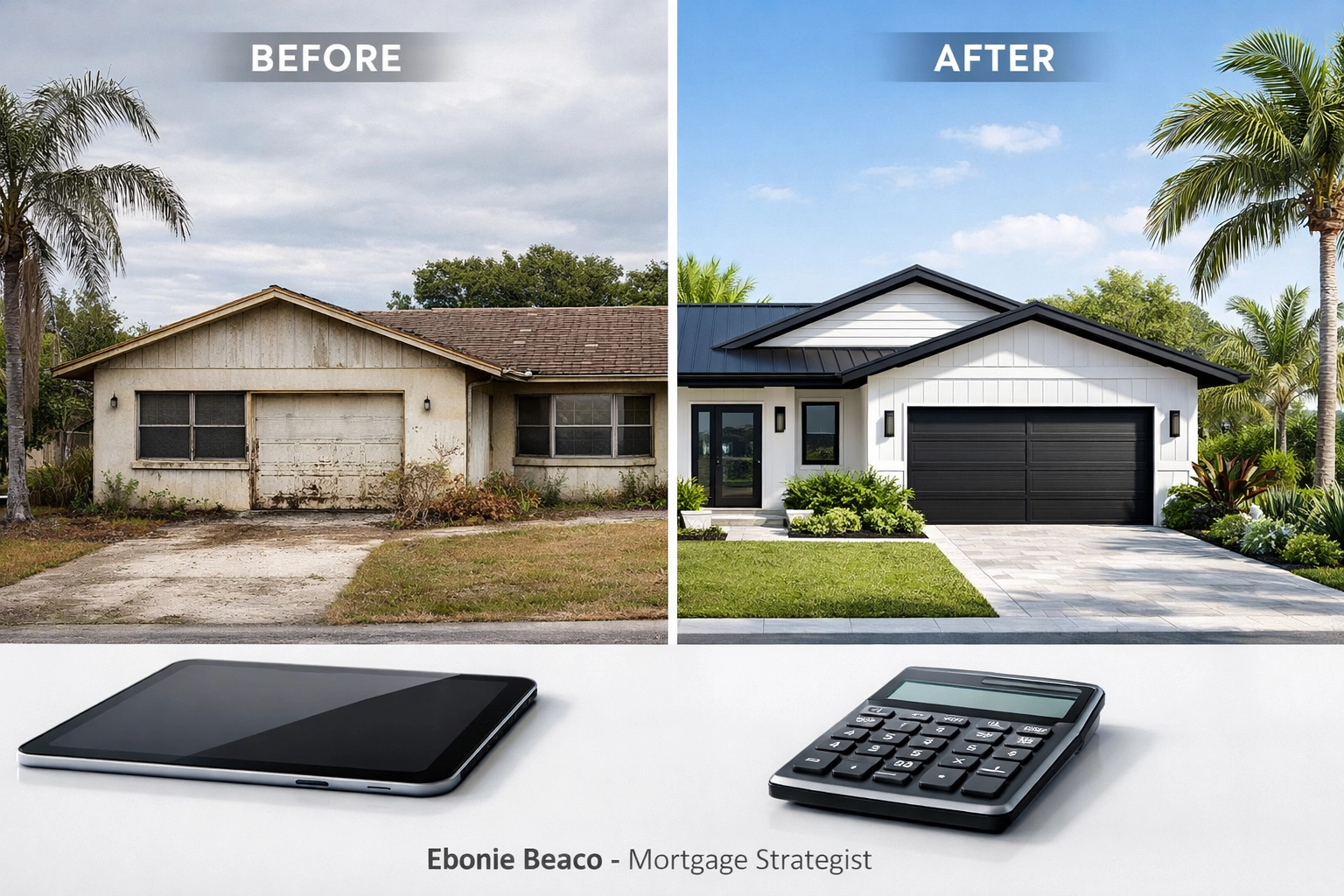
Imagine you find a distressed property with an After Repair Value (ARV) of $300,000.
The house needs about $50,000 in work.
Property Analysis Example:
- After Repair Value (ARV): $300,000
- Maximum Allowable Offer (MAO) Formula (70% Rule): ($300,000 x 0.70) - $50,000 repairs = $160,000.
- Your Negotiated Price with Seller: $145,000
- Your Assignment Fee: $15,000
- End Buyer's Purchase Price: $160,000
In this scenario, the end buyer is getting a deal at the standard 70% of ARV minus repairs.
They might use Hard Money Loans to fund the purchase and the renovation.
You, as the wholesaler, walk away with a $15,000 check at closing for putting the deal together.
Why Transparency is Your Best Tool
Being transparent with your sellers is not just a moral choice; it is a business strategy.
If a seller feels misled about who is actually buying their home, they may refuse to sign the closing documents at the last minute.
Explain that you work with a network of partners and investors to ensure the property gets the attention it needs.
This builds trust and ensures a smoother path to the closing table.
Investors who scale their businesses in Alabama, Arkansas, and Michigan often rely on a reputation for being fair and clear in their dealings.
Navigating Financing for Your Buyers
While you don't need a loan to wholesale, your buyers certainly do.
If you can point your buyers toward reliable funding sources, you become a more valuable partner.
Many investors prefer Non-QM Mortgage Loans or Landlord Loans because they offer flexibility that traditional banks do not.
Understanding the mortgage basics allows you to speak the language of your buyers and help them close deals faster.
The faster they close, the faster you get paid.
Wholesaling is a high-speed game of logistics.
By mastering the assignment of contract and building a solid network of professionals, you can create a consistent stream of income in the real estate market.
Schedule a 1 on 1 at https://calendly.com/homeloansnetwork
Ebonie Beaco
Mortgage Strategist | Senior Loan Officer
Home Loans Network powered by Loan Factory Inc.
NMLS #2389954
HomeLoansNetwork.com
312-392-0664