Wholesaling Closing Secrets Revealed: What Most Gurus Won’t Tell You About Logistics in Florida and California
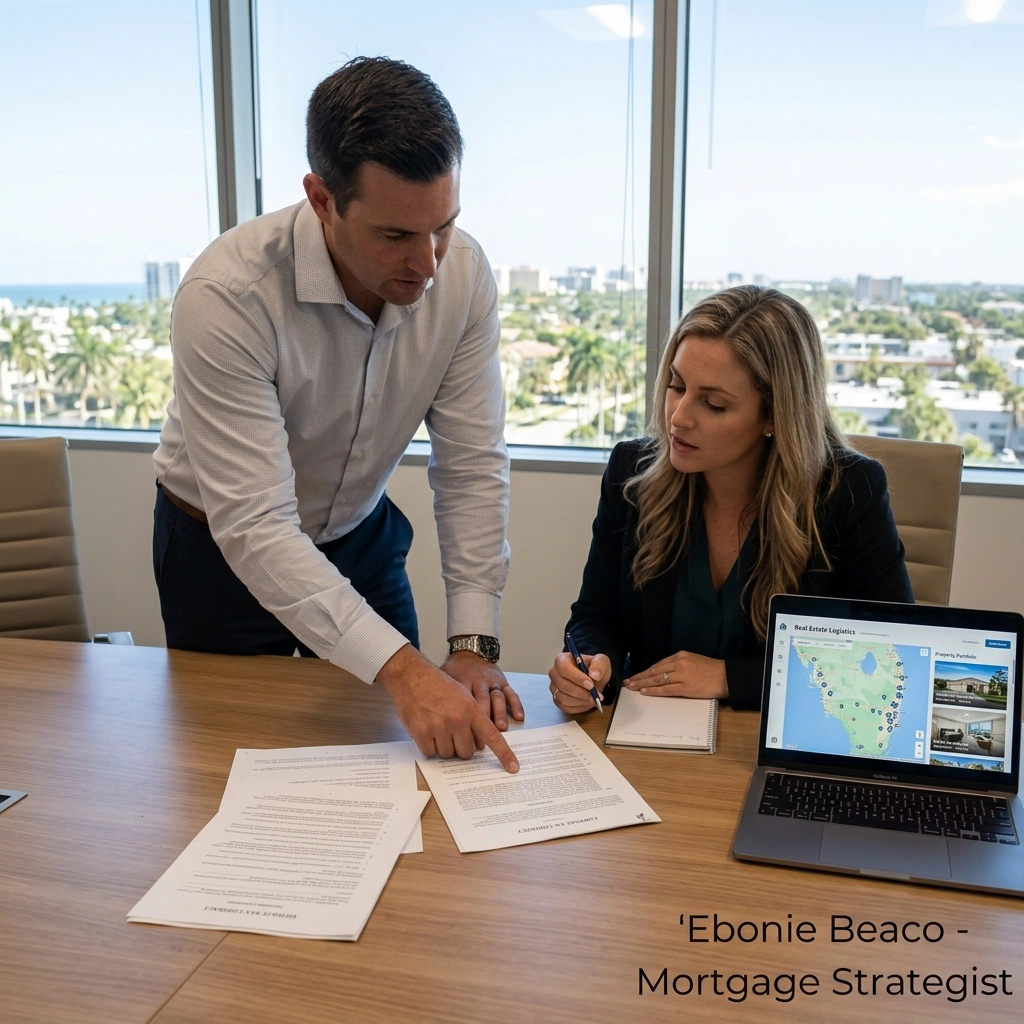
Wholesaling real estate is often marketed as the fastest way to make money with zero dollars down.
While the concept is simple, the logistics of actually getting a deal to the closing table in high-stakes markets like Florida and California are anything but easy.
I am Ebonie Beaco, and at Home Loans Network, we see the backend of these deals every single day.
Gurus often skip the part where the title company refuses to close your deal or the seller finds out you are making $40,000 and walks away from the table.
Jump in as we pull back the curtain on the real logistics of wholesaling in today’s market.
The Core Mechanics of Wholesaling Logistics
Before we dive into the state-specific secrets, you must understand the two primary ways to move a deal.
The strategy you choose dictates how much transparency you have with your seller.
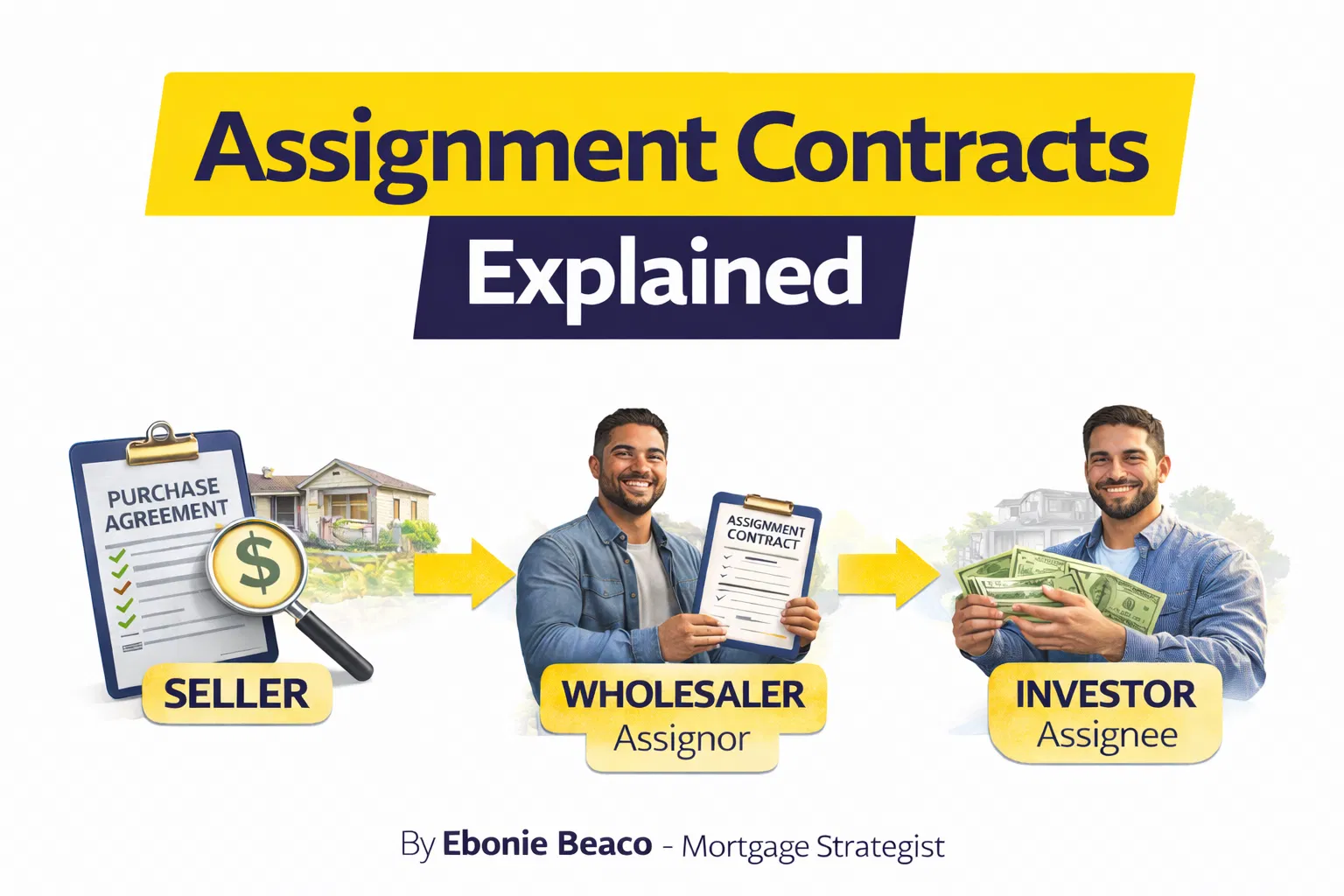
Assignment of Contract: A legal agreement where the original buyer (assignor) transfers their rights and obligations in a purchase contract to a new buyer (assignee).
Practical Application: This allows you to secure a property under market value and "sell" the contract to a cash investor for a fee without ever taking title to the property.
Double Closing: Two separate real estate transactions occurring back-to-back where the wholesaler buys the property from the seller and immediately sells it to the end buyer.
Practical Application: This keeps your profit hidden from both the original seller and the end buyer because they are separate transactions with separate settlement statements.
Florida Wholesaling: The Disclosure Trap
Florida is one of the most active wholesaling markets in the country, especially in cities like Miami, Orlando, and Tampa.
However, Florida has specific equity investor statutes that gurus rarely mention.
If you are wholesaling in Florida, you must be aware of how title companies handle the flow of funds.
Many wholesalers try to use the end buyer’s money to fund the first part of a double closing.
Most Florida title companies now require you to have your own "transactional funding" for the A-to-B side of the deal.
Transactional Funding: A short-term loan provided to a wholesaler to facilitate a back-to-back closing on a property.
Practical Application: You use this capital to officially close on the purchase so you can legally resell it minutes later, ensuring the title company remains compliant with Florida laws.
Explore the Home Loans Network FAQ to understand how different funding types impact your closing timeline.
California Wholesaling: The Escrow and Legal Minefield
Wholesaling in California is a different beast entirely.
California is an escrow state, and the legal scrutiny over "acting as a broker without a license" is significantly higher than in other regions.
The biggest secret in California is the "Intent to Purchase" rule.
If you enter into a contract without the actual intent or financial ability to close, you could be accused of fraud or misrepresentation.
Equitable Interest: The legal right to obtain full ownership of a property through a valid contract, even if the title has not yet transferred.
Practical Application: This interest is what you are actually selling when you assign a contract, and it protects you from being classified as an unlicensed real estate agent.
In California, your real estate wholesale contracts must be airtight.
You need to ensure your contract explicitly states that you are an investor looking to make a profit.
Compare your current contract language with standard California forms to ensure you aren't accidentally walking into a legal trap.
Atlanta and Georgia: The Attorney Closing Advantage
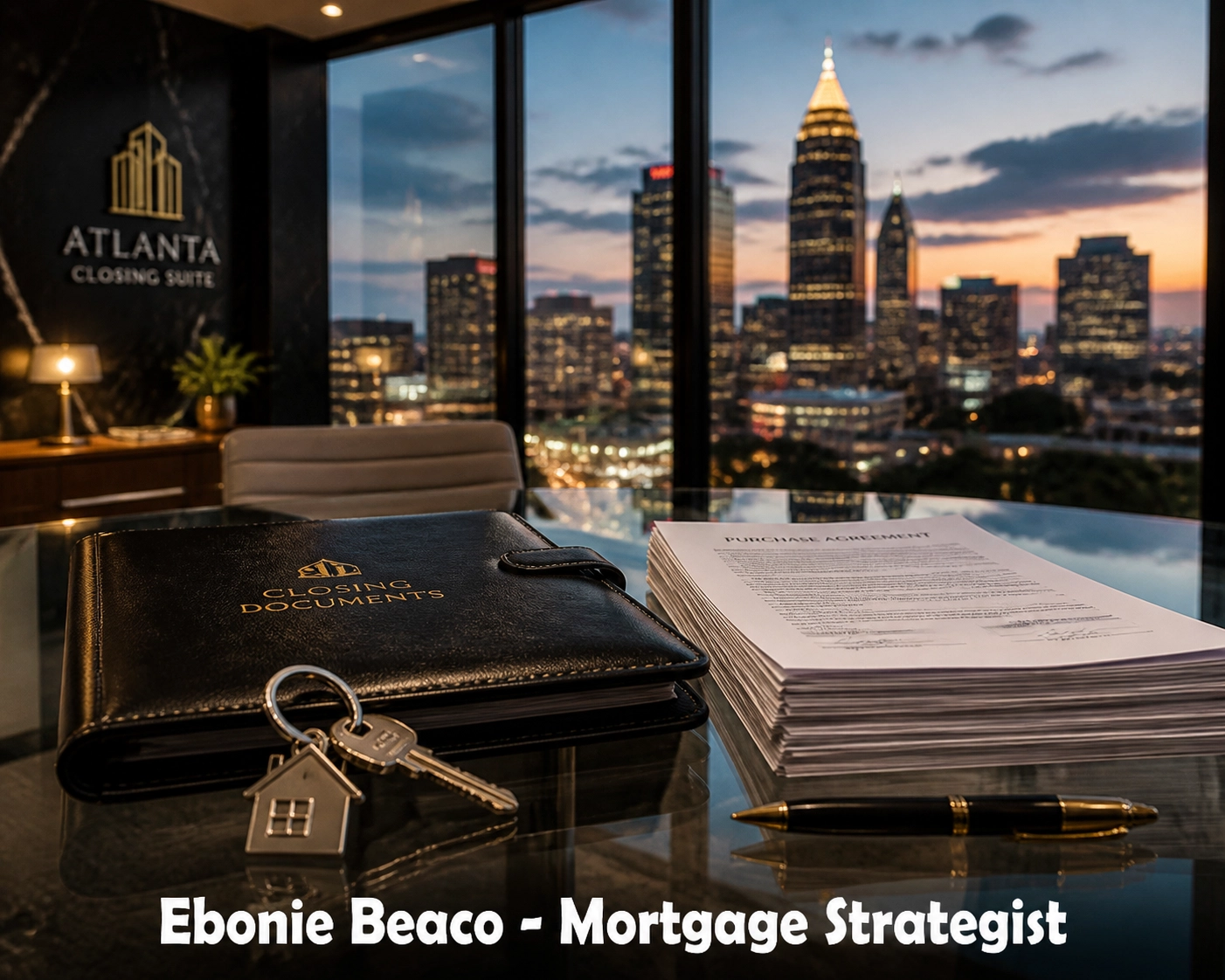
In Atlanta, Georgia, all real estate closings must be conducted by a licensed attorney.
This differs from Florida and California where title companies or escrow officers often handle the logistics.
The "secret" in Georgia is finding a wholesaler-friendly attorney who understands the nuances of an assignment of contract.
Some attorneys will refuse to sign off on an assignment if the fee is too high, fearing it looks predatory.
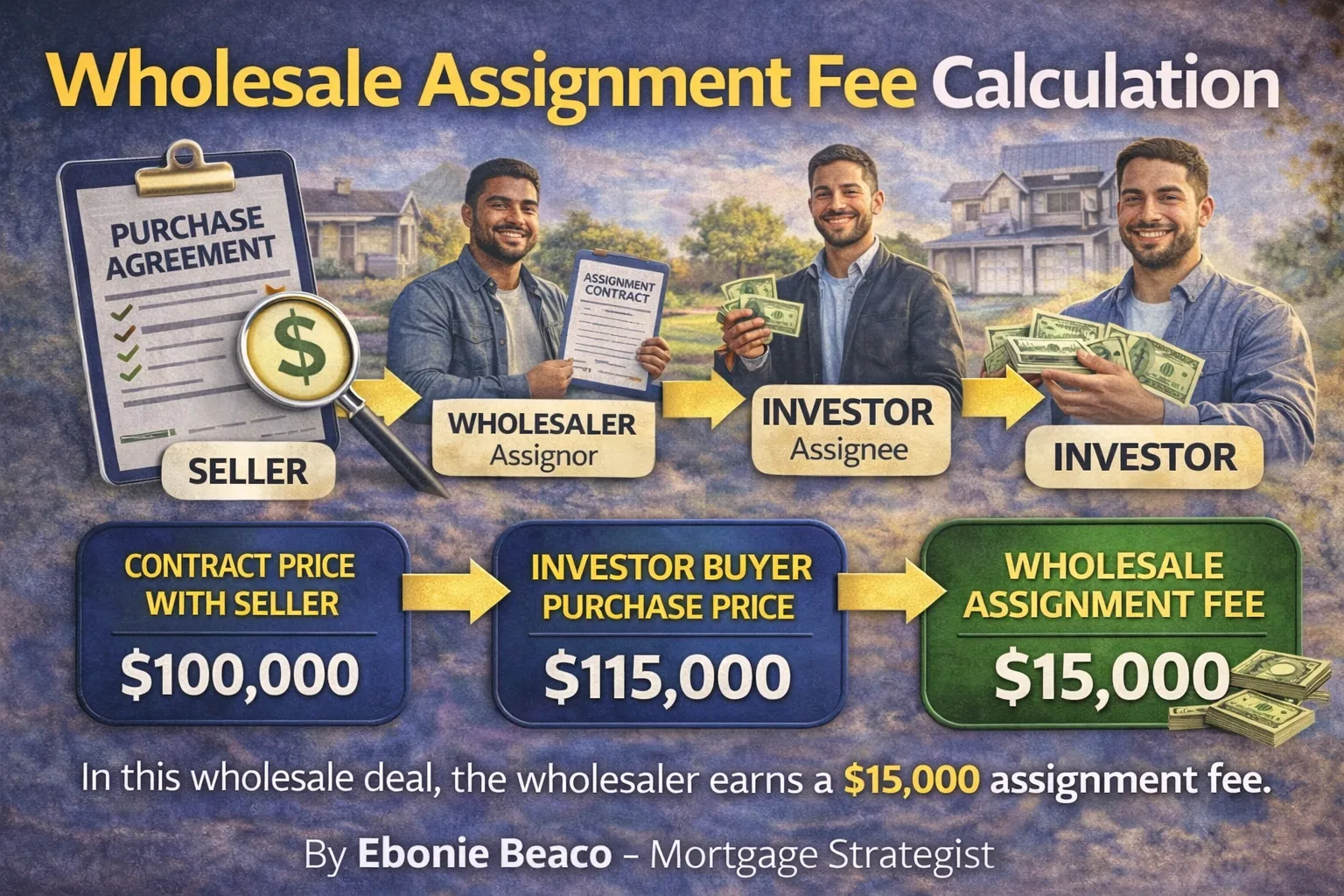
Assignment Fee: The profit paid to the wholesaler by the end buyer for the right to take over the purchase contract.
Practical Application: This fee is your "paycheck" for finding the deal and should be clearly documented on the HUD-1 or Settlement Statement.
Why Most Wholesalers Fail at the Finish Line
The number one reason deals die at the table isn't the property condition.
It is the logistics of the money.
Many wholesalers find a deal but don't have an end buyer who can actually perform.
If your end buyer is trying to use a traditional bank loan, the deal will likely fail.
Traditional lenders often have "seasoning" requirements that prevent them from funding a property that has been owned for less than 90 days.
This is why your end buyer usually needs DSCR Investor Loans or Hard Money.
DSCR Loan: A debt service coverage ratio loan that qualifies a borrower based on the property’s rental income rather than personal income.
Practical Application: This allows your end buyer to close quickly on a rental property without the red tape of traditional mortgage underwriting.
Bridge Loan: A short-term loan used to "bridge" the gap between the purchase of a property and long-term financing or a sale.
Practical Application: Your end buyer might use this to quickly acquire the property from you and then refinance later.
Handling the Assignment Fee Conversation
Gurus tell you to hide your fee, but transparency can often save a deal.
If you are using an assignment of contract, the seller will eventually see how much you are making on the closing statement.
If you are making $5,000, nobody cares.
If you are making $50,000, the seller might feel cheated and refuse to sign.
This is where the logistics of a double closing become essential.
Even though a double closing costs more in fees, it protects your profit margins in high-equity deals.
Access our mortgage calculators to see how these fees impact the overall net profit for your end buyer.

The Truth About Finding "Off-Market" Deals
The logistics of sourcing deals in Florida and California have become incredibly expensive.
Direct mail, cold calling, and PPC (Pay-Per-Click) advertising costs are at all-time highs.
The secret that gurus don't mention is that many successful wholesalers are now "co-wholesaling."
Co-Wholesaling: A partnership where one wholesaler finds the deal and another wholesaler finds the buyer, splitting the assignment fee.
Practical Application: This reduces your marketing overhead and increases the speed at which you can move properties in competitive markets like Los Angeles or Miami.
Financing the Exit Strategy
As a wholesaler, your job isn't done until the end buyer closes.
If your buyer can't get financing, you don't get paid.
At Home Loans Network, we specialize in helping investors find the right products to take these deals off your hands.
Whether it is a fix and flip loan or a cash-out refinance for a BRRRR investor, understanding the financing side makes you a better wholesaler.
BRRRR Method: An investment strategy involving Buying, Rehabbing, Renting, Refinancing, and Repeating.
Practical Application: Knowing that your buyer intends to BRRRR the property helps you price the deal so they have enough equity to refinance later.

Navigating Legal Restrictions in Different States
Wholesaling laws are constantly evolving.
In some states, you are now required to have a real estate license if you perform more than a certain number of assignments per year.
- Florida: Generally wholesaler-friendly, but watch out for "unlicensed practice of real estate" if you market the property instead of the contract.
- California: High risk for litigation; always use an escrow company familiar with assignments.
- Georgia: Must use a closing attorney; assignments are standard but must be clearly written.
- Illinois: Recent laws require wholesalers to have a broker's license if they do more than one deal per year.
Always check the privacy policy and local regulations before starting your marketing campaigns.
Final Logistics Check Before You Close
Before you head to the closing table in Florida, California, or Atlanta, run through this checklist:
- Verified Assignability: Does your contract explicitly allow for assignment?
- Earnest Money Deposit (EMD): Has your end buyer put down a non-refundable deposit to show they are serious?
- Title Commitment: Is the title clear of liens that could eat into your assignment fee?
- Funding Source: Does your end buyer have their Proof of Funds (POF) or a pre-approval for an investor loan?
Wholesaling is a business of logistics and relationships.
When you understand the technical side of the closing, you move from being a "guru-trained" amateur to a professional real estate investor.
If you are an investor looking to finance your next wholesale acquisition or an end buyer needing a solid DSCR or flip loan, let's look at the numbers together.
Schedule a 1 on 1 at https://calendly.com/homeloansnetwork
Ebonie Beaco
Mortgage Strategist | Senior Loan Officer
Home Loans Network powered by Loan Factory Inc.
NMLS #2389954
HomeLoansNetwork.com
312-392-0664