Mastering Virginia Rental Property Financing: The Power of DSCR


Scaling a real estate portfolio in Virginia requires more than just finding the right neighborhood in Arlington or the perfect colonial in Richmond. It requires a financing strategy that does not break as you grow. For many experienced investors, reaching the tenth property marks a significant milestone, but it also often marks the point where traditional banks stop saying "yes."
Conventional financing relies heavily on your personal debt-to-income (DTI) ratio and tax returns. Once you have several mortgages appearing on your credit report, the math often stops working for standard lenders. This is where Virginia rental property financing through Debt Service Coverage Ratio (DSCR) loans becomes the primary tool for expansion.
Understanding the DSCR Loan Framework
Debt Service Coverage Ratio (DSCR) Definition: A financial metric that measures the available cash flow to pay current debt obligations by dividing the property's annual net operating income by its annual mortgage debt. Practical Benefit: This allows you to qualify for a loan based on the property’s ability to generate income rather than your personal employment history or salary.
LTV (Loan-to-Value) Definition: The ratio of a loan to the value of an asset purchased, expressed as a percentage. Practical Benefit: Understanding LTV helps you determine how much equity you need to bring to the table to secure the best interest rates in the Virginia market.
PITIA Definition: The sum of a monthly mortgage payment including Principal, Interest, Taxes, Insurance, and any Homeowners Association dues. Practical Benefit: Calculating PITIA accurately is essential for determining if a rental property meets the minimum DSCR requirements for funding.
The Conventional Wall: Why Property Number 10 is the Hardest
If you have spent years building a portfolio of single-family homes or townhomes in the Virginia suburbs, you are likely familiar with the strict guidelines of Fannie Mae and Freddie Mac. Most traditional lenders have a "financed property limit." Once you hit 10 financed properties, qualifying for an 11th conventional loan becomes nearly impossible for the average investor.
Even before you hit that hard limit, the DTI calculation becomes a hurdle. Traditional lenders look at your personal income and compare it to the debt of all your existing properties. If one property has a slightly higher vacancy or if taxes in a specific Virginia county spike, it can negatively impact your ability to buy a new property elsewhere.

Case Study: Breaking the Limit in Northern Virginia
Consider an investor named David. David owned nine high-performing rental units across the Virginia Beach and Norfolk areas. He found a prime investment opportunity: a well-maintained suburban home in Fairfax County listed for $650,000.
David’s local bank turned him down. Despite his high credit score and significant assets, his "financed property count" was at the limit, and his personal DTI was stretched thin by his existing mortgages. He needed a Virginia DSCR loan lender who understood that the Fairfax property was a cash-cow, regardless of David's personal tax returns.
The Fairfax Deal Breakdown:
- Purchase Price: $650,000
- Down Payment (20%): $130,000
- Loan Amount: $520,000
- Estimated Monthly Rent: $5,200
- Monthly PITIA: $4,100
- DSCR Calculation: $5,200 / $4,100 = 1.26
Because the ratio was above 1.20, David secured the financing. The lender did not ask for his W2s or his personal tax returns. They focused entirely on the appraisal and the "Rent Schedule" (Form 1007) which confirmed the market rent for the Fairfax area.
Explore how this strategy differs from traditional methods by viewing our Chicago suburbs loan programs map to see how regional strategies can be applied to your Virginia portfolio.
Why Investors Choose DSCR for Virginia Rental Property Financing
Access unlimited scaling potential. Since DSCR loans do not rely on personal DTI, there is technically no limit to the number of properties you can finance. As long as each property "covers itself" (the rent exceeds the mortgage payment), you can continue to grow.
Enjoy faster closing times. Traditional loans involve deep dives into personal financial history, which can take 45 to 60 days. DSCR loans are streamlined because the underwriting is property-centric. Many investors in the fast-moving Virginia market use this speed to win bids against other buyers.
Close in the name of an LLC. Most conventional loans require you to close in your personal name. Many sophisticated investors prefer to hold their Virginia rentals in an LLC for liability protection. DSCR lenders typically allow and even encourage closing in an entity’s name.
Navigate fluctuating market conditions. With the current economic climate, understanding how interest rates affect your cash flow is vital. You can read more about navigating the mortgage rate dilemma to help time your next Virginia acquisition.
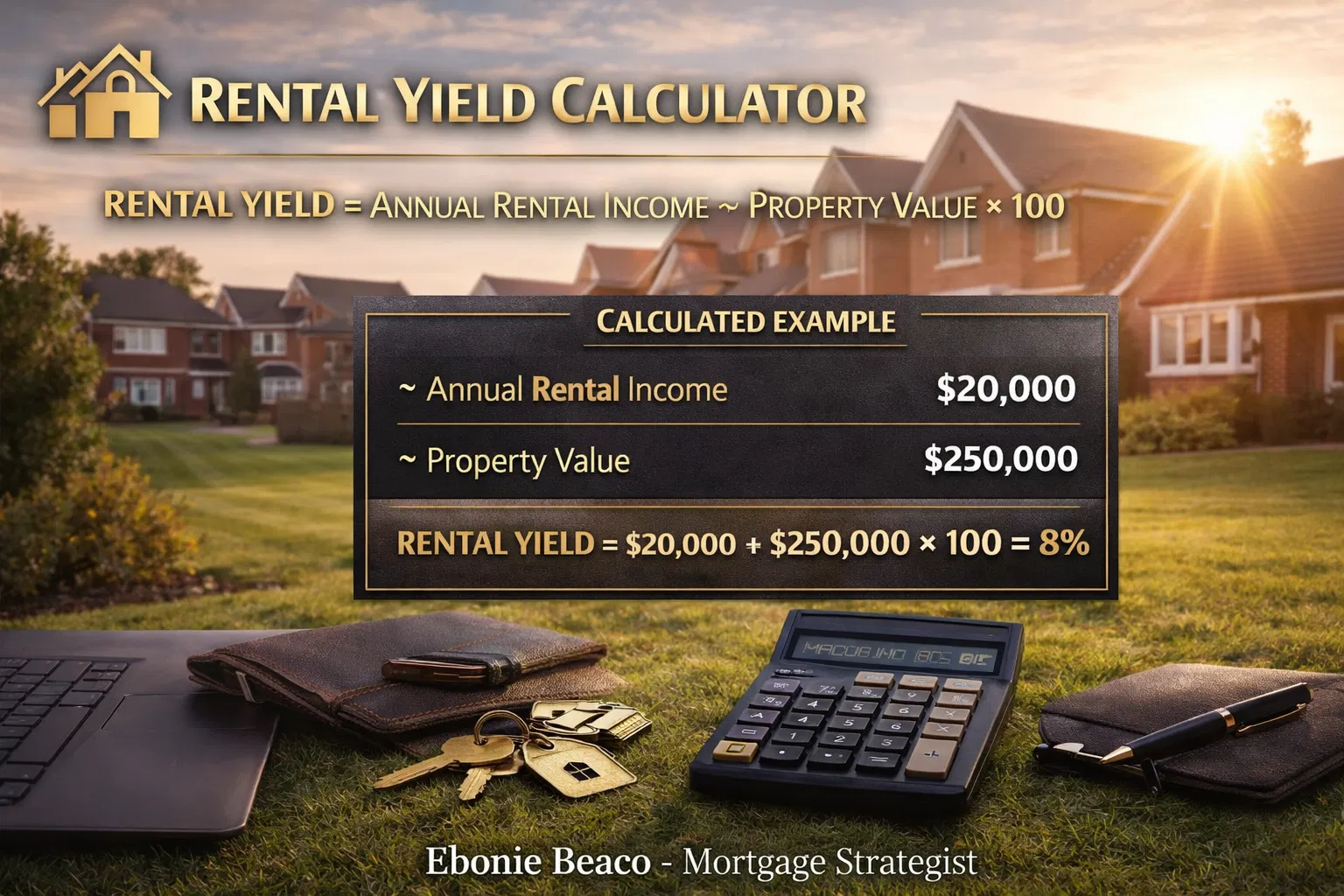
Key Requirements for a Virginia DSCR Loan
While you don't need to provide tax returns, lenders still have specific criteria to ensure the investment is sound.
- Credit Score: Most lenders look for a minimum score of 620 to 660, though a score of 720+ often unlocks the lowest rates and highest LTVs.
- Down Payment: Expect to put down 20% to 25%. Some programs allow for 15% down if the DSCR ratio is exceptionally high.
- Cash Reserves: Lenders usually want to see 3 to 6 months of PITIA in a liquid account to ensure you can handle a temporary vacancy.
- The Appraisal: This is the most critical step. The appraiser must provide a comparable rent schedule to prove the property can generate the necessary income.
Jump in and analyze your current portfolio. If you have equity in existing properties, a cash-out refinance could provide the down payment for your next Virginia DSCR acquisition.
Comparing DSCR to Other Investment Strategies
For investors who prefer a "hands-on" approach to increasing property value, the BRRRR (Buy, Rehab, Rent, Refinance, Repeat) method is popular in Virginia cities like Richmond and Roanoke. In this scenario, an investor might use fix and flip loans to purchase and renovate a distressed property, then use a DSCR loan to refinance into a long-term, cash-flowing rental.
If you are looking at more modern housing solutions, such as townhomes for first-time investors, the DSCR model works perfectly for these low-maintenance assets.
Selecting Your Virginia DSCR Loan Lender
Not all DSCR programs are the same. Some lenders have "prepayment penalties" that could affect your strategy if you plan to sell or refinance within the first few years. Others might offer "interest-only" options that can significantly lower your monthly payment and boost your DSCR ratio, though these come with different long-term risks.
When searching for a lender, ask the following questions:
- Do you offer a "no-ratio" DSCR loan if the property is currently vacant?
- What is your minimum credit score for a 80% LTV loan?
- Are there any restrictions on short-term rentals or Airbnbs in Virginia?
- How many months of reserves do you require for a 10+ property portfolio?

The Path Forward for Virginia Investors
The Virginia real estate market remains resilient, with strong demand in both the tech-heavy Northern regions and the growing coastal communities. To stay competitive, you must move beyond the limitations of local retail banks and embrace the flexibility of investor-focused lending.
Whether you are looking to purchase your second rental or your twentieth, understanding the mechanics of Virginia rental property financing is the key to long-term wealth. By focusing on the income potential of the asset rather than your personal balance sheet, you unlock a level of scalability that conventional loans simply cannot match.
Access professional guidance for your next investment scenario.
Schedule a 1 on 1 at https://calendly.com/homeloansnetwork
Ebonie Beaco Mortgage Strategist | Senior Loan Officer Home Loans Network powered by Loan Factory Inc. NMLS #2389954 HomeLoansNetwork.com 312-392-0664