Can I Get a Loan for a Fix and Flip with a Low Credit Score?
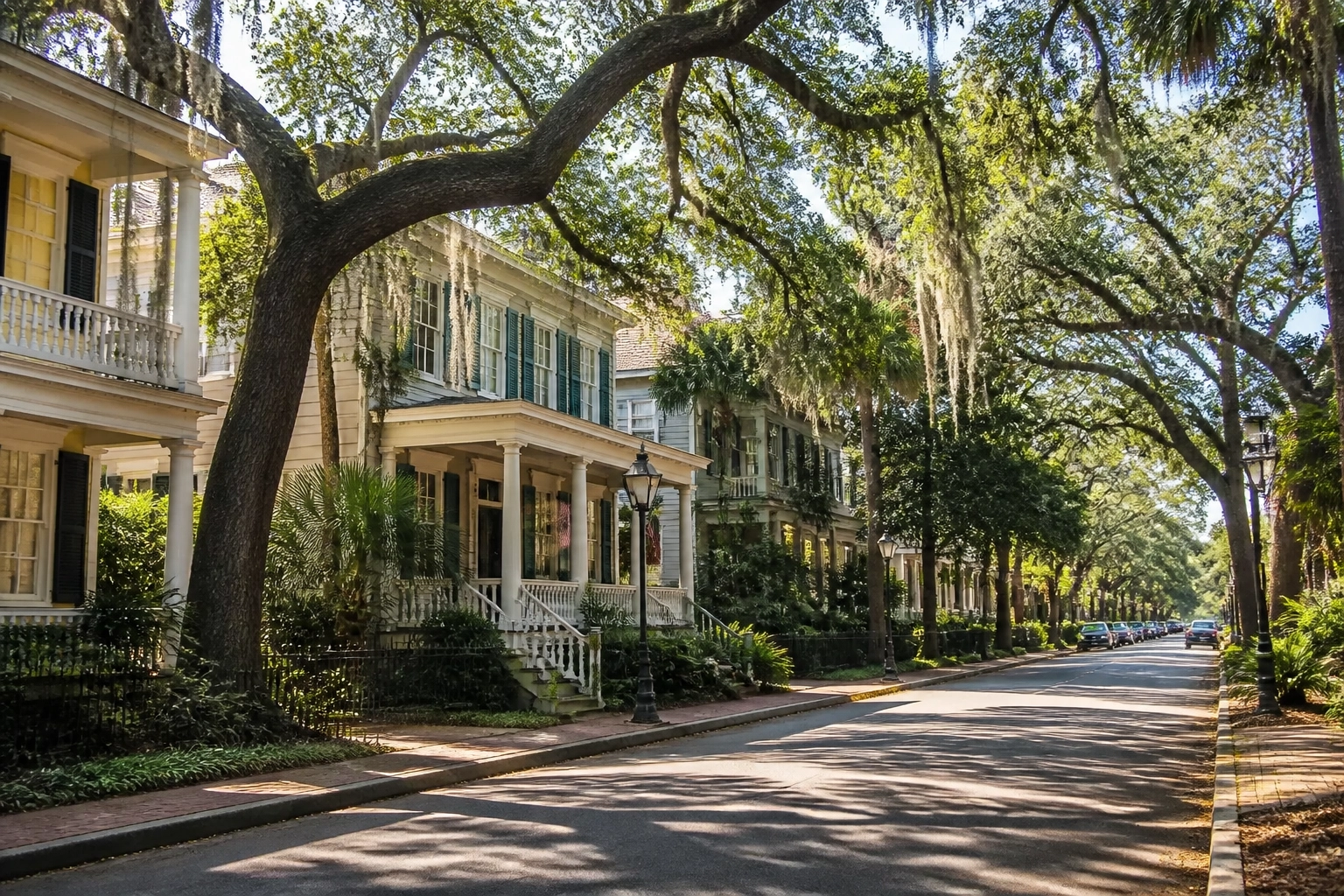
For many aspiring real estate investors in Savannah, Georgia, the question isn’t whether they can find a deal, the Hostess City is teeming with historic gems and mid-century bungalows ripe for renovation. Instead, the anxiety centers on the credit score. If your FICO hasn't recovered from a past life event, or if you've been aggressively using your credit to scale a business, you might feel sidelined by the rigid underwriting of traditional banks.
However, the reality of fix-and-flip financing is fundamentally different from primary residence lending. In the world of high-velocity real estate investing, the property often does the heavy lifting for the approval.
Institutional Rigidity vs. Strategic Flexibility
When you walk into a traditional bank in downtown Savannah looking for a renovation loan, you are being judged as a consumer. They look at your DTI (Debt-to-Income) ratio, your W-2 history, and most importantly, your credit score. If you fall below a 680 or 700, the conversation usually ends before it begins.
In contrast, specialized investment lenders, like those we work with at REI Invest Capital, view you as a business entity. We utilize Asset-Based Lending. In this framework, the credit score is a secondary factor. The primary driver of the loan is the After Repair Value (ARV) of the property and your "exit strategy."
Therefore, while a low credit score might influence the interest rate or the required down payment, it is rarely an absolute deal-breaker. If the deal makes sense on paper, there is almost always a path to funding.
The Savannah Fix-and-Flip Landscape
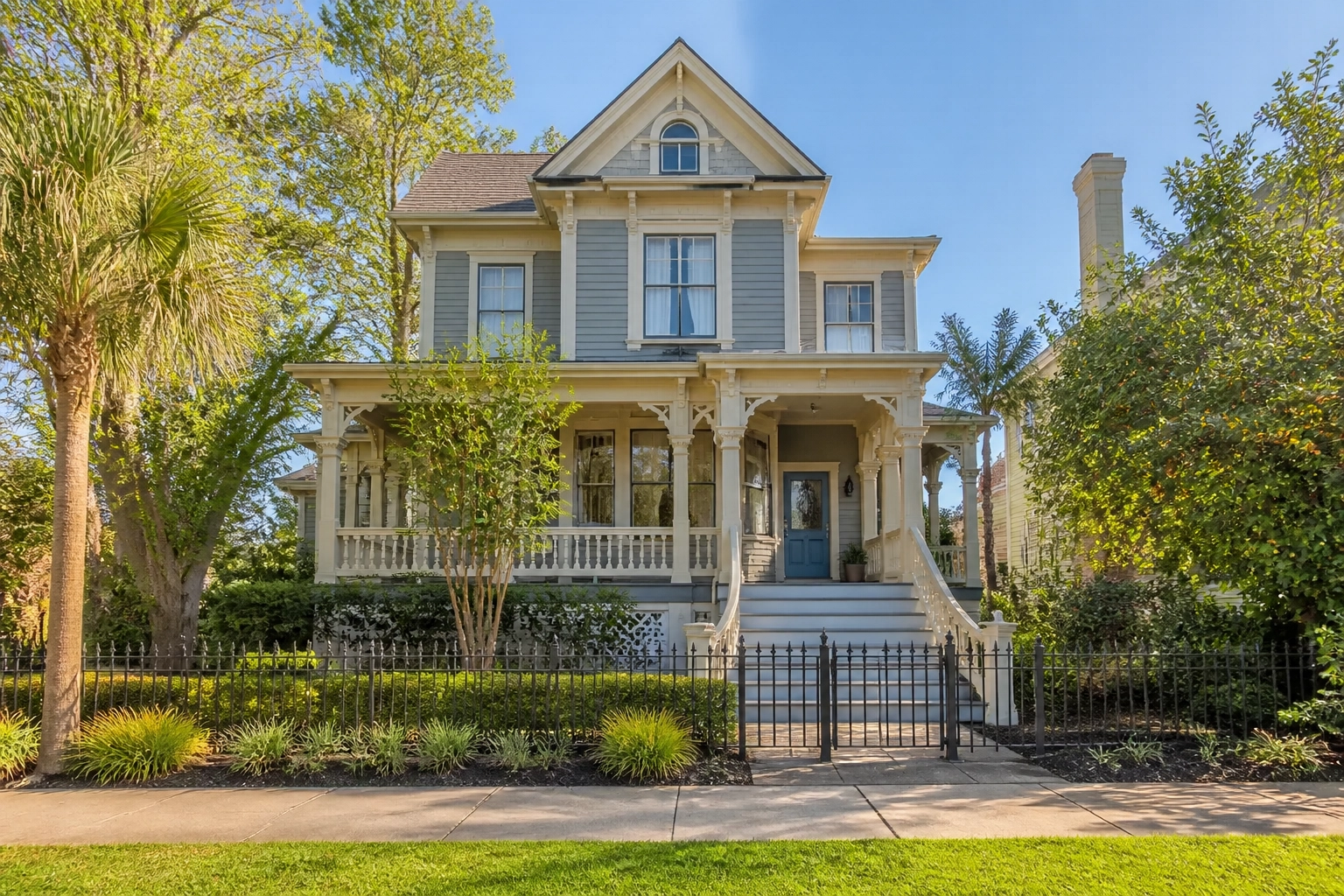
Savannah is a unique market. From the Victorian District to the emerging neighborhoods near the Starland District, investors are finding value in distressed properties that traditional buyers won’t touch.
To succeed here with a lower credit score, you must shift your focus from "borrowing money" to "financing a project." For a subprime investment loan in Georgia, the lender wants to see that the property has enough "meat on the bone" to protect their capital and ensure your profit.
Understanding the Math: A Savannah Case Study
Let’s look at a practical example. Imagine you find a distressed property in Ardsley Park for $250,000. It needs $75,000 in renovations, and the ARV is projected at $450,000.
The Traditional Hurdle:
A bank might see your 620 credit score and deny the application based on "credit risk," regardless of the $125,000 in potential equity.
The Strategic Solution:
An asset-based bridge loan focuses on the LTV (Loan-to-Value) or LTC (Loan-to-Cost). For an investor with a subprime credit profile, the terms might look like this:
- Purchase Price: $250,000
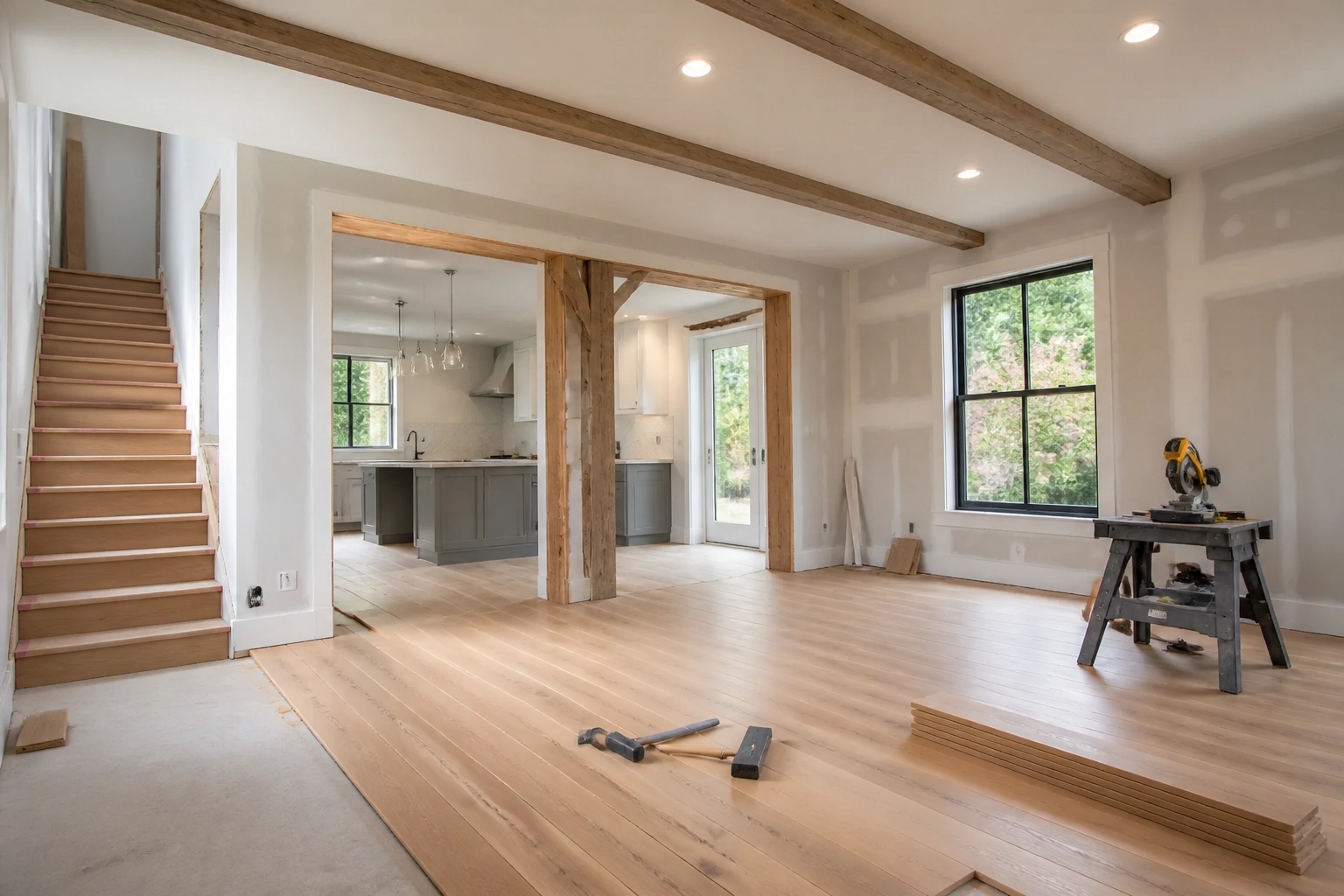
- Rehab Budget: $75,000 (100% funded in draws)
- Total Project Cost: $325,000
- ARV: $450,000
- Loan Amount (85% of Purchase + 100% of Rehab): $287,500
- Down Payment Required: $37,500 (plus closing costs)
By securing the loan against the property's future value, the credit score becomes a variable in the interest rate, perhaps 11% or 12% instead of 8%, but the deal gets done. As we discussed in our guide on estimating rehab costs, accuracy in your numbers is your greatest protection when your credit isn't perfect.
Why Credit Isn't the Only Metric
Lenders who specialize in "broken" credit scenarios look for compensating factors. If you are a credit-challenged investor in Georgia, you can offset a low FICO score by demonstrating:
- Experience: Have you completed a flip before? Even one successful exit can outweigh a mediocre credit score.
- Skin in the Game: If you can bring a slightly higher down payment to the table (e.g., 20% instead of 10%), you lower the lender's risk significantly.
- A Solid Team: Having a licensed contractor with a proven track record in Savannah can provide the lender with the confidence they need to overlook a credit dip.
- Liquidity: Sometimes, showing six months of interest payments in a bank account is more valuable to a lender than a 740 FICO score.
Moreover, using bridge loans allows you to close quickly, which is essential in a competitive market like Georgia where "cash is king."
Strategic Structuring: Think Like an Owner
As a business consultant, I often tell clients that a low credit score is a "timing problem," not a "terminal problem." The goal of your first fix-and-flip should be twofold: generate profit and rebuild your financial profile.
By successfully executing a project using a subprime investment loan, you create a track record. This track record allows you to graduate to lower-interest programs, such as bank statement loans, which are perfect for self-employed investors who may not show high income on their tax returns.
The Cost of Waiting vs. The Cost of Capital
Many investors wait years for their credit score to hit a specific "magic number" before they start. Thus, they miss out on years of appreciation and market experience.
In Savannah, property values have shown consistent resilience. If you pay 2% more in interest because of your credit score, but that 2% allows you to capture $100,000 in equity, the "expensive" money was actually the most profitable tool in your arsenal. This is the essence of "thinking like an owner", prioritizing asset growth over minor interest expense.

Frequently Asked Questions
What is the minimum credit score for a fix-and-flip loan in Georgia?
While every lender is different, many asset-based lenders can work with scores as low as 600. Some "hard money" lenders may even go lower or ignore the score entirely if the down payment is substantial (30–40%) and the property value is unquestionable.
Does a low credit score mean I need more money down?
Generally, yes. A lender views a lower credit score as an increased risk. To balance that risk, they may ask the borrower to put more "skin in the game." While a prime borrower might get 90% leverage, a subprime borrower might be capped at 75% or 80% of the purchase price.
Can I use a partner with better credit?
Absolutely. Real estate is a team sport. Bringing in a "credit partner" as a co-borrower or as a member of your LLC can help you secure better terms. However, ensure your operating agreement clearly defines the roles and equity split.
How do I start if my credit is very low (under 550)?
In this scenario, you might focus on "wholesaling" to build up cash reserves or look for "seller financing" opportunities in neighborhoods around Savannah where owners may be willing to carry the note. Once you have more liquid capital, your credit score becomes less of an obstacle for alternative lenders.
Taking the Next Step in Savannah
If you’ve found a property in Savannah but are worried your credit will hold you back, don't self-select out of the market. The difference between a stalled portfolio and a thriving one is often just a matter of choosing the right financing strategy. We specialize in the "complex" deals, the ones that require a mentor-advisor approach rather than a simple computer-generated "yes" or "no."
Contact: Ebonie Beaco, Loan Officer (NMLS #2389954)
Phone: 312-392-0664
Website: www.HomeLoansNetwork.com
Powered by Loan Factory, Inc. (NMLS #320841)
Disclaimer: This content is for educational purposes only and does not constitute a loan approval or commitment. Loan programs, terms, and eligibility requirements are subject to change and vary by borrower and property.