Building Wealth in Virginia: Ground-Up Construction Loans Explained
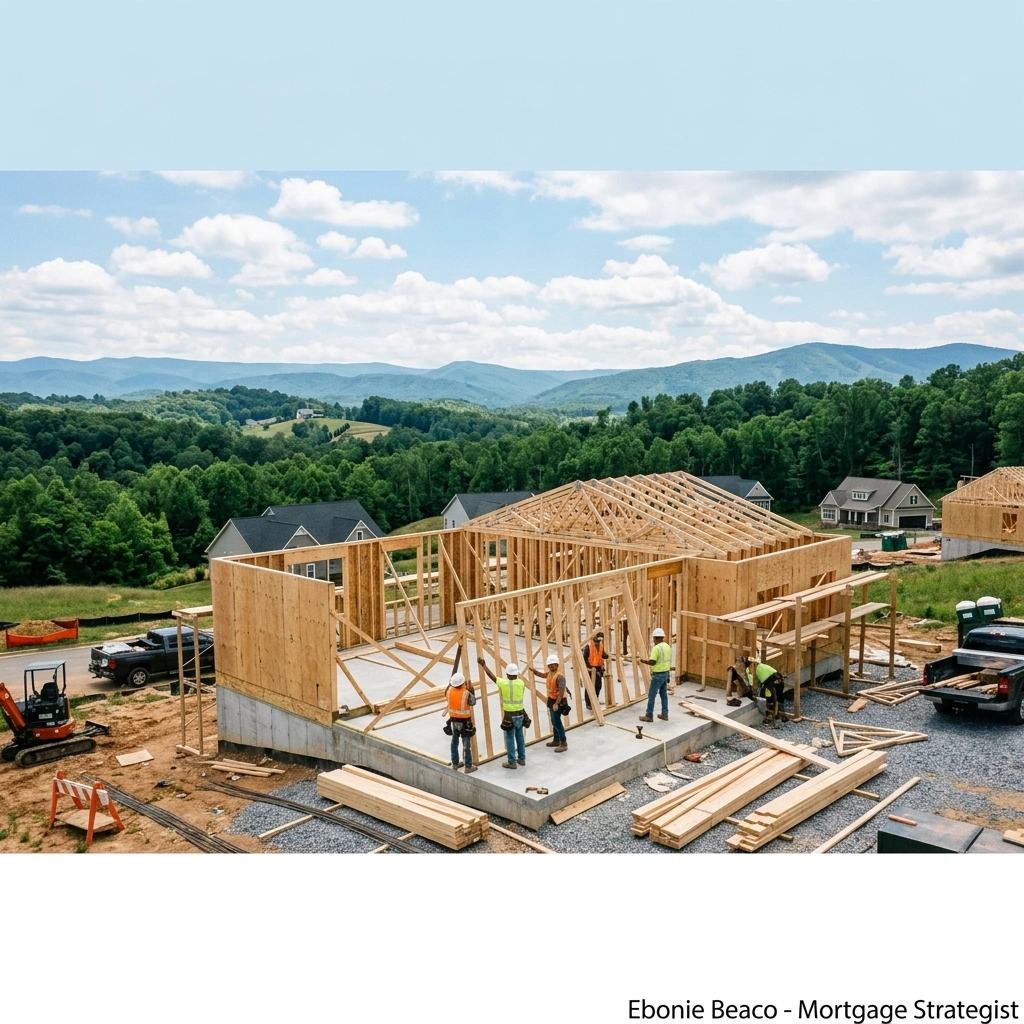
Building from the floor up is a unique strategy that allows real estate investors to create equity where none existed before. In the Virginia real estate market, from the bustling streets of Richmond to the expanding suburbs of Northern Virginia, ground-up construction is becoming a go-to method for scaling a portfolio.
Ground-up construction financing is a specialized loan product designed to fund the entire lifecycle of a build, starting with land acquisition and moving through the vertical construction phases. Unlike a traditional mortgage used to purchase an existing home, these loans are structured to provide capital in stages, often referred to as "draws."
Explore how this financing works and why it is a cornerstone for building long-term wealth in the Old Dominion.
Defining Ground-Up Construction Financing
To understand how to leverage these tools, you need to understand the terminology.
Ground-Up Construction Loan A short-term financing solution used to fund the purchase of land and the subsequent costs of building a new structure. Practical Application: Investors use this to bypass the limitations of buying old, dilapidated inventory by creating modern, high-demand rental or resale units.
LTC (Loan-to-Cost) A ratio used by lenders to determine the amount of financing provided based on the total cost of the project (land + construction). Practical Application: If your total project cost is $500,000 and the lender offers 85% LTC, you receive $425,000 in funding.
ARV (After-Repair Value) The estimated market value of a property once the construction is fully completed. Practical Application: Lenders often cap their total exposure at 70% to 75% of the ARV to ensure there is enough equity protection.
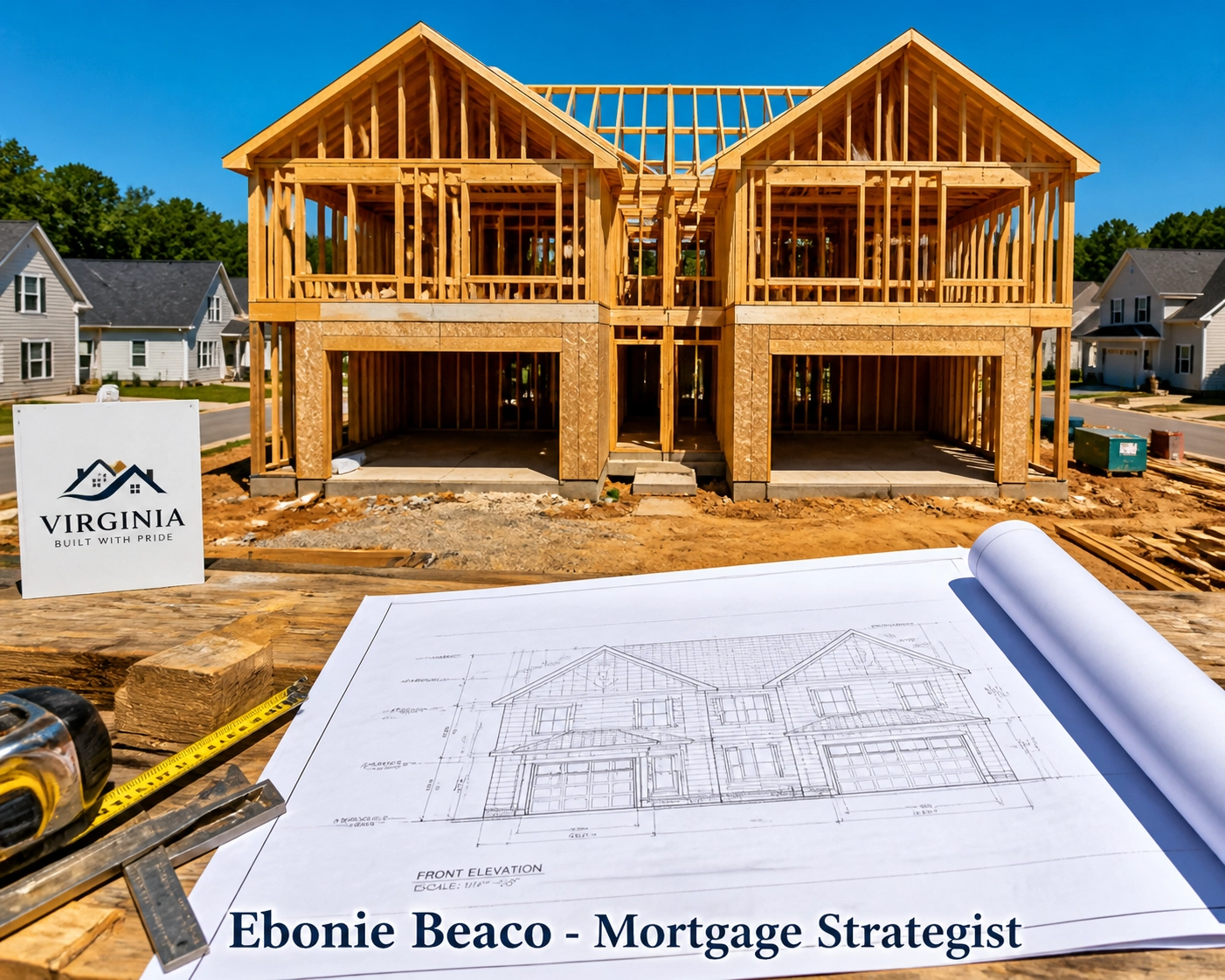 Visual: A vibrant, borderless image showing a modern architectural blueprint overlaid on a bright, active construction site with a clean Virginia backdrop.
The Case Study: Developing a Modern Duplex in Richmond
Let’s look at how a small developer in Richmond used ground-up financing to maximize their returns. This developer identified a vacant lot in an up-and-coming neighborhood near the VCU campus.
The Scenario:
- Land Acquisition: $120,000
- Vertical Construction Costs: $380,000
- Total Project Cost: $500,000
- Projected ARV: $725,000
The developer secured a Virginia investment property loan specifically for ground-up construction. The lender provided 85% of the total cost ($425,000). The developer contributed $75,000 (15%) of their own capital.
The loan was structured as a 12-month interest-only bridge loan. During the build, the developer only paid interest on the funds actually disbursed. When the land was purchased, interest was paid on $120,000. As the framing was completed and the roof went on, the interest payments scaled as more capital was "drawn" from the loan.
Upon completion, the duplex was appraised at $735,000, slightly higher than projected. The developer then used a DSCR rental property loan to pay off the construction loan and hold the property as a long-term rental, effectively "recycling" their capital for the next build.
Why Investors Choose Ground-Up Over Fix-and-Flip
While fix-and-flip projects are popular, they often come with hidden "surprises" behind old walls, mold, structural issues, or outdated wiring. Ground-up construction offers a level of predictability and quality control that renovations cannot match.
1. Modern Efficiency
New builds attract high-quality tenants because they feature modern layouts, energy-efficient appliances, and smart home technology. This reduces long-term maintenance costs and increases the property's desirability in the Virginia rental property financing market.
2. Custom Equity Creation
When you build a property, you aren't paying for someone else's profit margin. You are creating the asset at cost. This often results in a higher equity position upon completion compared to buying a stabilized asset.
3. Streamlined Capital
Virginia bridge loans for real estate investors are often used for ground-up projects because they allow for quick closings. In competitive markets like Richmond or Virginia Beach, being able to close on a lot in 10 to 14 days can be the difference between winning and losing a deal.
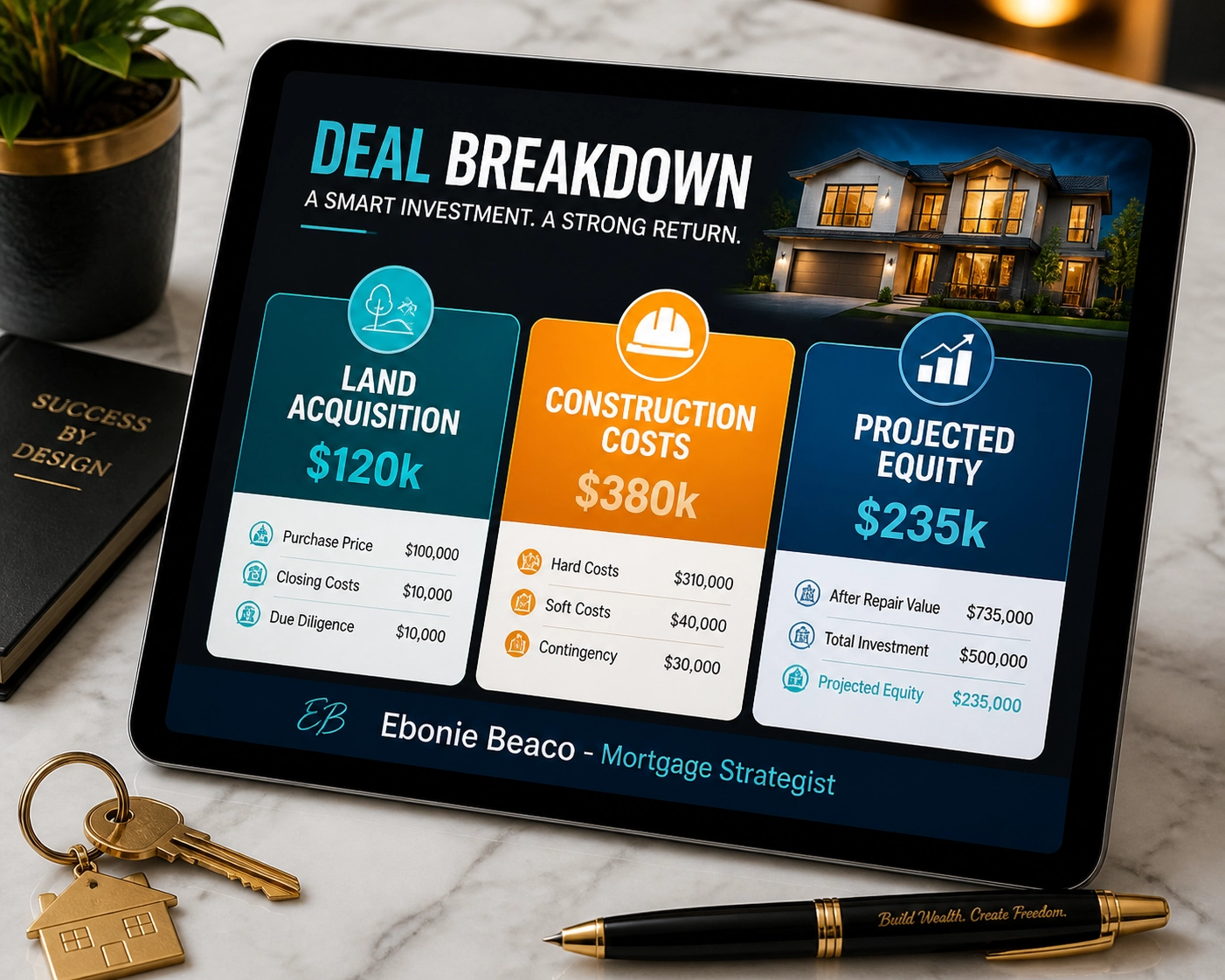 Visual: A professional financial chart showing a deal breakdown for a $500,000 build: Land Cost ($120k), Construction ($380k), Loan Amount ($425k), and Expected Equity ($235k).
Understanding the "Draw" Process
One of the most transparent aspects of ground-up financing is the draw schedule. You do not receive $500,000 in your bank account on day one. Instead, the loan process follows a strict schedule of milestones.
- Foundation Draw: Funding released once the site is cleared and the slab is poured.
- Framing Draw: Funding released once the structure is "dried in" (roof and windows installed).
- Mechanical Draw: Funding for plumbing, HVAC, and electrical systems.
- Finish Draw: Funding for drywall, paint, flooring, and landscaping.
Lenders send an inspector to the site before each draw is released to verify that the work has been completed according to the plans. This protects both the lender and the investor, ensuring that the project stays on track and the funds are used appropriately.
Qualification Requirements for Virginia Investors
Securing Virginia investment property loans for new construction requires more documentation than a standard residential loan. Lenders want to see that the project is viable and that the "team" is capable.
- Builder Experience: Most lenders require you to have completed at least 1 to 3 prior projects, or you must hire a licensed General Contractor (GC) with a proven track record.
- Project Plans: You will need a full set of architectural plans, a line-item budget, and a construction timeline.
- Credit Profile: While these are asset-based loans, a credit score of 680 or higher typically unlocks the best interest rates and higher leverage.
- Liquidity: You must show that you have the cash on hand to cover the down payment and at least 3 to 6 months of interest payments.
Strategy: Scaling with the BRRRR Method
The BRRRR method (Buy, Rehab, Rent, Refinance, Repeat) works exceptionally well with ground-up construction. In this context, the "Rehab" is simply the build itself.
By building a duplex or a small multi-family property in Virginia, you create a high-value asset. Once the certificate of occupancy is issued, you can transition into a fixed-rate mortgage or a long-term investor loan. This allows you to pull out your initial capital and move on to the next construction project.
Jump in and analyze your next deal. If you are looking at a vacant lot in Norfolk or a teardown in Arlington, understanding your financing options is the first step toward a successful build.
 Visual: A vibrant, borderless photo of a newly finished modern residential building in an urban Virginia setting, highlighting clean lines and high-end finishes.
Frequently Asked Questions
Can I use a ground-up loan for a primary residence? Typically, the loans discussed here are for non-owner-occupied investment properties. If you intend to live in the home, you would likely look at a conventional construction-to-perm loan.
Do these loans cover the cost of the land? Yes. Most ground-up programs allow you to wrap the land purchase into the total loan amount, provided the total LTC stays within the lender's guidelines.
What are the typical interest rates? Because these are higher-risk, short-term loans, rates are generally higher than standard 30-year mortgages, often ranging from 9% to 12% depending on your experience level and the project's complexity.
Accessing the right capital is the most important part of any development project. Whether you are a seasoned developer or an investor looking to take your first step into new construction, the Virginia market offers incredible opportunities for those who know how to navigate the financing landscape.
From the ground up, we’ve got you covered. Contact Ebonie Beaco to fund your Virginia build.
Schedule a 1 on 1 at https://calendly.com/homeloansnetwork
Ebonie Beaco Mortgage Strategist | Senior Loan Officer Home Loans Network powered by Loan Factory Inc. NMLS #2389954 HomeLoansNetwork.com 312-392-0664