Why Everyone Is Talking About HELOC Debt Consolidation Right Now (And You Should Too)

High interest rates on credit cards and personal loans are quietly draining the wealth of homeowners across the country. As of early 2026, the gap between unsecured debt interest and home equity rates has reached a point where ignoring it is a calculated financial loss.
If you own a home in Alabama, Florida, or Illinois, you are likely sitting on a significant amount of equity. This equity is not just a number on a real estate website; it is a tool that can be used to restructure your entire financial profile.
Homeowners from Virginia to California are moving away from high-interest monthly obligations and toward a more streamlined, cost-effective solution: the HELOC.
The Financial Pressure Point: Why Now?
The economic landscape in 2026 has created a unique set of circumstances. While inflation has stabilized in some sectors, the cost of carrying consumer debt remains aggressive. Most credit card APRs are hovering well above 22%, while personal loans for even well-qualified borrowers can exceed 15%.
By comparison, a Home Equity Line of Credit (HELOC) offers a significantly lower interest rate because the loan is secured by your property. For a homeowner in Missouri or Michigan, this difference in interest can translate to hundreds, or even thousands, of dollars saved every month.
Accessing these funds allows you to pay off those high-interest balances in full, replacing multiple stressful bills with one single, manageable payment at a fraction of the cost.
HELOC: A Clear Definition
HELOC (Home Equity Line of Credit): A revolving credit line secured by the equity in your home that allows you to borrow, repay, and borrow again during a set timeframe. Practical Application: Homeowners use this like a high-limit credit card with a much lower interest rate to fund large expenses or consolidate debt.
CLTV (Combined Loan-to-Value): The ratio of all loans on a property compared to the total appraised value of the home. Practical Application: Lenders use this to determine how much equity you can actually pull out of your house while still maintaining a safety cushion.
Draw Period: The initial phase of a HELOC (typically 10 years) during which you can access funds and often make interest-only payments. Practical Application: This period provides maximum flexibility for managing cash flow while you focus on aggressive debt reduction.

Comparing the Cost of Debt
To understand why this strategy is gaining momentum, you have to look at the raw numbers. Let’s examine a typical scenario for a homeowner in a market like Chicago or Atlanta who has accumulated a mix of high-interest debt.
The Standard Debt Scenario
- Credit Card A: $15,000 balance at 24.99% APR.
- Credit Card B: $10,000 balance at 22.50% APR.
- Personal Loan: $20,000 balance at 16.00% APR.
- Total Debt: $45,000.
- Estimated Monthly Payment: Approximately $1,350 (mostly interest).
The HELOC Consolidation Scenario
- Consolidated Amount: $45,000.
- HELOC Interest Rate: 9.5% APR.
- New Monthly Payment (Interest-Only Option): Approximately $356.
- New Monthly Payment (Amortized over 20 years): Approximately $419.
By choosing a HELOC through an Alabama HELOC lender or a Missouri HELOC lender, this homeowner could reduce their monthly outflow by nearly $1,000. That is $1,000 that can be redirected toward the principal balance, retirement savings, or property improvements.
Explore your options with our mortgage calculators to see how these numbers apply to your specific situation.
The Strategy Behind Debt Consolidation
Consolidating debt is not just about moving money around; it is about changing the math of your liabilities. When you use a HELOC to pay off credit cards, you are performing an "interest rate arbitrage." You are replacing expensive money with cheap money.
Improving Your Credit Profile
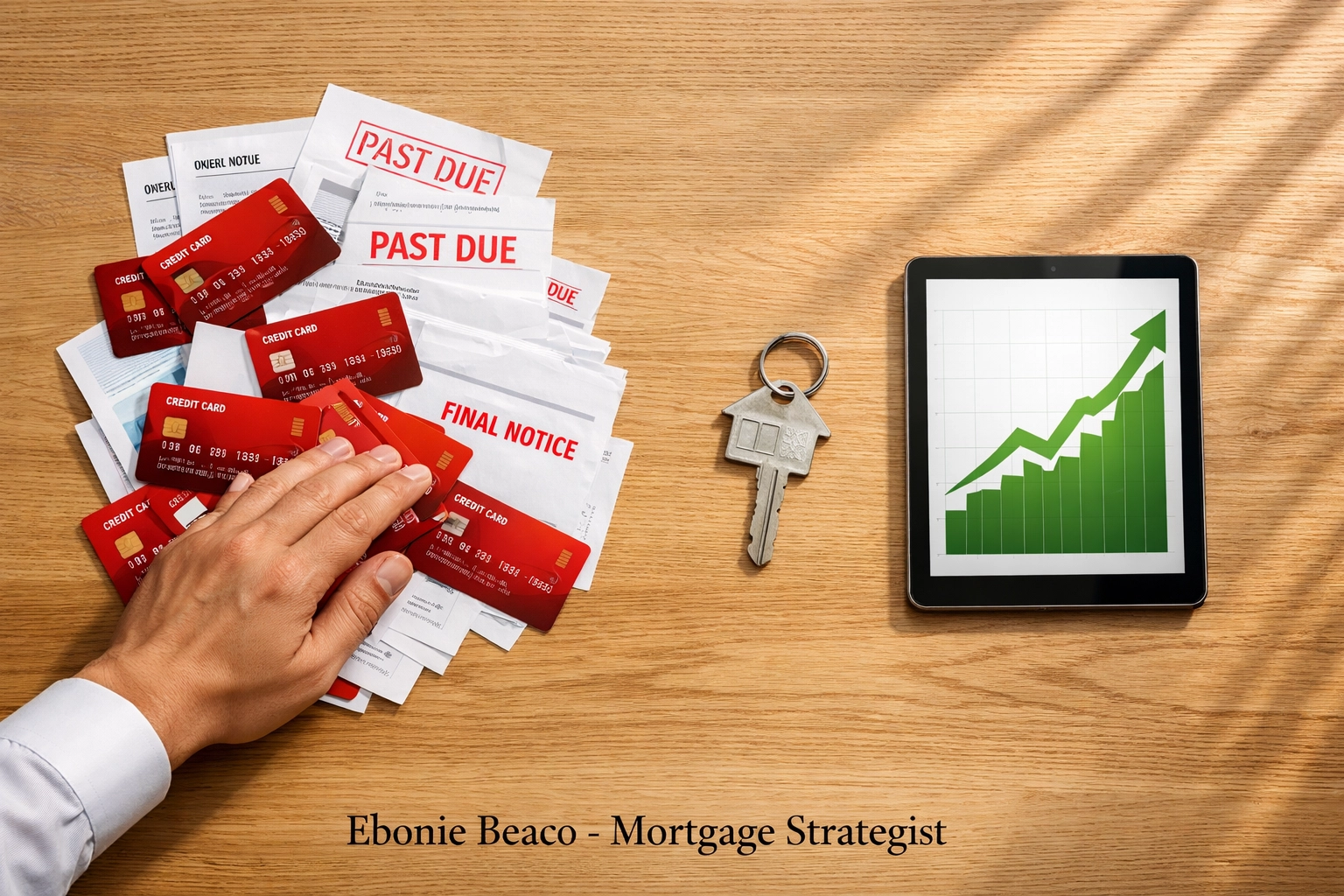
One of the most overlooked benefits of HELOC debt consolidation is the impact on your credit score. Credit cards are "revolving" debt, and high utilization on these cards (using more than 30% of your limit) can significantly lower your score.
When you pay off those cards with a HELOC, your credit card utilization drops to zero. While a HELOC is also a revolving line, credit scoring models often treat it differently than a stack of maxed-out credit cards. This move can provide a swift boost to your credit health, making you more attractive for future financing or investment opportunities.
Maintaining Financial Flexibility
Unlike a standard cash-out refinance, a HELOC allows you to only pay interest on what you actually use. If you have $100,000 in equity available but only need $40,000 to clear your debts, you don't pay interest on the remaining $60,000. It stays there as a safety net for future use.
Jump in and learn more about the loan process to understand how quickly you can access these funds.
Regional Insights: From the Midwest to the South
Home Loans Network operates across a diverse range of markets, and the benefits of a HELOC vary slightly based on local property trends.
- Florida and Georgia: Property values have seen sustained growth, giving homeowners a deep pool of equity to draw from. Many investors in cities like Miami or Atlanta use HELOCs as a "bridge" to fund renovations on rental properties while consolidating personal liabilities.
- Illinois and Indiana: In markets like Chicago, homeowners often use equity to manage the higher cost of living or to consolidate student loan debt alongside traditional credit card balances.
- Virginia and Kentucky: We see many families using the HELOC strategy to prepare for major life transitions, such as tuition payments, while cleaning up their balance sheets.
- Arkansas and Alabama: Homeowners often find that working with a local Alabama HELOC lender allows them to tap into equity that has built up quietly over the last several years of steady market appreciation.
Regardless of where you are, the fundamental goal remains the same: use the asset you already own to eliminate the debt that is holding you back.
Is Your Equity Working for You?
Many homeowners are "house rich and cash poor." They have $200,000 in equity but are struggling to pay a $500 monthly credit card bill. This is an inefficient use of capital.
A transparent approach to mortgage lending means acknowledging that your home is your largest financial asset. Keeping that asset locked away while paying high interest elsewhere does not serve your long-term goals.
The Risk Factor
It is important to be transparent: a HELOC uses your home as collateral. This means you must have a disciplined plan to pay down the line of credit. At Home Loans Network, we guide you through creating a repayment strategy that ensures you are moving toward total financial freedom, not just shifting debt.
Access our mortgage basics guide to learn more about how equity works and how to protect your primary investment.
Moving Toward Financial Clarity
The process of consolidating debt doesn't have to be complex. It starts with a simple evaluation of your current home value and your existing mortgage balance.
Debt-to-Income (DTI) Ratio: A percentage that represents the portion of your gross monthly income that goes toward paying debts. Practical Application: Consolidating high payments into a single lower HELOC payment can lower your DTI, making it easier to qualify for other investment properties or professional loans.
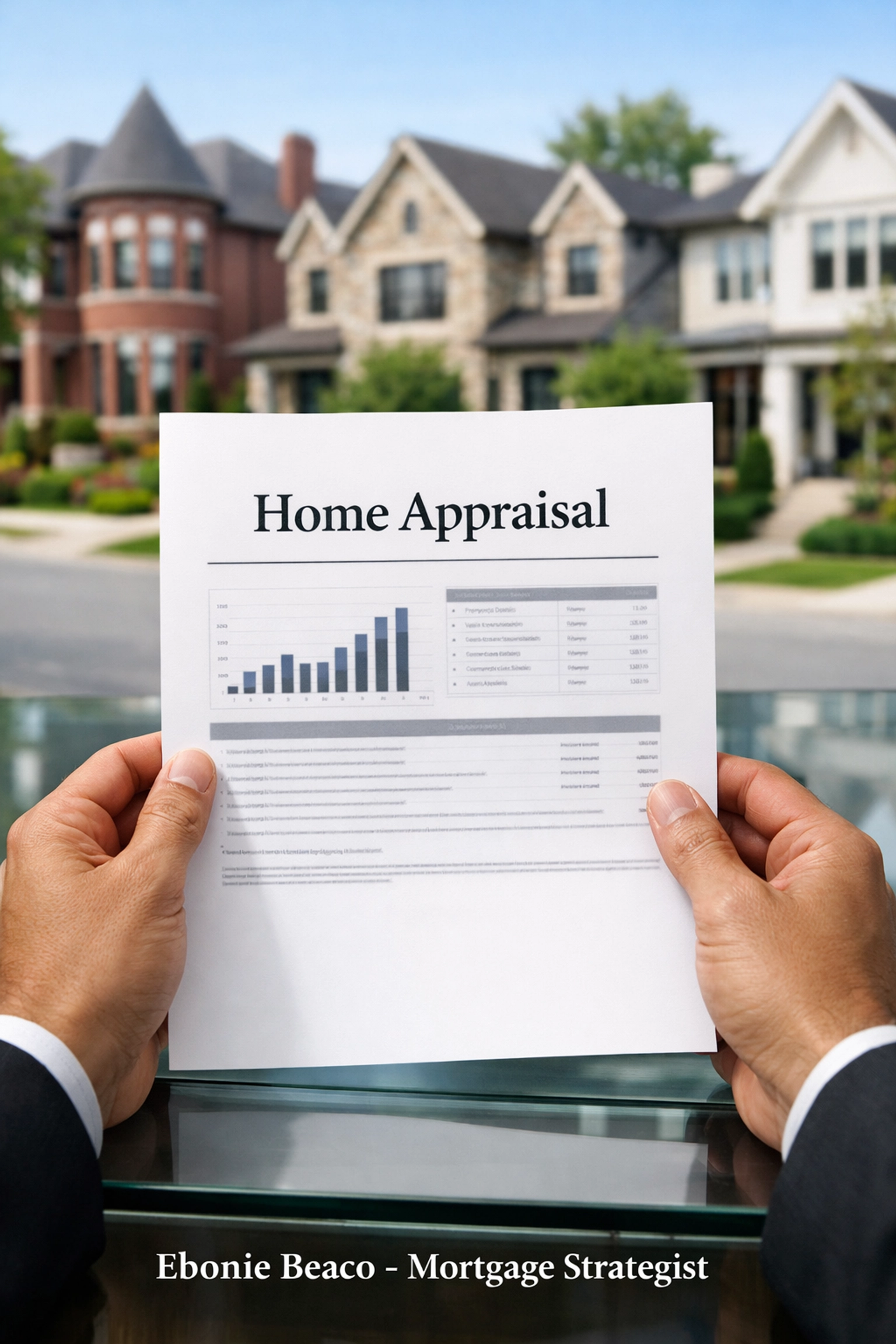
Appraisal: A professional assessment of your home’s market value. Practical Application: This is the final step that confirms exactly how much equity you can access for your consolidation plan.
Take the Next Step Toward Efficiency
If you are tired of watching your hard-earned money disappear into interest charges, it is time to look at your home equity in a new light. Whether you are a homeowner in Michigan or an investor in California, the math remains the same: lower interest equals faster wealth building.
We are here to help you compare options and guide you clearly through the selection of the right equity product. Our team understands the nuances of the markets in Alabama, Arkansas, California, Florida, Georgia, Illinois, Indiana, Kentucky, Michigan, Missouri, and Virginia.
Schedule a 1 on 1 at https://calendly.com/homeloansnetwork
Ebonie Beaco Mortgage Strategist | Senior Loan Officer Home Loans Network powered by Loan Factory Inc. NMLS #2389954 HomeLoansNetwork.com 312-392-0664
Stop letting high-interest debt dictate your monthly budget. Access your equity, streamline your payments, and start building the financial future you deserve. Compare your options today by visiting our about us page to see how we prioritize transparency in every transaction.