Why Everyone Is Talking About Equity Trends in FL, GA, and AL (And You Should Too)

Home equity has become the centerpiece of financial conversations as we move through the spring of 2026. If you own property in the Southeast, you are likely sitting on a significant amount of untapped wealth. While national headlines often focus on broad trends, the real story lives in the specific market dynamics of Florida, Georgia, and Alabama.
Property values in these regions have maintained a steady upward trajectory. This growth is driven by a unique mix of migration patterns, corporate relocations, and a persistent shortage of housing supply. For homeowners and real estate investors, understanding these trends is the first step toward leveraging your property to build long term wealth.
The Southeast Migration Surge
Florida continues to lead the nation as a primary destination for relocation. Recent data shows that approximately 27 percent of people moving into Florida homes in the last year arrived from other states. This constant influx of new residents creates a floor for property values and keeps demand high even when interest rates fluctuate.
In Georgia, the market is transitioning into a more balanced state. Housing inventory has increased to between 3.5 and 6 months of supply in many areas. This shift allows for more predictable appreciation rather than the volatile spikes seen in previous years.
Alabama presents a compelling case for equity growth in secondary markets. The expansion of the aerospace and defense sectors in areas like Huntsville and Madison is driving a new wave of professional migration. Household formation in these regions is currently outperforming new construction, which naturally pushes property values higher over time.
Defining Key Financial Terms
HELOC (Home Equity Line of Credit)
A revolving line of credit that allows a homeowner to borrow against the equity in their home. You can draw from the line as needed and only pay interest on the amount you actually use.
Equity
The difference between the current market value of your property and the outstanding balance of all liens on that property.
LTV (Loan to Value)
A ratio used by lenders to determine the risk of a loan. It is calculated by dividing the total loan amount by the appraised value of the property.
DSCR (Debt Service Coverage Ratio)
A metric used to qualify investment properties based on the rental income generated by the property rather than the personal income of the borrower.
Understanding the Equity Opportunity in 2026
The current market environment offers a unique window for those looking to access capital. Whether you are a homeowner looking to renovate or an investor looking to scale your portfolio, the equity in your primary residence or rental properties can serve as a powerful tool.

Explore the differences between a standard cash out refinance and a Home Equity Line of Credit (HELOC). A cash out refinance replaces your existing first mortgage with a new, larger loan. A HELOC, however, functions as a second mortgage, leaving your original low interest rate on the first mortgage untouched.
Accessing this equity does not require selling your home. Instead, you can use a HELOC to fund the down payment on a new investment property, cover renovation costs for a fix and flip project, or consolidate high interest debt.
Strategic Market Spotlights
Florida: The Appreciation Powerhouse
Cities throughout Florida are seeing a normalization of market conditions. With mortgage rates easing toward the 6 percent range, existing home sales are forecast to rise significantly this year. This activity supports steady equity gains for long term holders.
Georgia: The Inventory Balance
In markets like Columbus, Georgia, inventory remains limited despite the national trend toward more supply. This scarcity makes Georgia an ideal location for buy and hold investors who prioritize equity stability.
Alabama: The Rental Demand Leader
Alabama has seen a 4.2 percent year over year increase in rental demand within its Tier 2 cities. This demand directly supports property values. If you are working with an Arkansas HELOC lender or looking at properties near the Alabama border, you can see how these regional trends cross state lines to create broad investment opportunities.
A Practical Example of Equity Access
Let's look at a typical scenario for a homeowner in a growing market like Chicago or a suburb in Virginia. If you purchased a home several years ago, your equity has likely grown through both mortgage paydown and market appreciation.
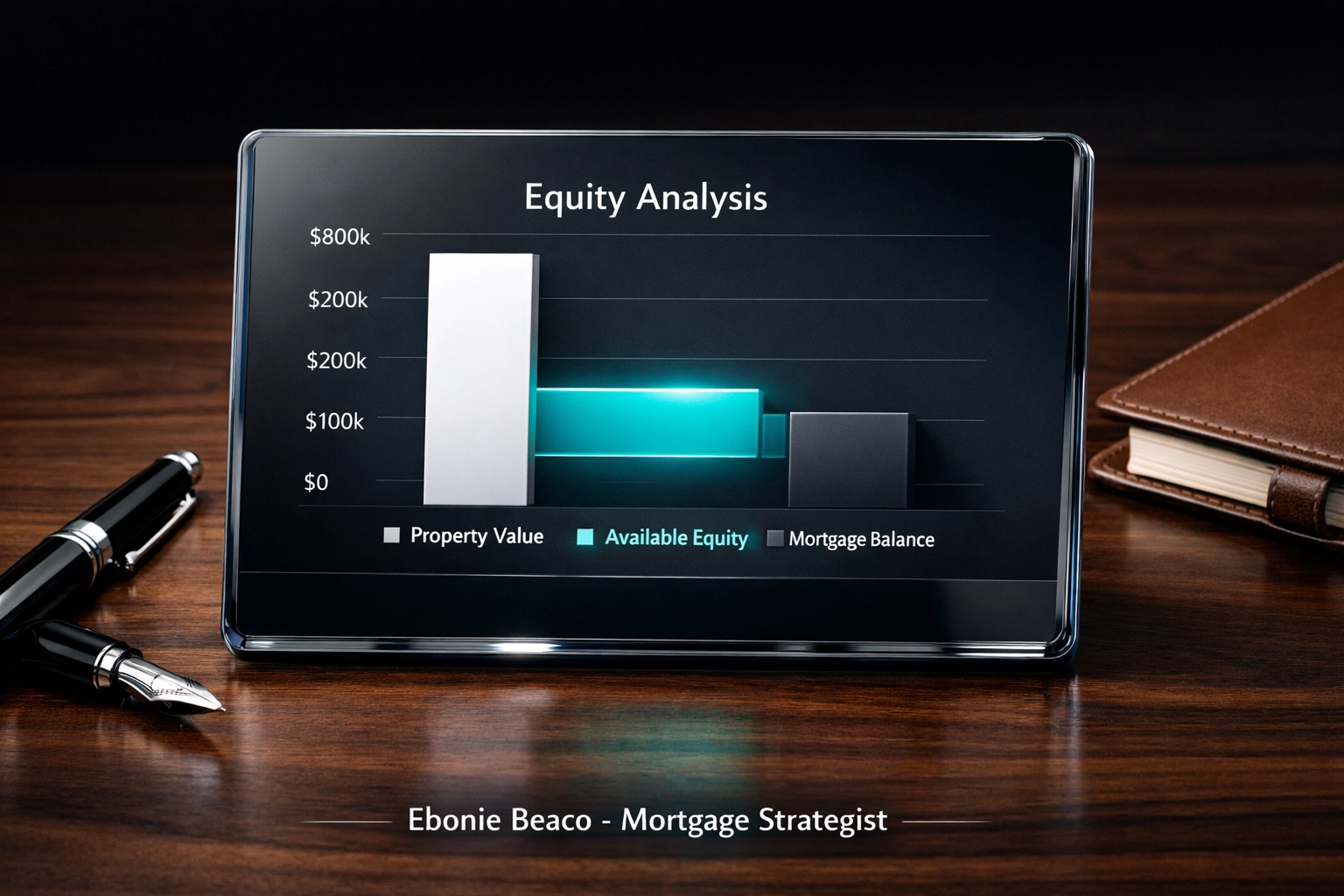
Home Equity Calculation Example:
- Current Market Value: $500,000
- Current Mortgage Balance: $280,000
- Max Loan-to-Value (85%): $425,000
- Available Equity for HELOC: $145,000
In this example, the homeowner could potentially access a line of credit for $145,000. This capital can be used as a "ready reserve" for future investments. If you are searching for an Illinois HELOC lender, this type of calculation is the standard starting point for determining your borrowing power.
Financing Strategies for Real Estate Investors
Investors are increasingly using equity from their primary residences to fund DSCR rental property loans. The DSCR loan is a favorite among professional landlords because it focuses on the property's ability to pay for itself.
If the rental income of a property exceeds the monthly mortgage payment (including taxes, insurance, and HOA fees), the loan can often be approved regardless of the investor's personal debt to income ratio. This strategy allows for faster scaling of a real estate portfolio.
Jump in and compare these options if you are considering the BRRRR method (Buy, Rehab, Rent, Refinance, Repeat). By using a HELOC for the initial purchase and renovation, you can acquire a distressed property, add value, and then move into long term financing like a landlord loan or a non QM mortgage.
Equity Trends Beyond the Southeast
While FL, GA, and AL are grabbing headlines, other states are showing remarkable resilience. In Michigan and Indiana, the lower cost of entry combined with steady manufacturing growth has created pockets of high equity potential.
California remains a unique market where high property values mean even small percentage gains result in massive equity growth. Homeowners in California often use HELOCs to fund ADU (Accessory Dwelling Unit) construction, which adds immediate value and potential rental income to the property.
Virginia and Kentucky are also seeing increased interest from investors looking for stability. These markets often provide a hedge against the volatility seen in more speculative regions.
Identifying the Right Financing Tool
Choosing between different loan programs depends on your specific goals. Here is a breakdown of common options:
- Cash Out Refinance: Best for long term, fixed rate access to a large sum of money.
- HELOC: Best for flexible access to funds with interest only payment options during the draw period.
- Bridge Loans: Short term financing used to "bridge" the gap between the purchase of a new property and the sale of an old one.
- Fix and Flip Loans: Specifically designed for investors who plan to renovate and sell a property within 12 to 24 months.
- ITIN Mortgage Loans: Providing paths to homeownership and investment for those without a Social Security number.
Navigating the Current Market
The key to success in 2026 is moving from a passive observer to an active participant in your financial strategy. Market conditions are shifting from a seller's dominance to a more balanced environment. This transition creates opportunities to negotiate better terms on purchases while still benefiting from the equity you have already built.
Analyze your current property value and compare it to your mortgage balance. You might be surprised by how much capital is currently "locked" in your walls. Using that capital wisely can change the trajectory of your retirement planning or your real estate business.

Whether you are a realtor structuring deals for clients or a homeowner looking to maximize your net worth, the data shows that equity is the most valuable asset in the current economy. Understanding how to access it through a trusted mortgage strategist is essential.
Explore your options and stay informed about local trends. The markets in Alabama, Arkansas, California, Florida, Georgia, Illinois, Indiana, Kentucky, Michigan, Missouri, and Virginia each offer unique paths to wealth.
Take the Next Step
Building a real estate portfolio or improving your financial position requires clear guidance and a solid plan. If you are ready to see how these equity trends apply to your specific situation, it is time to have a conversation.
Schedule a 1 on 1 at https://calendly.com/homeloansnetwork
Ebonie Beaco
Mortgage Strategist | Senior Loan Officer
Home Loans Network powered by Loan Factory Inc.
NMLS #2389954
HomeLoansNetwork.com
312-392-0664
For more information on the loan process, visit our loan process page or use our mortgage calculators to run your own numbers. You can also contact us directly for personalized loan scenario guidance.