Wholesaling Logistics 101: A Beginner's Guide to Mastering Assignment Fees and Closings
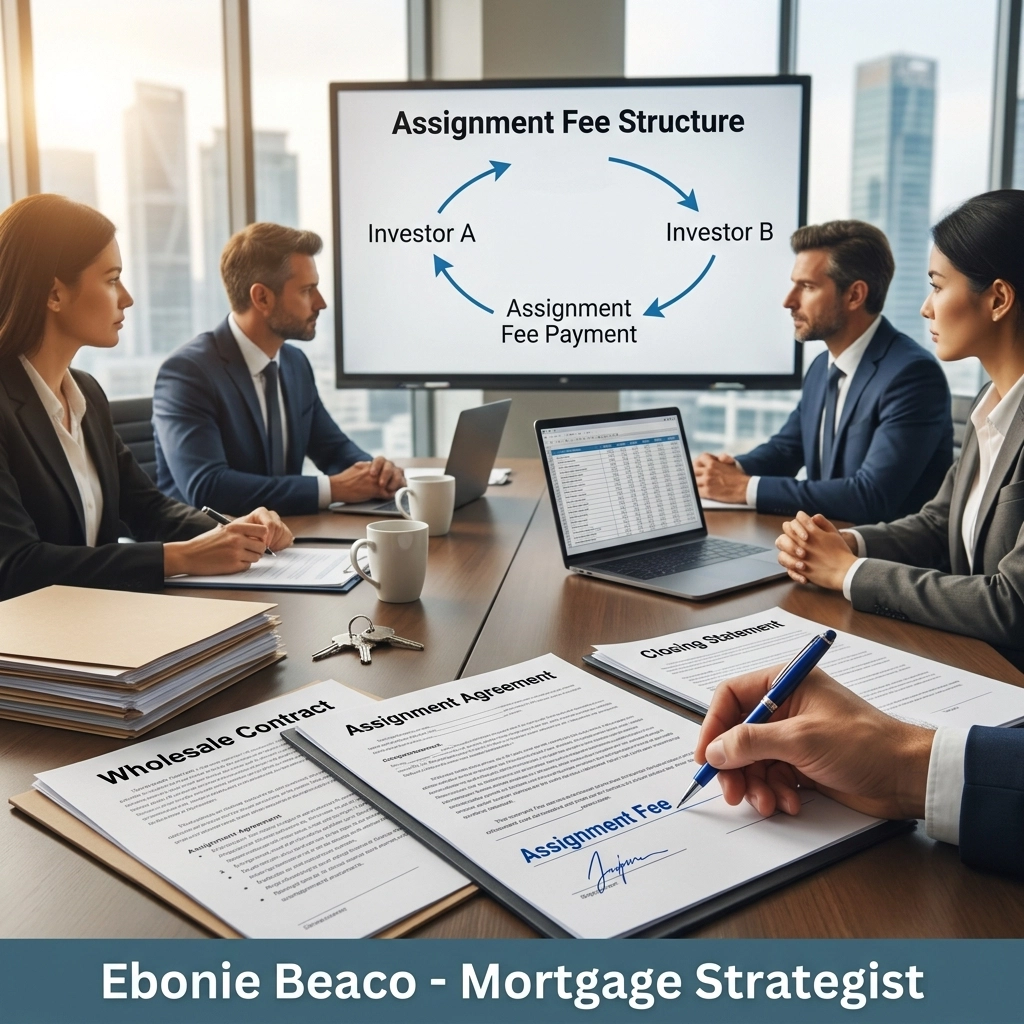
Real estate wholesaling is often described as the "entry point" for many investors.
It is a strategy where you find a distressed property, secure it under contract, and then sell the rights of that contract to another buyer for a fee.
You aren’t necessarily buying the house; you are selling the opportunity.
While the concept is simple, the logistics can get complicated if you don't understand how contracts, assignment fees, and closings work.
In this guide, we dive into the nuts and bolts of wholesaling logistics, specifically focusing on how we see deals move in high-activity markets like California, Florida, and Atlanta, Georgia.
The Foundation: Real Estate Wholesale Contracts
A wholesale deal begins and ends with the contract.
Real estate wholesale contracts are legal agreements between a seller and a wholesaler that grant the wholesaler the right to purchase the property at a specific price within a specific timeframe.
The practical application of this contract is to "lock up" the property so you can market it to your list of cash buyers.
Jump in by ensuring your contract includes an "assignment clause."
Assignment of contract is a legal provision that allows the original purchaser (the wholesaler) to transfer their rights and obligations to a secondary buyer.
Without this clause, you cannot legally assign the deal to a fix-and-flip investor or a landlord looking for their next rental.
Explore our Mortgage Basics Glossary to understand more technical terms you might encounter during the escrow process.
Mastering the Assignment of Contract
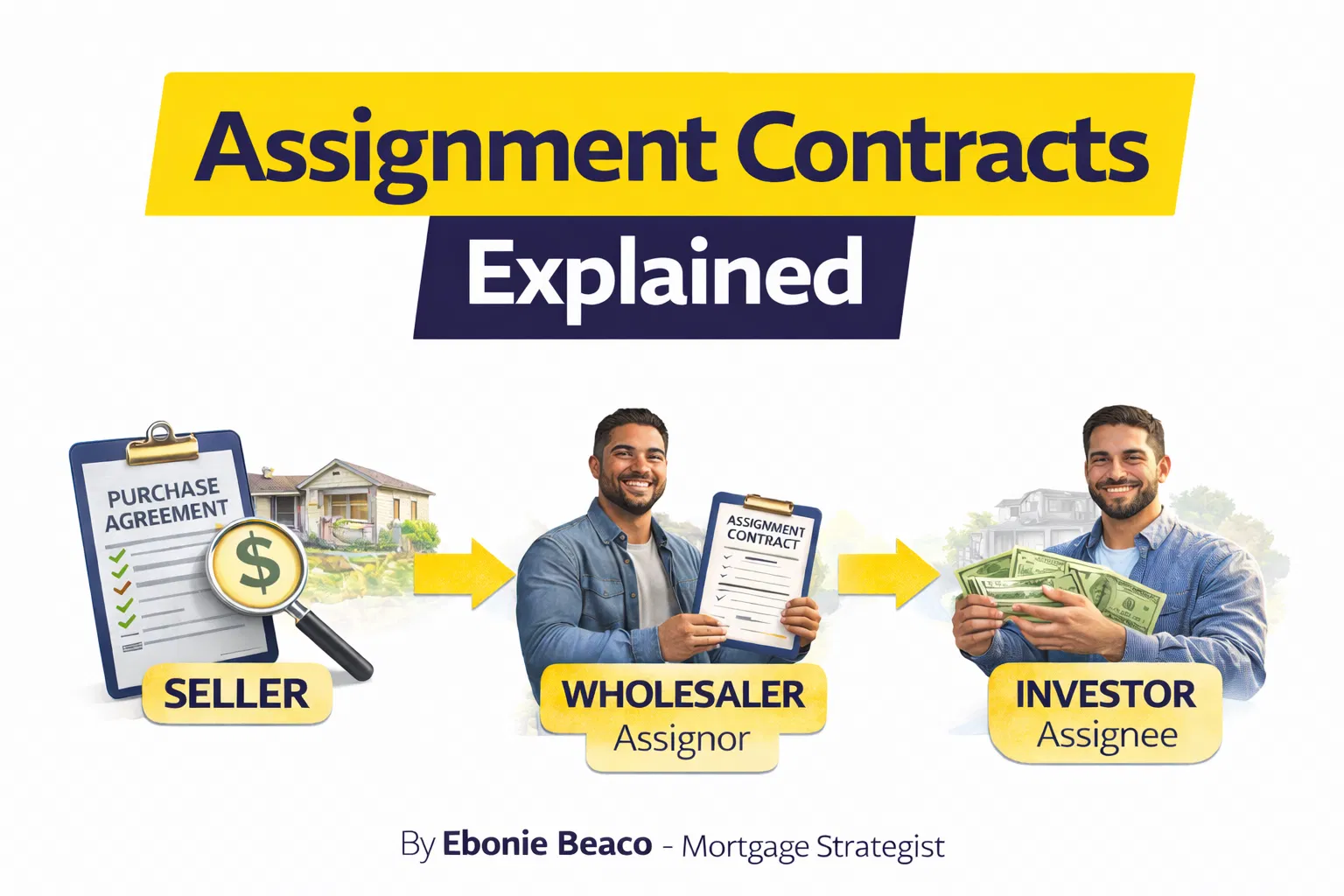
When you assign a contract, you are the Assignor, and the person buying the deal from you is the Assignee.
The Assignee steps into your shoes, takes over the purchase price you negotiated with the seller, and pays you an assignment fee for finding the deal.
Assignor: The party who holds the original contract and transfers it to another.
Assignee: The end buyer who takes over the contract and completes the purchase.
One of the most important logistics in this process is the Earnest Money Deposit (EMD).
In a standard wholesale transaction, you might put down a small EMD (e.g., $500 or $1,000) to show the seller you are serious.
When you find your buyer, you should require them to put down a non-refundable EMD that covers your initial deposit and secures their commitment to the deal.
This protects your position and ensures the deal moves toward a successful closing.
How to Calculate and Master Assignment Fees
The assignment fee is your profit.
Pricing your fee correctly is a delicate balance.
If your fee is too high, the deal won't make sense for the investor; if it’s too low, you aren't being compensated for your marketing and negotiation efforts.
Most successful wholesalers use the Maximum Allowable Offer (MAO) formula to determine what they can pay a seller while still leaving room for a fee.
MAO = (After Repair Value x 70%) – Repair Costs – Assignment Fee.
Let’s look at a practical example.
Imagine a property in Atlanta with an After Repair Value (ARV) of $300,000.
The property needs about $50,000 in renovations.
If you want to make a $10,000 assignment fee, your math looks like this:
- ARV: $300,000
- 70% Rule: $210,000
- Minus Repairs: $160,000
- Minus Assignment Fee: $150,000
In this scenario, your offer to the seller should be $150,000.
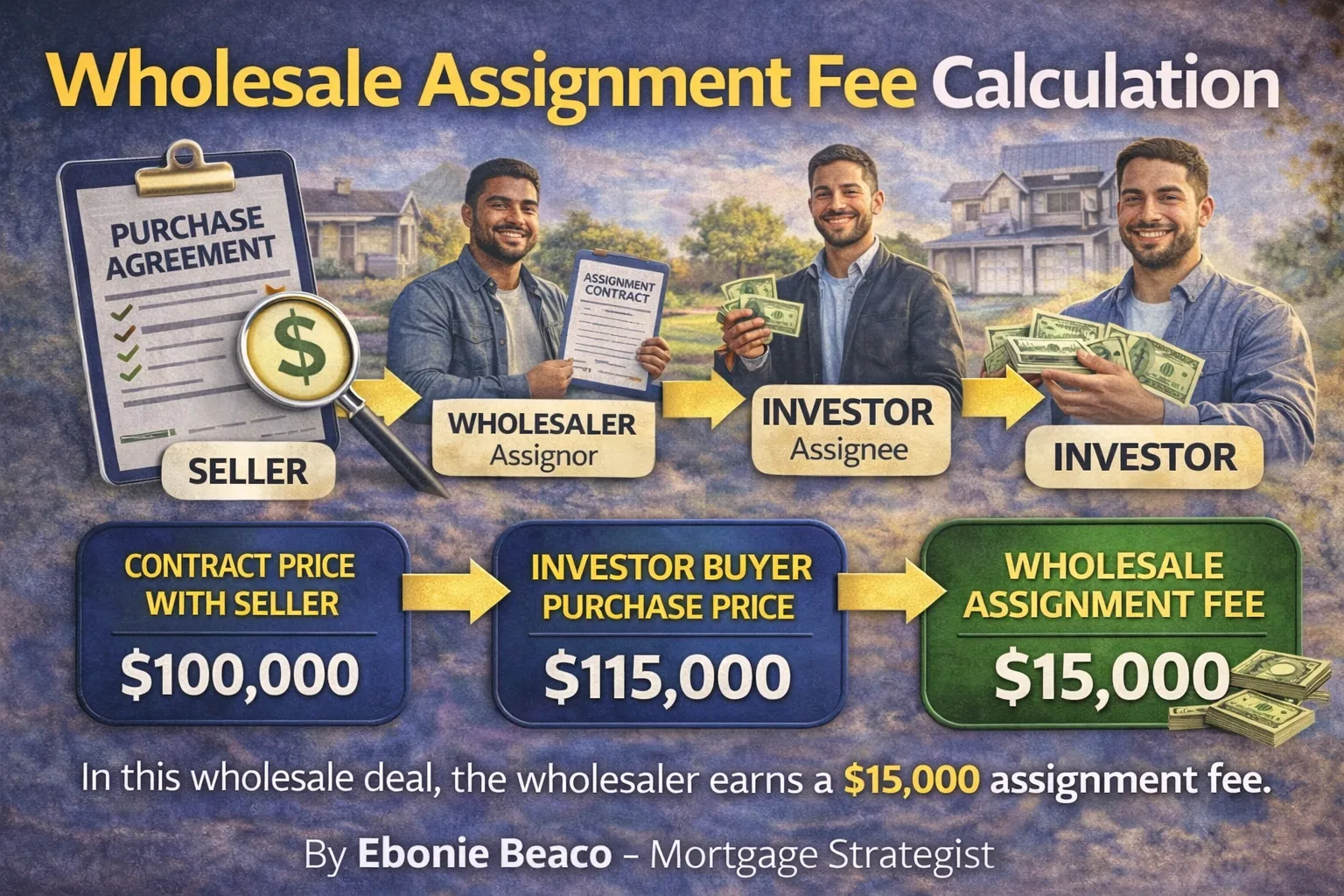
You then assign the contract to a cash buyer for $160,000, and you collect your $10,000 at the closing table.
Logistics of the Closing: Assignment vs. Double Closing
There are two primary ways to close a wholesale deal: the simple assignment and the double closing.
The Assignment Closing
In an assignment, there is only one closing.
The end buyer sees exactly how much you are making because your fee is listed on the settlement statement (HUD-1).
Access this method when you have a transparent relationship with your buyer and your fee is a standard amount (usually under $15,000).
The Double Closing
A double closing involves two separate transactions that happen back-to-back.
A-to-B Transaction: You buy the property from the seller.
B-to-C Transaction: You immediately sell the property to your cash buyer.
Compare these options based on your profit margin.
If you are making a $40,000 or $50,000 fee, a seller or a buyer might feel "sticker shock."
Double closings allow you to keep your profit private, though you will have to pay two sets of closing costs.
In states like Florida and California, double closings are common for high-margin deals.
To fund the "A-to-B" portion, many wholesalers use Transactional Funding, which is a short-term loan that lasts only 24 to 48 hours.
If you are curious about how these numbers impact long-term wealth, check out our Mortgage Calculators.
Regional Logistics: CA, FL, and Atlanta
Wholesaling logistics vary depending on where you are operating.
California
In California, property values are high, which means your assignment fees can often be much larger.
However, California has strict disclosure requirements.
Always ensure your real estate wholesale contracts are vetted by a local attorney to ensure you are operating within state guidelines.
Florida
Florida is a "hotbed" for wholesaling due to the high volume of distressed properties and out-of-state investors.
Title companies in Florida are very familiar with assignment fees and double closings.
It is vital to build a relationship with an "investor-friendly" title company that understands how to handle these specific logistics.
Atlanta, Georgia
The Atlanta market is highly competitive.
Logistics here often involve "whoever moves the fastest."
Having your cash buyers list ready before you even put a property under contract is essential.
If you are an Atlanta homeowner looking to transition from wholesaling to property ownership, you might want to look at how to use your equity.

Transitioning from Wholesaler to Investor
Many people start in wholesaling to build the capital needed for their own rental properties.
Once you have mastered the logistics of the deal, you can start using those profits as down payments for Fix and Flip projects or BRRRR (Buy, Rehab, Rent, Refinance, Repeat) strategies.
When you move from being the wholesaler to the person holding the property, your financing needs change.
You might move from cash assignments to DSCR Investor Loans or Hard Money Loans.
DSCR (Debt Service Coverage Ratio) loans are particularly popular for investors because they qualify based on the property’s income rather than your personal DTI (Debt-to-Income ratio).
Compare your financing options early so you know how much capital you need to keep from your wholesale fees.
For those looking to scale, a Cash-Out Refinance on a current property can provide the "gap" funding needed to take down bigger deals without needing a partner.
Common Logistics Pitfalls to Avoid
Even the best wholesalers run into "hiccups."
- Not having a "Buyer's List": If you get a property under contract but have no one to assign it to, you risk losing your EMD and damaging your reputation with the seller.
- Incorrect Repair Estimates: If you tell an investor the repairs are $20,000 but they are actually $60,000, your deal will fall apart during their inspection period.
- Title Issues: Always open title as soon as you get a contract. Liens, judgments, or heirship issues can kill a deal.
If you encounter a property in foreclosure during your search, it's important to understand the legalities. Read more on Foreclosure Basics.
Managing Your Wholesale Business Professionally
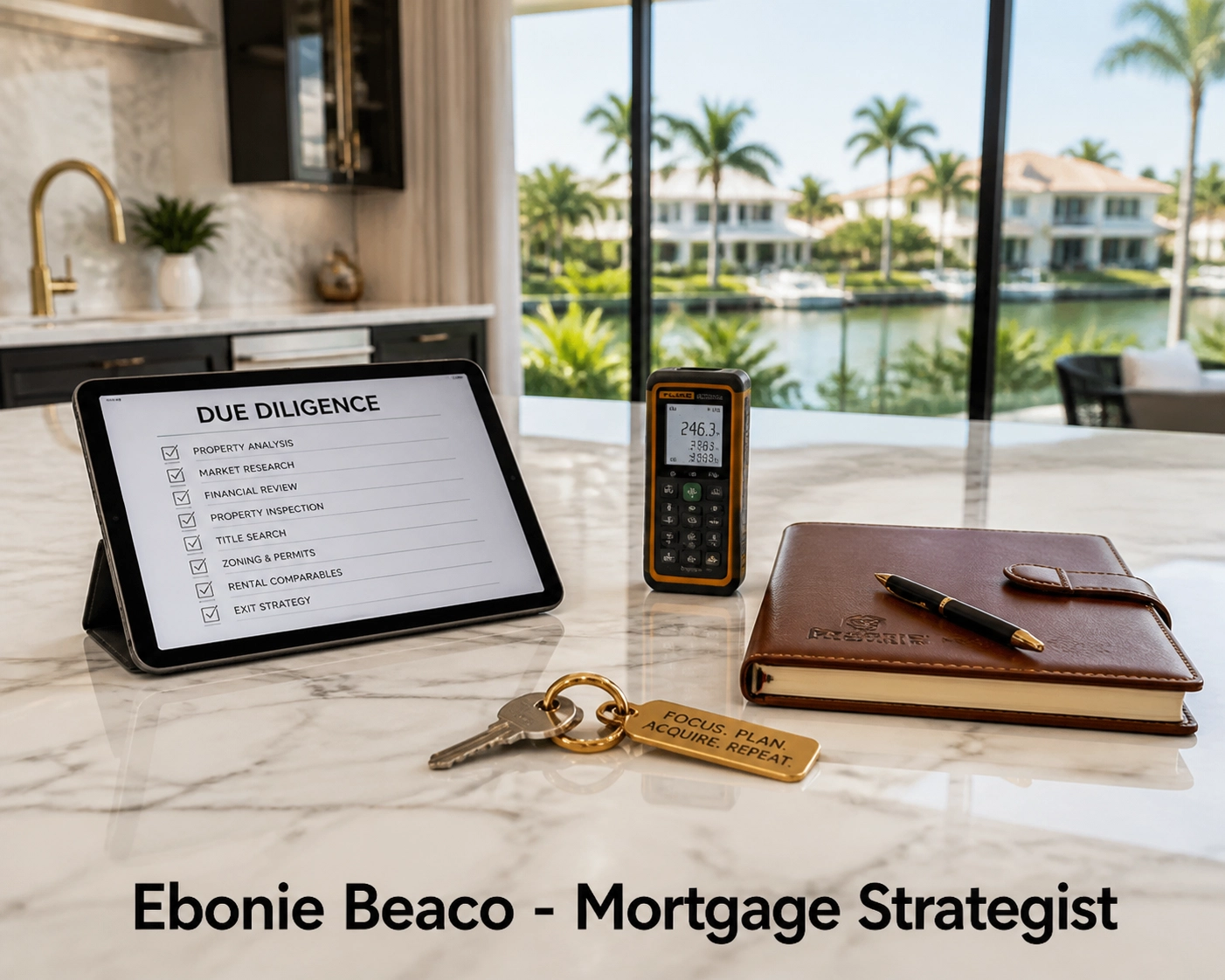
To succeed long-term in markets like Illinois, Indiana, or Virginia, you must treat wholesaling like a business, not a hobby.
This means staying organized with your documents and maintaining clear communication with all parties.
Using tools like a CRM (Customer Relationship Management) to track your leads and a "Deal Analyzer" to verify your numbers is non-negotiable.
Professionalism builds trust with title agents and attorneys, which makes your closings much smoother.
If you are self-employed and building a business, you might eventually need Bank Statement Loans to purchase your own home, as traditional tax returns don't always reflect your true cash flow.
Schedule a 1 on 1 at https://calendly.com/homeloansnetwork to discuss your specific investment scenario.
Final Thoughts on Wholesaling Logistics
Mastering real estate wholesale contracts and the assignment of contract process is the first step toward real estate success.
Whether you are working in Chicago, Miami, or Los Angeles, the principles remain the same:
- Negotiate a great price.
- Secure the right to assign.
- Find a qualified cash buyer.
- Coordinate a seamless closing.
Wholesaling provides the "fuel" for your investment engine.
As you grow, we are here to help you navigate the transition from assignment fees to portfolio building with strategic mortgage solutions.
Reach out today to explore how we can help you finance your next big move.
Ebonie Beaco
Mortgage Strategist | Senior Loan Officer
Home Loans Network powered by Loan Factory Inc.
NMLS #2389954
HomeLoansNetwork.com
312-392-0664