Wholesale Logistics: Why Your Closing Strategy Is the Core of Every Successful Deal
Finding a distressed property at a discount is only half the battle in real estate wholesaling.
The real work begins when you navigate the logistics of the closing table.
If your paperwork is messy or your closing strategy is unclear, you risk losing your assignment fee and your reputation with your end buyer.
Whether you are operating in the fast-moving markets of Atlanta, the high-priced neighborhoods of California, or the investor-heavy regions of Florida, the way you structure your exit defines your success.
Jump in as we explore how to tighten your logistics and ensure your deals actually cross the finish line.
The Mechanics of a Wholesale Transaction
Wholesaling relies on the ability to control a property without necessarily taking title to it.
You act as the bridge between a motivated seller and a cash buyer or investor.
To do this effectively, you need a solid understanding of the legal documents that hold the deal together.
Real Estate Wholesale Contracts
Real Estate Wholesale Contract: A legally binding agreement between a wholesaler and a seller that grants the wholesaler the right to purchase the property.
This document serves as the legal vehicle that allows you to control the asset while you search for an end buyer.
In markets like Chicago or Atlanta, your contract must include specific language that allows for the "Assignment of Contract."
Without an assignment clause, you are stuck purchasing the property yourself, which might not be your intention if you lack the liquid capital for a full acquisition.
Assignment of Contract
Assignment of Contract: A legal document that transfers the rights and obligations of a purchase agreement from the original buyer to a new buyer.
You use this to "sell" your interest in the property to an investor for an assignment fee.
Access the right Online Forms to ensure your paperwork is up to date and legally compliant for your specific state.
Assignment Fees versus Double Closings
Choosing how to get paid is a strategic decision that affects your privacy and your bottom line.
There are two primary ways to wrap up a wholesale deal: assigning the contract or performing a double close.
The Assignment Fee Model
This is the most common path for new wholesalers.
You find a buyer, they pay you an assignment fee, and they take over the original contract with the seller.
Assignment Fee: The profit a wholesaler earns for finding a deal and transferring the contract to an end buyer.
This fee is typically paid at the time of closing by the end buyer as part of their total acquisition cost.
The downside? The seller and the buyer both see exactly how much you are making.
If your fee is significant: say $30,000 on a $150,000 house: some sellers might feel cheated, or buyers might try to renegotiate your profit.
The Double Closing Strategy
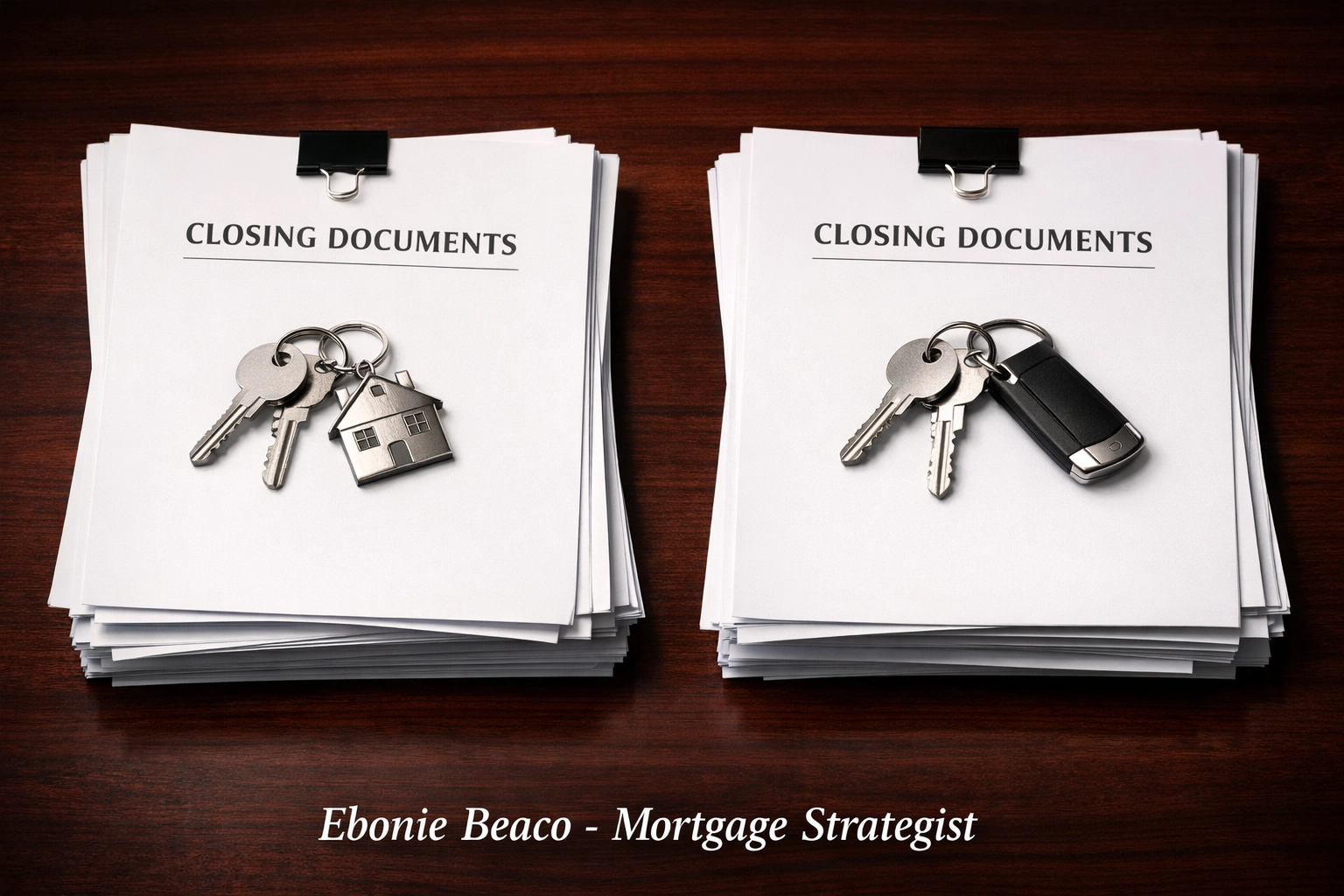
In a double closing, you actually buy the property and then immediately sell it to your end buyer in two separate transactions.
Double Closing: A real estate transaction involving two separate settlements that occur back-to-back, often on the same day.
This strategy keeps your profit margin private from both the original seller and the final buyer.
This is often used in California and Florida for high-spread deals where the wholesaler wants to protect their commission.
Explore our Loan Programs to see how bridge financing can help facilitate these types of quick-turn transactions.
Navigating Local Markets: CA, FL, and Atlanta
Logistics look different depending on where you are planting your flag.
Each state has its own customs regarding who handles the closing and how fees are processed.
Atlanta and Georgia Logistics
In Atlanta, all real estate closings must be conducted by a licensed attorney.
This adds a layer of professional oversight but also means your logistics must account for the attorney's schedule and specific document requirements.
Attorneys in Georgia are familiar with assignments, but they will scrutinize your real estate wholesale contracts to ensure there is no "unlicensed brokerage" occurring.
Florida’s Investor-Friendly Climate
Florida is a haven for wholesalers, especially in cities like Miami, Orlando, and Tampa.
Most closings here are handled by title companies rather than attorneys.
Many title companies in Florida specialize in "investor friendly" closings, meaning they understand how to handle an assignment of contract or a double closing without complicating the deal.
California’s High-Stakes Environment
In California, the escrow process is the standard.
Because property values are significantly higher, your assignment fees are often larger, which can make a double closing more attractive to avoid "fee fatigue" from the seller.
California also has strict disclosure laws, so your logistics must include clear communication to avoid legal hurdles later.
The Financial Blueprint: A Practical Example
Understanding the math helps you communicate value to your end buyer.
Let's look at a typical scenario for a fix-and-flip investor in Chicago or Virginia.
Example Deal Breakdown:
- Agreed Price with Seller: $200,000
- Estimated After Repair Value (ARV): $350,000
- Estimated Repair Costs: $60,000
- Wholesaler Assignment Fee: $15,000
- End Buyer’s Total Purchase Price: $215,000
In this case, the end buyer sees a property they can buy for $215,000, put $60,000 into, and have a total basis of $275,000.
With an ARV of $350,000, they have $75,000 in potential equity and profit.
Compare options using our Mortgage Calculators to see how financing costs for the end buyer impact the feasibility of your deal.

How End-Buyer Financing Impacts Your Deal
Your logistics are only as good as your buyer’s ability to perform.
If your buyer is using a Fix and Flip Loan or Hard Money, they can usually close quickly.
However, if they are using Conventional Loans or FHA Loans, you might run into trouble.
Most traditional lenders have "seasoning" requirements that prevent them from funding a deal that involves an assignment or a quick flip.
DSCR Investor Loans: A mortgage program where qualification is based on the property’s rental income rather than the borrower’s personal income.
Investors use these to scale portfolios quickly after purchasing a wholesale deal.
As a wholesaler, you should encourage your buyers to work with a mortgage strategist who understands investment structures.
If they use a DSCR Rental Property Loan, the closing process is often smoother because the lender is focused on the asset's performance rather than traditional red tape.
Selecting Your Mortgage Strategist
Success in wholesaling requires a network of professionals who understand the speed and transparency required for these deals.
At Home Loans Network, we provide the educational resources and financing strategies to help investors close deals with confidence.
Whether you are a homeowner looking to Home Refinance to start your investment journey or an experienced landlord seeking Jumbo Loans for a multi-unit project, we guide you through the complexities of the market.
Explore the Loan Process to see how we help our clients move from application to funding.

Strengthening Your Wholesale Business
Your reputation in California, Florida, or Georgia is built on your ability to deliver clean deals.
Focus on your logistics:
- Use clear, state-specific real estate wholesale contracts.
- Master the assignment of contract process.
- Protect your profits with double closings when necessary.
- Ensure your end buyers have reliable financing.
By treating the closing strategy as the most vital part of the deal, you position yourself as a professional rather than just a middleman.
Schedule a 1 on 1 at https://calendly.com/homeloansnetwork
Ebonie Beaco
Mortgage Strategist | Senior Loan Officer
Home Loans Network powered by Loan Factory Inc.
NMLS #2389954
HomeLoansNetwork.com
312-392-0664