Wholesale Closings 101: A Beginner’s Guide to Mastering the Assignment of Contract

Real estate wholesaling is often described as the "entry point" for many investors. Why? Because it allows you to get your foot in the door without needing a massive down payment or a perfect credit score. At its core, wholesaling is about finding a great deal, putting it under contract, and then "selling" that contract to another investor for a fee.
The magic happens through a legal maneuver known as the Assignment of Contract.
If you are operating in high-velocity markets like Atlanta, Chicago, or throughout Florida and California, understanding the logistics of a wholesale closing is essential. This guide breaks down the mechanics, the paperwork, and the financial strategies you need to navigate these deals transparently and successfully.
Defining the Assignment of Contract
Assignment of Contract: A legal document that allows an original buyer (the wholesaler) to transfer their rights and obligations under a purchase agreement to a new buyer (the end investor).
In a typical real estate transaction, you buy a house and move in. In a wholesale assignment, you aren't buying the house to keep it. You are securing the right to buy it and then handing that right over to someone else: usually a fix-and-flip investor or a landlord: before the actual closing date.
The Three Main Players
To master the assignment process, you must recognize the roles involved:
- The Assignor (You): The wholesaler who finds the deal and signs the initial contract with the seller.
- The Assignee (The End Buyer): The cash investor who will actually complete the purchase and take title to the property.
- The Original Seller: The homeowner who agreed to sell the property at the initial price.
Explore more about how these roles fit into the broader lending landscape by visiting our Mortgage Basics page.
The Logistics: How a Wholesale Deal Unfolds
A successful wholesale closing does not happen by accident. It follows a specific rhythm that protects your profit and ensures the title company can clear the transaction.
Step 1: Secure the Purchase Agreement
You find a motivated seller and negotiate a price. You sign a standard Purchase and Sale Agreement. Crucial Tip: Ensure the contract is "assignable." Most standard contracts include a clause stating the buyer is "Buyer Name and/or Assigns."
Step 2: Market the Contract
Once the property is under contract, you find a cash buyer. You are not selling the house; you are selling the contract to the house. This distinction is vital for staying compliant with real estate licensing laws in states like Florida.
Step 3: Execute the Assignment Agreement
When you find a buyer, you sign an Assignment of Contract agreement. This document spells out exactly how much your Assignment Fee will be and confirms that the end buyer is taking over all your responsibilities.
Step 4: The Closing
The title company or closing attorney handles the rest. On closing day, the end buyer brings the funds to the table, the seller gets their money, and you get your assignment fee.

Understanding Assignment Fees and Earnest Money
The Assignment Fee is your profit. It is the difference between the price you negotiated with the seller and the price the end buyer agreed to pay.
The Split Payment Model
Many experienced wholesalers use a split payment structure to ensure the end buyer is committed.
- Initial Deposit: A portion of your fee (e.g., $3,000) is paid by the end buyer immediately upon signing the assignment agreement.
- Balance at Closing: The remainder of the fee (e.g., $12,000) is paid out by the title company when the deal officially closes.
Earnest Money Deposit (EMD)
You should always require the end buyer to put down a non-refundable Earnest Money Deposit. This protects you if the buyer decides to walk away. If they flake, you keep the EMD to cover your time and any potential loss of the deal with the original seller.
Compare these strategies with traditional Home Purchase methods to see which fits your investment goals.
Essential Elements of a Wholesale Contract
Your contract is your shield. If it is poorly written, you risk losing your fee or, worse, legal trouble. A transparent wholesale contract should include:
- Explicit Assignment Language: A clear statement that you are transferring all rights, title, and interest.
- Non-Circumvention Clause: This prevents the end buyer from going behind your back to negotiate directly with the seller to cut you out of the fee.
- Disclosure: Clearly state that you are a wholesaler and not the owner of the property.
- Contingency Clauses: Ensure you have an "inspection period" that allows you to back out of the deal if you cannot find a buyer.
Regional Nuances: CA, FL, and Atlanta
Real estate laws vary significantly by state. What works in Chicago might require a different approach in Miami.
Florida (FL)
In Florida, the legal focus is on what you are marketing. You must be clear that you are marketing the equitable interest in a contract, not the physical real estate. Using an experienced title company that understands wholesaling is non-negotiable here.
California (CA)
California has strict disclosure requirements. If you are wholesaling in Los Angeles or San Diego, ensure your contracts are airtight regarding your role as an intermediary. Transparency is the best way to avoid "unlicensed brokerage" accusations.
Atlanta (Georgia)
Georgia is an "attorney state." This means a licensed attorney must oversee the closing. Many Atlanta-based wholesalers prefer Double Closings in certain scenarios to keep their assignment fees private.

Assignment vs. Double Closing: Which Should You Choose?
While the assignment of contract is the most common method, the Double Closing (also known as a back-to-back closing) is a powerful alternative.
Double Closing: A transaction where the wholesaler actually purchases the property from the seller (Closing A-B) and then immediately sells it to the end buyer (Closing B-C) on the same day.
Why Double Close?
- Privacy: In an assignment, the seller and the buyer both see exactly how much you are making. If your fee is $50,000 on a $150,000 house, the seller might get upset. A double closing hides your profit.
- Lender Requirements: Some end-buyer lenders (especially for those using Non-QM Mortgage Loans) have "seasoning" requirements or rules against assignments.
If you are moving into larger deals, such as multi-unit buildings or commercial properties, a double closing might be the more professional path. You can learn more about different Loan Programs that might assist your end buyers in completing these transactions.
A Practical Financial Example
Let’s look at a typical scenario in a market like Indianapolis or Virginia Beach.
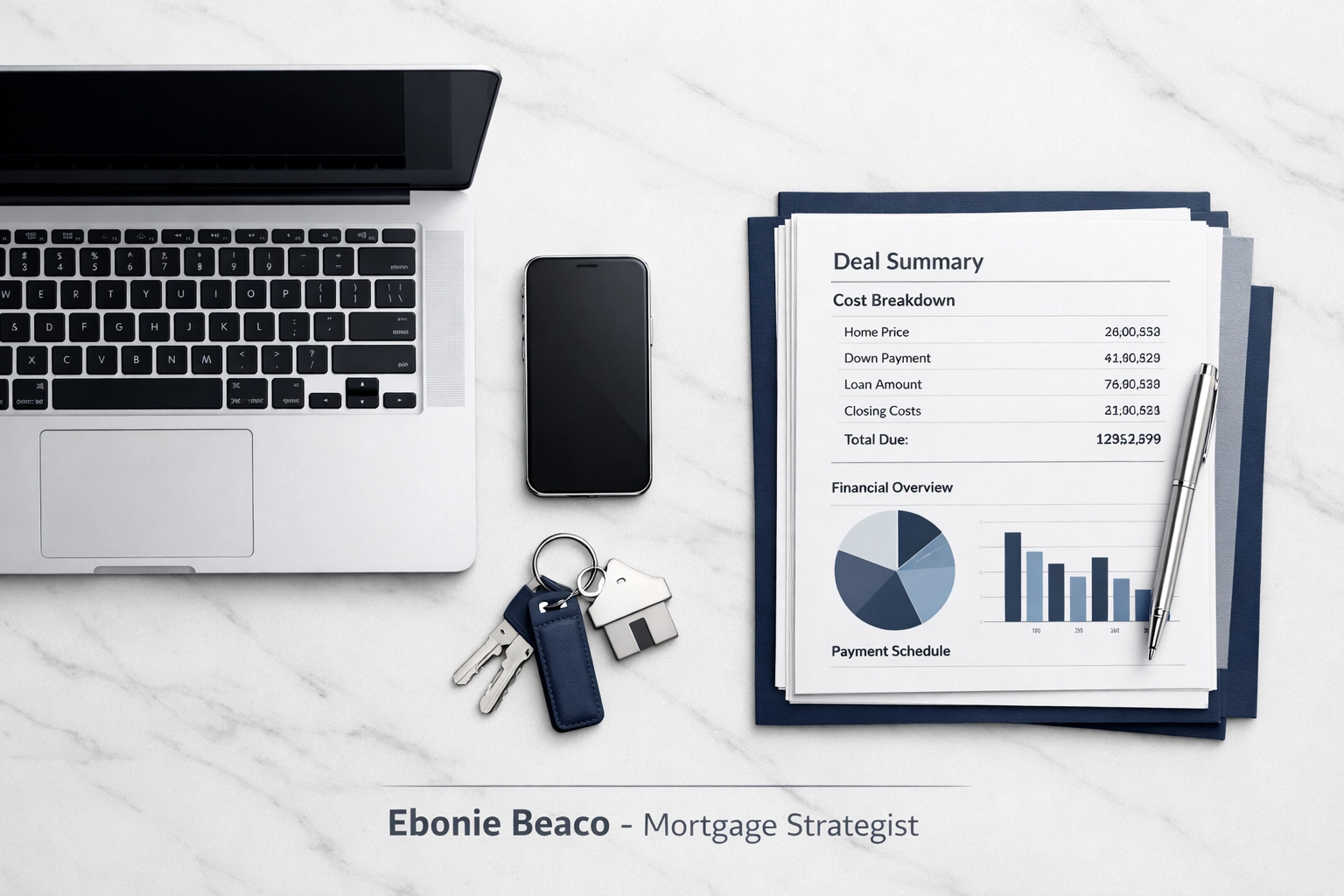
- Contract Price with Seller: $200,000
- Wholesale Price to Investor: $215,000
- Assignment Fee: $15,000
The Breakdown:
- The investor pays $215,000 total.
- $200,000 goes to the original seller.
- $15,000 goes to you (the wholesaler).
- The investor might also use a Fix and Flip Loan to cover the $215,000 plus renovation costs.
This structure allows the investor to acquire a property with equity still on the bone, while you earn a fee for finding and securing the deal.
Compliance and Professionalism
To succeed long-term, you must operate with integrity. This involves:
- Verified Cash Buyers: Always ask for a Proof of Funds (POF) before signing an assignment.
- Clear Communication: Keep your seller informed. If they feel like they are being "flipped," they may stop cooperating.
- Legal Review: Have a real estate attorney in your specific state (whether it's Arkansas, Michigan, or Virginia) review your templates.
Wholesaling is a service. You are providing a "ready-to-go" deal to an investor and a quick exit for a seller. When done right, it is a win-win for everyone involved.
Moving Beyond Wholesaling
Wholesaling is a great way to build capital. Many wholesalers eventually use their fees to fund their own "buy and hold" portfolios using DSCR Investor Loans or Airbnb Financing. Accessing your own property allows you to build long-term wealth rather than just transactional income.
If you are looking to transition from assigning contracts to owning assets, or if you have questions about how your end buyers can secure financing, jump in and explore your options.
Schedule a 1 on 1 at https://calendly.com/homeloansnetwork
Ebonie Beaco Mortgage Strategist | Senior Loan Officer Home Loans Network powered by Loan Factory Inc. NMLS #2389954 HomeLoansNetwork.com 312-392-0664