Vetting the Bag: How to Verify Real Cash Buyers for Wholesale Real Estate Deals

Wholesaling real estate in 2026 requires more than just a knack for finding off-market deals; it requires a bulletproof system for verifying the people who are actually going to cut the check. You spend countless hours driving for dollars, cold calling motivated sellers, and negotiating contracts only to have the entire deal evaporate because your "cash buyer" was actually a "daisy-chainer" with no capital. In markets like Chicago, Atlanta, or the high-stakes neighborhoods of Los Angeles, a failed closing does more than just cost you an assignment fee; it damages your reputation with sellers and title companies. This guide is designed to help you move past the "fake it until you make it" crowd and connect with the heavy hitters who have the liquidity to close quickly. Understanding how to vet your buyers is the difference between a thriving six-figure wholesaling business and a hobby that only produces stress and expired contracts.
The High Cost of the Unverified Buyer
The term "cash buyer" is often used loosely in the real estate investing world, frequently by individuals who are simply trying to wholesale your wholesale deal. When you put a property under contract, you are operating on a ticking clock, and every day spent with an unverified buyer is a day closer to your contract expiring. If your buyer fails to perform, you are often forced to go back to the seller with your tail between your legs, which can lead to legal complications or the loss of earnest money. By implementing a strict vetting process, you protect your time and ensure that your efforts in sourcing wholesale real estate lead to actual revenue. Serious investors in Florida and Virginia appreciate a wholesaler who asks the tough questions because it shows you are a professional who values the integrity of the transaction.
Defining the Real Cash Buyer
Before you can verify a buyer, you must define what a legitimate cash buyer looks like in the current market. A true cash buyer is an individual or entity with liquid funds available in a checking, savings, or brokerage account that can be wired to a title company within 24 to 48 hours. Many investors will claim to be cash buyers because they have a line of credit or a pre-approval from a hard money lender, but these are technically financed offers that require third-party approval. While these buyers are still valuable, they do not offer the same level of certainty as a "true" cash buyer who doesn't need an appraisal or a lender's sign-off. You can learn more about how different funding types impact the closing timeline by visiting our loan process page.

Step 1: The Proof of Funds (POF) Deep Dive
The most fundamental tool in your vetting arsenal is the Proof of Funds (POF) document, but not all POFs are created equal. You should never accept a generic "Proof of Funds" letter from a hard money lender as a substitute for a bank statement, as those letters are usually conditional and don't guarantee the buyer has the actual cash. Request a bank statement from the last 30 days that clearly shows the buyer's name or their business entity name and a balance that exceeds your purchase price plus estimated closing costs. If a buyer is hesitant to show their balance, you can suggest they black out their account number, but the name and the date must remain visible. Legitimate investors who are active in real estate investing are accustomed to this request and will typically have a redacted PDF ready to send at a moment’s notice.
Step 2: Verifying the Transaction History (The Receipts)
In the digital age, a bank statement can be photoshopped, but a county’s public records are much harder to fake. If a buyer claims to be an active investor in Indiana or Michigan, you should ask for the addresses of the last three properties they closed on using cash. Use the local tax assessor's website or a tool like PropStream to look up those properties and see if the buyer’s LLC is actually listed on the deed. If the properties were purchased with a mortgage or a Deed of Trust, you know the buyer is relying on external financing rather than their own cash reserves. This step is crucial because it confirms that the buyer not only has the money but also has the intent and the experience to execute a real estate transaction.
Step 3: Entity Validation and Signatory Authority
Many wholesale deals are closed in the name of an LLC or a Trust, and you need to ensure the person you are talking to actually has the authority to bind that entity to a contract. You can perform a quick search on the Secretary of State website for the state where the entity is registered to ensure it is in "Active" or "Good Standing" status. Check the Articles of Organization or the Statement of Information to verify that your point of contact is a Manager or a Member with signing authority. Dealing with an unauthorized "representative" can lead to a contract being voided at the last minute by the actual owners of the company. Transparency is one of our core values at Home Loans Network, and we encourage wholesalers to bring that same level of scrutiny to their buyer relationships as seen on our about us page.
Identifying the Red Flags of a "Fake" Buyer
Identifying a pretender early can save you weeks of wasted effort and potential embarrassment. One major red flag is a buyer who refuses to provide a POF until after they have inspected the property or signed the assignment. Another warning sign is a buyer who asks for an excessively long inspection period or tries to negotiate a lower earnest money deposit than what you have already committed to the seller. If they seem more interested in "marketing" your deal to their own list than they are in the actual numbers of the property, they are likely a co-wholesaler masquerading as an end-buyer. Real cash buyers are decisive, they know their numbers, and they don't play games with the paperwork because they want to secure the deal before someone else does.
Breaking Down the Numbers: A Cash Buyer Scenario
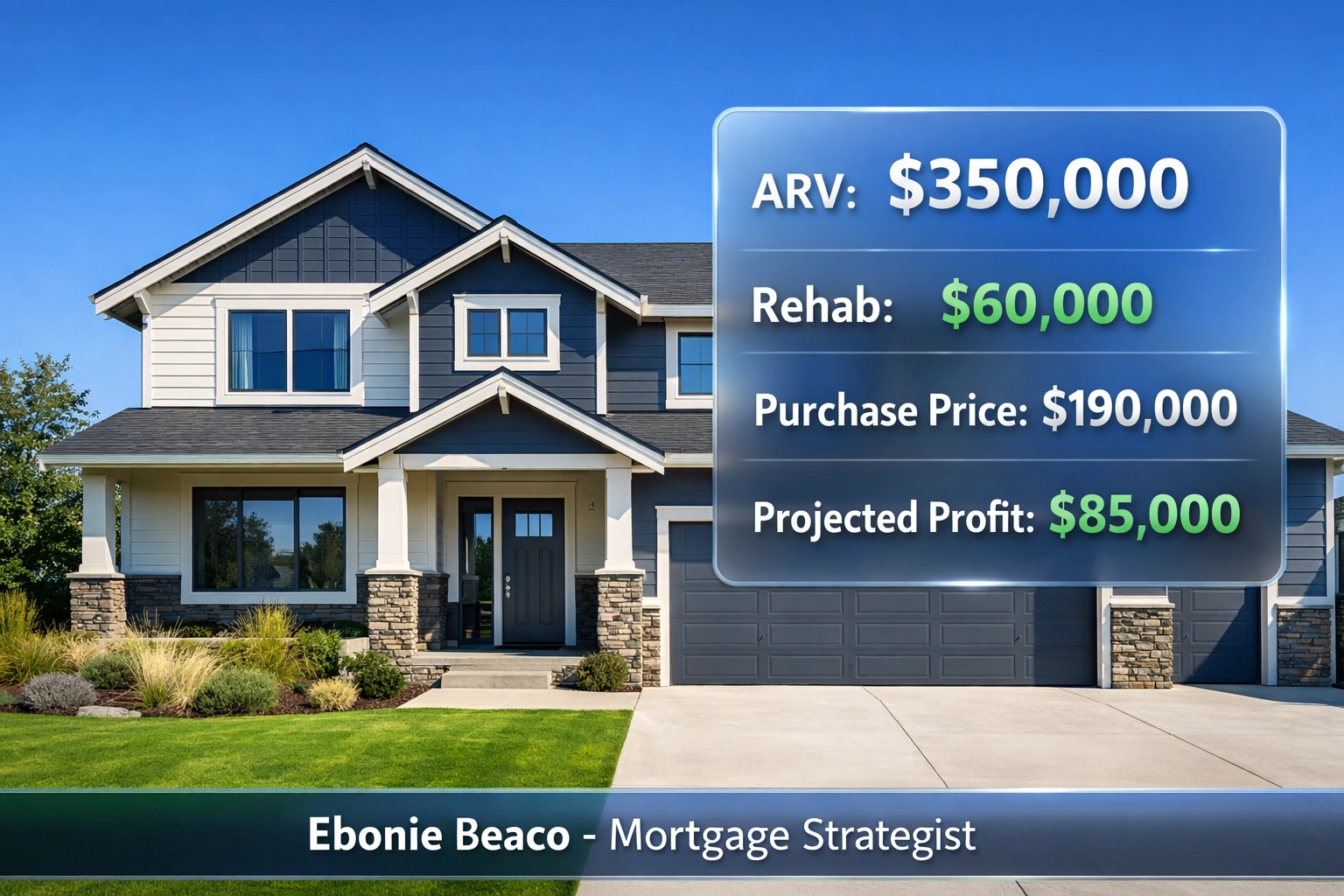
To understand why a buyer might or might not perform, you have to look at the deal from their perspective. Let's look at a typical wholesale real estate deal breakdown for a property in a suburb of Chicago.
- After Repair Value (ARV): $350,000
- Estimated Rehab Costs: $60,000
- Wholesale Purchase Price: $190,000
- Your Assignment Fee: $15,000
- Buyer’s Total Entry Cost: $205,000
- Projected Profit Spread: $85,000 (Before holding and selling costs)
A serious buyer will look at these numbers and immediately calculate their Return on Investment (ROI) and their "all-in" percentage relative to the ARV. In this case, the buyer is "all-in" at roughly 58% of the ARV ($205k + $60k = $265k / $350k), which is a very strong deal for most markets. If you present a deal where the all-in cost is 85% of the ARV, most legitimate cash buyers will pass, leaving you only with desperate "buyers" who likely can't close. You can use our mortgage calculators to help your buyers understand their potential carrying costs if they choose to leverage their cash with a DSCR loan later.
How Financing Strategies Empower Your Buyers
While you are looking for cash buyers, it is important to remember that many savvy investors use "Delayed Financing" or Refinance strategies to keep their capital liquid. A buyer might buy your wholesale deal with 100% cash today and then immediately reach out to someone like me to do a cash-out refinance to pull that money back out for the next deal. By connecting your buyers with a mortgage strategist who understands real estate investing, you are actually helping them scale their business, which makes them more likely to buy from you again. If a buyer is short on cash but has a great track record, I can often help them secure fix and flip loans or bridge loans that function almost as fast as cash. This professional approach turns you from a "deal finder" into a "solution provider," increasing the value of your buyers list significantly.
Building Long-Term Relationships with Serious Investors
Vetting is not a one-time event; it is the beginning of a professional relationship that can last for decades. Once you find a buyer who performs, stay in close contact with them to understand their specific "buy box," including preferred zip codes, property types, and minimum profit margins. In markets like California or Georgia, where the competition is fierce, having a small group of verified, high-performing buyers is much better than having a massive list of unverified emails. When you bring a deal to a verified buyer, they know they can trust your numbers, and you know you can trust their check. If you ever have questions about how a buyer's financing might affect your wholesale deal, you can always check our FAQ for more insights.
The Importance of Professionalism in 2026
The wholesaling industry has faced increased scrutiny over the years, and the only way to stay ahead of regulatory changes is to operate with the highest level of professionalism. Verifying your buyers is a key part of that professionalism, ensuring that you are not just "flipping paper" but facilitating the transfer of property to people who will actually improve the housing stock. Whether you are working in Alabama, Arkansas, or the busy streets of Virginia, your reputation is your most valuable asset. By being the wholesaler who only brings vetted buyers to the table, you become the preferred partner for sellers and other real estate professionals alike. This commitment to quality will ensure your longevity in the business, regardless of how the market shifts.
📞 Work With Ebonie Beaco
If you are a wholesaler looking to:
- Close more deals
- Connect your buyers with financing
- Structure deals that actually get approved
- Learn how to grow into a real estate investor
I can help you every step of the way.
Ebonie Beaco Mortgage Strategist | Senior Loan Officer Home Loans Network powered by Loan Factory Inc. NMLS #2389954
Scedule a 1 on 1: https://calendly.com/homeloansnetwork Website: HomeLoansNetwork.com Phone: 312-392-0664
👉 Whether you need lending, deal structuring, or mentorship, reach out today.