The Wholesaler's Guide to Market Analysis at Scale in Florida
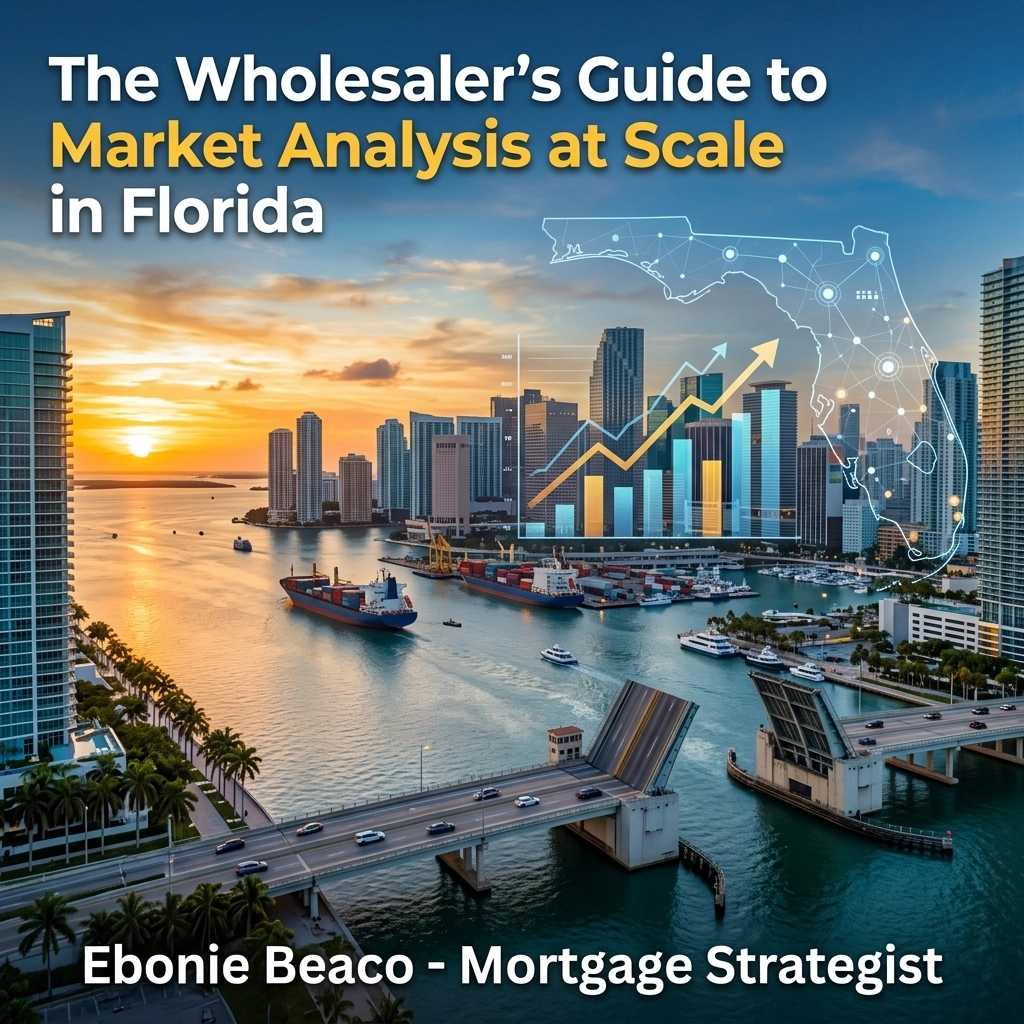
Scaling a real estate wholesaling business requires a shift from chasing single deals to building a repeatable machine. In high-demand regions like Florida, California, and Georgia, your success depends on how quickly you can analyze data across hundreds of zip codes. You are no longer just looking for a house; you are looking for patterns of distress and opportunity.
This guide explores the systems needed to analyze markets at scale, focusing on Florida metros while drawing parallels to the competitive Atlanta investment property scene and California landscapes.
Defining the Scaled Wholesaling Model
To scale, you must define your operational boundaries. Moving beyond your local neighborhood means you need a framework that applies whether you are in Tampa, Florida or Riverside, California.
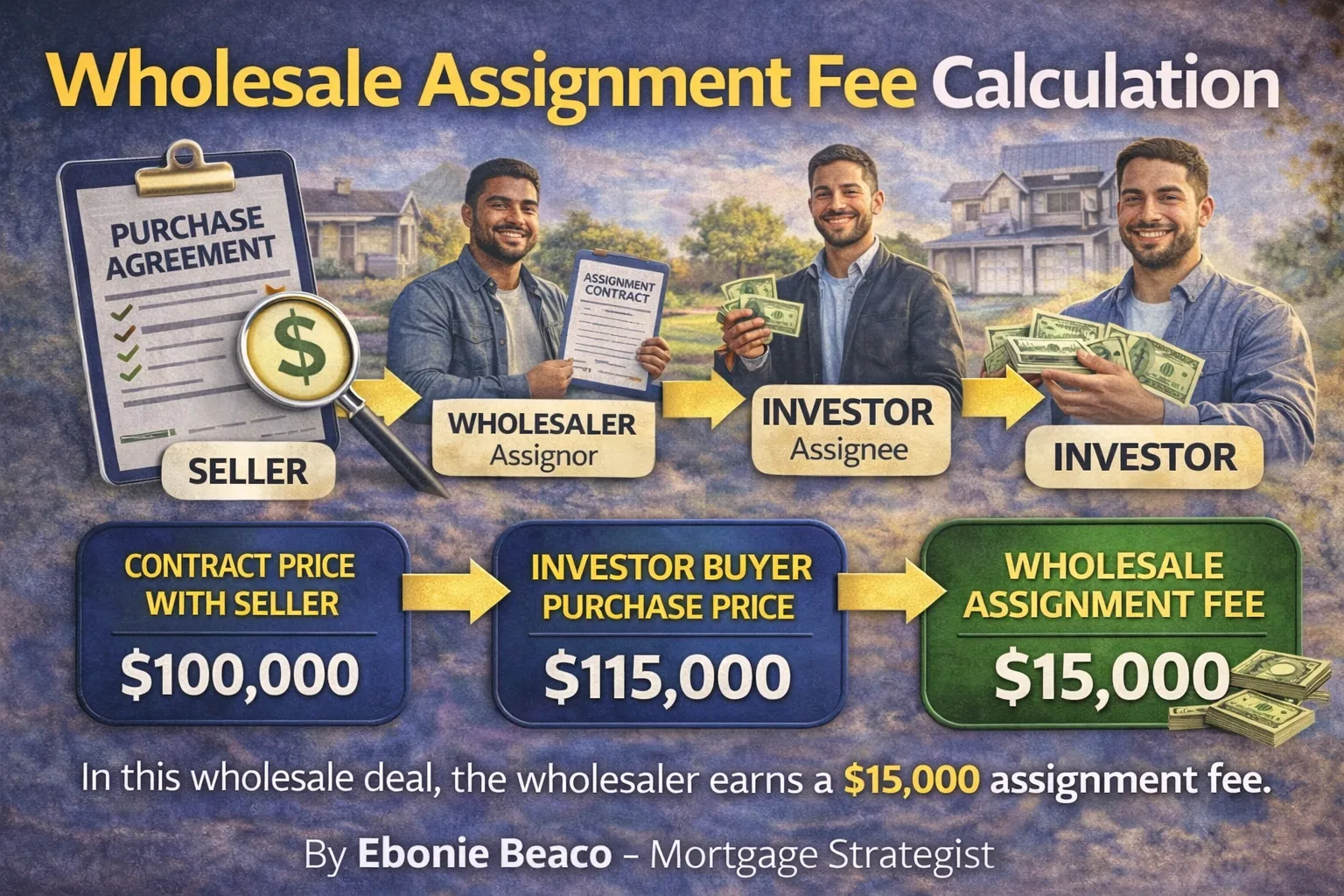
Wholesaling
The practice of a party (the wholesaler) obtaining a purchase contract for a property and then assigning that contract to an end buyer for a fee.
Benefit: This allows you to generate revenue in real estate without the need for traditional mortgage financing or long-term property management.
Assignment of Contract
A legal document that transfers the rights and obligations of a purchase agreement from the original buyer (wholesaler) to a new buyer (investor).
Benefit: It serves as the primary mechanism for collecting a wholesale fee while keeping the transaction streamlined.
Explore our Mortgage Basics to see how end buyers often fund these acquisitions.
Macro Analysis: Choosing the Right Florida Metros
Scaling starts at the top. You cannot be everywhere at once, so you must select metros with high velocity and investor liquidity. Florida offers a unique mix of high-growth areas and affordable entry points.
Identifying High-Demand Metros
Look for markets with high cash sale percentages. This metric is a proxy for investor presence. Areas like Jacksonville and Ocala often show median prices below the state average, making them prime targets for wholesaling.
Key Florida Market Metrics
- Median Sale Price: Provides a baseline for entry.
- Days on Market (DOM): Indicates how fast properties move.
- Months of Inventory: Shows whether it is a buyer or seller market.
- Cash Sales Percentage: Highlights areas where investors are most active.
In Florida, focus on the "I-4 Corridor" including Tampa and Orlando. These cities maintain steady demand due to population growth and job diversity. Similarly, when looking at an Atlanta investment property, you see high investor concentration in suburban pockets where inventory remains tight.
Meso Analysis: Targeting Zip Codes and Neighborhoods
Once you select a metro, you must go deeper. You are looking for the "sweet spot" neighborhoods. These are usually working-class areas with homes built between 1950 and 2005.
Investor Sweet Spots
These are neighborhoods that are not luxury coastal zones and not "war zones." They are solid B- to C+ areas where rents support investor returns.
Analyzing Zip Code Velocity
Use data tools to rank zip codes by the volume of flips. A flip is defined as a property bought and sold within 6 to 18 months. High flip volume in a specific zip code means there is a hungry buyer base waiting for your next contract.
Jump in and Pre-Qualify your potential buyers so you know exactly what price points they can handle.
Micro Analysis: Property-Level Underwriting
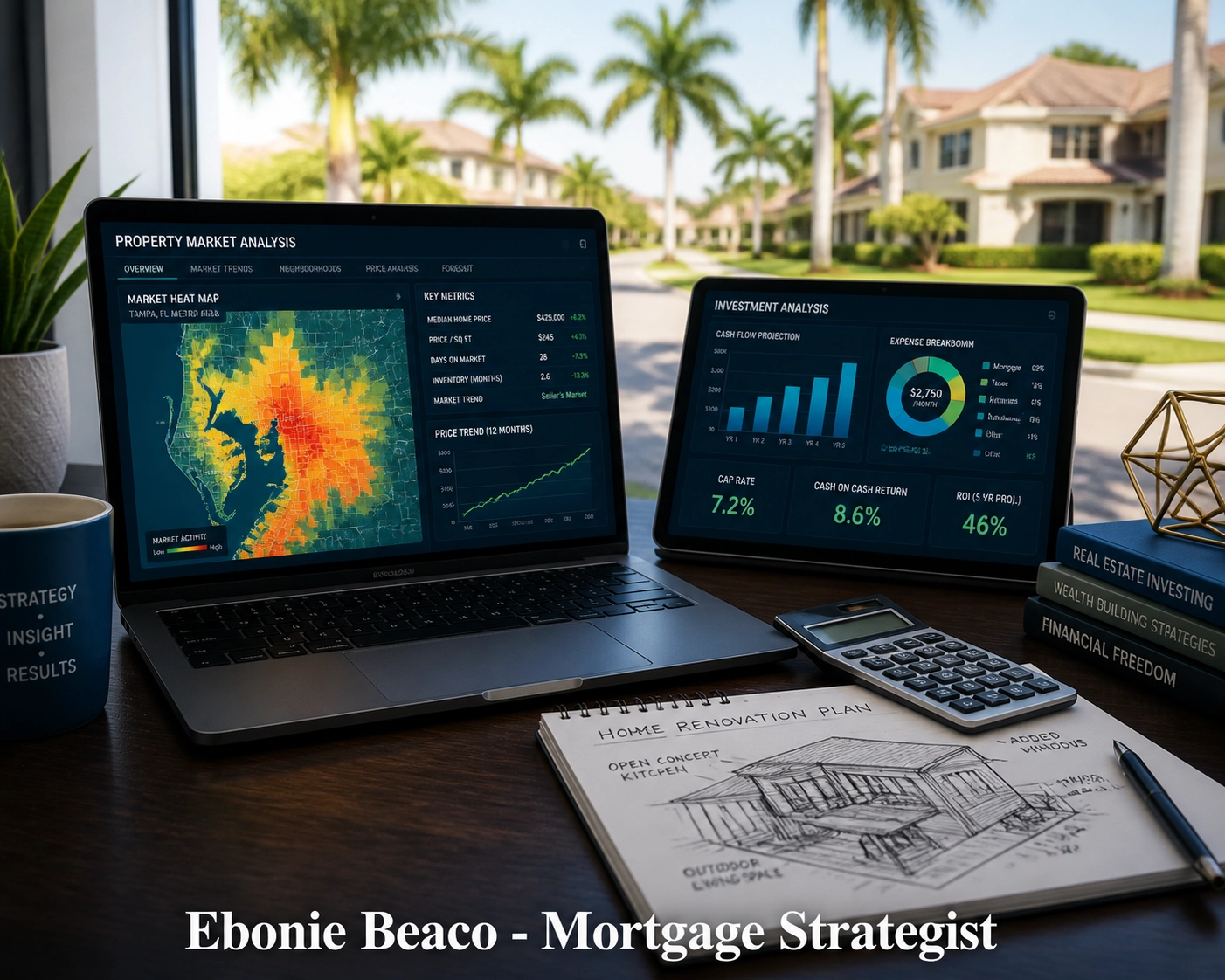
At scale, your underwriting must be consistent. You cannot spend hours on one deal. You need a formulaic approach to calculate your Maximum Allowable Offer (MAO).
ARV (After Repair Value)
The estimated value of a property after all necessary renovations and repairs have been completed to bring it to current market standards.
Benefit: It provides the ceiling for your investment analysis and dictates the potential profit margin for your end buyer.
MAO (Maximum Allowable Offer)
The highest price a wholesaler can pay for a property while still leaving enough room for the investor’s profit and the wholesale fee.
Benefit: Using a fixed formula prevents emotional overbidding and ensures your deals remain attractive to cash buyers.
The Standard Formula
MAO = (ARV x Investor Discount) - Repairs - Wholesale Fee
In Florida, the investor discount often sits between 70% and 78%. However, in coastal markets like Miami or parts of Southern California, insurance costs are much higher. You must account for these carrying costs by increasing the discount required for a deal to make sense.
Scaling in Diverse Markets: Florida, Atlanta, and California
While the mechanics of wholesaling remain similar, the scale of capital changes between markets.
The Atlanta Investment Property Landscape
Atlanta is a powerhouse for wholesalers. The city’s sprawl allows for diverse strategies, from urban infill to suburban fix-and-flips. Homeowners in Atlanta often use equity to fuel new investments.

California Scaling Nuances
Wholesaling in California requires a focus on high-margin deals. Because the purchase prices are higher, your assignment fees can be significantly larger. However, the competition is fierce, requiring more sophisticated data mining and marketing funnels.
Data Tools for Market Analysis at Scale
You cannot scale without a tech stack. Tools like PropStream or REsimpli allow you to pull lists of motivated sellers across multiple states simultaneously.
High-Value Lead Lists
- High-Equity Absentee Owners: People who own property they do not live in and have significant equity.
- Vacant Properties: Homes that are currently unoccupied and potentially neglected.
- Pre-Foreclosures: Owners who have fallen behind on payments and face legal action.
- Code Violations: Properties flagged by the city for maintenance issues.
Access our Loan Programs to see how your buyers might finance these distressed assets once they close.
Building a Robust Cash Buyer Database
Your ability to scale is limited by your ability to dispose of contracts. You need a database of buyers categorized by their specific criteria.
Buyer Profiling
- Market Preference: Which zip codes do they prefer?
- Buy Box: What is their ideal bed/bath count and square footage?
- Strategy: Are they fix-and-flip investors or buy-and-hold landlords?
- Funding: Do they use cash, hard money, or DSCR Investor Loans?
DSCR (Debt Service Coverage Ratio)
A financial metric used by lenders to measure a property's ability to cover its debt payments based on the income it generates.
Benefit: Investors use DSCR loans to scale portfolios without relying on personal income verification, making them ideal buyers for your wholesale deals.

Compliance and Legal Framework in Florida
Scaling requires a commitment to transparency and legal adherence. Florida real estate law is governed by Chapter 475. To stay compliant while wholesaling at scale, you must act as a principal in the transaction.
Avoiding Unlicensed Brokerage
You are selling your equitable interest in a contract, not the property itself. Your marketing must reflect this distinction. Clearly state that you are the contract holder.
Transactional Funding
A short-term loan used by wholesalers to facilitate a "double closing," where they buy the property and immediately sell it to an end buyer.
Benefit: It allows for privacy regarding the wholesale fee and ensures the chain of title is clear.
Compare different Loan Process steps to understand how these quick-turn closings are structured.
Implementing the 90-Day Scaling Plan
If you want to move into new Florida markets or expand into Atlanta, follow this structured approach:
- Select Three Metros: Choose areas based on cash sale volume and median price.
- Pull Data: Identify 10 high-activity zip codes in each metro.
- Launch Marketing: Use cold calling, direct mail, or PPC to reach motivated sellers.
- Automate Underwriting: Use a standardized MAO calculator for every lead.
- Build Buyer Clusters: Connect with at least 20 active investors in each target zip code.

Scaling your wholesaling business is about moving from a "deal hunter" to a "data manager." By mastering market analysis in Florida and applying those lessons to markets like Atlanta and California, you create a business that operates with precision and predictability.
If you have questions about how your end buyers can secure financing or how you can use equity to grow your operation, reach out to discuss your strategy.
Schedule a 1 on 1 at https://calendly.com/homeloansnetwork
Ebonie Beaco
Mortgage Strategist | Senior Loan Officer
Home Loans Network powered by Loan Factory Inc.
NMLS #2389954
HomeLoansNetwork.com
312-392-0664