The Ultimate Guide to Wholesale Logistics: Everything You Need to Succeed in Georgia
Wholesaling real estate in 2026 looks a lot different than it did a decade ago. It is no longer just about finding a distressed house and putting up a "We Buy Houses" sign. Today, the most successful investors view wholesaling as a high-level logistics business.
In Georgia: and specifically the metro Atlanta area: the intersection of real estate and logistics is where the real money is made. Whether you are operating in the high-stakes markets of California, the fast-paced corridors of Florida, or the strategic hubs of Georgia, understanding the mechanics of the deal is the difference between a five-figure assignment fee and a wasted lead.
The New Era of Georgia Wholesaling
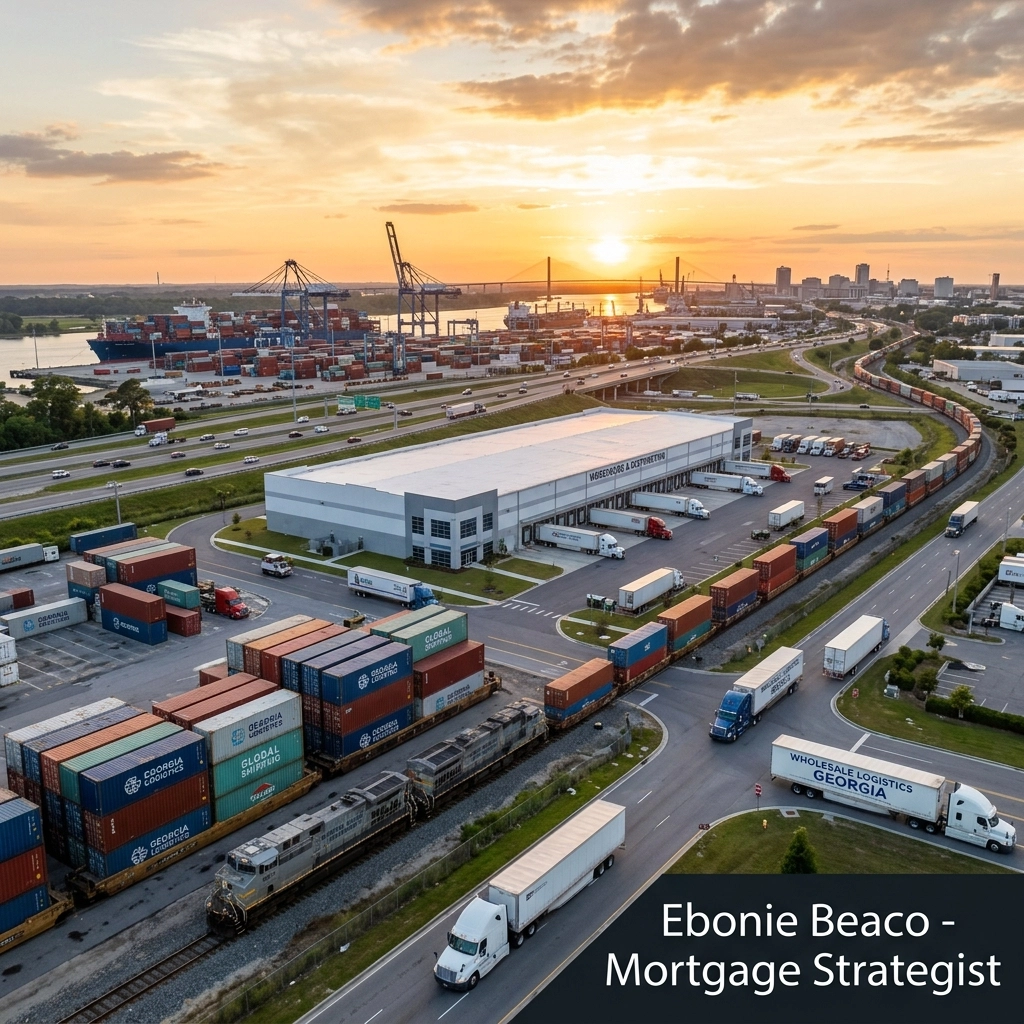
Georgia has transformed into a premier destination for wholesale logistics. With over 700 million square feet of warehouse distribution space and metro Atlanta accounting for nearly 300 million of that, the demand for strategically located property is skyrocketing.
As a wholesaler, you are the middleman who connects motivated sellers with cash buyers. But to do this effectively in 2026, you need to understand the logistics of the transaction. You aren't just selling a house; you are selling a contract and a timeline.
Understanding Real Estate Wholesale Contracts
A real estate wholesale contract is the legal foundation of your entire operation. This is a standard purchase and sale agreement, but with specific clauses that allow you to "assign" the contract to a third party.
Real Estate Wholesale Contract: A legally binding agreement between a seller and a wholesaler that gives the wholesaler the right to purchase the property, which they then intend to sell to an end buyer.
In Georgia, as well as CA and FL, your contract must be clear about your intent. Transparency is vital. When you speak to a seller, you should be upfront that you are an investor looking to partner with others to close the deal. This builds trust and ensures the logistics of the closing go smoothly.
Assignment of Contract: The Bread and Butter
The most common way to exit a wholesale deal is through an assignment of contract. This is where the logistics of your paperwork really come into play.
Assignment of Contract: A legal document that transfers the rights and obligations of a purchase agreement from the original buyer (the wholesaler) to a new buyer (the investor).
Instead of you buying the property and then selling it, you sell the "right to buy" the property. You charge an assignment fee for your work in finding the deal and managing the logistics.
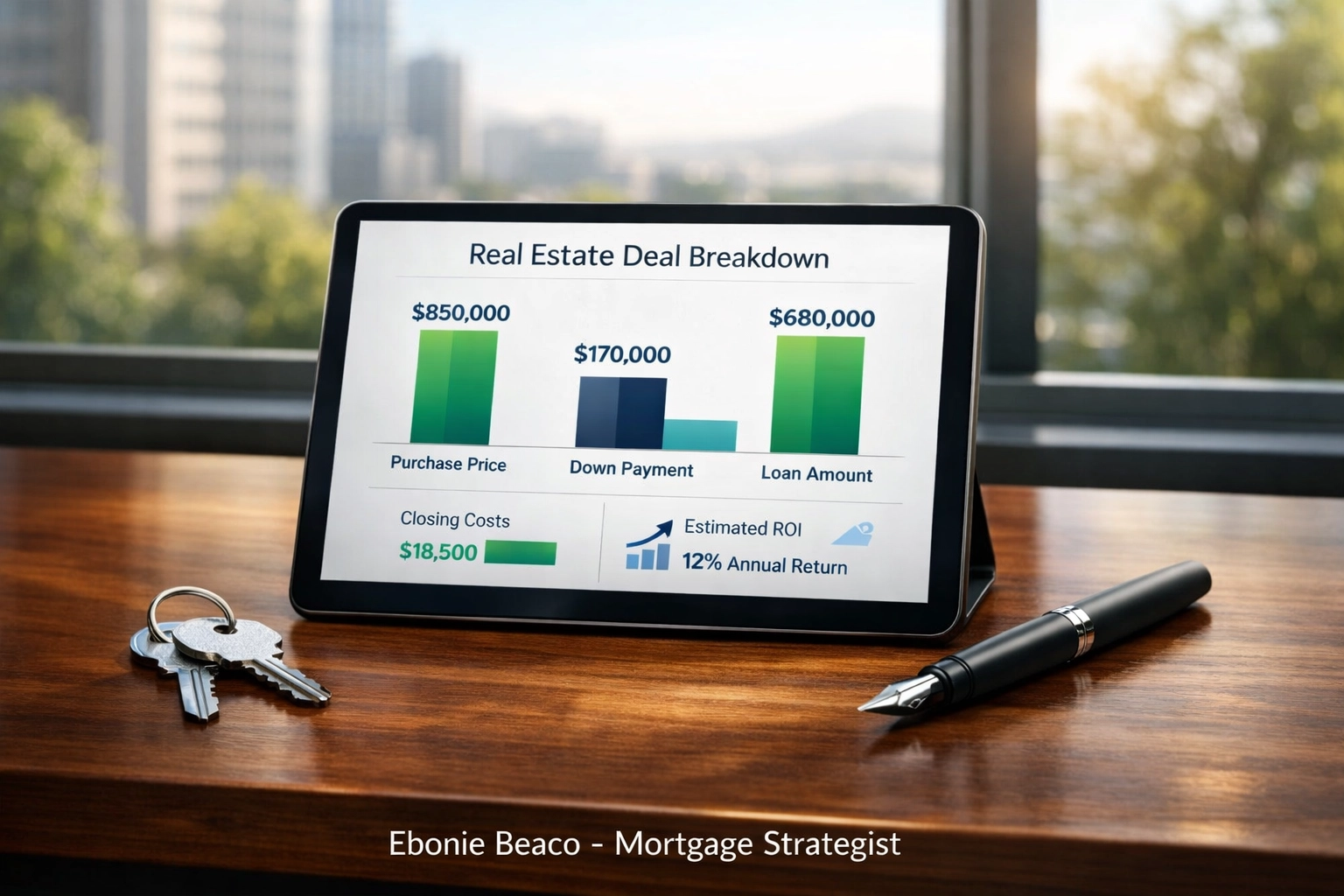 Visual: A breakdown of an assignment deal showing a $250,000 purchase price, a $275,000 sale price to the end investor, and a $25,000 assignment fee.
Why Assignments Work
- Low Capital Requirement: You usually only need a small amount of Earnest Money Deposit (EMD).
- Speed: You can often close the deal in two weeks or less.
- Simplicity: One closing, one set of paperwork for the seller.
Double Closings: When to Keep Things Private
Sometimes, an assignment of contract isn't the best move. If you are making a massive assignment fee: say $50,000 or more: some end buyers or sellers might get "fee fatigue." This is where double closings come in.
Double Closing: Two separate real estate transactions occurring back-to-back, where the wholesaler purchases the property from the seller and immediately sells it to the end buyer.
In markets like Atlanta or Miami, double closings are common for larger deals. They allow you to keep your profit private. However, they require more logistical planning because you need "transactional funding" or a bridge loan to cover the first leg of the transaction.
The Georgia Logistics Advantage
Why is Georgia specifically such a powerhouse for wholesaling right now? It comes down to infrastructure. Georgia’s strategic location provides access to 80% of U.S. markets within a two-day delivery window.
If you are wholesaling properties in areas like Locust Grove, Augusta, or Macon, you are tapping into a network of over 118,000 miles of public highways and the busiest airport in the world. Real estate investors aren't just looking for "flips"; they are looking for short-term rentals, long-term holds, and even industrial conversions.
When you source a deal near the Port of Savannah or the intersection of I-75 and I-16 in Macon, you are providing a high-value asset to an investor who likely wants to use a DSCR investor loan to hold the property for long-term cash flow.
Financing for Your End Buyers
As a wholesaler, your job doesn't end when you find the deal. To ensure the deal closes, you need to make sure your end buyer has their financing in order. If your buyer's loan falls through, your assignment fee vanishes.
This is where understanding the different loan programs becomes your secret weapon. You should be able to guide your buyers toward the right financing for their strategy:
- Fix and Flip Loans: For investors looking to renovate and sell quickly.
- DSCR Rental Property Loans: For landlords who want to qualify based on the property’s income rather than their personal DTI.
- Conventional Loans: For those looking for the lowest rates on long-term holds. Explore conventional loans here.
- Jumbo Loans: For high-end flips in markets like Buckhead or coastal California. Learn about jumbo loans here.
 Visual: A chart comparing Fix and Flip interest rates vs. DSCR loan terms to help wholesalers explain options to their buyers.
Logistics of a Successful Georgia Wholesale Deal
To succeed in the Georgia market, follow this logistical checklist:
- Lead Generation: Focus on high-growth corridors near logistics hubs like the Port of Savannah or Atlanta’s major interstates.
- Property Analysis: Calculate the After Repair Value (ARV) and the Maximum Allowable Offer (MAO).
- Contract Execution: Use a solid real estate wholesale contract with clear assignment language.
- Buyer Matchmaking: Connect the deal with an investor. Use our mortgage calculators to help them estimate their potential payments.
- Disposition Logistics: Decide between an assignment of contract or a double closing.
- The Hand-off: Ensure the end buyer is working with a reliable lender like Home Loans Network to secure their fix and flip financing.
Scaling Your Wholesale Business in 2026
If you want to move from doing one deal a month to ten, you have to treat your business like a logistics firm. Implement advanced inventory tracking for your leads and utilize professional warehouse management strategies if you are moving into the industrial wholesaling space.
In Georgia, 3PL (Third-Party Logistics) providers are reducing operational costs for businesses by 15-30%. You can apply the same logic to your real estate business by outsourcing your cold calling, lead intake, and transaction coordination.
By freeing up your time, you can focus on the high-level strategy: finding the best deals in the hottest markets. Whether it’s a refinance strategy for a landlord or a hard money loan for a flipper, knowing the financing side makes you an indispensable partner.
Partnering for Success
The logistics of wholesaling are complex, but you don't have to navigate them alone. Whether you are a wholesaler looking for a reliable lender for your buyers, or an investor looking to fund your next acquisition in Georgia, Florida, or California, we are here to help.
Explore our loan process to see how we make closing easy for you and your buyers. We specialize in everything from VA loans for military investors to interest-only mortgages for sophisticated cash-flow players.
Jump in and start scaling your portfolio today. The Georgia market is moving fast, and the right logistics will put you at the front of the line.
Schedule a 1 on 1 at https://calendly.com/homeloansnetwork
Ebonie Beaco Mortgage Strategist | Senior Loan Officer Home Loans Network powered by Loan Factory Inc. NMLS #2389954 HomeLoansNetwork.com 312-392-0664