The Ultimate Guide to Scaling Your Real Estate Wholesale Business: From Solo to Systematized

Moving from a solo real estate wholesaler to a systematized business owner is the most significant leap you can take in your investment career. Most wholesalers get stuck in the "hustle cycle": constantly chasing the next lead, negotiating every deal themselves, and managing every detail of the transaction. While this is necessary at the start, it is not a sustainable way to achieve long-term wealth or freedom.
To scale, you must transition from working in your business to working on your business. This guide provides a comprehensive roadmap for scaling real estate wholesale operations, focusing on the markets where we see the most activity: Georgia, Florida, and California.
The Core Philosophy: From Hustler to CEO
Scaling is about building a machine that operates independently of your daily physical presence. In the beginning, you are the marketing department, the acquisitions manager, and the disposition specialist.
To reach the next level, you must replace yourself in each of these roles with specialized team members and automated technology. Explore how your role changes as you move through these phases of growth.
Phase 1: The Foundation Phase (0–3 Deals)
During the foundation phase, your primary objective is validating the business model. You need to prove that you can source properties at a deep discount and find cash buyers ready to close.
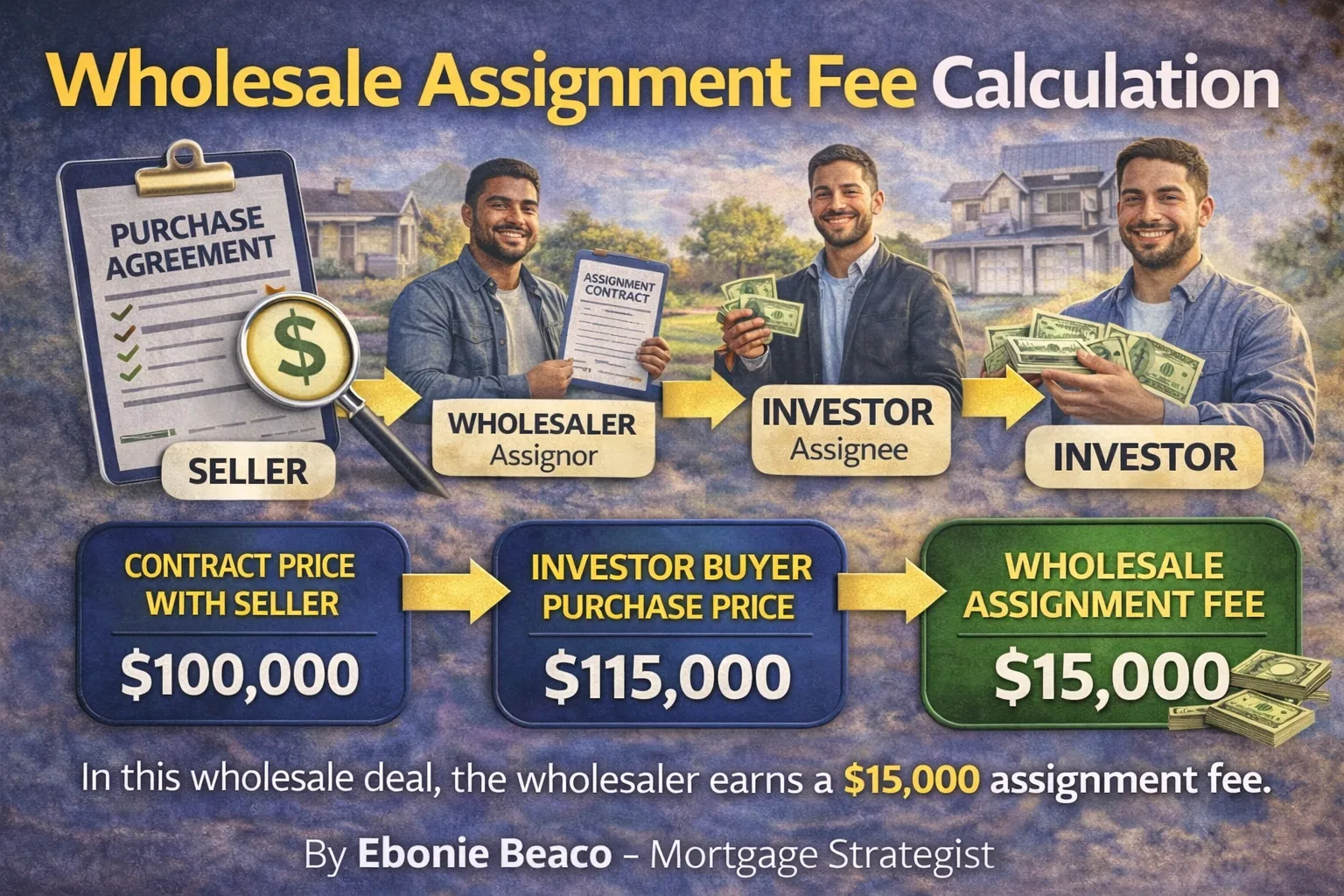
Wholesaling: the practice of securing a property under contract and assigning that contract to an end-buyer for a fee.
In this stage, you typically handle everything. You are pulling lists, sending direct mail, cold calling, and walking properties. While manual, this phase is critical because it teaches you the mechanics of an Atlanta investment property deal or a high-equity flip in Florida.
Phase 2: Systematized Operations (4–10 Deals)
Once you have consistent deal flow, you must implement a Centralized Management System. This usually involves a CRM (Customer Relationship Management) tool to track every lead from the first touchpoint to the closing table.
Jump in and review your data. If you aren't tracking your cost per lead and your conversion rates, you are not scaling; you are just getting lucky. Access our mortgage calculators to help your end-buyers understand their potential ROI, which makes your deals easier to move.
Building the Systems Architecture
Scaling real estate wholesale requires a "tech stack" that reduces human error and increases speed. In competitive markets like California or Florida, speed is the most important factor in securing a contract.
1. Lead Generation Automation
Stop manually pulling lists every week. Use automated tools to skip trace and segment your data. Whether you are targeting pre-foreclosures in Georgia or high-equity seniors in Florida, your marketing should run on a schedule without your manual intervention.
2. Standard Operating Procedures (SOPs)
SOPs: documented, step-by-step instructions that outline how a specific task should be performed within the business.
If you don't have a written process for how to handle an inbound lead, how to run comparables, or how to send an assignment contract, you cannot hire effectively. Document every single move you make for 30 days. This becomes your training manual for your first hire.
3. Transaction Management
As your volume increases, the paperwork becomes a bottleneck. Utilizing a transaction coordinator ensures that title issues are resolved early and that both the seller and the buyer stay informed throughout the process. Explore our FAQ page to understand common title and financing questions that might arise during a wholesale transaction.
Strategic Team Building: Your First Three Hires
You cannot scale to a seven-figure wholesale business alone. The most successful investors in our network focus on building a lean but highly effective team.
The Acquisitions Manager
This is usually your first major hire. Their job is to take the leads your marketing generates and turn them into signed contracts. They need to be experts in negotiation and understanding seller psychology.
The Dispositions Manager
Your "Dispo" person is responsible for building and maintaining your cash buyer list. In markets like Atlanta, having a deep bench of ready-to-close investors is critical. They should be matching your deals with the right buyers based on their specific buy-box, whether that is fix-and-flip or long-term rental.
The Lead Manager/VA
Before a lead gets to your Acquisitions Manager, it should be scrubbed and qualified by a Lead Manager. Many wholesalers use Virtual Assistants (VAs) for this role to keep overhead low while ensuring no lead falls through the cracks.
Market Deep Dive: Scaling in High-Activity Regions
Scaling strategies must adapt to the geography of your market. Home Loans Network works extensively with investors in these regions, and we see distinct patterns in how successful wholesalers operate.
The Atlanta Investment Property Market
Atlanta remains a powerhouse for wholesalers due to its consistent population growth and diverse neighborhood profiles. Scaling here requires a "hyper-local" approach. You might focus on the Beltline for high-end flips or South Atlanta for high-yield rental acquisitions.
Investors in Georgia often use DSCR Loans (Debt Service Coverage Ratio) to exit their wholesale deals, meaning they buy from you and immediately finance the property based on its rental income potential.

The Florida Marketplace
Florida is a massive market for both domestic and international investors. Scaling here often involves targeting niche lists like out-of-state owners or probate properties. Because Florida has high competition, your "speed to lead" must be exceptional.
The California Landscape
California deals typically offer much higher assignment fees but require significantly more precision in underwriting. A single mistake in a California comparable can cost an investor six figures. Wholesalers scaling in California often focus on "Wholetailing": buying the property, doing a quick cleanup, and putting it back on the MLS to capture a larger spread.
Leveraging Financing to Increase Your Close Rate
A common mistake wholesalers make is focusing only on the "assignment." If you want to scale, you should understand the financing options available to your buyers. When you can tell a buyer, "I have a deal, and I’ve already vetted it for a DSCR investor loan," you become a strategic partner rather than just a source of leads.
How DSCR Loans Support Wholesalers
DSCR Loan: a mortgage product that qualifies a borrower based on the property’s rental income rather than the borrower’s personal income or debt-to-income ratio.
When you find an Atlanta investment property that generates $2,500 in rent with a $1,800 mortgage payment, it qualifies for a DSCR loan. Explaining this to your cash buyers helps them scale their own portfolios, which in turn allows them to buy more deals from you.
Bridge and Fix-and-Flip Financing
For your buyers who are looking to renovate and sell, understanding the nuances of bridge loans is essential. These short-term financing solutions allow investors to close quickly on distressed properties: the exact type of inventory you are sourcing.

Financial Breakdown: The Math of Scale
To understand the impact of systematization, compare a solo operation to a scaled team.
Scenario A: Solo Wholesaler
- Marketing Spend: $2,000/month
- Leads Generated: 40
- Contracts Signed: 1
- Assignment Fee: $10,000
- Net Profit: $8,000 (but you worked 60 hours a week)
Scenario B: Scaled Wholesale Business
- Marketing Spend: $10,000/month
- Leads Generated: 200
- Contracts Signed: 6
- Average Assignment Fee: $12,000
- Gross Revenue: $72,000
- Team Commissions & Overhead: $25,000
- Marketing Cost: $10,000
- Net Profit: $37,000 (and you spent 5 hours a week on high-level strategy)
The math is clear. Scaling increases your top-line revenue and your profit margins by allowing you to focus on the highest-value activities. Access our about us page to learn more about how our team supports investors during this transition.
Managing the Risk of Growth
Scaling is not without its challenges. The most significant risk is "bloat": increasing your overhead faster than your revenue.
- Keep Marketing Consistent: Never turn off your marketing, even when your pipeline is full. The "rollercoaster" of income in wholesaling is usually caused by stopping marketing to focus on closing current deals.
- Verify Your Buyers: As you scale, you will encounter "tire-kickers." Ensure your Dispositions Manager is vetting every buyer for proof of funds and a history of closing.
- Stay Compliant: Real estate laws vary significantly between states like California and Georgia. Always have your contracts reviewed by a local attorney to ensure your assignment process is legal and transparent.

Summary of Key Takeaways
- Systematize before you hire: Document your processes to ensure your team has a roadmap for success.
- Focus on high-velocity markets: Target regions like Atlanta, Florida, and California where investor demand remains high.
- Understand financing: Help your buyers close by understanding DSCR, hard money, and bridge loan options.
- Track everything: Your data is your most valuable asset when deciding where to allocate your marketing budget.
Scaling a wholesale business is a journey from "doing" to "leading." By implementing the right systems, hiring the right talent, and understanding the financing landscape, you can build a business that provides both wealth and freedom.
Compare your current growth strategy with the financing options available to your buyers.
Schedule a 1 on 1 at https://calendly.com/homeloansnetwork
Ebonie Beaco
Mortgage Strategist | Senior Loan Officer
Home Loans Network powered by Loan Factory Inc.
NMLS #2389954
HomeLoansNetwork.com
312-392-0664