The Ultimate Guide to Scaling Real Estate Wholesale: Everything You Need to Succeed in FL and CA

Scaling a real estate wholesale business in 2026 requires a shift from being a solo hustler to becoming a strategic business owner. While many people start by chasing individual deals, the real wealth is built by creating a machine that generates consistent leads and closes transactions in high-demand markets like Florida, California, and Georgia.
The landscape for wholesaling has evolved, particularly with stricter regulations and more sophisticated sellers. To stay ahead, you need to understand the nuances of different state laws, build a team that can operate without you, and leverage the right financing strategies when you decide to transition from wholesaling to holding properties.
Understanding the Fundamentals of Real Estate Wholesaling
Before you can scale, you must have a rock-solid foundation. Wholesaling is essentially the art of marketing and contract management.
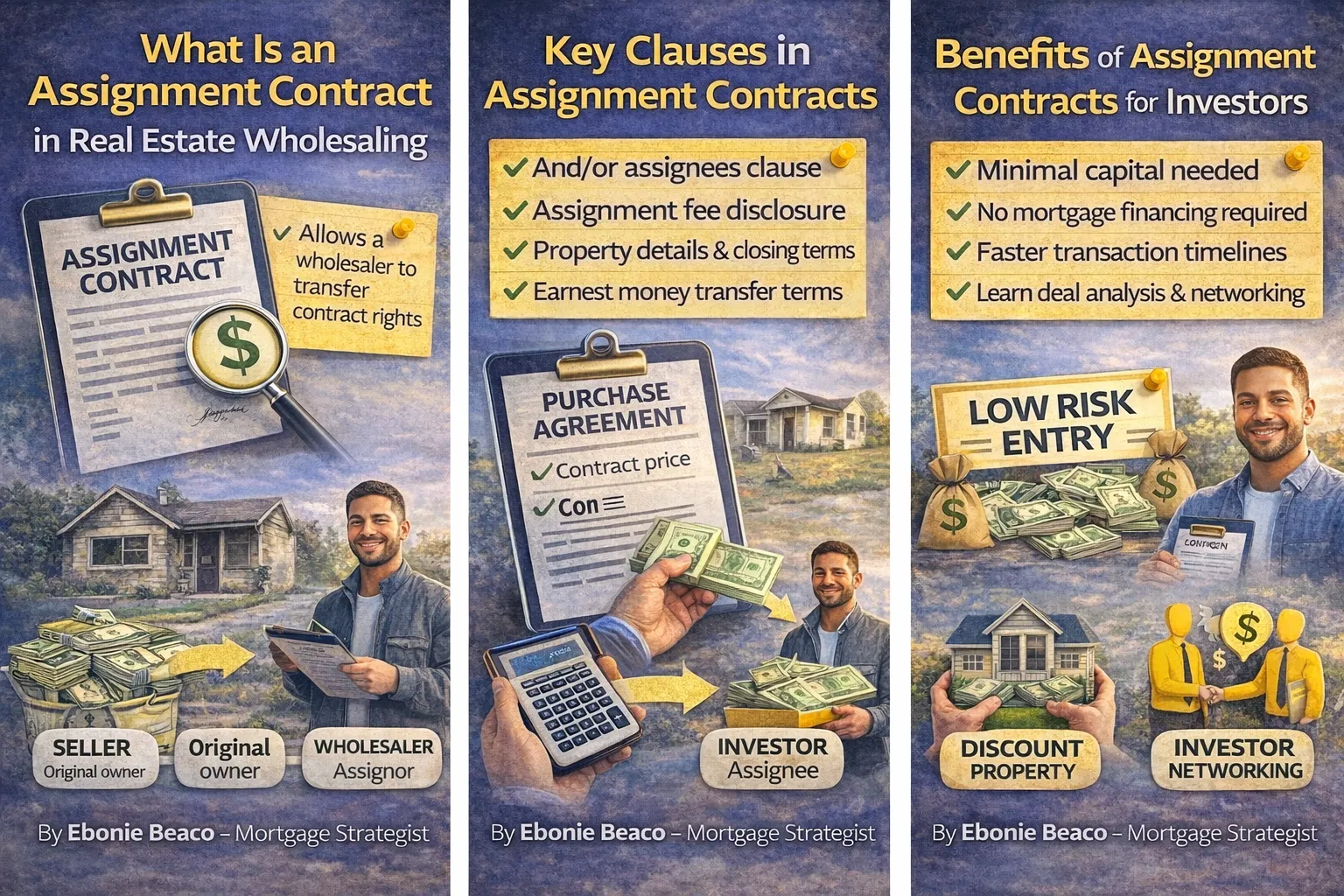
Wholesaling: The process of finding deeply discounted properties from motivated sellers and assigning the purchase contract to an investor for a fee.
Practical application: You act as the bridge between a homeowner who needs to sell quickly and an investor looking for their next project.
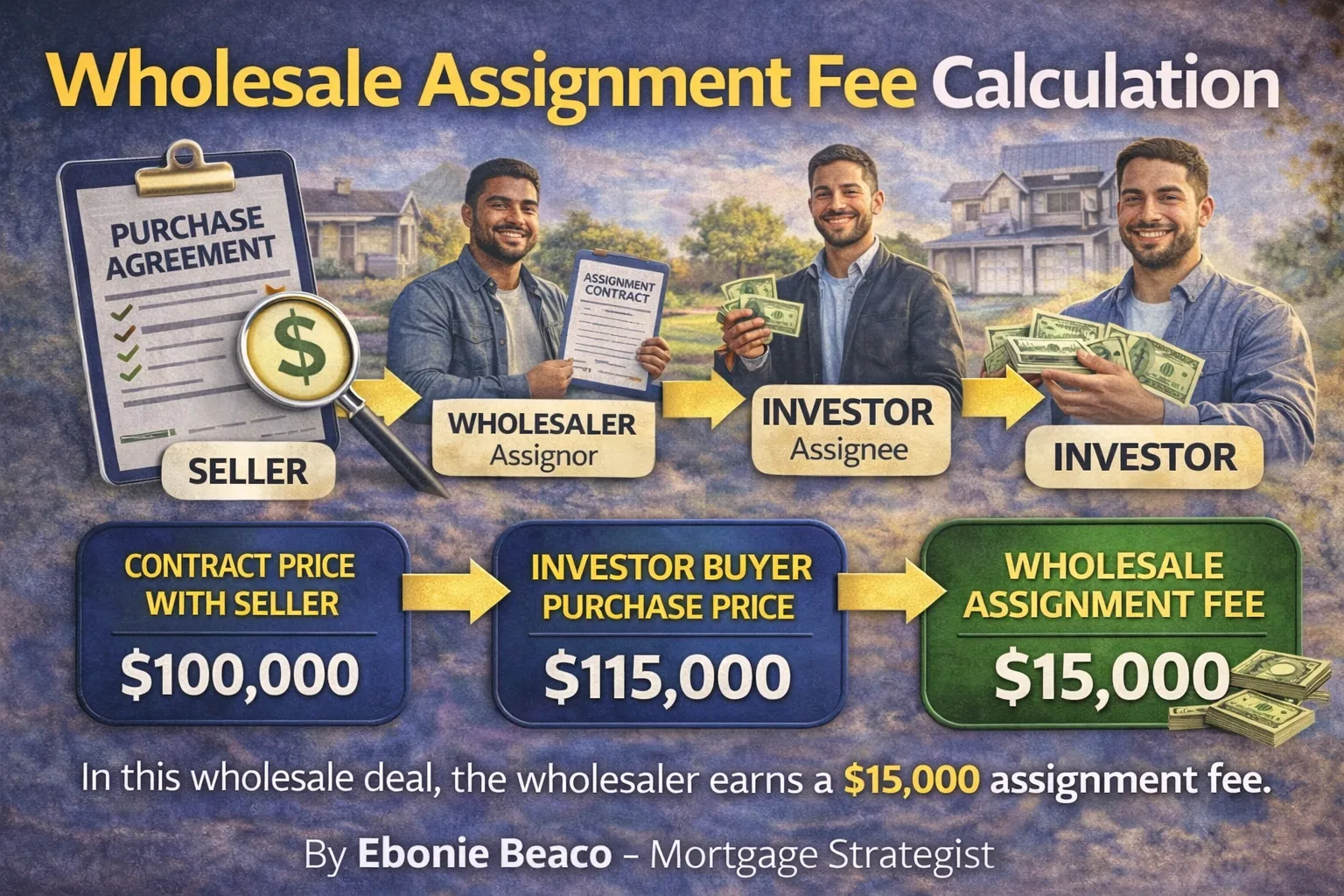
Assignment Fee: The profit earned by a wholesaler for transferring their interest in a purchase agreement to a cash buyer.
Benefit: This allows you to generate significant income without using your own credit or capital to purchase the property.
Motivated Seller: A property owner facing a situation: such as probate, foreclosure, or major repairs: that makes a quick, cash sale more attractive than a traditional listing.
Practical application: Identifying these individuals early through skip tracing and direct marketing is the lifeblood of your lead pipeline.
Double Closing: A transaction where the wholesaler purchases the property from the seller and immediately resells it to the end buyer in a separate closing.
Benefit: This strategy is often used when the assignment fee is very large and the wholesaler prefers to keep their profit margin private from both parties.
Navigating State-Specific Regulations in Florida and California
Scaling requires you to be a master of the legal landscape. Operating in Florida is very different from operating in California, and failing to understand these differences can put your business at risk.
The Florida Market and Chapter 475
Florida remains one of the most active states for wholesaling, but you must remain compliant with Florida Statute Chapter 475. This law governs real estate brokers and sales associates.
In Florida, you are not legally allowed to market a property you do not own unless you have a real estate license. However, you can legally market your contractual interest in the property. This means your advertisements should focus on the fact that you are selling a contract, not the house itself.
Assignment fees in Florida markets like Miami, Orlando, and Tampa can range from $10,000 to over $50,000 for high-end deals. Many wholesalers in the Sunshine State utilize mortgage basics to educate their sellers on why a cash offer is more certain than a traditional financed offer.
The California Landscape
California is a high-ticket market where a single wholesale deal can net six figures. Because property values are so high, the stakes are equally elevated.
California has strict disclosure requirements. You must be transparent about your role as a wholesaler. While you do not necessarily need a license to wholesale your own contracts, having one can provide an extra layer of legal protection and access to the MLS.
If you are looking to scale in cities like Los Angeles, San Diego, or Sacramento, you need to build a massive cash buyer list. High-net-worth investors in California move fast, and they expect professionalized deal packages with accurate mortgage calculators and ROI projections.
Scaling Through Team Building and Delegation
You cannot scale if you are the one doing the cold calling, the property inspections, and the contract signatures. A solo wholesaler usually plateaus at one or two deals a month. To reach five to ten deals a month, you must build a team.
The Acquisitions Manager
Acquisitions Manager: A team member dedicated to talking to leads, negotiating with sellers, and getting contracts signed.
Benefit: This role frees you up to focus on high-level strategy and market expansion rather than spending all day on the phone.
The Transaction Coordinator (TC)
Transaction Coordinator: A professional who manages the paperwork and communication between the title company, the seller, and the buyer once a contract is signed.
Practical application: A TC ensures that every deal reaches the closing table without hitches, which is vital when you have multiple contracts moving simultaneously.
The Dispositions Manager
Dispositions Manager: A person responsible for marketing your deals to your cash buyer list and securing the highest possible assignment fee.
Benefit: By having a dedicated "dispo" person, you ensure your properties are seen by the right investors quickly, reducing the time your contracts sit open.

Dominating the Atlanta Investment Property Market
While Florida and California offer high margins, the Atlanta metro area has become a powerhouse for wholesalers. Scaling into the Atlanta market requires an understanding of the local neighborhoods and the specific needs of Georgia-based investors.
An Atlanta investment property often appeals to buy-and-hold investors looking for a balance of cash flow and appreciation. When wholesaling in Atlanta, your "dispo" strategy should target landlords who are looking for rental properties they can finance using loan programs like DSCR (Debt Service Coverage Ratio) loans.
The competition in Atlanta is fierce. To succeed, you need to utilize advanced skip tracing and perhaps even virtual assistants to handle the initial outreach. If you can provide a turnkey-style deal to an Atlanta investor, you can command a premium assignment fee.
Using Financing to Transition from Wholesaler to Investor
The most successful wholesalers eventually realize that they are giving away the best deals to other people. Scaling your wealth often involves keeping some of the properties you find.
To do this, you need to understand how to leverage equity and financing. Many wholesalers use the profits from their assignment fees as down payments for their own rental portfolios.
Cash-Out Refinance Strategies
Cash-Out Refinance: Replacing an existing mortgage with a new loan for more than you owe on the property and taking the difference in cash.
Practical application: If you wholesale a deal to yourself and renovate it, you can use a home refinance to pull out your initial capital and use it to fund your next three wholesale marketing campaigns.
DSCR Loans for Scaling
DSCR Loan: A mortgage program for investment properties that qualifies the borrower based on the property’s rental income rather than personal debt-to-income ratios.
Benefit: This is the ultimate tool for a scaling wholesaler because it allows you to acquire multiple properties without being limited by your personal income or tax returns.
Essential Systems for a Scalable Wholesaling Business
To manage a business across FL, CA, and GA, you need technology. Without systems, leads will fall through the cracks and your reputation will suffer.
- CRM (Customer Relationship Management): Use a tool like Podio or REsimpli to track every lead from the first call to the final check.
- Automated Follow-Up: Most deals are closed between the 5th and 12th contact. If you are not using automated SMS and email sequences, you are leaving money on the table.
- Key Performance Indicators (KPIs): You must track your cost per lead and your lead-to-contract ratio. If you don't know your numbers, you don't have a business; you have a hobby.
- Virtual Assistants (VAs): Hire VAs from overseas to handle the repetitive tasks like data entry and initial cold calling. This keeps your local team focused on closing.
Explore our online forms to see how professional documentation can streamline your operations.
The Role of a Mortgage Strategist in Your Growth
As you scale, your relationship with a mortgage professional becomes your greatest asset. Wholesaling provides the cash, but financing provides the scale.
By working with a mortgage strategist who understands investor needs, you can learn how to structure deals that are attractive to your cash buyers. For example, if you know a property qualifies for a specific home purchase program, you can include that information in your deal blast to investors.
When you are ready to transition from wholesaling to buying, you should pre-qualify to understand exactly how much purchasing power you have built through your wholesale profits.

Conclusion: Building Your Wholesale Empire
Scaling a real estate wholesale business in Florida, California, and Atlanta is about moving from a "worker" mindset to a "CEO" mindset. It requires a commitment to legal compliance, a dedicated team, and the smart use of financing to grow your personal wealth.
Start by mastering your local regulations, then implement a CRM to manage your flow. As your assignment fees grow, look toward keeping the best deals for yourself and using strategic loan programs to build a lasting legacy.
If you are ready to see how your wholesale profits can be turned into a long-term investment portfolio, or if you need to help your buyers find the right financing for the deals you are selling, reach out for a strategy session.
Schedule a 1 on 1 at https://calendly.com/homeloansnetwork
Ebonie Beaco
Mortgage Strategist | Senior Loan Officer
Home Loans Network powered by Loan Factory Inc.
NMLS #2389954
HomeLoansNetwork.com
312-392-0664