The Ultimate Guide to Scaling Real Estate Wholesale: Everything You Need to Succeed in CA, FL, and Atlanta

Wholesaling real estate serves as one of the fastest entry points into the property market. It requires minimal personal capital while offering high potential for significant assignment fees.
To transition from a solo "hustler" to a scalable business owner, you must move beyond finding occasional deals. Scaling involves building systems that allow you to operate in high-demand markets like California, Florida, and Georgia simultaneously.
Explore the strategies required to systematize your lead generation and manage your buyer relationships with professional transparency.
Defining the Wholesale Mechanics
Wholesaling: A real estate strategy where an individual enters into a contract to purchase a property and then assigns that contract to an end buyer for a fee.
The wholesaler acts as the middleman, connecting distressed sellers with investors looking for their next project.
Assignment Fee: The dollar amount a wholesaler earns for transferring their interest in a purchase contract to a third party.
This fee represents the spread between the price negotiated with the seller and the price paid by the end buyer.
Double Closing: A transaction where the wholesaler actually purchases the property and immediately sells it to another buyer in a back-to-back settlement.
This method is often used when the assignment fee is exceptionally large or when the original seller prefers not to see the wholesaler's profit margin.
Market Analysis: Scaling Across CA, FL, and Atlanta
Navigating the California Landscape
California remains a high-stakes environment for wholesalers due to elevated property values and strict disclosure requirements. Scaling here requires a deep understanding of equity and the ability to find "off-market" gems in dense metropolitan areas like Los Angeles or San Diego.
Investors in California often look for properties that qualify for a Fixed-Rate Mortgage after the renovation is complete. Because the entry price is high, your accuracy in estimating the After Repair Value (ARV) must be flawless to maintain your reputation.
Capitalizing on the Florida Growth
Florida offers a different dynamic characterized by rapid population growth and a high volume of out-of-state investors. From Miami to Jacksonville, the demand for "fixer-uppers" is constant, especially for properties suitable for short-term rentals.
Wholesalers scaling in Florida often focus on properties that can eventually be financed through Interest-Only Mortgages or other investor-friendly products. Transparency regarding flood zones and insurance costs is critical for building trust with your cash buyers in this region.
The Atlanta Investment Property Boom
Atlanta, Georgia, has become a primary hub for real estate investors. The city’s diverse neighborhoods provide various opportunities, from high-end flips in Buckhead to affordable rental acquisitions in South Atlanta.
To scale an Atlanta investment property wholesale business, you need to understand the local "path of progress." Identifying areas where the city is investing in infrastructure allows you to secure contracts in neighborhoods before they reach peak pricing.

A comparison chart showing median entry prices and average assignment fees across CA, FL, and Atlanta markets.
Systems for Sustainable Lead Generation
Scaling is impossible if you are the only person looking for deals. You must implement automated marketing funnels to keep your pipeline full.
Direct Mail: Sending physical letters or postcards to targeted lists of homeowners, such as those in probate or facing foreclosure.
This approach reaches sellers who may not be active online or who prefer traditional communication.
Cold Calling: The process of reaching out to property owners via telephone to gauge their interest in a cash offer.
Scaling this involves hiring virtual assistants to handle the initial outreach, allowing you to focus only on qualified leads.
PPC (Pay-Per-Click): Using search engine advertising to capture motivated sellers searching for terms like "sell my house fast."
This provides a steady stream of inbound leads from sellers who are actively seeking a solution.
The Role of Financing in the Wholesale Ecosystem
While wholesalers do not always need traditional financing themselves, understanding the loan landscape is vital for qualifying your cash buyers. If your buyer cannot close, you do not get paid.
Experienced wholesalers often vet their buyers by asking about their funding sources. Many professional investors use Jumbo Loans for high-end flips or Conventional Loans for long-term holds.
If you are performing a double closing, you might need to access "transactional funding." This is a short-term loan that covers the purchase price for a few hours or days until the end buyer’s funds arrive.
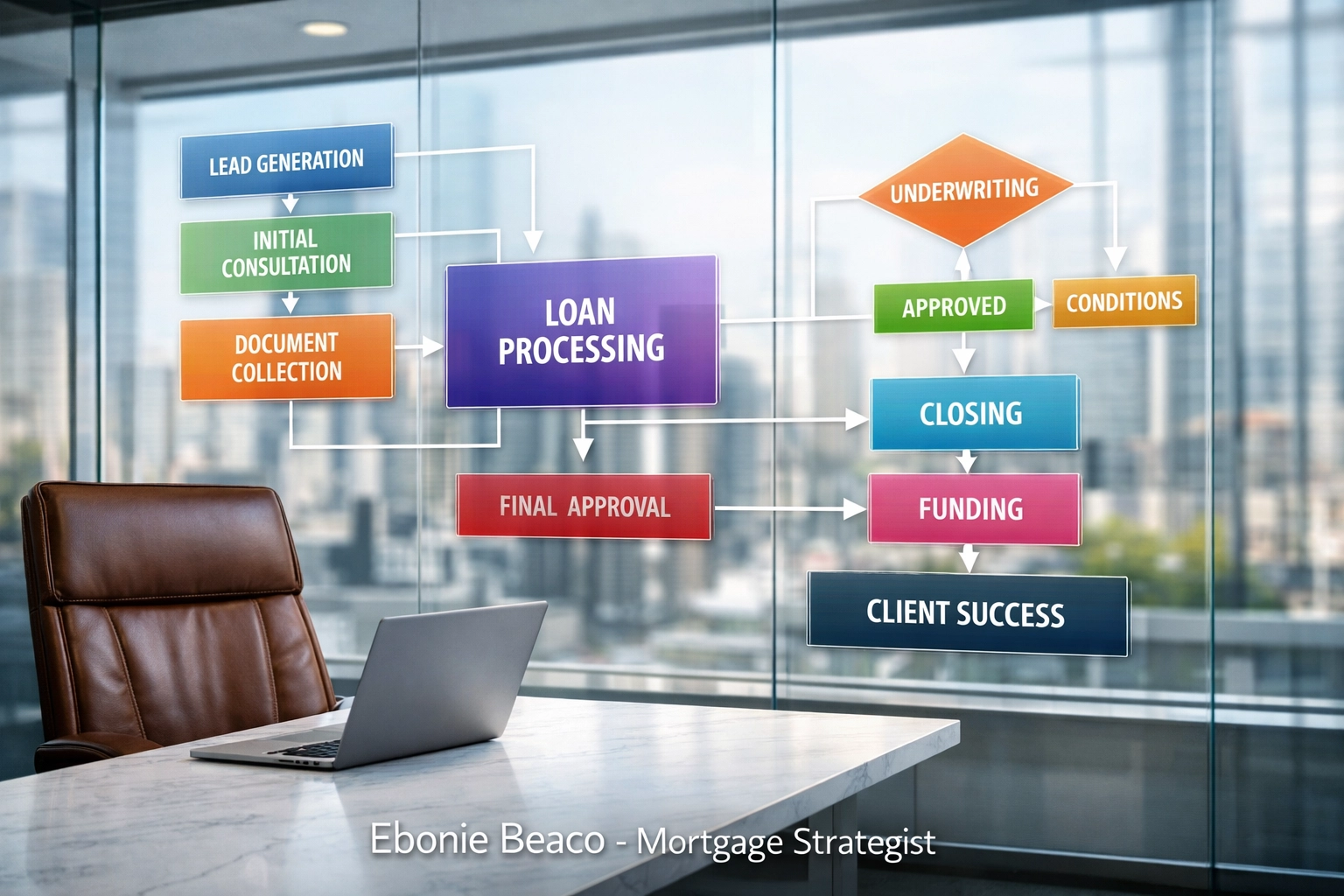
A workflow diagram illustrating the step-by-step process of lead generation, contract negotiation, and the assignment of the deal.
Financial Example: The Atlanta Wholesale Deal
To understand the potential of scaling, look at a real-world scenario for an Atlanta investment property.
Imagine you locate a distressed property in a transitioning Atlanta neighborhood.
- Estimated ARV (After Repair Value): $350,000
- Repairs Needed: $60,000
- Wholesaler Profit Goal: $15,000
Using the standard 70% Rule (paying 70% of ARV minus repairs), the math looks like this:
($350,000 x 0.70) - $60,000 = $185,000 Max Allowable Offer (MAO).
If you secure the contract at $170,000, you can assign it to a cash buyer for $185,000. Your assignment fee is the $15,000 difference. Scaling means doing five or ten of these transactions every month across multiple states.

A financial breakdown graphic showing the ARV, repair costs, and assignment fee for a sample Atlanta investment property deal.
Building a Robust Cash Buyers List
Your buyers list is your most valuable asset. Scaling requires a list that is segmented by location, budget, and investment strategy.
Access local networking events and online forums to find active buyers. Jump in by asking for proof of funds before adding someone to your "VIP" list. This ensures that when you send out a deal, it goes to people who have the liquidity to close quickly.
Compare the needs of a "Fix and Flip" investor versus a "Buy and Hold" landlord. The flipper wants a high margin, while the landlord may be more interested in cash flow and might use USDA Loans or VA Loans for their personal residence while turning their previous home into a rental.
Compliance and Transparency in Wholesaling
As you scale into different states, you must stay aware of local regulations. Some states, like Illinois, have specific licensing requirements for those who engage in multiple wholesale transactions within a year.
Maintain transparency by using clear disclosures in your contracts. Ensure the seller knows you are a principal in the transaction and that you intend to assign the contract for a profit. This builds a sustainable reputation and prevents legal complications during the loan process.

A visual timeline showing the different stages of scaling from a solo wholesaler to a multi-state operation.
Leveraging Technology for Growth
Utilize a CRM (Customer Relationship Management) system to track every interaction with sellers and buyers. Automated follow-up sequences ensure that no lead falls through the cracks.
Explore tools like mortgage calculators to help your buyers estimate their potential payments if they choose to use financing for their exit strategy. Providing this extra layer of value makes you a partner in their success, not just a source for deals.
Moving Toward a Professional Operation
Scaling a wholesale business is about moving from a "job" to an "enterprise." It requires shifting your focus from the daily grind of finding houses to the high-level management of systems and people.
By focusing on high-growth markets like California, Florida, and Atlanta, you position yourself where the capital is flowing. Whether your buyers are using FHA Loans to buy their first home or sophisticated investor products to build a portfolio, your role is to provide the inventory that makes the market move.
Are you ready to optimize your investment strategy or help your buyers secure the right financing?
Schedule a 1 on 1 at https://calendly.com/homeloansnetwork
Ebonie Beaco
Mortgage Strategist | Senior Loan Officer
Home Loans Network powered by Loan Factory Inc.
NMLS #2389954
HomeLoansNetwork.com
312-392-0664