The South Side Greystone: A Story of Chicago Restoration
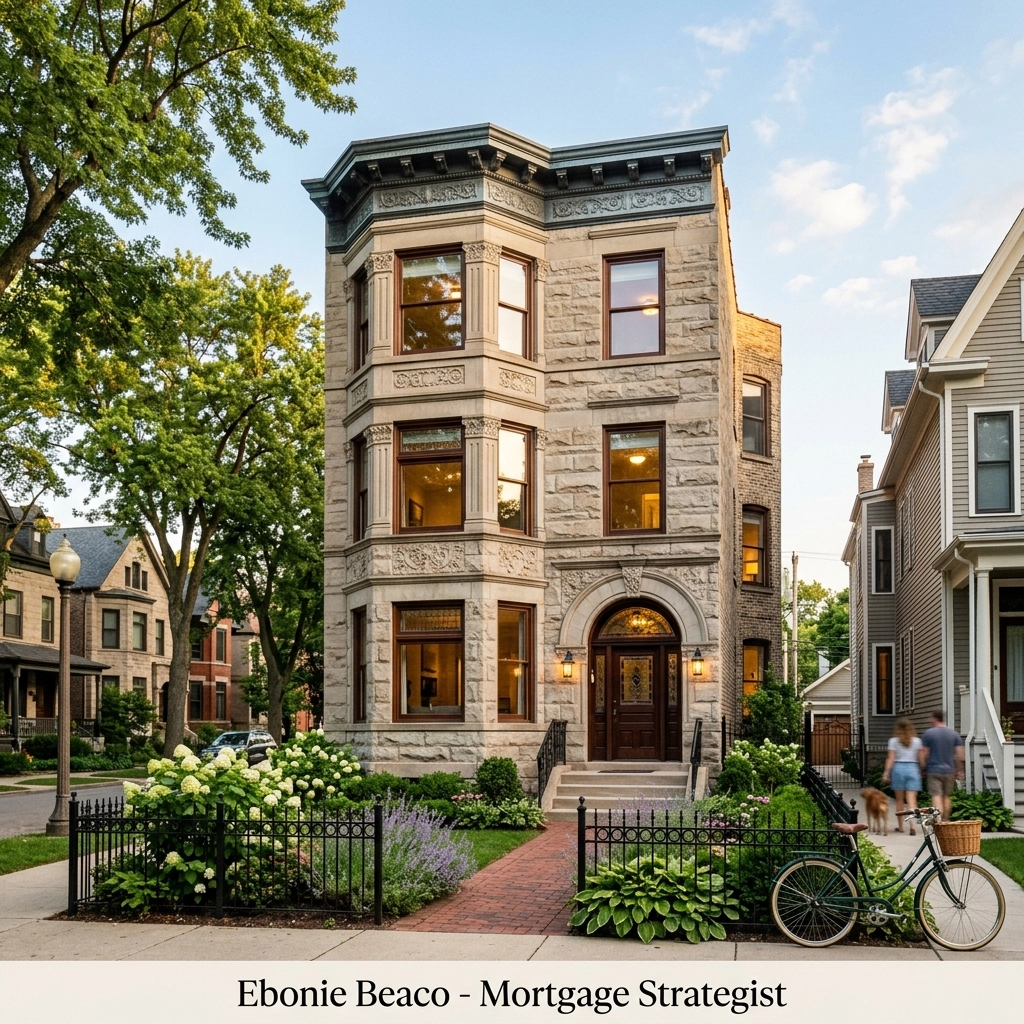
Walk through any neighborhood on the South Side of Chicago: places like Washington Park, Bronzeville, or Woodlawn: and you will see them. The Chicago Greystones. Built between 1890 and 1930, these Bedford limestone beauties are the architectural backbone of the city. They were built to last, but many have suffered through decades of neglect or fire damage.
For the modern real estate investor, these buildings represent more than just history. They represent a unique opportunity to revitalize a community while building significant equity. Restoration isn't just about picking out new tile; it is about navigating the complex world of Fix and Flip financing and understanding the specific heartbeat of the Chicago market.
Let’s explore how five different investors tackled the South Side Greystone, using varied strategies from Bridge Loans to DSCR financing to bring these "Grand Old Ladies" back to life.
Case Study 1: The Fire-Damaged Recovery in Washington Park
A fire-damaged property is often a nightmare for a traditional homebuyer, but for an experienced investor, it is a blank canvas. In Washington Park, a vintage greystone built in 1895 sat vacant after a devastating kitchen fire. The limestone facade remained strong, but the interior was a total loss.
The Strategy: The investor used a Fix and Flip Loan to cover both the acquisition and 100% of the renovation costs. Because the building was essentially a shell, the investor worked with a lender who understood ARV (After Repair Value).
The Numbers:
- Purchase Price: $170,000
- Renovation Budget: $180,000
- Total Investment: $350,000
- Projected ARV: $550,000
- Net Profit Potential: $200,000 (before points and interest)
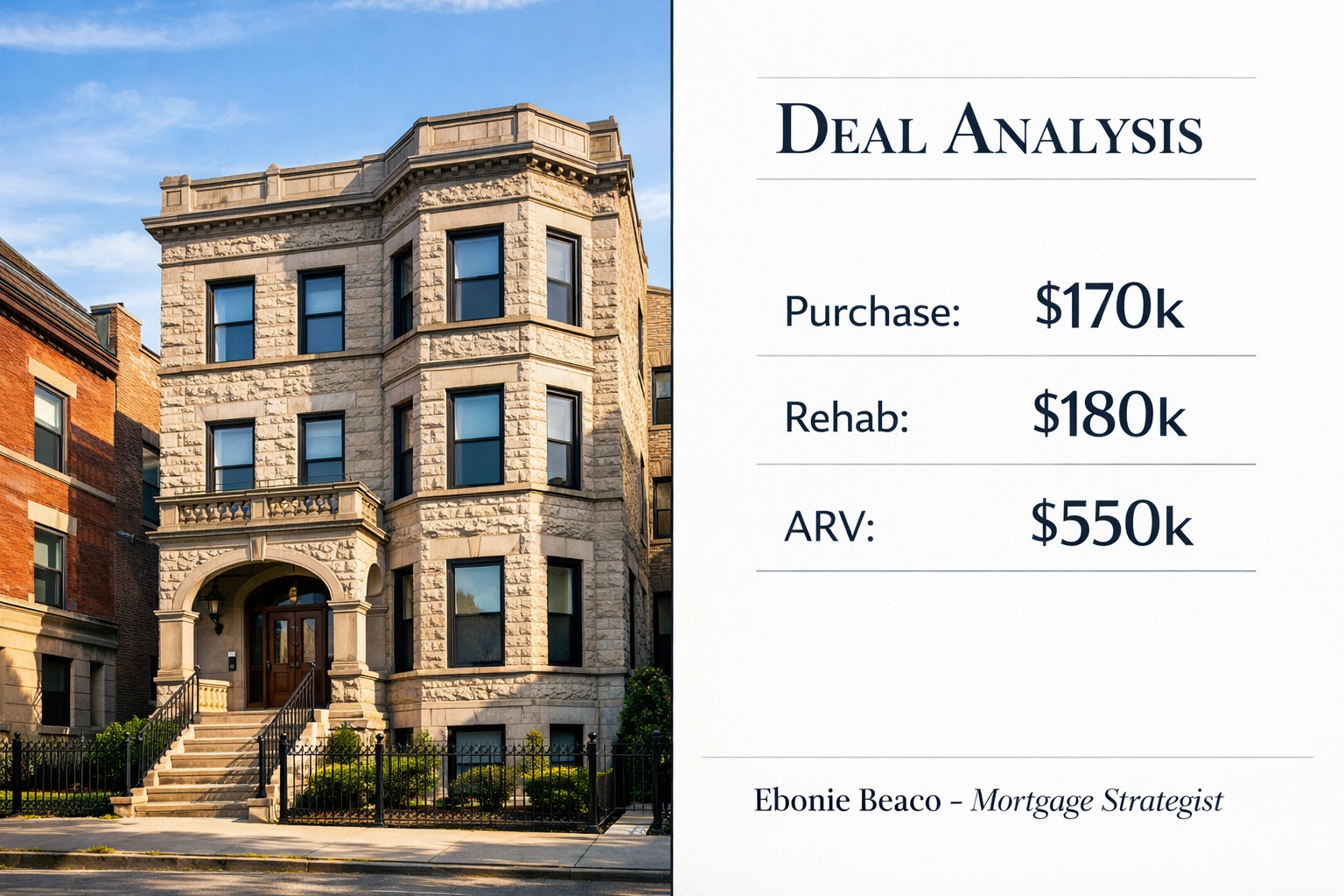
Fix and Flip Loan: A short-term financing solution used by investors to purchase and renovate a property before selling it for a profit.
- Practical Application: This allows you to leverage your capital so you can handle a massive $180,000 renovation without tying up all your personal cash.
Jump in and research the local application-checklist to see what you need to get started on a similar project.
Case Study 2: The Bronzeville Luxury Two-Flat
Bronzeville is experiencing a massive wave of restoration. Investors are moving away from cheap "landlord specials" and toward luxury finishes that honor the building’s history while providing modern amenities.
One investor found a Greystone two-flat that had been used as a rooming house for thirty years. The goal was to convert it back into two massive, luxury three-bedroom units. This required a Bridge Loan to move quickly because the property had multiple offers within 24 hours.
The Execution: The investor focused on Appraisals early in the process. By ensuring the finishes: like waterfall quartz countertops and restored original millwork: matched the high-end comps in the area, they secured a higher valuation.
The Numbers:
- Purchase Price: $325,000
- Renovation: $225,000
- Closing Costs: $15,000
- Sale Price: $725,000
Bridge Loan: A temporary loan used to "bridge" the gap between the purchase of a new property and the securing of permanent financing or the eventual sale.
- Practical Application: In competitive markets like Chicago, a bridge loan gives you the speed of a cash buyer.
Explore the nuances of closing costs so you aren't surprised at the finish line.
Case Study 3: The Woodlawn BRRRR Hybrid
Not every flip has to end in a sale. Some investors use the BRRRR method (Buy, Rehab, Rent, Refinance, Repeat). In Woodlawn, near the site of the future Obama Presidential Center, an investor targeted a greystone that needed significant mechanical updates but had a solid exterior.
The Strategy: The investor used a Hard Money Loan for the purchase and rehab. Once the units were leased at market rates, they transitioned into a DSCR (Debt Service Coverage Ratio) Loan. This allowed them to pull their original capital out of the deal and keep the property as a long-term rental.
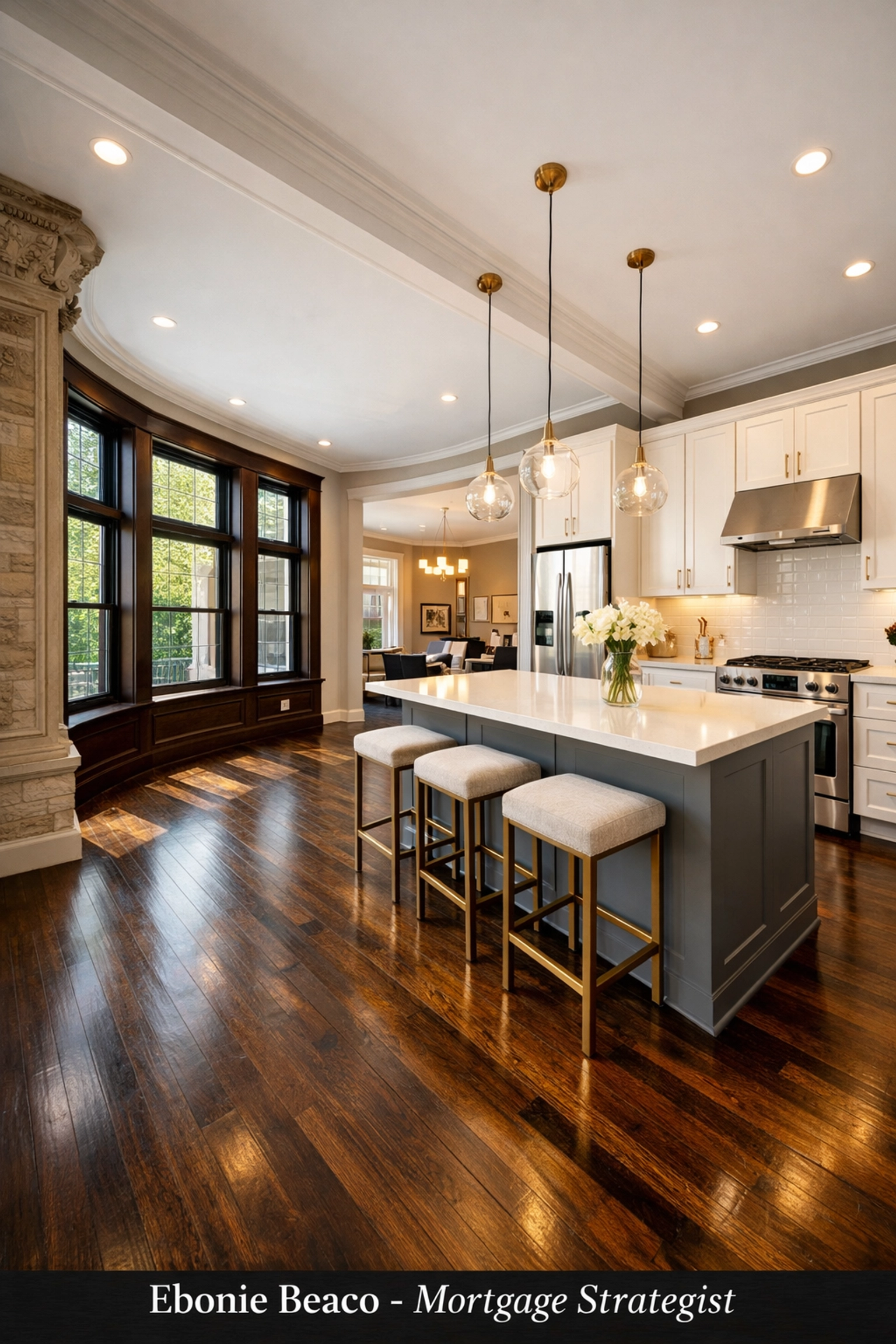
DSCR Loan: A loan for real estate investors where qualification is based on the property’s rental income rather than the borrower’s personal income or tax returns.
- Practical Application: If the rental income covers the mortgage payment (plus a little extra), you can qualify without showing personal pay stubs.
Access our mortgage-calculators to see how your potential rental income stacks up against a monthly payment.
Case Study 4: The Kenwood Architectural Salvage
Kenwood is known for its sprawling estates and historic mansions. A greystone here isn't just a house; it’s a piece of art. An investor group took on a property that had been stripped of its original features. Their mission was to find period-correct architectural salvage to restore the "soul" of the building.
The Investment: Restoration of this scale is expensive. They used a Cash-Out Refinance on a previous project in Indiana to fund the down payment for this Kenwood Greystone. By leveraging equity from a stabilized asset, they were able to tackle a high-stakes project in a premium neighborhood.
The Numbers:
- Equity Pulled from Previous Asset: $250,000
- Kenwood Purchase: $500,000
- Rehab (High-end Restoration): $300,000
- Final Value: $1,100,000
Cash-Out Refinance: A refinancing of an existing mortgage where the new loan is for a larger amount than the existing one, and the difference is paid to the borrower in cash.
- Practical Application: This turns your "lazy equity" into an active down payment for your next acquisition.
Compare your current equity levels and see if a home-refinance could fund your next flip.
Case Study 5: The South Shore "Micro-Flip"
Sometimes, you don't need a full gut renovation. In South Shore, an investor found a greystone that was structurally sound but aesthetically dated. This was a "lipstick and carpet" job, but with a Chicago twist: restoring the limestone facade to its original luster.
The Execution: Instead of a full construction loan, the investor used a HELOC (Home Equity Line of Credit) from their primary residence to fund the quick cosmetic updates. They were in and out of the project in 90 days.
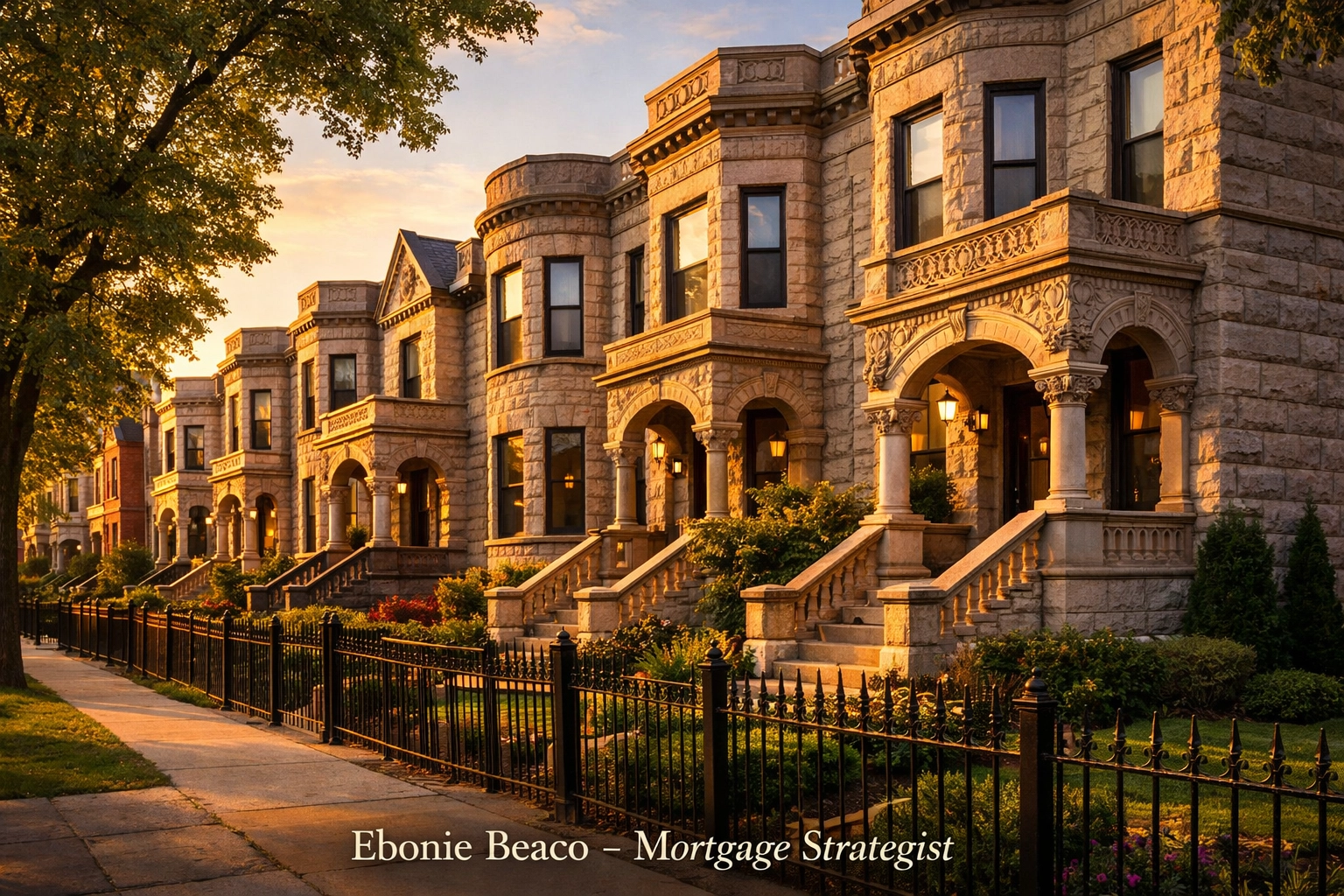
HELOC: A revolving line of credit that allows homeowners to borrow against the equity in their home as needed.
- Practical Application: Perfect for small-to-medium renovations where you need flexible access to cash without the fees of a full construction loan.
Check the mortgage-basics to understand how different liens impact your ability to borrow.
Understanding the Chicago Market Dynamics
When you are flipping in Illinois, specifically on the South Side, you have to be aware of the "Greystone Tax." Restoration of limestone is more expensive than siding or standard brick. You need a specialized crew that understands tuckpointing and stone carving.
Furthermore, you must account for Appraisals. A renovated greystone in a landmark district often commands a premium, but your appraiser needs to be familiar with historic property valuations. If the appraiser uses standard brick bungalows as "comps," your loan-to-value ratio might suffer.
Appraisal: An expert's estimate of the value of a property.
- Practical Application: In a fix and flip, the "As-Is" appraisal determines your purchase loan, while the "Subject-To" appraisal determines how much rehab money you can draw.
Explore the details of appraisals to ensure you are prepared for the valuation process.
Financing Strategies for the South Side Investor
Navigating the financial landscape of Chicago real estate requires a toolkit of different loan products. Whether you are a landlord or a high-volume flipper, your strategy should match your exit plan.
- Fix and Flip Loans: Best for short-term projects (6–18 months) where the goal is a quick sale.
- DSCR Rental Loans: The gold standard for buy-and-hold investors who want to scale quickly without DTI (Debt-to-Income) constraints.
- Bridge Loans: Necessary for properties that are currently un-financeable via traditional banks due to condition.
- Landlord Loans: Specifically designed for multi-unit properties (2–4 units) common in Chicago neighborhoods.
If you are looking at a property in Alabama, Florida, or right here in Illinois, the principles of leverage remain the same. You want to keep as much of your own cash as possible while using the property’s future value to secure the funding.
Schedule a 1 on 1 at https://calendly.com/homeloansnetwork
Ebonie Beaco Mortgage Strategist | Senior Loan Officer Home Loans Network powered by Loan Factory Inc. NMLS #2389954 HomeLoansNetwork.com 312-392-0664
Final Thoughts on Restoration
Restoring a South Side Greystone is a labor of love, but it shouldn't be a financial burden. By selecting the right loan product: whether it is a hard money loan for speed or a DSCR loan for long-term cash flow: you can protect your margins and contribute to the revitalization of Chicago’s historic neighborhoods.
Always perform your due diligence on the building’s structure and your local legal requirements before signing. The South Side is waiting for its next great restoration story. Will it be yours?
Explore your options and access the capital you need to transform a piece of Chicago history today.