The Geopolitical Tug-of-War: How International Conflict is Shaping Your Mortgage Payment

International conflicts often feel like distant events until they begin to influence the monthly cost of your home loan. When geopolitical instability arises on the global stage, investors quickly shift capital into different asset classes, creating a direct ripple effect on interest rate trends in the United States. For homeowners in Virginia or real estate investors in Florida, these headlines act as a primary catalyst for the volatility seen in modern lending. Understanding the mechanics of this relationship allows you to navigate the mortgage market with more clarity and professional foresight. You can explore mortgage basics to see how these foundational principles apply to your specific financial situation.
The connection between global unrest and your mortgage rate is primarily found within the bond market. Mortgage rates are not set by the federal government but are instead closely tied to the yields of long term U.S. Treasuries and mortgage backed securities (MBS). When a conflict like the ongoing 2026 Iran situation intensifies, it forces a massive repricing of risk across international financial markets. This volatility often causes lenders to adjust their pricing daily, or even several times within a single afternoon. You can monitor these specific shifts through Bankrate’s mortgage analysis to see how current events influence weekly trends.
The Two Competing Forces: Flight to Safety vs. Inflation Fears
In the world of real estate finance, geopolitical shocks create two opposing forces that pull interest rates in different directions. The first force is known as the "Flight to Safety," which occurs when investors sell off risky stocks and purchase stable U.S. government bonds. This surge in demand for bonds typically pushes bond prices up and pulls yields down, which can lead to a temporary dip in mortgage rates. You might notice this phenomenon during the initial hours of a global crisis as the market seeks a safe haven for capital. However, this downward pressure is often short-lived if the second force, inflation, begins to take hold of the economic narrative.
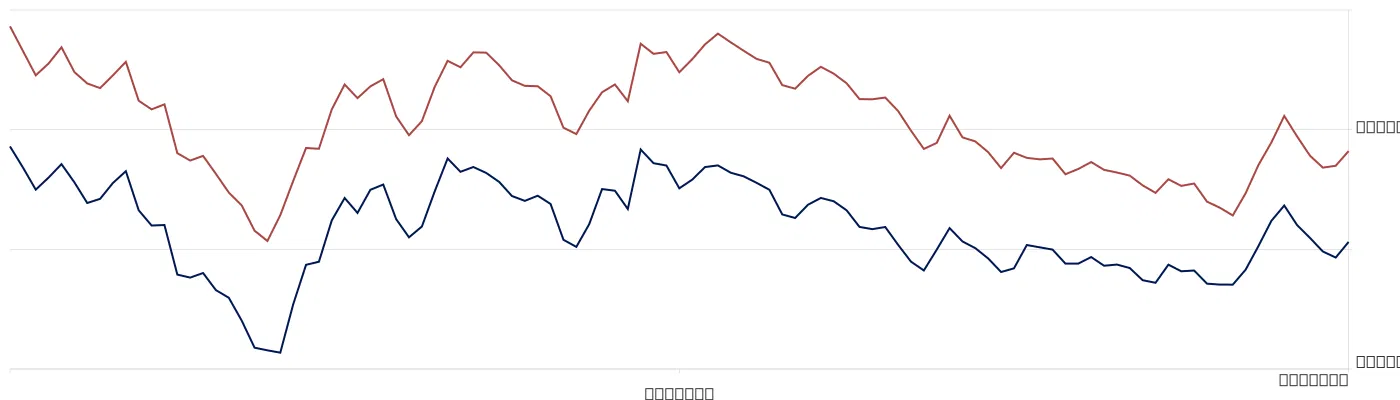
Inflation is the second and often more dominant force that arises during international conflicts, particularly those involving energy producing regions. When tensions in the Middle East threaten oil supplies, energy costs tend to spike rapidly, which increases the cost of everything from transportation to manufacturing. These inflationary pressures act as a significant deterrent for lower interest rates because they erode the future value of the fixed payments investors receive from mortgages. According to recent data from HousingWire, these concerns have kept mortgage rates elevated throughout much of early 2026. Lenders must increase rates to protect their profit margins against the rising cost of living and the potential for a tighter monetary policy from the Federal Reserve.
The 2026 Iran Conflict: A Real-World Case Study
The recent escalation in the Iran conflict serves as a textbook example of how quickly geopolitical events can erase progress in the housing market. In early 2026, mortgage rates had briefly dipped below the 6% mark, providing a much needed window of affordability for buyers in markets like Atlanta and Chicago. However, the onset of strikes and subsequent retaliation in late February caused crude oil prices to jump from the low $70s to over $115 per barrel. This sudden energy spike shifted the market's focus away from a potential rate cut and back toward the reality of persistent inflation. Consequently, the average 30 year fixed rate climbed from roughly 5.98% to above 6.3% in a matter of weeks.
This specific conflict highlights why volatility is the defining characteristic of the current lending environment. For a borrower in California or a landlord in Michigan, this means that a quote received on Monday might no longer be valid by Thursday. Lenders often widen their "spreads" during these periods, which is the difference between the base bond yield and the final rate offered to the consumer. This extra cushion protects the lender from the risk of holding a loan that might be undervalued if rates continue to climb. If you are currently in the middle of a transaction, it is beneficial to contact us to discuss how these daily moves affect your specific loan program.
Impact on Real Estate Investment Strategies
For real estate investors, the geopolitical tug of war creates a complex environment for acquiring new assets or managing existing portfolios. Investors utilizing DSCR investor loans must be particularly sensitive to these rate movements because their qualification depends on the property's ability to cover the debt. A sudden increase in the interest rate can lower the Debt Service Coverage Ratio, requiring the investor to bring more cash to the closing table to maintain a viable loan to value ratio. This is a common scenario for investors in Indiana and Alabama who are looking to scale their rental portfolios during times of global uncertainty.

Consider an example of a rental property acquisition in Virginia. If an investor is purchasing a duplex for $400,000 with a 20% down payment, they are looking at a loan amount of $320,000. At a 6.5% interest rate, the principal and interest payment is approximately $2,022 per month. If geopolitical headlines push that rate to 7.125%, the payment increases to $2,156 per month, representing a $134 monthly difference in cash flow. Over a 30 year period, this seemingly small rate shift results in over $48,000 in additional interest costs. Investors should use mortgage calculators to stress test their deals against multiple interest rate scenarios.
Protecting Your Financing in a Volatile World
While you cannot control the outcome of international conflicts, you can control how you respond to the volatility they create in the mortgage market. One of the most effective tools available to homebuyers and investors is the rate lock agreement, which guarantees a specific interest rate for a set period. In a market driven by unpredictable headlines, waiting for the "perfect" rate can often lead to missing out on a viable payment entirely. If the current numbers work for your budget and your investment goals, securing a lock can provide essential peace of mind. You can begin this process by choosing to pre-qualify and discussing lock options with a strategist.

Another strategy to consider is the use of adjustable rate mortgages (ARMs) with shorter fixed periods, which may offer a lower initial rate compared to a standard 30 year fixed loan. This can be particularly useful for "fix and flip" investors in Florida or short term rental owners in California who only plan to hold the debt for a few years. However, you must ensure that you have a clear exit strategy, such as a cash-out refinance or a planned sale, before the rate begins to adjust. Being proactive rather than reactive is the key to maintaining a competitive edge in the real estate industry. Professional guidance is available to help you compare these loan programs and find the best fit for your timeline.
Regional Market Resilience
The impact of geopolitical conflict is felt differently across various states depending on local economic conditions and housing supply. In high demand areas like Northern Virginia or coastal Florida, the scarcity of homes can sometimes offset the cooling effect of higher interest rates. Conversely, in markets like Michigan or Arkansas, buyers might be more sensitive to small changes in their monthly obligation. Realtors and industry professionals must stay informed about these global drivers to accurately advise their clients on the timing of their purchases. Providing educational resources to your clients helps them understand that rates are part of a much larger global financial ecosystem.

As we move through the remainder of 2026, the geopolitical landscape will likely continue to be a primary source of movement for mortgage rates. Investors and homeowners should remain focused on long term wealth building rather than trying to time the market based on daily news cycles. By understanding how international conflicts influence bond yields and inflation, you can make more informed decisions about when to buy, when to refinance, and when to hold. If you have questions about a specific scenario or want to explore your current equity options, you can book an appointment for a personalized consultation.
The underlying reality is that global events will always influence the cost of capital in a connected economy. By positioning yourself as an educated participant in the market, you can turn these challenges into opportunities for strategic growth. Whether you are a wholesaler in Georgia or a commercial investor in Kentucky, the right financing strategy can withstand the pressures of a shifting geopolitical landscape. Stay focused on the fundamentals, utilize the available tools, and maintain a clear vision for your real estate journey.
Schedule a 1 on 1 at https://calendly.com/homeloansnetwork
Ebonie Beaco Mortgage Strategist | Senior Loan Officer Home Loans Network powered by Loan Factory Inc. NMLS #2389954 HomeLoansNetwork.com 312-392-0664
<BLOG_POST:62615c4b-b8f2-433b-81bc-519e8e92f7b2>