The Gary Grind: Finding High Yields in Northwest Indiana

Reported: Wednesday, March 18, 2026
For years, real estate investors looking at the Midwest skipped right over Gary, Indiana. They saw the "Steel City" and only noticed the rust. But if you are watching the headlines today, March 18, 2026, you know the narrative has shifted. The "Gary Grind" isn't just about hard work; it is about the massive yields being pulled from a market that is finally catching its second wind.
As a mortgage strategist, I have watched the data evolve. Gary has moved from a "maybe" to a "must-have" for BRRRR (Buy, Rehab, Rent, Refinance, Repeat) enthusiasts. With property values in zip codes like 46402 hovering around $65,000 and appreciation rates hitting nearly 50% over the last few years, the math is starting to look very attractive for those who understand how to leverage Indiana investment property loans.
The Catalyst: Why Gary is Moving Now
The momentum we are seeing today stems from significant regional investment. In late 2025, Gary secured a $15 million Lilly Endowment Inc. grant. This wasn't just a "feel-good" check; it was specifically ear-marked for the City of Gary Blight Elimination and Reinvestment project.
As of early 2026, we are seeing the first phase of this downtown revitalization take root. For an investor, this represents a decreasing risk profile. When the city removes blight, neighborhood stability increases. When stability increases, your exit strategy for a refinance becomes much cleaner.
Understanding the Gary BRRRR
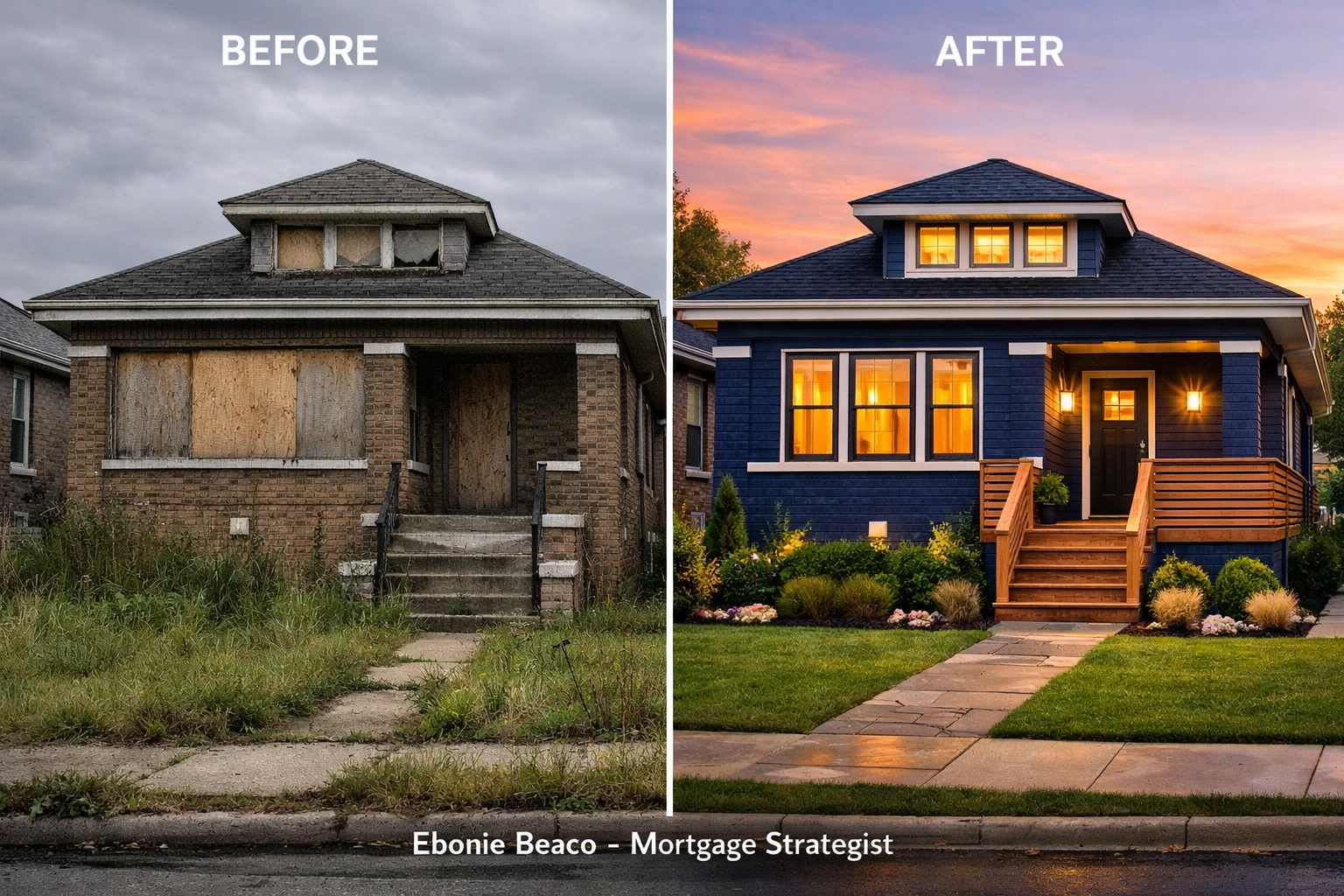
The BRRRR method works best in markets where the entry price is low enough to allow for a significant "forced appreciation" through renovation. In Northwest Indiana, you can still find solid brick structures that need love but possess incredible "bones."
1. Buy: You find a distressed property for $60,000.
2. Rehab: You put $35,000 into modernizing the kitchen, bath, and flooring.
3. Rent: You place a tenant at $1,250 a month (a very realistic figure in Gary’s current rental market).
4. Refinance: You pull your initial capital back out through a cash-out refinance.
5. Repeat: You use that capital to buy the next one.
The beauty of this cycle is that it allows you to scale a portfolio with a limited amount of original "seed" money. In a market like Gary, the low barrier to entry means you aren't tied up for years trying to save for your next down payment.
Case Study: The 46402 Transformation
Let's look at a real-world scenario I recently structured for an investor targeting the downtown Gary area.
The investor purchased a small multi-family duplex for $75,000 using a bridge loan. The property was habitable but dated, with one vacant unit. They spent $30,000 on renovations, focusing on "tenant-proof" upgrades like LVP flooring and updated electrical.
After the rehab, the property was appraised at $155,000.
The Deal Breakdown:
- Total All-In Cost: $105,000
- New Appraisal (ARV): $155,000
- Rental Income: $1,800/month (total for both units)
- Refinance Loan Amount (75% LTV): $116,250
In this scenario, the investor not only recovered their entire $105,000 investment but also walked away with an extra $11,250 in "profit" during the refinance phase. Most importantly, they now own a cash-flowing asset in a revitalizing zone with zero of their own money left in the deal. This is the definition of high-yield investing in Northwest Indiana.
Navigating Indiana Rental Property Financing
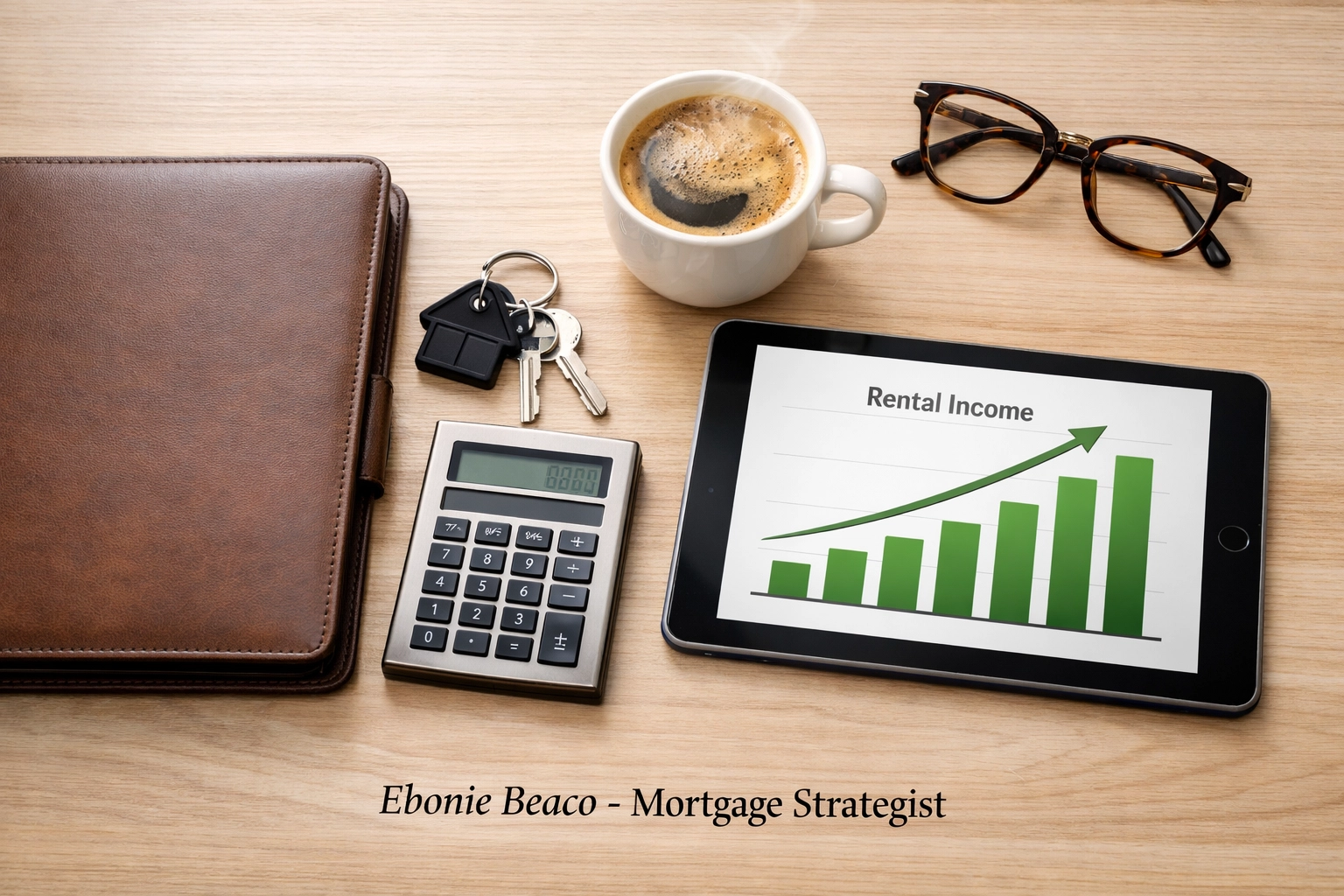
When you get to the "Refinance" stage of the BRRRR, the type of loan you choose is a vital piece of your long-term success. Many investors in Gary are moving away from traditional bank financing and toward DSCR Investor Loans.
DSCR (Debt Service Coverage Ratio): A mortgage program where qualification is based on the property’s cash flow rather than the borrower’s personal income or debt-to-income ratio.
If the rental income covers the mortgage payment (including taxes, insurance, and HOA), the loan is viable. This is a game-changer for investors who may have hit their "cap" with conventional loans or who are self-employed and have complex tax returns.
The Importance of Speed: Hard Money and Bridge Loans
In the Gary market, the best deals don't sit on the MLS for long. Wholesalers and local pocket listings are where the real gems are found. To win these deals, you need to close fast.
Standard conventional financing can take 30 to 45 days. In that time, a cash buyer will swoop in and take your deal. This is why many of my clients utilize fix and flip financing or bridge loans to secure the property. These loans are designed for speed, often funding in as little as 10 to 14 days.
While the interest rate on a bridge loan is higher than a long-term mortgage, the goal isn't long-term holding. The goal is to acquire, renovate, and move into the refinance phase as quickly as possible. We treat the interest as a "cost of doing business" to secure a high-margin asset.
Hyper-Local Focus: Miller Beach vs. Downtown
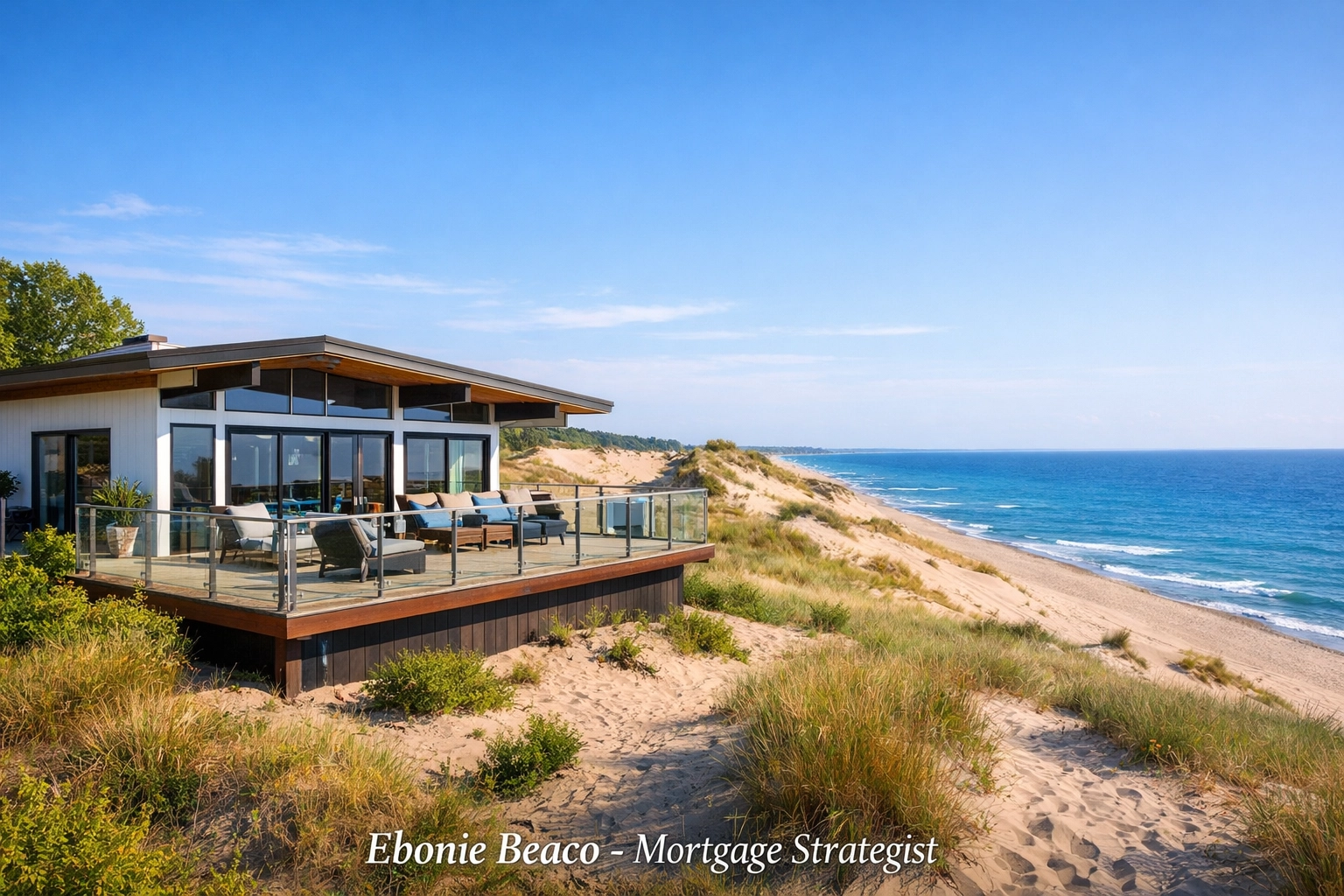
Gary isn't a monolith. The strategy you use in the Miller Beach area: which attracts higher-income renters and even some short-term rental interest: is different from the strategy you use near the university or downtown.
- Miller Beach: Think Airbnb and short-term rental financing. The proximity to the Indiana Dunes National Park makes this a prime spot for vacationers.
- Downtown/Midtown: Focus on long-term DSCR loans. The demand for workforce housing is high, and the blight elimination grants are specifically targeting these core neighborhoods.
Scaling Your Portfolio with Mentorship
If you are new to the Indiana market, the "Gary Grind" can feel overwhelming. Dealing with contractors, navigating local building codes, and finding the right loan programs requires a solid team.
I don't just act as a loan officer; I act as a mortgage strategist. I help you look at the total "cost of capital" across your entire portfolio. Whether you are looking for your first duplex or trying to finance a 20-unit apartment building in Northwest Indiana, the structure of your debt is what determines your actual take-home pay.
Common Pitfalls to Avoid
Even with a $15 million grant boosting the city, you must be careful.
- Over-Improving: Don't put marble countertops in a neighborhood where the rents don't support it. Stick to durable, mid-range finishes.
- Tax Estimates: Property taxes in Indiana are generally favorable, but they can jump after a sale or a major renovation. Always calculate your "exit" DSCR based on future tax estimates, not the current bill.
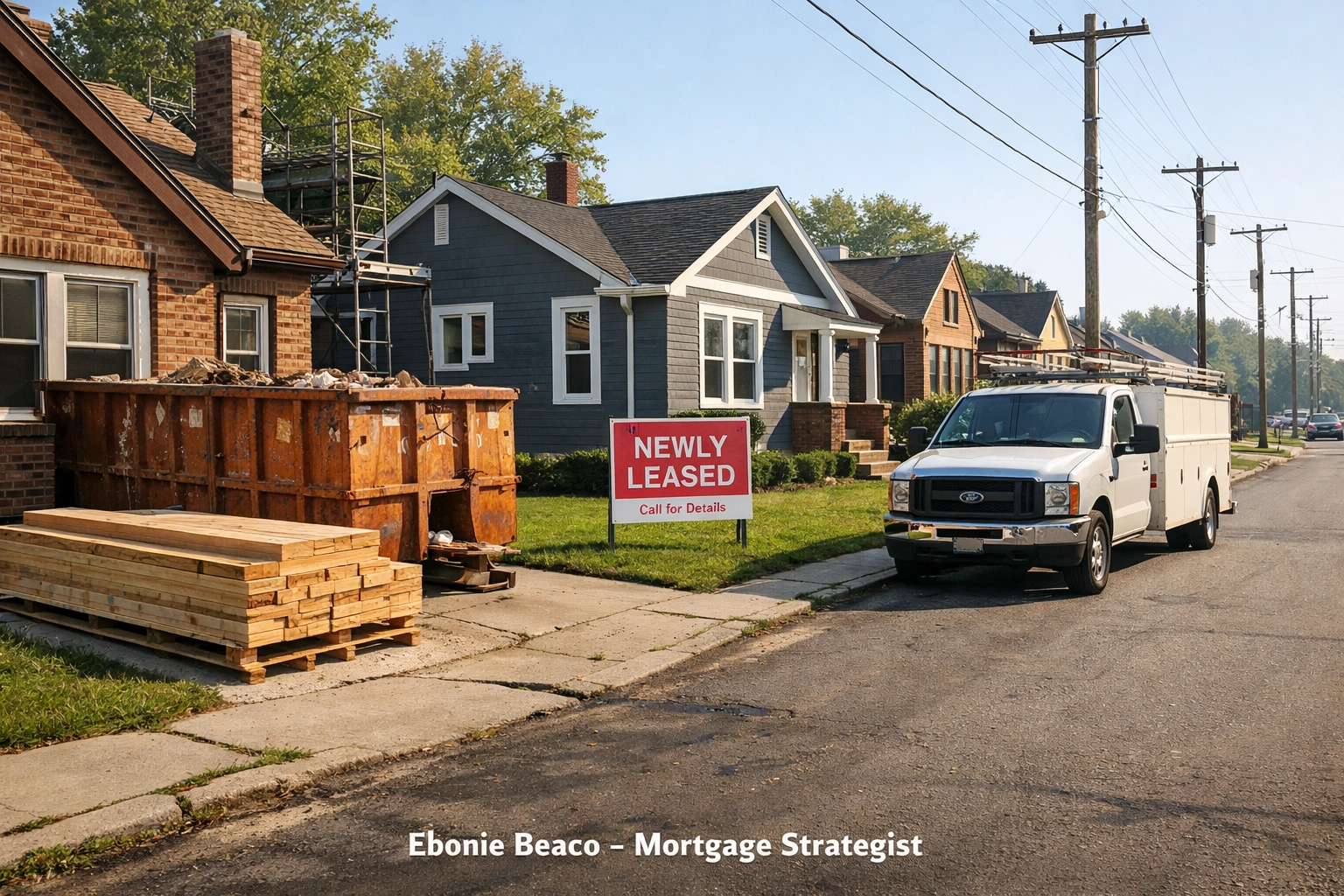
- Underestimating Lead Times: Contractors in the NWI area are busy. Always build a 20% time and budget buffer into your rehab plan.
Final Thoughts on the Gary Market
The opportunity in Gary is about the intersection of affordability and government-backed revitalization. By utilizing the BRRRR method and the right Indiana rental property financing, you can build a portfolio that produces generational wealth while contributing to the rebirth of a historic American city.
If you are ready to explore how a DSCR loan or a fix-and-flip bridge loan can jumpstart your Indiana investment journey, let’s talk. I can guide you through the numbers and help you compare options to ensure your "Grind" results in the highest possible yield.
Explore your options and jump into the Northwest Indiana market with confidence. The growth is happening now: don't wait for the prices to catch up to the potential.
Schedule a 1 on 1 at https://calendly.com/homeloansnetwork
Ebonie Beaco - Mortgage Strategist
Senior Loan Officer
Home Loans Network powered by Loan Factory Inc.
NMLS #2389954
HomeLoansNetwork.com
312-392-0664