The Chicago Two-Flat Flip: Building Wealth Through Multi-Family BRRRR

March 18, 2026
Chicago remains a battlefield for real estate investors, but the most seasoned pros are winning by going back to the basics: the classic Chicago two-flat. As of today, March 18, 2026, local market reports indicate that while single-family inventory fluctuates, the demand for multi-family rental units in neighborhoods like Woodlawn, Avondale, and Humboldt Park is hitting new highs.
If you are looking to scale your portfolio in a city built on brick and mortar, the BRRRR method (Buy, Rehab, Rent, Refinance, Repeat) is your most powerful tool. Specifically, the two-flat offers a unique "double-down" opportunity that single-family homes just can't match. You are acquiring two income streams on a single tax ID, often for a price point that makes the numbers scream "deal."
Why the Chicago Two-Flat is the BRRRR King
The two-flat is the backbone of Chicago's residential architecture. These buildings were designed for density and durability. For an investor, this means you are getting a property that is historically easier to permit for renovations compared to complex mid-rise buildings.
When you apply the BRRRR strategy here, you are maximizing your forced equity. By updating two kitchens and two baths instead of one, you are significantly increasing the After Repair Value (ARV) and the gross monthly rent. This is where Chicago investment property loans become your best friend.
Dual Income Generation
The core advantage is having two tenants. If one unit is vacant for a month, you still have the other unit covering a portion of the mortgage. This safety net is vital for long-term stability.
House-Hacking Potential
For those just starting, living in one unit and renting the other allows you to use low-down-payment programs like FHA loans. You can enter the market with as little as 3.5% down, renovate while you live there, and then refinance into a conventional loan once the equity is built.
The "Buy" Phase: Finding the Diamond in the Rough
In Chicago, the "Buy" is all about finding "tired" properties. Look for buildings with dated interiors but solid bones. You want the ones that have been in the same family for 40 years. They might have wood paneling and shag carpet, but the brickwork is straight and the roof is holding.
Explore neighborhoods on the South Side where the comeback is strongest. Woodlawn and South Shore are seeing massive private and public investment. You can often pick up a distressed two-flat here for a fraction of what you’d pay in Logan Square.
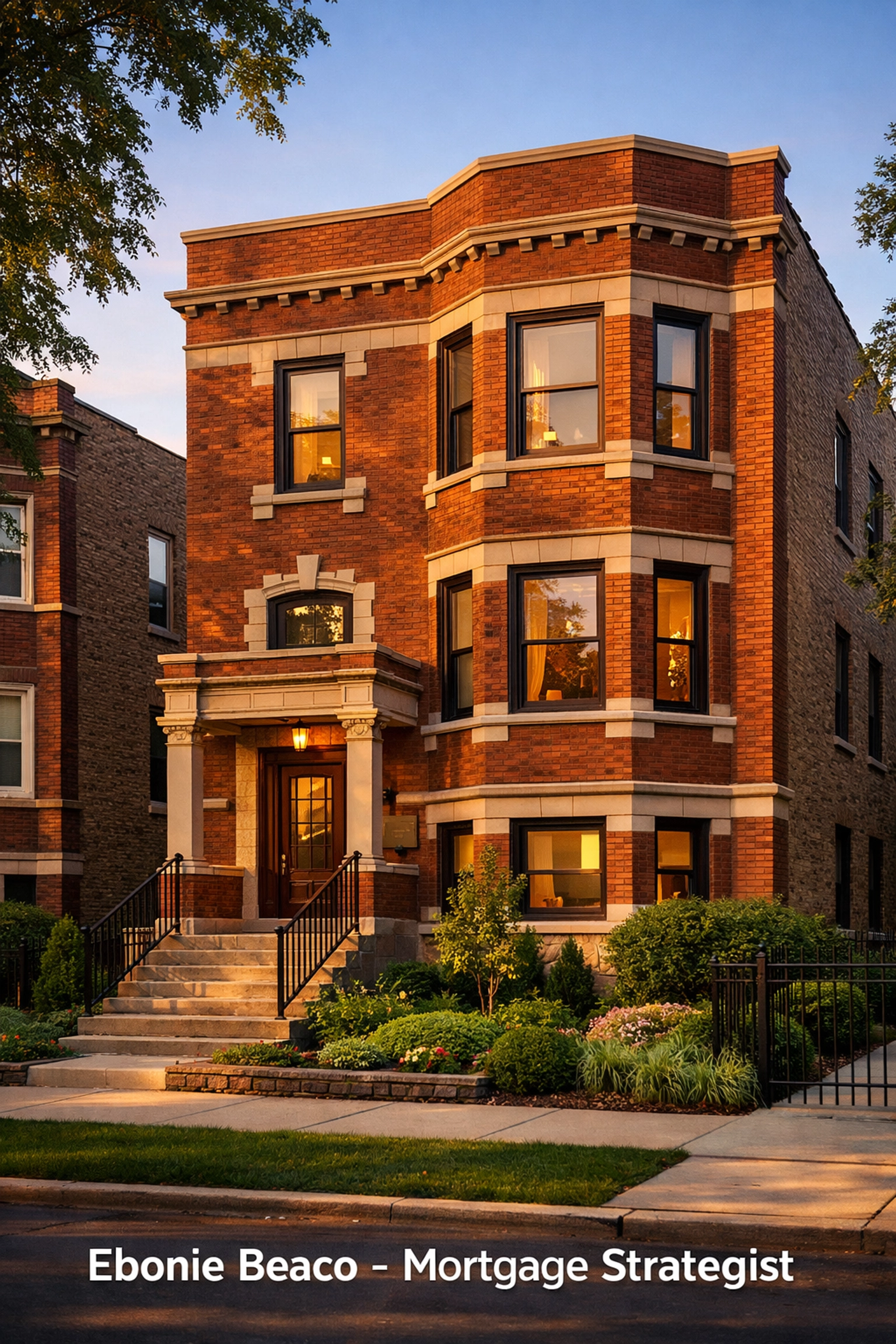
Case Study: The Woodlawn Winner
Let’s look at a real-world scenario from a client I recently mentored.
The Property: A vacant, distressed two-flat in Woodlawn purchased in late 2025.
Purchase Price: $210,000
Loan Type: Fix and Flip Bridge Loan (Interest Only)
Renovation Budget: $90,000
The investor focused on modernizing the kitchens with quartz countertops and stainless steel appliances: features that attract high-quality tenants in today's market. They also updated the electrical and plumbing to ensure the "Refinance" stage would go smoothly without any appraisal hangups.
The "Rehab" and "Rent" Phases
In Chicago, your rehab must be durable. Use luxury vinyl plank (LVP) flooring instead of hardwood to withstand the slushy winter boots. Focus on energy efficiency; high-efficiency furnaces and good insulation are massive selling points for tenants who pay their own utilities.
Once the dust settles, you need to "Rent" fast. Check out our mortgage basics to see how rental income impacts your future borrowing power. For a two-flat in a solid neighborhood, you might see Unit 1 (3-bed) renting for $2,100 and Unit 2 (2-bed) for $1,750. That is $3,850 in total gross monthly income.
The "Refinance" Phase: Extracting the Capital
This is where the magic happens. After 6 to 12 months, your property should be fully seasoned. You go back to the lender for a home refinance to pull your initial capital back out.
For investors, the DSCR Investor Loan (Debt Service Coverage Ratio) is the gold standard. These loans don't care about your personal income or debt-to-income ratio (DTI). The lender only cares if the property’s rent covers the mortgage payment.
DSCR Calculation Example:
- Gross Rent: $3,850
- New Mortgage Payment (PITI): $2,800
- DSCR Ratio: 1.37 ($3,850 / $2,800)
A ratio above 1.20 is usually considered excellent, meaning you can easily qualify for Chicago rental property financing to pull your cash out and move to the next deal.
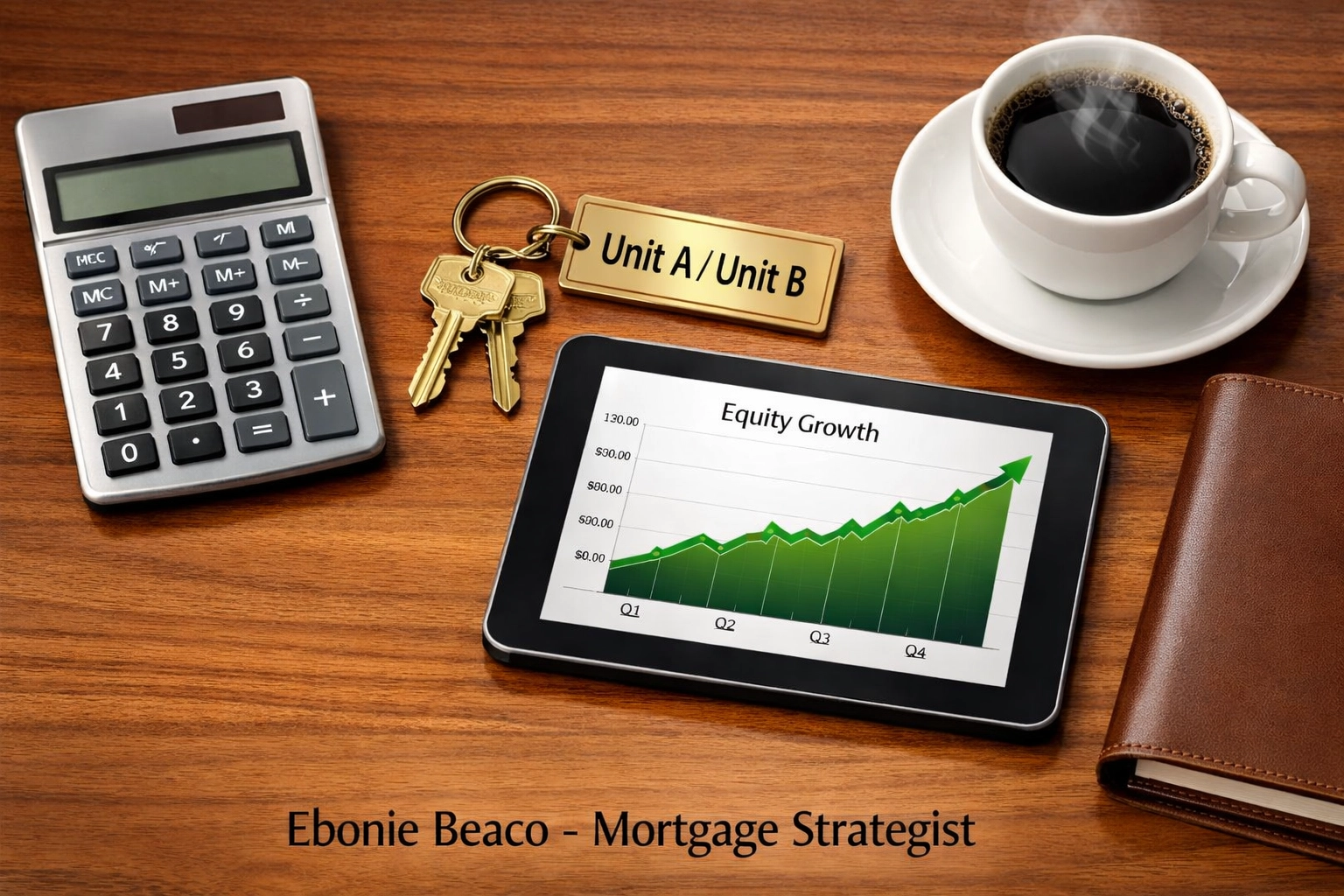
Breaking Down the Numbers (The Visual Proof)
To see how this works in your pocket, look at this deal breakdown:
| Category | Amount |
|---|---|
| Purchase Price | $210,000 |
| Rehab Costs | $90,000 |
| Total Investment | $300,000 |
| New Appraised Value (ARV) | $425,000 |
| Cash-Out Refi (75% LTV) | $318,750 |
| Cash Back to Investor | $18,750 |
In this scenario, the investor got all their initial money back, plus an extra $18,750 to put toward the next building. They now own a $425,000 asset with over $100,000 in equity and positive monthly cash flow. This is how wealth is built in the Windy City.
Navigating Local Hurdles
Chicago isn't for the faint of heart. You have to account for specific local issues:
- Water Bills: Chicago water bills stay with the property. Always check for back-payments during your due diligence.
- Property Taxes: Cook County assessments can jump after a major rehab. Budget for a 20% increase in your projections to stay safe.
- Zoning: Ensure the building is legally a two-flat. Some "illegal" three-flats (basement units) can cause major headaches during the refinance if they aren't properly zoned.
Access our FAQ for more insights on handling these investment-specific hurdles.
Repeat: Scaling the Portfolio
Once you have your $318,750 from the refinance, you pay off your initial bridge loan and take your profit. You now have the capital to buy your second, third, or fourth property. This is the "Repeat" part of the BRRRR cycle.
Using Chicago investment property loans strategically allows you to grow without ever running out of cash. By focusing on multi-family units, you are building a legacy of cash flow that will far outpace traditional savings or stock market investments.
How to Get Started
Whether you are looking for your first two-flat to house-hack or you are a seasoned pro ready to move into interest only mortgage options for better cash flow, the strategy remains the same: buy right, add value, and refinance smart.
The Chicago market moves fast. You need a strategist who understands the local landscape and the specific loan programs that make the BRRRR method work. Don't let high-interest rates scare you; the math on a well-bought two-flat still wins every single time.
If you're ready to look at a deal or need a mentor to walk you through the Chicago investment maze, let's talk. I can help you structure the financing so you can focus on finding the property.
Schedule a 1 on 1 at https://calendly.com/homeloansnetwork
Ebonie Beaco
Mortgage Strategist | Senior Loan Officer
Home Loans Network powered by Loan Factory Inc.
NMLS #2389954
HomeLoansNetwork.com
312-392-0664