Sunshine and Scaffolding: The Florida Investor’s Guide to High-Inventory Success
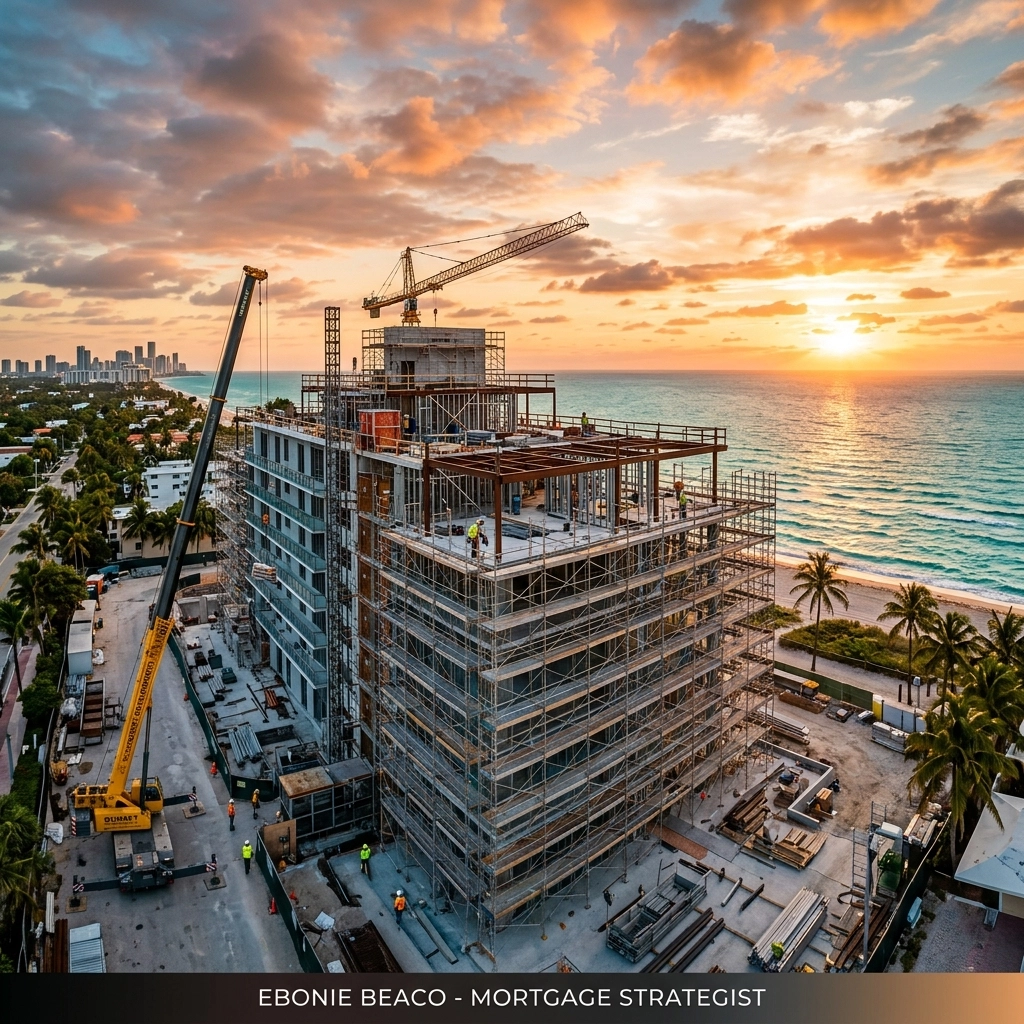
Florida is currently moving through a unique season in its real estate history. As we sit here in April 2026, the landscape looks vastly different than it did during the frantic bidding wars of years past. If you walk through neighborhoods in Miami Gardens, Dania Beach, or St. Petersburg, you’ll notice something specific: more "For Sale" signs and more scaffolding.
Inventory across the Sunshine State has surged. In some pockets, we are seeing supply increases of over 100% compared to previous years. For the casual observer, this might look like a slowdown. For the strategic real estate investor, this looks like the greatest acquisition window in a decade.
At Home Loans Network, we believe transparency is the foundation of any good deal. The "secret" to 2026 isn't just finding a house; it is knowing how to use fix and flip financing to navigate a market where buyers are no longer in a rush.
The Shift: From Scarcity to Strategy
The current market conditions in Florida are a diverging tale of two cities. While some areas remain steady, others are seeing a massive buildup of inventory. In places like Southwest Florida, there is enough supply to last nearly a year. This shift gives investors something they haven't had in a long time: negotiating power.
Before we dive into the stories of local investors, let’s define a few tools they are using to get these deals done:
- Bridge Loan: A short-term financing option used to "bridge" the gap between the purchase of a property and its ultimate sale or long-term refinance. Practical Application: You use this to close quickly on a distressed property before another investor can snag it.
- Fix and Flip Loan: A specific type of short-term funding designed to cover both the purchase price and the renovation costs of a property. Practical Application: This allows you to preserve your cash for multiple projects while the lender covers the heavy lifting of the construction costs.
- After Repair Value (ARV): The estimated market value of a home after all renovations are complete. Practical Application: This is the "magic number" that lenders use to determine how much they will lend you for your project.
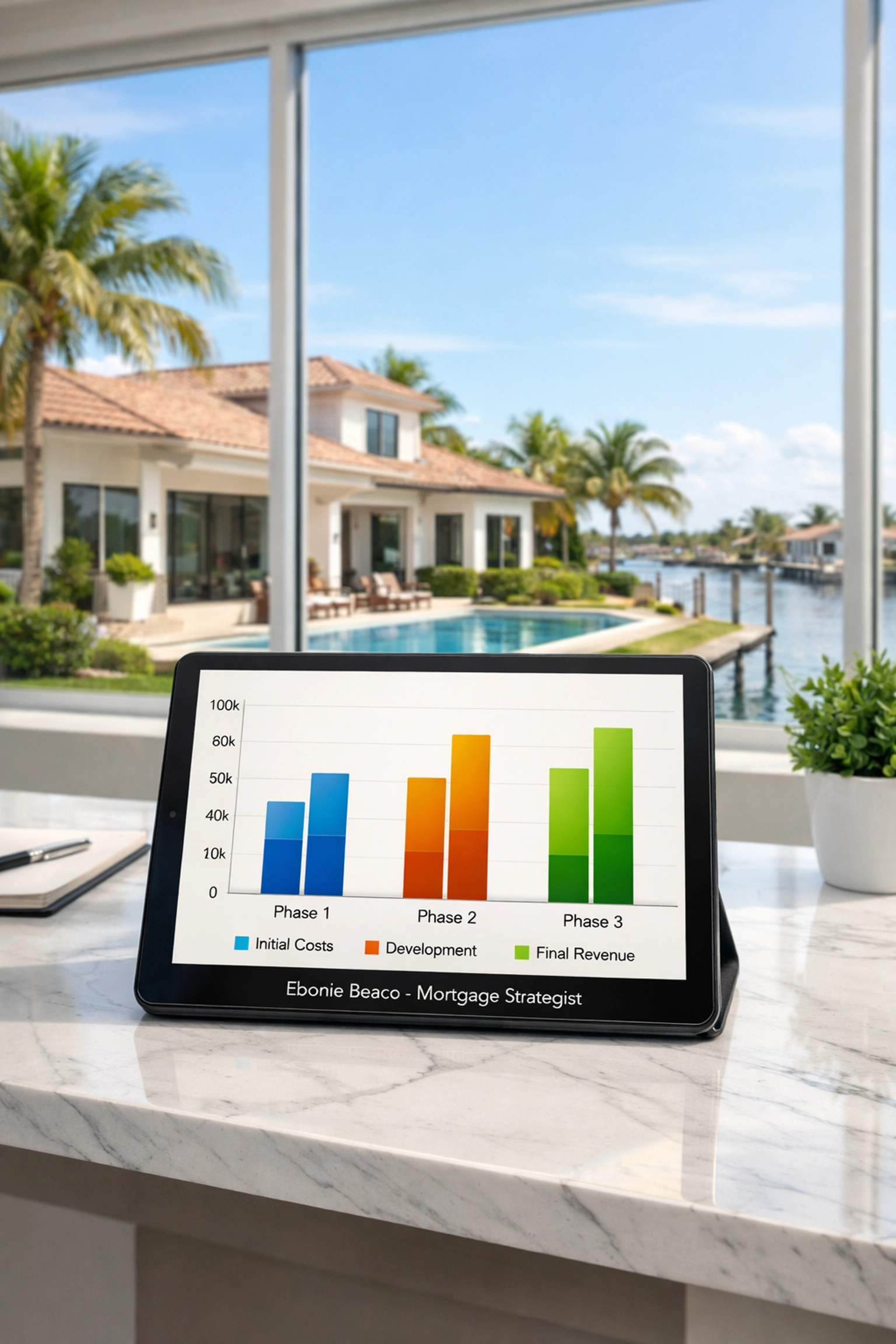 A financial breakdown chart showing the relationship between Purchase Price, Renovation Budget, and ARV for a typical Florida flip.
Story 1: The Miami Gardens Inventory Opportunity
Miami Gardens experienced a staggering 120% increase in inventory over the last year. For an investor named Carlos, this was the signal he was waiting for. He found a three-bedroom ranch that had been sitting on the market for 75 days: unheard of just two years ago.
The Deal Breakdown:
- Purchase Price: $310,000
- Renovation Budget: $65,000
- Financing: Fix and Flip Loan (90% of purchase, 100% of reno)
- ARV: $485,000
Because the seller was motivated by the high inventory in the neighborhood, Carlos negotiated a $15,000 credit toward his closing costs. He focused his renovation on high-impact areas: a modern kitchen with quartz countertops and updated hurricane-impact windows: a huge selling point in Florida's 2026 insurance climate. Carlos sold the property in 45 days, walking away with a significant profit because he didn't overpay at the start.
Story 2: The St. Petersburg Restoration
In St. Petersburg, the market has seen a healthy influx of listings, giving investors room to breathe. Sarah, a seasoned flipper, targeted a craftsman-style home in a historic district. The home had "good bones" but a dated interior and a roof that wouldn't pass a modern inspection.
The Strategy: Sarah used a Bridge Loan to secure the property fast. She knew that in a high-inventory market, homes with "curb appeal" sell first, but homes with "deferred maintenance" sit forever.
The Numbers:
- Purchase Price: $425,000
- Renovation: $90,000 (including a new roof and HVAC)
- ARV: $615,000
Sarah focused on making the home "insurance-ready." By addressing the roof and electrical systems immediately, she made the home accessible to traditional buyers who might struggle with high insurance premiums. Her transparency regarding the upgrades helped her secure a buyer before the renovation was even fully finished.
Story 3: The Lakeland Cash-Flow Pivot
Not every flip has to end in a sale. In Lakeland, where rent-to-price ratios remain strong, an investor named Marcus decided to try a "Fix, Flip, and Hold" strategy, often referred to as the BRRRR method.
The Deal: Marcus found a distressed duplex. Using a fix and flip loan, he renovated both units, increasing the aesthetic value and the potential rental income.
- Purchase Price: $240,000
- Renovation: $60,000
- New Value: $380,000
- Monthly Rent: $3,400 (Total)
Instead of selling, Marcus used a cash-out refinance to pay off the short-term loan and move into a long-term DSCR Investor Loan. This allowed him to pull his initial capital back out to fund his next flip while keeping a cash-flowing asset in a growing market.
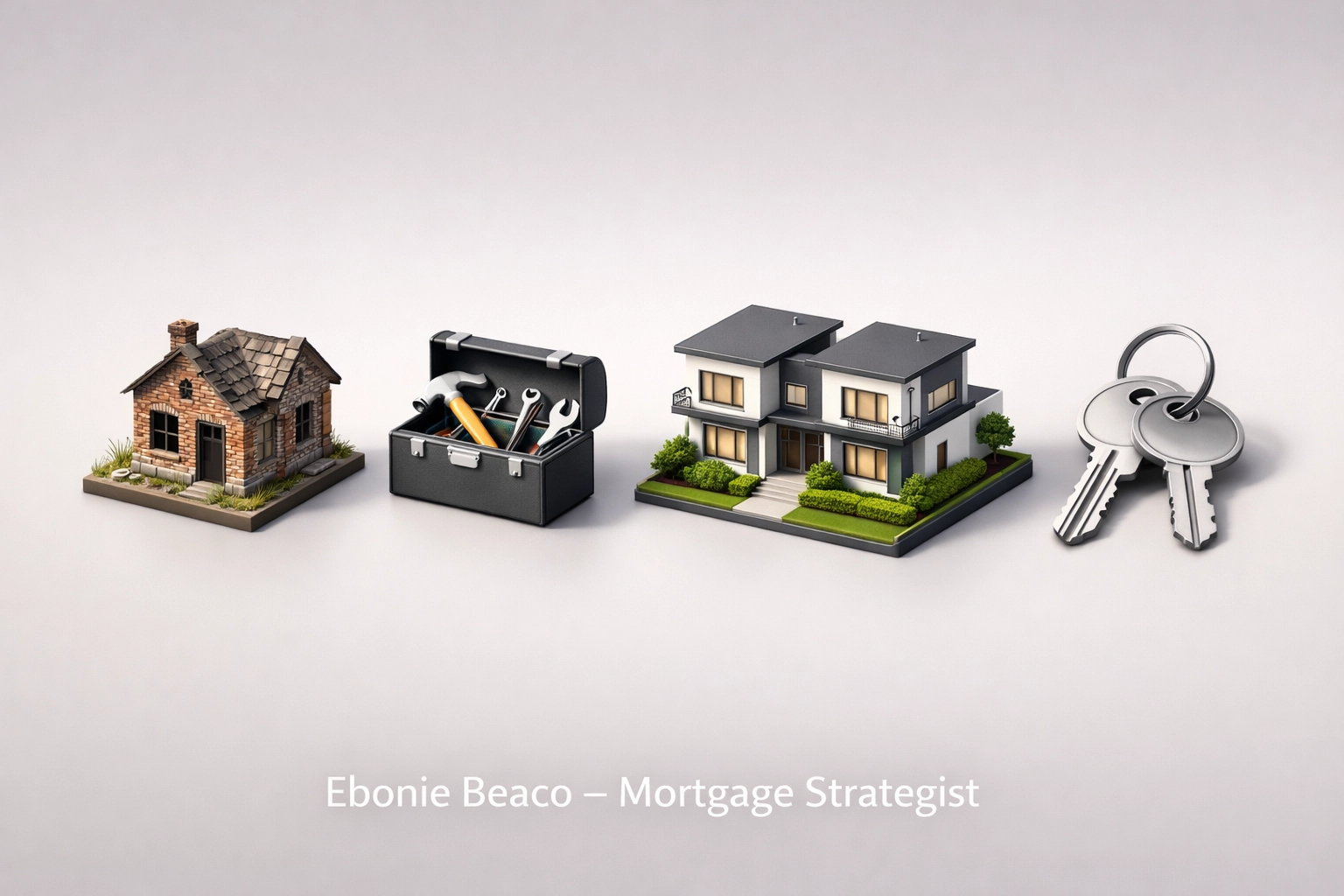 An illustration of the BRRRR method cycle: Buy, Rehab, Rent, Refinance, Repeat, showing the transition from a flip loan to long-term financing.
Story 4: The Dania Beach Modernization
Dania Beach saw an inventory surge of 118%. This created a "buyer's fatigue" where many properties started looking the same. An investment group decided to stand out by taking a standard 1970s home and giving it a complete architectural facelift.
The Numbers:
- Purchase Price: $350,000
- Renovation: $110,000
- ARV: $560,000
The key here was the use of Non-QM Mortgage Loans for the end buyer. Because the investment group understood the local market, they staged the home beautifully and marketed it to self-employed professionals who often use bank statement loans to qualify for a home. By understanding the financing needs of their potential buyers, they were able to move the property despite the high competition in the area.
Story 5: The Jacksonville Urban Revive
Up in Jacksonville, the market is a bit more stable, but pockets of high inventory exist in the urban core. An investor named Elena focused on a small bungalow that was a "cosmetic nightmare."
The Strategy: Elena utilized a Hard Money Loan because of the property’s condition: most traditional banks wouldn't touch it.
- Purchase Price: $180,000
- Renovation: $45,000
- ARV: $295,000
Elena’s example shows that you don't need a half-million-dollar budget to be successful in Florida. By keeping her mortgage basics in mind and sticking to a strict timeline, she minimized her carrying costs. She sold the home to a first-time homebuyer who was thrilled to find a fully renovated property under $300,000.
Navigating the 2026 Hurdles: Insurance and Interest
While high inventory creates opportunity, it also comes with modern challenges. In Florida, insurance is a major topic of conversation. Rates have climbed, and many investors are finding that the "cost of holding" a property is higher than it was three years ago.
When you are calculating your flip potential, you must account for:
- Increased Insurance Premiums: Budget 40-60% more for insurance during the renovation phase than you might have in 2023.
- Higher Days on Market (DOM): With a 60-day average for sales, your bridge loan needs to have a comfortable term length (typically 12 months) to avoid expensive extensions.
- Appraisal Accuracy: In a high-inventory market, appraisals can be tricky. Make sure your "comparable" properties are truly comparable and sold within the last 90 days.
 A checklist graphic for Florida investors, including items like Wind Mitigation, Roof Age, and Flood Zone Verification.
Why the Scaffolding is a Good Sign
When you see scaffolding in a neighborhood with high inventory, it means smart capital is moving in. It means investors are taking advantage of the "Sunshine" opportunities to build something better. Whether you are looking at a condo in Miami or a single-family home in Virginia or Georgia, the principles remain the same: find the inventory, negotiate the price, and use the right financing to protect your liquidity.
Explore your options. Jump in when the numbers make sense. Compare the different loan products available for your specific scenario. The market won't stay this way forever, and those who act while inventory is high are often the ones who reap the rewards when the cycle turns again.
If you are looking to scale your portfolio or tackle your first flip in Florida, Michigan, Indiana, or any of the states we serve, let’s talk about the strategy that fits your goals.
Schedule a 1 on 1 at https://calendly.com/homeloansnetwork
Ebonie Beaco Mortgage Strategist | Senior Loan Officer Home Loans Network powered by Loan Factory Inc. NMLS #2389954 HomeLoansNetwork.com 312-392-0664