St. Louis Stacks: How to Use Bridge Loans for a Rapid Rehab

March 18, 2026
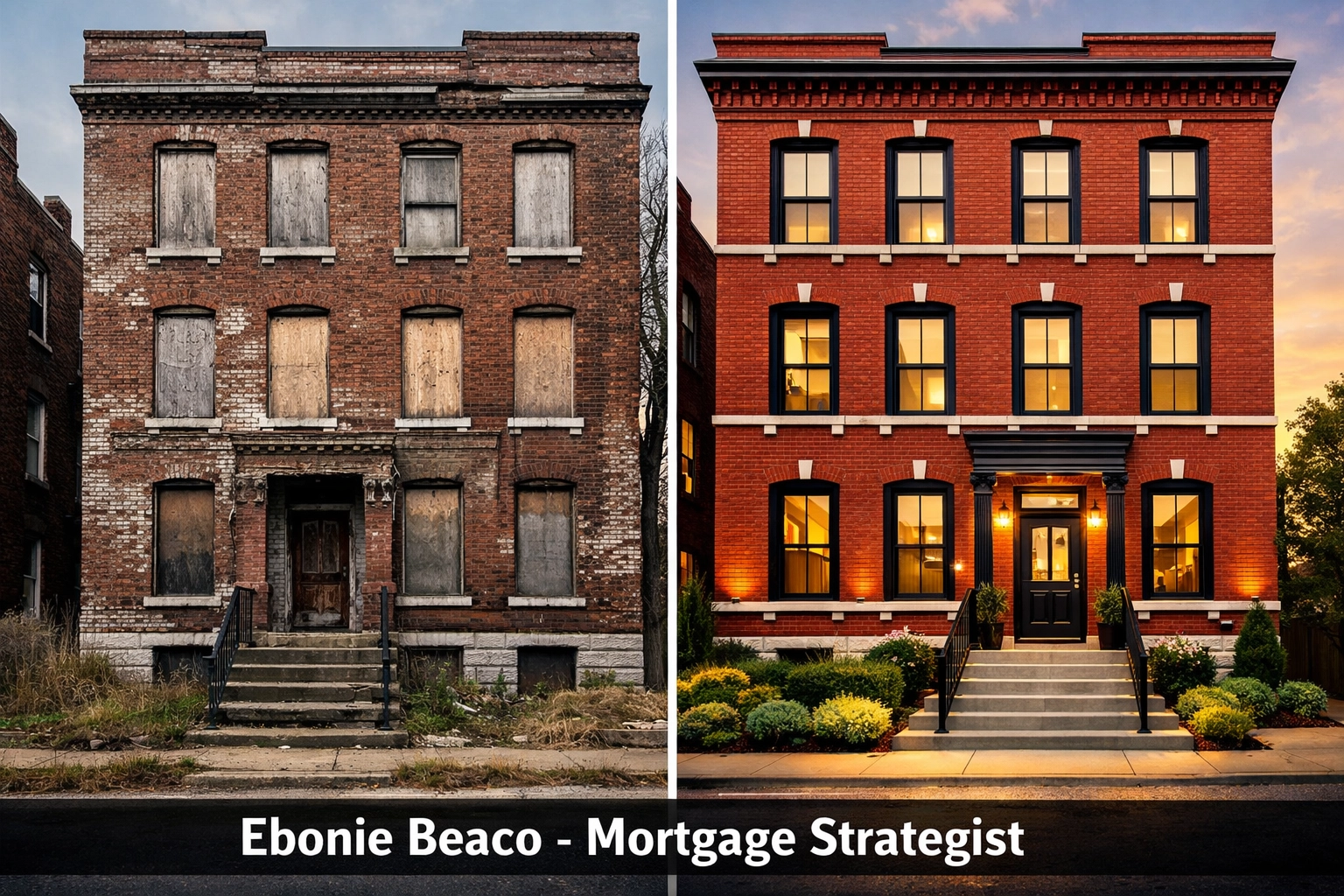
If you have spent any time driving through South City St. Louis or scouting the brick beauties in Benton Park, you know the potential hidden behind those weathered facades. The St. Louis market is a playground for the BRRRR (Buy, Rehab, Rent, Refinance, Repeat) strategy. However, the biggest hurdle for most investors in Missouri isn't finding the deal: it is funding the transformation fast enough to keep the momentum going.
Speed is the primary currency in the Missouri real estate market. When a distressed property hits the market in a neighborhood like Tower Grove South or Dutchtown, you often have hours, not days, to secure the contract. Traditional bank financing moves at a snail's pace, often requiring 30 to 45 days to close. By then, a savvy investor with the right leverage has already snatched the keys.
This is where Missouri bridge loans for real estate investors change the game. They provide the capital injection needed to buy and fix a property before you transition into a long-term rental loan.
What is a St. Louis Bridge Loan?
Bridge Loan Definition: A short-term, interest-only financing solution designed to "bridge" the gap between the purchase of a distressed property and its eventual stabilization or sale.
Practical Benefit: It allows you to acquire a property that a traditional bank wouldn't touch due to its condition, while also providing the funds to renovate it.
In the world of Missouri investment property loans, a bridge loan usually functions as a two-part funding structure. You receive an initial advance to cover the purchase price and a construction holdback to cover the rehab costs. This structure is the engine behind the "Rehab" portion of your BRRRR strategy.
The Mechanics of the Construction Holdback
One of the most transparent aspects of using bridge loans in St. Louis is how the money is actually handled. You don't just get a giant check for the renovation on day one. Instead, the lender sets aside a construction holdback.
As you complete specific phases of the project: say, updating the electrical in a 1920s Florissant ranch or finishing the tuckpointing on a Soulard multi-family: you request a "draw." The lender sends an inspector to verify the work, and then the funds are released. This process protects both you and the lender, ensuring the project stays on track and the budget is utilized correctly.
Explore how this fits into the broader loan process to see how timing impacts your bottom line.
A Story from Webster Groves: Solving the Mid-Project Crunch
Let’s look at a real-world scenario reported in the Missouri investment circles last year. An investor was working on a high-end rehab in Webster Groves. They had started the project with their own cash and a small line of credit from a local bank. Halfway through, the scope of work expanded: common when dealing with older Missouri homes: and they ran out of liquid capital.
The project stalled. The property sat vacant, and the carrying costs were eating the potential profit. The investor pivoted to a bridge loan. By securing a $378,750 refinance bridge loan, they were able to pay off the bank, recoup some of their initial capital, and access an additional $15,000 specifically for the remaining construction.
Because bridge loans are asset-based, the lender focused on the value of the property rather than just the borrower's debt-to-income ratio. This move saved the deal, allowed the investor to finish the high-end finishes, and ultimately led to a successful refinance into a DSCR loan.
Why St. Louis is Perfect for Bridge-to-BRRRR
The St. Louis market offers a unique combination of low entry prices and high rental demand. Neighborhoods like Gravois Park or Bevo Mill feature homes that can be purchased for a fraction of what you’d pay in coastal markets.
However, many of these homes require significant work. A standard mortgage requires the home to be in "livable" condition. If the furnace is shot or the roof is leaking, the deal is dead for a retail buyer. For a BRRRR investor using a bridge loan, those defects are simply line items in a rehab budget.
Key Terms You Need to Know:
- LTC (Loan to Cost): Many St. Louis bridge lenders will fund up to 90% of the purchase price and 100% of the rehab costs.
- LTARV (Loan to After Repair Value): This is the ceiling. Lenders typically cap the total loan amount at 75% of what the home will be worth once it is fixed up.
- Interest-Only Payments: During the 6 to 18 months you hold the bridge loan, you typically only pay interest. This keeps your monthly carry costs low while the house is under construction and not yet producing rent.
The Exit Strategy: Transitioning to Long-Term Wealth
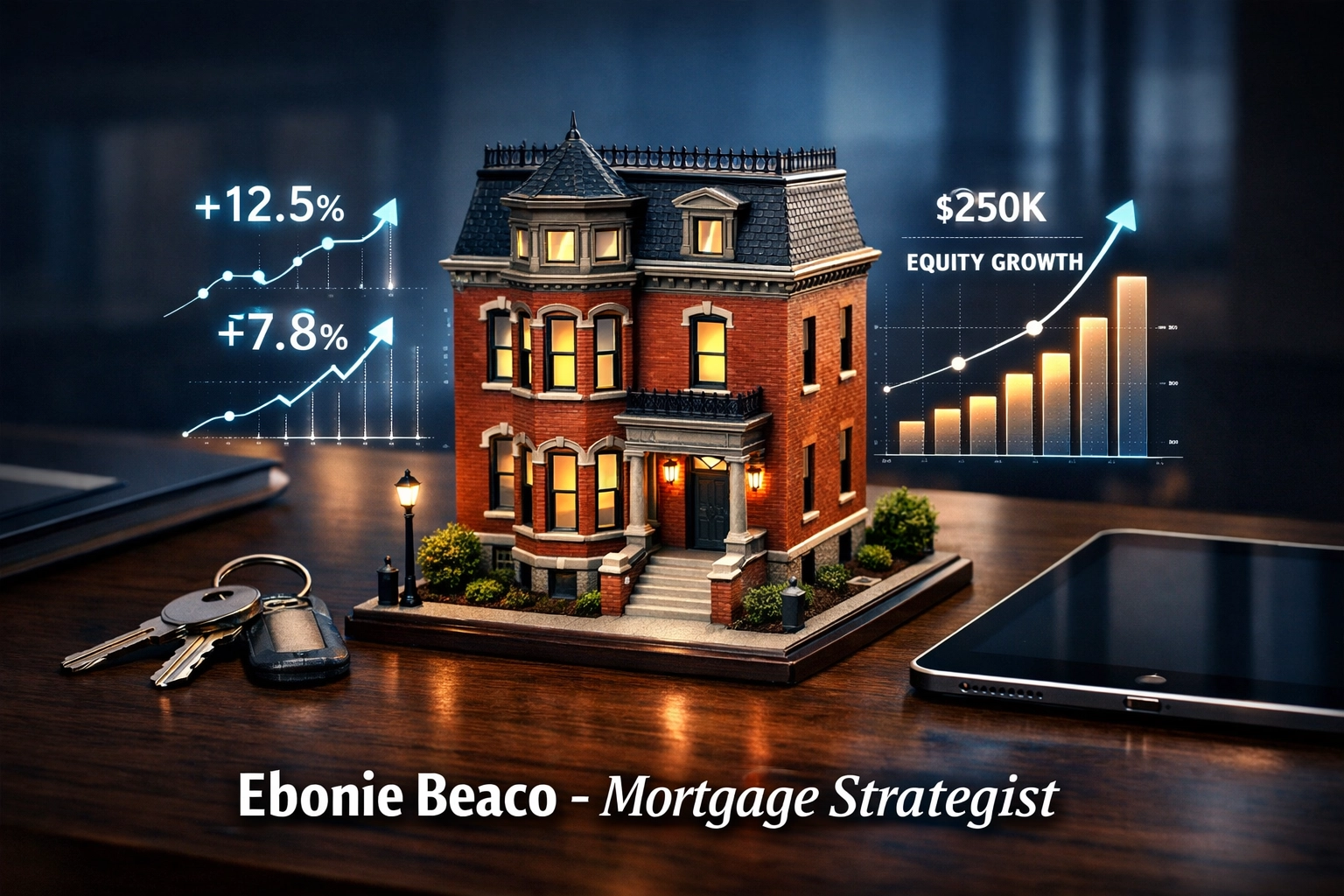
The bridge loan is a sprint; the home refinance is the marathon. Once the rehab is finished and a tenant is placed, your goal is to exit the bridge loan.
In St. Louis, the most popular exit for BRRRR investors is the DSCR (Debt Service Coverage Ratio) loan. This program doesn't care about your tax returns or your personal income. It looks at the property’s ability to pay for itself. If the rent covers the mortgage, taxes, and insurance, you are usually good to go.
Jump in and use our mortgage calculators to see what your numbers look like once that bridge loan is ready to be swapped for a 30-year fixed rate.
Qualification Standards for Missouri Investors
While bridge loans are more flexible than conventional loans, they aren't "no-strings-attached." To get the best rates in Missouri: which recently averaged around 12% to 13% for bridge products: you need to meet a few benchmarks:
- Credit Score: Most asset-based lenders want to see a 680 or higher.
- Experience: If you have completed four or more projects in the last three years, you hit "Tier 1" status, which unlocks lower points and fees.
- Liquidity: You still need skin in the game. Lenders want to see that you have enough cash for the down payment and at least six months of interest payments in reserve.
Access our FAQ for more details on what documents you'll need to have ready before you apply.
Navigating the Draw Process in St. Louis
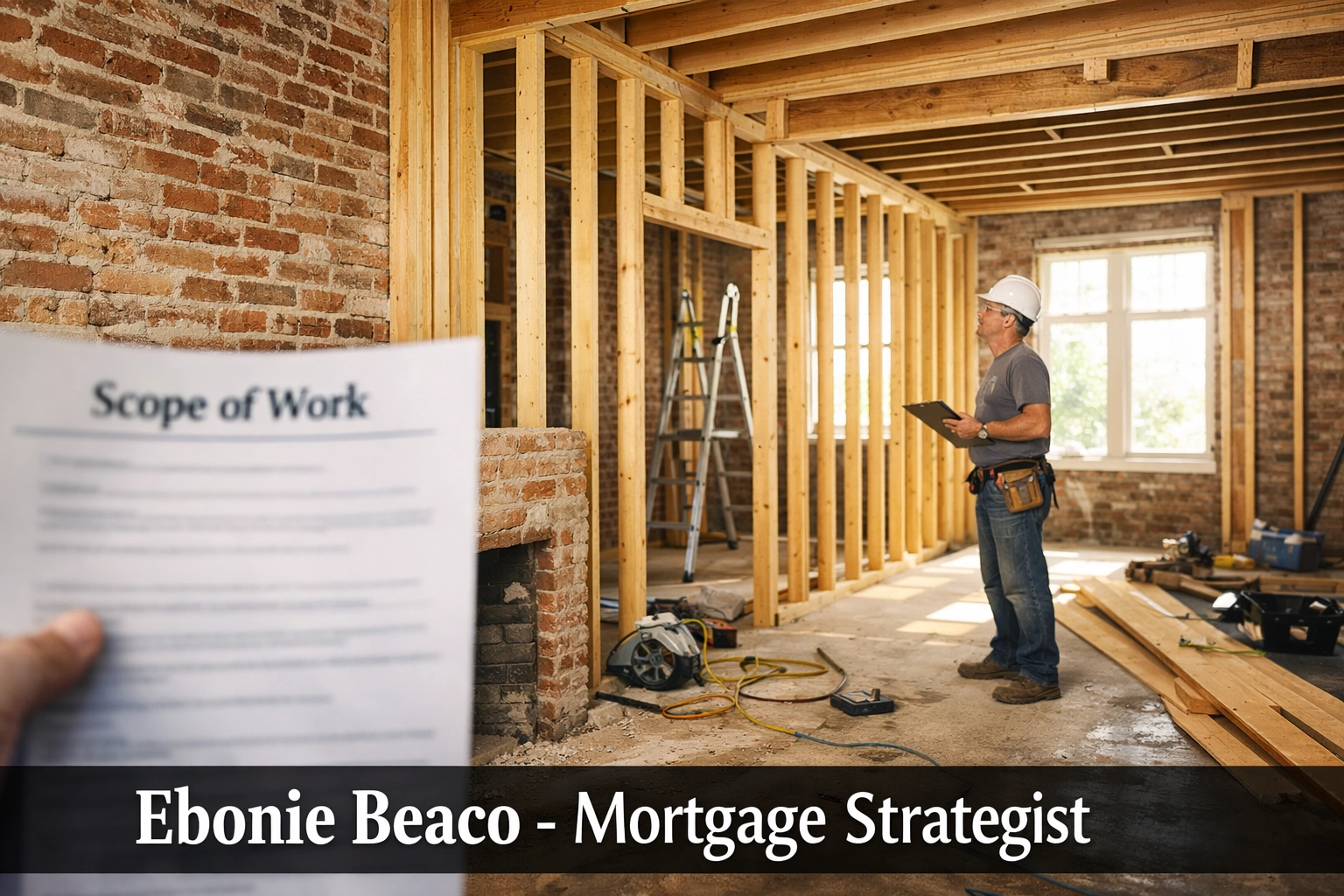
Transparency in your rehab budget is vital. When you work with a bridge lender, you will provide a "Scope of Work" (SOW). This document lists every repair, from the flooring in the living room to the vanity in the bathroom.
When you are ready for your first draw, you notify the lender. In the St. Louis area, inspectors can usually get to the property within 48 hours. Once they sign off that the work is complete, the money is wired to you. This cycle continues until the house is "rent-ready."
Final Thoughts for the St. Louis Investor
The significance of choosing the right financing partner cannot be overstated. A bridge loan is a tool, and like any tool, it works best when it is fitted to the specific job. Whether you are looking at a duplex in North County or a single-family home in St. Charles, understanding how to leverage bridge financing is the key to scaling your portfolio without waiting years to save up the cash for your next purchase.
If you are tired of losing deals because your financing is too slow, or if you are ready to stop using your own hard-earned cash for renovations, it is time to look at a bridge.
Ready to stack your St. Louis portfolio?
Whether you need the financing to close your next deal or you are looking for a mentor to guide you through your first BRRRR project, I am here to help you navigate the Missouri market with confidence.
Schedule a 1 on 1 at https://calendly.com/homeloansnetwork
Ebonie Beaco - Mortgage Strategist
Senior Loan Officer
Home Loans Network powered by Loan Factory Inc.
NMLS #2389954
HomeLoansNetwork.com
312-392-0664