Rookie Errors: The Top 5 Mistakes New Wholesalers Make (and How to Avoid Them)
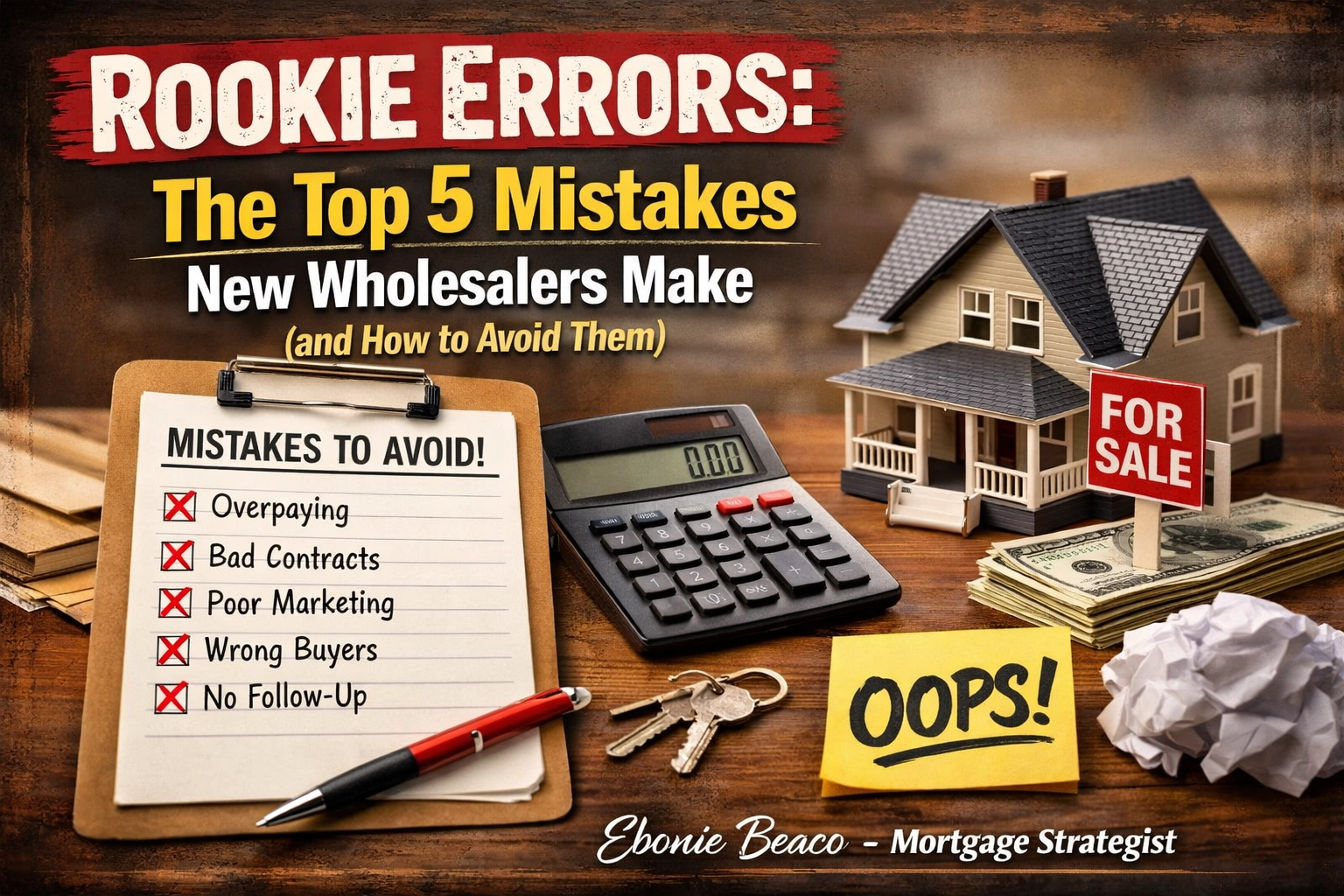
Real estate wholesaling is often touted as the fastest way to jump into the market without needing significant capital or a high credit score. Whether you are searching for off-market deals in the suburbs of Chicago or exploring distressed properties in Florida, the learning curve is steeper than most online tutorials suggest. Success in this niche requires more than just finding a motivated seller; it requires a strategic understanding of market values and investor expectations. Many newcomers enter the field with high hopes but fail because they overlook the technical details of the transaction. By identifying common pitfalls early on, you can protect your reputation and ensure your first few deals actually cross the finish line. Explore the foundational principles of real estate investing to build a solid base before you sign your first assignment contract.
One of the most frequent errors in wholesale real estate involves an inaccurate assessment of the After Repair Value, or ARV. ARV is the estimated value of a property after all necessary renovations and repairs have been completed to bring it to market standards. New wholesalers often look at the highest possible comparable sale in the neighborhood without adjusting for specific property features or current market volatility. If you overestimate the ARV by even 5%, you risk offering a deal that savvy cash buyers will immediately reject. This mistake often stems from a lack of local market knowledge or a desire to make a deal look more attractive than it truly is. To avoid this, always use conservative comparable sales from the last 90 days and focus on properties with similar square footage and finishes.
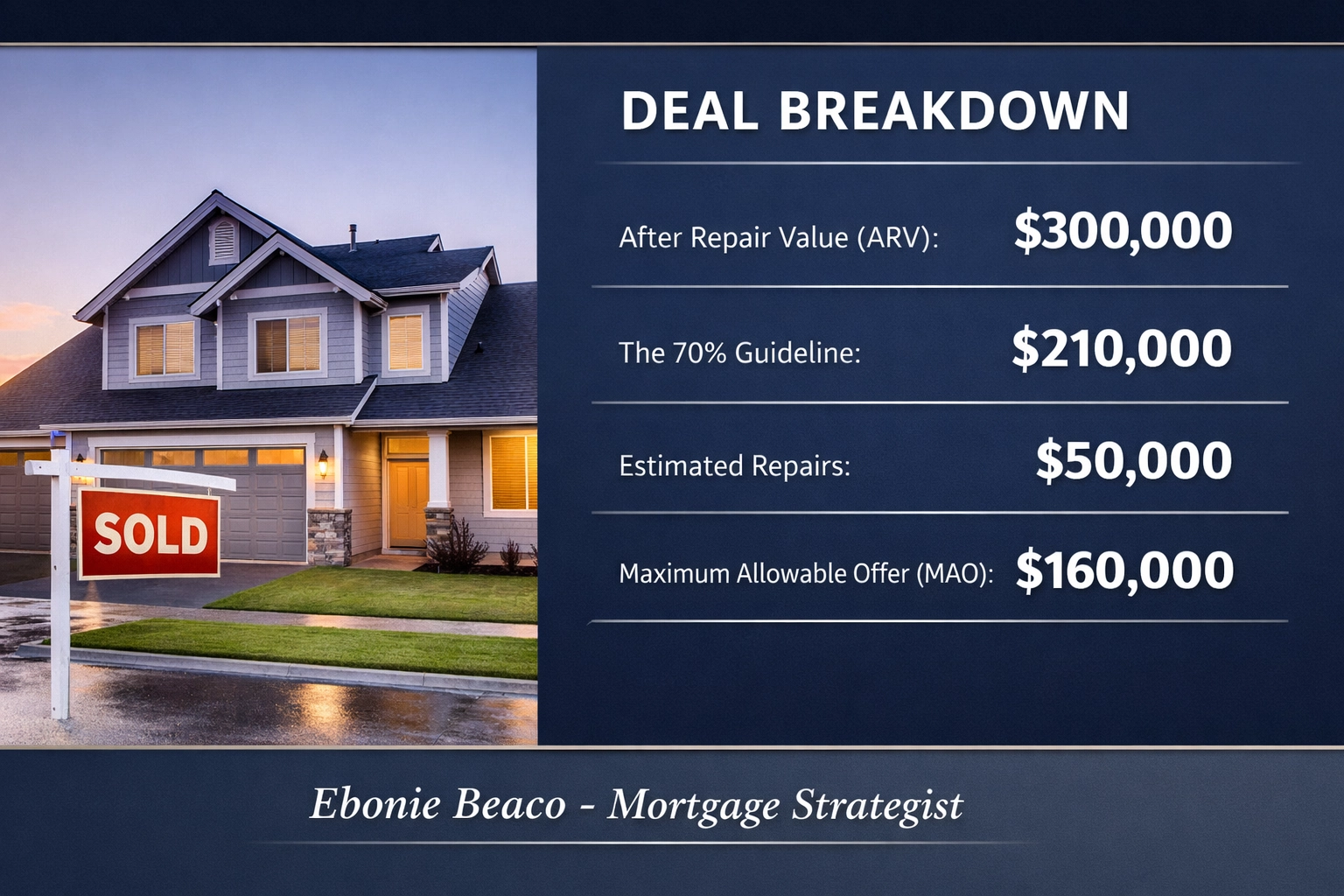
Underestimating repair costs is a critical blunder that can quickly turn a potential profit into a financial liability. Beginners often walk through a home and guess at the costs of roofing, HVAC systems, or structural repairs without consulting a professional contractor. If your estimated repair budget is $20,000 but the actual cost is $40,000, your end-buyer’s profit margin disappears, and your contract becomes worthless. Let’s look at a typical deal breakdown for a fix-and-flip investor in Indiana. Imagine a property with an ARV of $300,000; using the 70% rule, the maximum allowable offer (MAO) is calculated as ($300,000 x 0.70) minus repairs. If repairs are actually $50,000 but you estimated $30,000, you might contract the house for $180,000, leaving zero room for a wholesale fee when the buyer's real MAO is $160,000.
Another common oversight is failing to verify the funding capabilities of your potential cash buyers. Just because someone says they are a cash buyer does not mean they have the liquid funds sitting in a bank account ready for a three-day close. Many investors actually use hard money loans or DSCR investor loans to facilitate their purchases. If you do not ask for a proof of funds or a pre-approval letter from a reputable lender, you might tie up a property with a buyer who cannot actually perform. This is especially critical in fast-moving markets like Virginia or Florida where sellers expect quick results. Ensuring your buyer has their financing in order is just as important as finding the deal itself.
Building an insufficient or "cold" list of cash buyers is a mistake that stops many wholesaling houses careers before they truly begin. Wholesaling is essentially a volume and speed business, meaning you need a reliable group of investors ready to move on a deal immediately. Some rookies spend all their time marketing to sellers but forget that a contract is only valuable if someone is willing to buy the assignment. You should focus on networking with active landlords and fix-and-flip investors in markets like Georgia or Michigan who have a proven track record of closing. Access our about us page to see how we support investors through various loan programs that your buyers might use. Without a strong buyers list, you will likely find yourself scrambling as your inspection period expires, leading to cancelled contracts and burned professional bridges.
Ignoring the specific language in your purchase agreement can lead to legal complications or the loss of your earnest money deposit. Many new wholesalers use generic contracts found online without verifying if they are valid in their specific state, such as Alabama or Arkansas. It is vital to include a clear "assignment clause" and a sufficient "inspection period" that allows you to market the property to your buyers. Failing to disclose that you are a contract holder and not the property owner can also lead to transparency issues with both the seller and the end-buyer. You should always consult with a real estate attorney to ensure your documents protect your interests while keeping the transaction ethical. Compare different loan process steps to understand how your buyers will eventually secure funding for these properties.
Making faulty assumptions about the total cost of doing business is a trap that eats into your actual take-home pay. Wholesaling involves more than just the difference between your contract price and the assignment fee; you must account for marketing costs, title search fees, and potentially double-closing costs. Some wholesalers forget that if they cannot assign the contract, they might be on the hook to close the deal themselves, which requires access to bridge loans or other short-term financing. If you haven't budgeted for the months where no deals close, your business will struggle to survive the early stages of real estate investing. Jump in with a clear financial plan and a reserve fund to cover your overhead while you are learning the ropes. Consult our FAQ section for more insights into how property valuations and financing impact investment strategies.
Avoiding these rookie errors requires a commitment to education and a transparent approach to every transaction. By accurately calculating repair costs, verifying your ARV, and building a solid network of buyers, you position yourself as a professional in the real estate community. Real estate investing is a marathon, and the wholesalers who succeed are the ones who treat their business with the same rigor as a traditional mortgage strategist. Whether you are working in California or Illinois, the principles of sound deal analysis never change. Take the time to vet every lead thoroughly and never rush into a contract just because you are eager to get a deal done. If you ever need guidance on how your cash buyers can finance these off-market deals, we are here to provide the necessary mortgage strategies to help you scale.
Scedule a 1 on 1 at https://calendly.com/homeloansnetwork
Ebonie Beaco
Mortgage Strategist | Senior Loan Officer
Home Loans Network powered by Loan Factory Inc.
NMLS #2389954
HomeLoansNetwork.com
312-392-0664