Rookie Errors: 5 Mistakes That Kill Wholesale Real Estate Careers Early
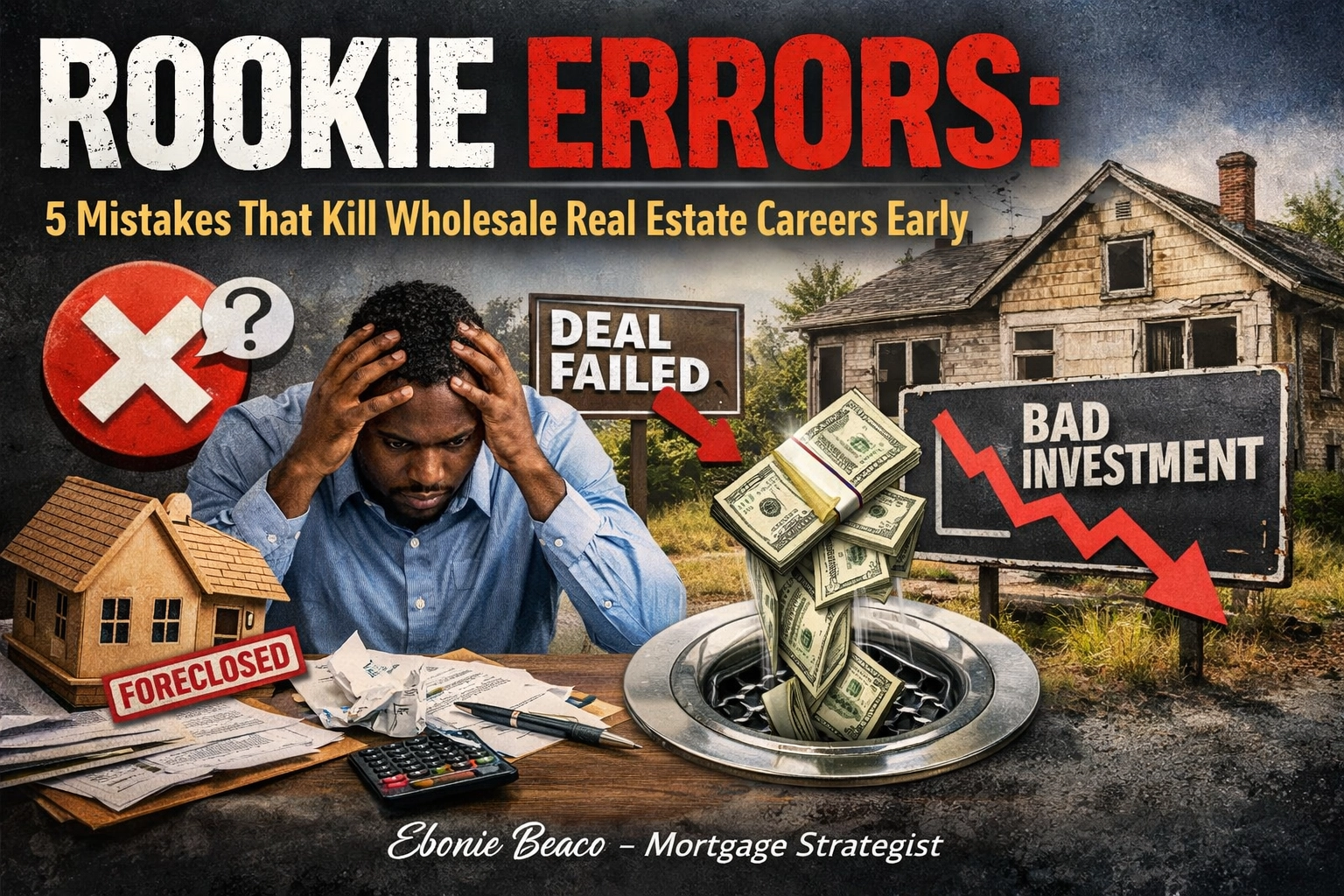
You likely entered wholesale real estate because you heard it was the fastest path to generating capital without needing a massive down payment or a high credit score. While the low barrier to entry makes the industry attractive, that same accessibility leads to a high turnover rate for beginners who treat it like a hobby rather than a high-stakes business. Success in wholesaling houses requires a deep understanding of market data, legal boundaries, and the specific needs of your end buyers who are often looking for fix-and-flip or rental opportunities. Many newcomers burn out within six months because they overlook the fundamental mechanics of deal structuring and lead generation. This guide explores the most common pitfalls that derail promising careers and provides actionable steps to navigate them. By mastering these basics, you position yourself as a professional strategist rather than just another person looking for a quick paycheck.
The Volume Gap: Failing to Submit Consistent Written Offers
The most significant hurdle keeping beginner wholesalers stuck in the "startup" phase is a lack of consistent activity regarding written offers. You might spend dozens of hours driving for dollars in neighborhoods across Chicago or Atlanta, but if those leads do not transition into formal contracts, your pipeline remains empty. Data suggests that it often takes approximately fifteen written offers to secure one executable wholesale deal, yet many rookies stop after two or three rejections. Relying on verbal agreements or casual conversations with motivated sellers often leads to "ghosting" or sellers changing their minds at the last minute. You must treat every lead as a potential transaction by putting terms on paper and presenting them professionally. Maintaining a high volume of formal offers ensures that your business stays active even when certain deals inevitably fall through during the inspection period.
Jump in and treat your lead generation like a professional sales funnel where the end goal is always a signed purchase agreement. Explore different markets, whether you are looking at distressed properties in Florida or equity-rich opportunities in California, and keep your offer count high. When you provide a written offer, you demonstrate a level of seriousness that separates you from the thousands of other people merely "testing the waters." Consistent action builds the local reputation you need to attract high-quality off-market deals before they ever hit the public eye. Accessing more deals is often a simple numbers game that rewards the most persistent participants. Compare your current output to the industry standard and adjust your daily schedule to prioritize contract submissions over passive research.
The Valuation Trap: Miscalculating the After Repair Value (ARV)
After Repair Value (ARV): The estimated market value of a property after all necessary renovations and improvements have been completed. Calculating an accurate ARV is the cornerstone of a successful wholesale transaction, yet it remains one of the most common places where rookies fail. If you overvalue a property by even 5%, you risk contracting it at a price that leaves no room for your assignment fee or the end buyer's profit margin. Many beginners rely on automated valuation tools or outdated "Zestimates" rather than analyzing actual comparable sales from the last six months. To find the true ARV, you must look at properties within a half-mile radius that share similar square footage, bedroom counts, and finish levels. Ignoring the specific nuances of a neighborhood, such as being on a busy street versus a quiet cul-de-sac, can lead to disastrously high valuations.
 Ebonie Beaco - Mortgage Strategist
When you provide an inflated ARV to an experienced investor, you immediately lose credibility as a professional wholesaler. Serious cash buyers and fix-and-flip investors in markets like Virginia or Indiana know exactly what finished homes sell for and will spot a "bad deal" in seconds. You should aim to be the most knowledgeable person in the room regarding local market trends and recent sales activity. Utilize resources like Mortgage Basics to understand how different property types are valued during the appraisal process. Accurate data allows you to structure deals that actually close, ensuring your reputation grows alongside your bank account. Professional investors value wholesalers who provide realistic, conservative numbers that they can actually take to their lenders for financing.
The Pricing Mistake: Contracting Properties Too High
Directly linked to poor valuation is the mistake of agreeing to a purchase price that is simply too high to allow for a wholesale spread. Many new investors use the 70% Rule as a rigid law, but they often forget to subtract the estimated repair costs correctly. In 2026, with shifting construction costs and interest rates, a deal that worked two years ago might not satisfy a buyer today. If you contract a property at $180,000 but the rehab requires $60,000 and the ARV is $280,000, your buyer is looking at a very slim profit margin after closing costs. You must account for the fact that your end buyer will likely use hard money loans or bridge loans which come with their own sets of points and interest.
The 70% Rule: A guideline suggesting an investor should pay no more than 70% of the ARV minus the cost of repairs. Assignment Fee: The profit a wholesaler earns for finding the deal and transferring the contract to an end buyer.
Consider this deal breakdown:
- ARV: $300,000
- Rehab Estimate: $50,000
- 70% of ARV: $210,000
- Max Allowable Offer (MAO): $160,000 ($210k - $50k)
- Your Contract Price: $145,000
- Your Assignment Fee: $15,000
If you had contracted that property at $165,000, your assignment fee would have vanished, or the deal would have become unattractive to an investor. You need to leave enough "meat on the bone" for the person taking the renovation risk. Explore Mortgage Calculators to see how debt service impacts an investor's bottom line. When your numbers are tight and realistic, you become an asset to the local investment community. Always negotiate with the end buyer’s exit strategy in mind to ensure the transaction is a win for everyone involved.
Marketing Without a Contract: The Legal Red Flag
One of the fastest ways to get banned from local investor groups or face legal action is by marketing properties you do not legally control. In many states, including Michigan and Georgia, you must have "equitable interest" in a property before you can legally market your right to purchase it. Many rookies try to "daisy chain" deals by taking a flyer from another wholesaler and trying to add their own fee on top without a valid contract in place. This practice creates confusion, leads to multiple people trying to sell the same house, and often results in the seller feeling harrassed or misled. You should only blast a deal to your buyers list once you have a fully executed purchase agreement with the homeowner. Transparency is the key to building a long-term business in real estate finance and wholesaling.
Jump in by securing your legal rights first, ensuring every marketing post includes a clear disclaimer that you are selling your interest in a contract. This professional approach protects you from accusations of practicing real estate without a license, which is a common pitfall for those who cut corners. Your reputation is your most valuable currency in markets like California or Florida, where the investor circles are often smaller than they appear. If you are unsure about the specific legalities in your area, you can always research the FAQ or consult with a local real estate attorney. Avoid the temptation to move too fast; a single legal mistake can end your career before it truly begins. Establish yourself as a legitimate operator who follows the rules and respects the property rights of sellers.
Failing to Verify Buyer Funding
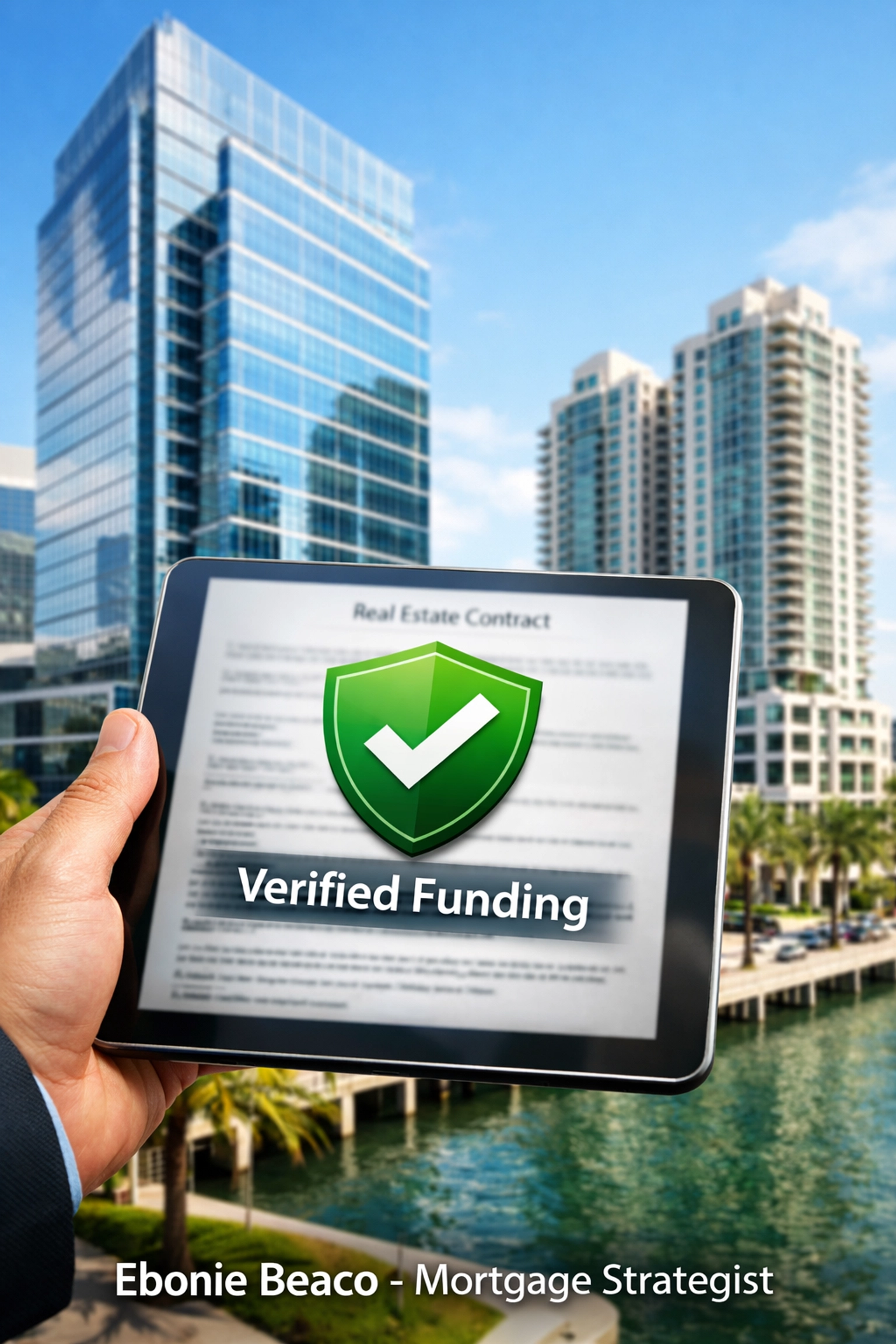
The final mistake that kills deals late in the game is failing to verify that your "cash buyer" actually has the funds to close. Many people join buyers lists claiming they are ready to move, but they may be relying on a loan they haven't been approved for yet. When you get a property under contract, you are on a clock, and a buyer who backs out on closing day can cost you your earnest money and your relationship with the seller. Always ask for a recent Proof of Funds (POF) or a pre-approval letter from a reputable lender specializing in DSCR Investor Loans or fix and flip loans. Verifying funding is a standard business practice that professional investors expect and respect. It ensures that you are not wasting your time with "tire kickers" who are just as inexperienced as you might be.
 Ebonie Beaco - Mortgage Strategist
By connecting your buyers with solid financing resources, you actually help your own deals close faster and more reliably. If a buyer is struggling to secure traditional funding, you can guide them toward Non-QM Mortgage Loans or Interest-Only Mortgages to improve their cash flow. Being a wholesaler who also understands the financing side of the transaction makes you ten times more valuable to your buyers. You aren't just a bird-dog finding houses; you are a deal architect who understands how the money moves. This level of insight allows you to vet your list effectively and focus only on the buyers who have the capacity to perform. Protecting the deal from start to finish is what guarantees you get paid your assignment fee at the closing table.
Scaling From Wholesale to Wealth
While wholesale real estate is an incredible way to generate active income, the ultimate goal for many is to transition into being the one who buys and holds the property. Wholesaling teaches you how to find deals, which is the hardest part of real estate investing, but long-term wealth comes from equity and cash flow. As you build your capital, you can start looking at Home Purchase options for yourself or acquiring rental properties using DSCR rental property loans. These programs allow you to qualify based on the property’s income rather than your personal debt-to-income ratio, making it easier to scale a portfolio. Moving from the person who assigns the contract to the person who holds the deed is a natural progression for successful wholesalers.
Focus on building a business that can eventually fund your own acquisitions in markets like Chicago or the suburbs of Virginia. By avoiding the rookie mistakes of poor valuation and legal shortcuts, you build the foundation necessary to become a major player in your local market. Use the insights you gain from every wholesale transaction to refine your own investment criteria for the future. Whether you eventually move into multifamily apartment buildings or short-term Airbnb rentals, the lessons learned in the trenches of wholesaling will serve you well. Stay dedicated to the process, keep your numbers accurate, and always prioritize the integrity of the transaction. The road to real estate success is paved with well-structured deals and reliable financing strategies.
Schedule a 1 on 1 at https://calendly.com/homeloansnetwork
Ebonie Beaco
Mortgage Strategist | Senior Loan Officer
Home Loans Network powered by Loan Factory Inc.
NMLS #2389954
HomeLoansNetwork.com
312-392-0664