Los Angeles ADU Magic: The Ultimate California BRRRR Strategy
Wednesday, March 18, 2026
The California real estate market has always been a beast of its own. If you are looking at Beverly Hills California Real Estate Investing or scouting for properties in the San Fernando Valley, you know the entry prices can feel like a barrier. However, a massive shift in state law has turned the traditional BRRRR (Buy, Rehab, Rent, Refinance, Repeat) method into a high-octane wealth builder.
As of early 2026, new legislative refinements to SB 543 and AB 1154 have made it even easier to permit and build Accessory Dwelling Units (ADUs). For the savvy investor, this isn't just about adding a "granny flat." It is about doubling your door count on a single-family lot, exploding your property value, and mastering the refinance stage with a California DSCR loan lender.
The New California BRRRR Reality
The traditional BRRRR method relies on finding a distressed property, fixing it up, and pulling your initial capital back out through a refinance. In a high-priced market like Los Angeles, just "fixing a kitchen" often isn't enough to create the equity spread you need to get all your cash back.
Enter the ADU Magic.
By adding a second (or third, thanks to Junior ADUs) unit to a property, you are essentially creating a multi-unit asset at a single-family price point. This strategy is currently the most effective way to navigate California investment property loans while ensuring your cash flow remains positive in expensive zip codes.
Step 1: Buy (The Strategic Acquisition)
The "Buy" phase in Los Angeles requires a different lens in 2026. You aren't just looking for a "bad house." You are looking for a "good lot."
Look for properties with:
- Large rear yards.
- Detached garages (prime for conversion).
- Zoning that allows for easy utility tie-ins.
- Sufficient "side-yard" access for construction equipment.
Explore the Home Purchase options to see how we can structure your initial acquisition. Many investors are now using bridge loans or hard money to secure the property quickly before moving into the ADU construction phase.
Step 2: Rehab (The ADU Value-Add)
This is where the magic happens. In Los Angeles, a well-built ADU can cost anywhere from $150,000 to $250,000 depending on the square footage. While that sounds like a lot, the value it adds to the appraisal is often 1.5x to 2x the cost of construction.
Rehab Strategy:
- The Main House: Focus on "clean and functional." Don't over-improve for the neighborhood.
- The ADU: Maximize the footprint. In 2026, the demand for 2-bedroom ADUs is skyrocketing as remote work remains a staple for LA professionals.
- Separate Utilities: Whenever possible, sub-meter the units. This makes your "Rent" phase much cleaner for your future landlord loans.
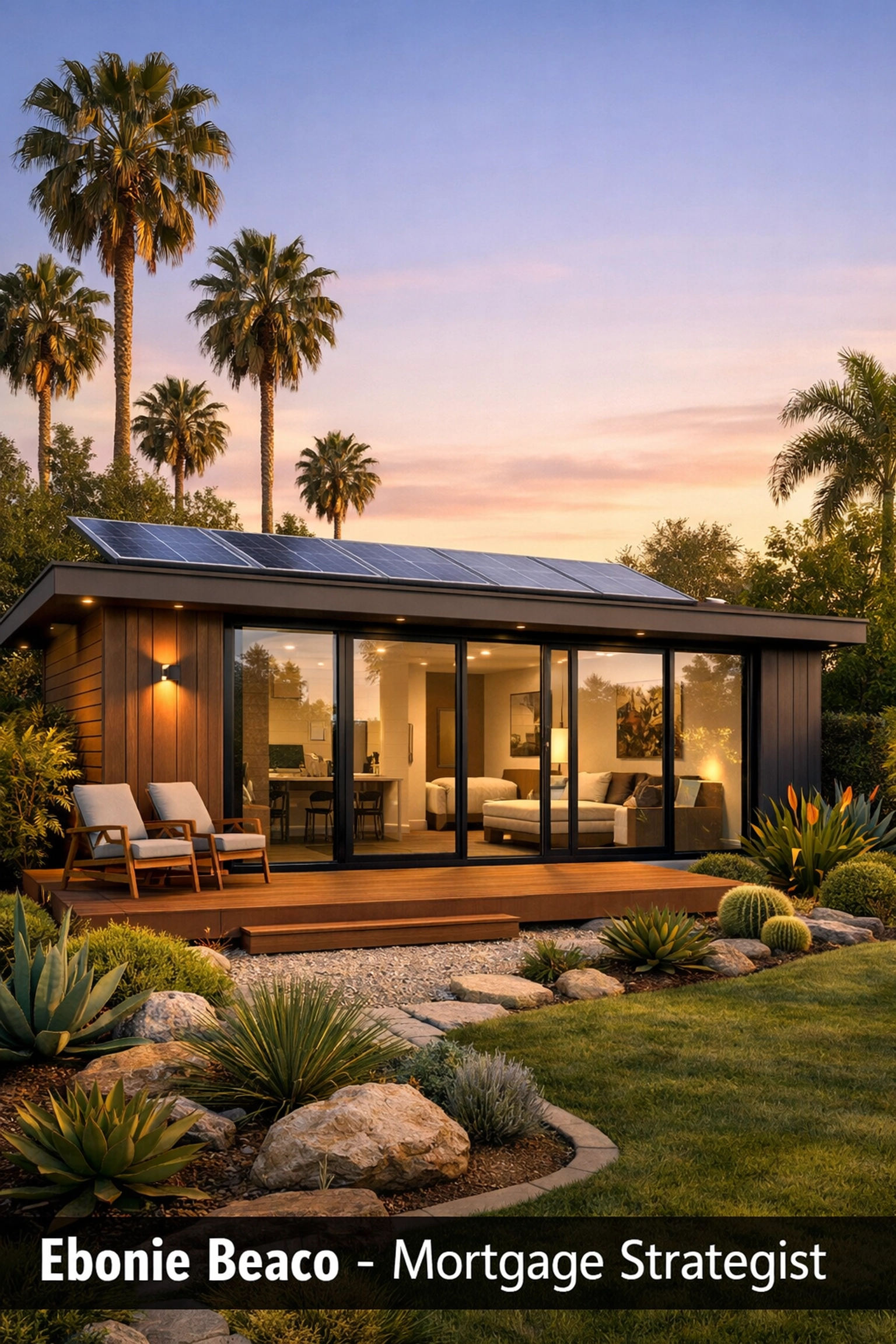
Description: A financial breakdown showing a $200,000 ADU investment leading to a $400,000 increase in property appraisal value.
Step 3: Rent (The Cash Flow Engine)
In Los Angeles, the rental market remains incredibly tight. A 1,000-square-foot ADU in a decent neighborhood can easily fetch $3,000 to $4,000 per month.
When you combine the rent from the main house (let’s say $4,500) and the ADU ($3,200), you are looking at $7,700 in gross monthly income on a property that might have only cost you $900,000 to acquire and $200,000 to develop. This high rental yield is the "secret sauce" that makes the next step possible.
Step 4: Refinance (The Payday)
This is where most California investors get stuck, but it’s where a California DSCR loan lender shines.
DSCR (Debt Service Coverage Ratio): A loan program that qualifies the property based on the rental income it generates rather than your personal income or tax returns.
Because you now have two units of income, your DSCR ratio will likely be very strong. Lenders see the combined $7,700 income against a projected mortgage payment of, say, $5,500. This makes the property an "A+" asset in the eyes of a lender.
You can learn more about how this works on our Mortgage Basics page. By using a Cash-Out Refinance, you pull out the $200,000 you spent on the ADU plus your original down payment.
Step 5: Repeat (The Wealth Build)
With your capital back in your pocket and a cash-flowing asset in your portfolio, you move on to the next one. This is how portfolios in Beverly Hills and surrounding areas are built from the ground up without needing tens of millions in start-up capital.
Case Study: The Van Nuys Transformation
Let’s look at a real-world scenario from a deal closed in late 2025.
- Purchase Price: $850,000 (3-bed, 2-bath fixer).
- Initial Down Payment: $170,000 (20%).
- Main House Rehab: $60,000.
- New ADU Build: $190,000.
- Total All-In Cash: $420,000.
The Result:
After six months of construction, the property was appraised as a "duplex equivalent" for $1,450,000.
The investor used a DSCR loan at 75% LTV (Loan to Value).
- New Loan Amount: $1,087,500.
- Payoff of Original Loan: $680,000.
- Cash Out: $407,500.
In this scenario, the investor nearly recovered their entire $420,000 investment. They now own a $1.45M asset in Los Angeles that pays for itself and leaves them with enough cash to start their next project. This is why California investment property loans are the most powerful tool in your belt.
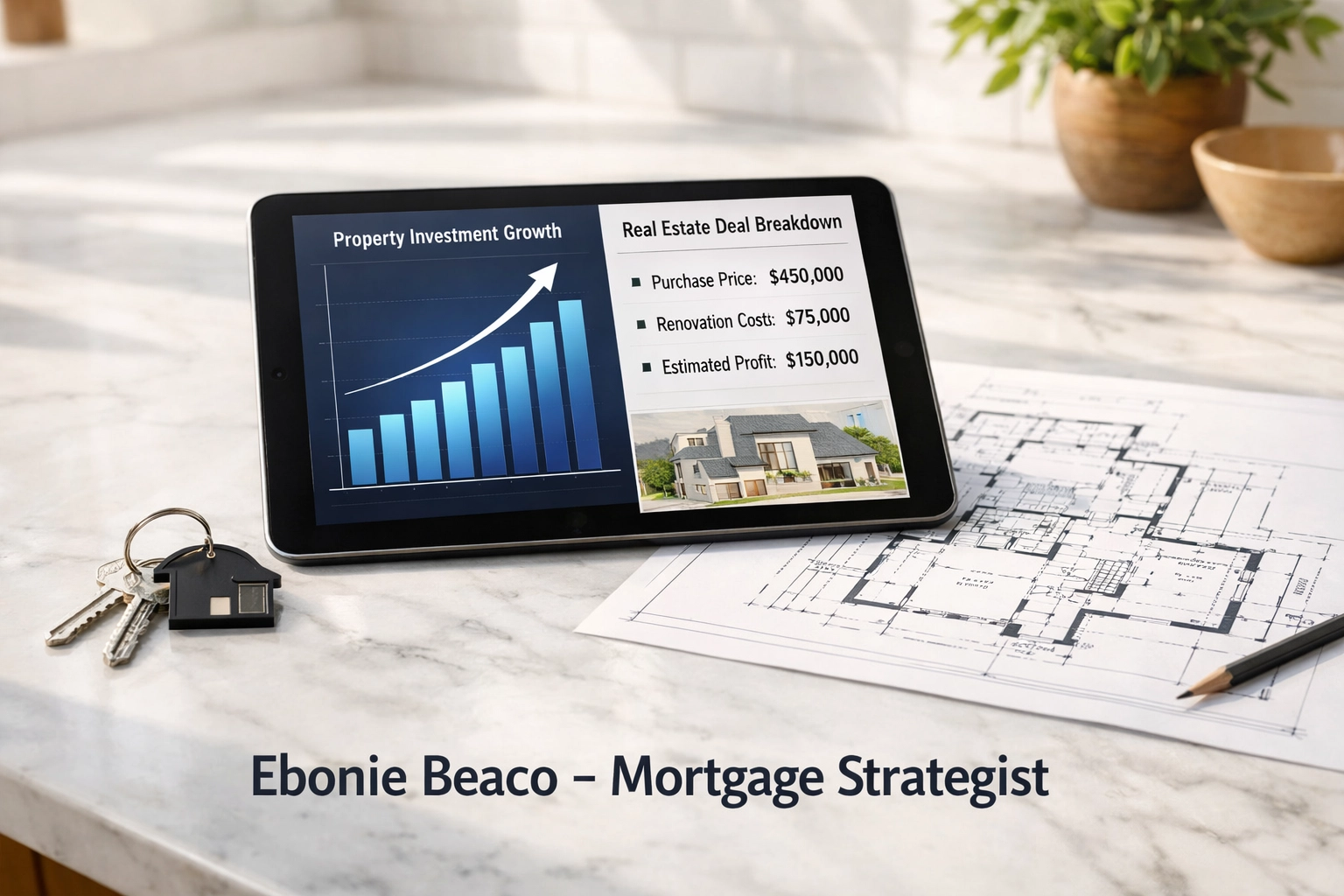
Description: A Deal Summary Table comparing "Before ADU" vs "After ADU" metrics including LTV, Cash-out amount, and Monthly Cash Flow.
Why the ADU Strategy is Essential in 2026
The importance of the ADU strategy cannot be overstated. With traditional housing inventory remaining low, the Los Angeles City Council has continued to streamline the "Ready-to-Share" ADU program. This provides pre-approved building plans that can shave months off your permitting timeline.
When you speed up the "Rehab" phase, you decrease your holding costs (interest, taxes, insurance). This makes your overall return on investment (ROI) significantly higher.
Jump in by checking our Loan Process to see how we can get you pre-approved for your first (or next) BRRRR project.
Critical Tips for LA Investors
- Verify Power Requirements: Older LA homes often need a panel upgrade to 200 amps to support a new ADU. Don't skip this during your "Buy" inspection.
- Separate Addresses: Ensure you get a separate address for the ADU from the city. This helps with everything from mail to future appraisals.
- DSCR Ratios: Understand that as a California DSCR loan lender, we look for a ratio of 1.2 or higher for the best rates. With an ADU, hitting 1.5 is common.
- Mentorship: If you are new to this, don't go it alone. The permit process in LA is better than it used to be, but it still has its quirks.
Compare your current options using our Mortgage Calculators to see what your potential cash-out might look like.
Final Thoughts on the LA Market
Real estate investing in California isn't about finding a "cheap" house; it's about creating value where others see a standard backyard. The ADU BRRRR strategy is the most transparent way to build a rental portfolio in one of the most desirable markets in the world.
Whether you are looking for Beverly Hills California Real Estate Investing opportunities or a hidden gem in North Hollywood, the financing is the bridge that gets you there.
Access the expert guidance you need to navigate these complex deals. We handle the heavy lifting of the mortgage strategy so you can focus on finding the right dirt.
Scedule a 1 on 1 at https://calendly.com/homeloansnetwork
Ebonie Beaco - Mortgage Strategist | Senior Loan Officer
Home Loans Network powered by Loan Factory Inc.
NMLS #2389954
HomeLoansNetwork.com
312-392-0664