How to Scale Your Real Estate Wholesale Business Across State Lines (Without the Stress)

Scaling a real estate wholesale business used to mean driving more neighborhoods and hanging more bandit signs in your local town. Today, the game has shifted toward virtual wholesaling, where your physical location is far less relevant than your ability to analyze data and build systems.
If you have already mastered your local market in Chicago or Richmond, you might feel the itch to expand into high-growth regions like the Sunbelt or the West Coast. Moving into new territory allows you to diversify your lead sources and find markets where the spreads between the contract price and the investor purchase price are much wider.
Scaling real estate wholesale operations across state lines requires a transition from being a solo operator to becoming a strategist. You need to understand the local nuances of an Atlanta investment property just as well as you understand the regulations in California or Florida.
Defining the Virtual Wholesale Model
Virtual Wholesaling: The process of executing the entire wholesale transaction: from lead generation and contract signing to the final assignment: without physically visiting the property.
By leveraging digital tools and local partnerships, you can operate in multiple states simultaneously. This model is particularly effective when you target markets with high investor demand, such as those in Georgia, Florida, and Alabama.

Why Investors are Looking Toward the Sunbelt and Beyond
Growth is happening rapidly in specific pockets of the country. Many wholesalers are looking at the Atlanta investment property market because of its consistent inventory and strong pool of "fix and flip" buyers.
Atlanta offers a unique mix of urban density and suburban expansion, providing various entry points for wholesalers. Whether you are looking at distressed single-family homes or small multifamily units, the demand from local landlords remains high.
Florida and California offer different opportunities. Florida’s market is driven by a constant influx of new residents, making it a prime spot for DSCR investor loans and rental property acquisitions. California, while having higher price points, often offers significantly larger assignment fees due to the sheer volume of equity involved in those transactions.
Jump in and explore our loan process to see how we help your end buyers secure the funding they need to close your deals.
Navigating the Regulatory Landscape in 2026
The regulatory environment for wholesaling is changing. As of 2026, several states have implemented stricter rules to ensure transparency in real estate transactions.
Disclosure Requirements: Mandatory legal statements included in a contract that inform the seller of the wholesaler’s intent to assign the contract for a profit.
Failing to follow these rules can lead to heavy fines or legal complications. For instance, Oklahoma’s Senate Bill 1075 and recent updates in Ohio (SB 155) have set a new standard for how wholesalers must operate.
- Illinois and Chicago: Licensing is often a point of discussion; ensure you are operating within the guidelines of the Illinois Real Estate License Act.
- Oklahoma and Pennsylvania: These states have increased oversight on marketing practices.
- California and Florida: These markets require a deep understanding of local title and escrow procedures.
Before you send your first mailer into a new state, consult with a local real estate attorney to review your assignment contracts. Being transparent with both your sellers and your buyers is the best way to build a sustainable business.
Building Your Boots on the Ground Team
You cannot be everywhere at once. To scale successfully, you need a reliable network in every market you enter.
Boots on the Ground: A trusted local partner or contractor who can visit properties, take photos, and occasionally meet with sellers.
Your team should include:
- A Reliable Photographer: High-quality images are the only way to sell a deal virtually.
- A Tech-Forward Title Company: You need a title company that understands assignment of contracts and "double closings."
- Local Real Estate Investors: Building a robust buyers list in cities like Orlando, Virginia Beach, or Birmingham is essential.
- A Knowledgeable Mortgage Strategist: Understanding how your buyers will finance the deal allows you to vet them more effectively.
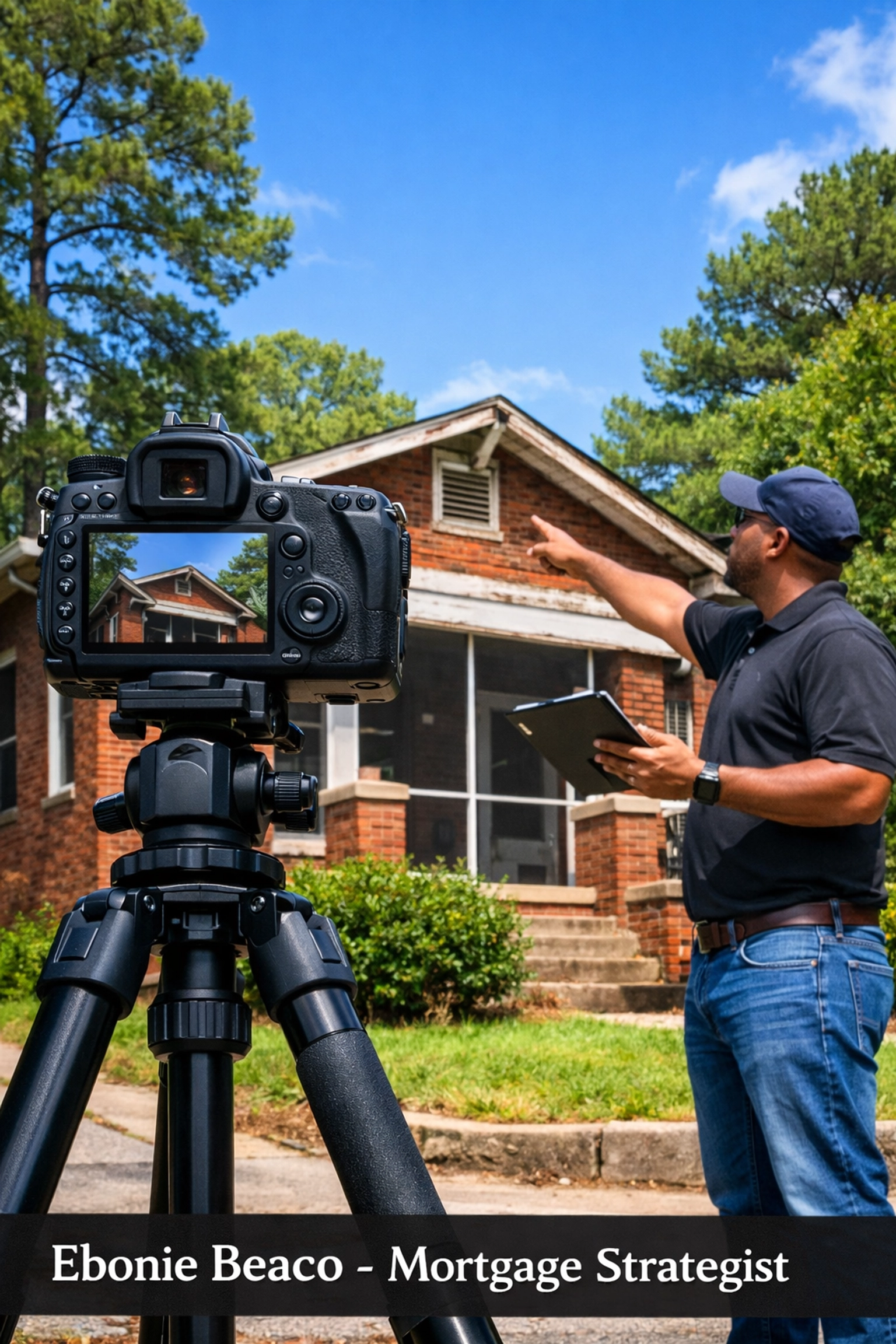
Understanding Financing to Better Vet Your Buyers
The most common reason wholesale deals fall apart is that the end buyer cannot secure financing. If you understand the loan programs your buyers are using, you can ensure they are actually qualified to close.
DSCR (Debt Service Coverage Ratio) Loans: A financing option for investors where the loan qualification is based on the property’s rental income rather than the borrower’s personal income.
If you are wholesaling a rental property in Florida or Georgia, a buyer using a DSCR loan is often a safer bet than someone trying to use a traditional conventional loan. Knowing that we offer DSCR investor loans gives you an edge when explaining the "closability" of your deal to a seller.
Financial Breakdown: The Virtual Wholesale Deal
Let’s look at a practical example of a virtual deal in a market like Atlanta. Understanding the numbers helps you communicate the value to your cash buyers and landlords.
Scenario: You find a distressed property in an up-and-coming Atlanta neighborhood.
- Estimated After Repair Value (ARV): $300,000
- Estimated Repairs: $40,000
- Your Contract Price with Seller: $175,000
- Your Assignment Fee: $20,000
- Price to End Buyer: $195,000
In this scenario, the end buyer is purchasing the property for $195,000. If they plan to hold it as a rental, they might use a DSCR loan.
| Category | Value |
|---|---|
| Purchase Price (End Buyer) | $195,000 |
| Down Payment (20%) | $39,000 |
| Loan Amount | $156,000 |
| Monthly Rental Income | $2,200 |
| Estimated PITI Payment | $1,450 |
| DSCR Ratio | 1.51 |

With a DSCR of 1.51, this property is a "slam dunk" for most investor loan programs. By presenting these numbers to your buyers list, you move the deal faster and with less friction. Access our mortgage calculators to run these numbers for your own potential deals.
Systems and Automation for Multi-State Growth
Scaling requires you to step away from the manual tasks. You need a tech stack that works while you sleep.
CRM (Customer Relationship Management): Software used to track leads, follow up with sellers, and manage your buyers list.
- Lead Generation: Use data providers to find motivated sellers in high-demand zip codes across Alabama, Arkansas, and Michigan.
- Cold Calling and SMS: Hire virtual assistants (VAs) to handle the initial outreach. This keeps you focused on closing the deals that are already "warm."
- Transaction Management: Use digital signature tools and cloud-based folders to keep all state-specific contracts organized.
Compare different markets by looking at the average "days on market" for distressed properties. Markets in Indiana and Kentucky might have lower entry prices, but the demand from "fix and flip" investors might differ from what you see in the Chicago area.
Managing the Stress of Cross-State Operations
Expansion is exciting, but it can be overwhelming. The key is to expand one market at a time. Don't try to launch in five states in one month. Master the "Boots on the Ground" process in Atlanta before moving into the California market.
Transparency is your best friend. Be clear with sellers about your role as an investor who may assign the contract. Be clear with buyers about the condition of the property. When everyone is on the same page, the "stress" of a deal goes down significantly.
If you are looking for a partner who understands the investor mindset and can help your buyers with everything from fix and flip loans to bridge loans, we are here to support your growth.
Explore our about us page to learn more about how we work with wholesalers and investors across the country.
Moving Toward Your First Cross-State Deal
The transition to virtual wholesaling is a journey of education and networking. Start by identifying one market that aligns with your goals. Research the local laws, find a title company that handles assignments, and start building your buyers list.
As you scale, the quality of your financing partners becomes a critical component of your success. Having a team that can explain home refinance options or rental property financing to your clients makes you a more valuable asset in the transaction.
Compare your options, do your homework, and take the first step toward geographic freedom in your real estate business.
Schedule a 1 on 1 at https://calendly.com/homeloansnetwork
Ebonie Beaco Mortgage Strategist | Senior Loan Officer Home Loans Network powered by Loan Factory Inc. NMLS #2389954 HomeLoansNetwork.com 312-392-0664