How to Navigate Wholesaling Logistics and Close Faster in CA and FL

Wholesaling real estate is often described as the "fast track" to real estate investing. While it doesn't require you to swing a hammer or manage a long term tenant, it does require a deep understanding of logistics, contracts, and local regulations.
If you are operating in high velocity markets like California, Florida, or the Atlanta metro area, speed is your primary currency. One small mistake in your contract or a delay in your buyer’s funding can kill a deal before it even reaches the closing table.
This guide breaks down exactly how to navigate the logistical hurdles of wholesaling so you can collect your assignment fees and move on to the next deal with confidence.
Understanding the Core Mechanics of Wholesaling
Wholesaling
A real estate investment strategy where an individual (the wholesaler) acquires a purchase contract for a property and subsequently assigns that contract to an end buyer.
This process allows you to generate a profit without ever actually taking title to the property.
In states like Florida and California, the demand for distressed properties is high. Investors are constantly looking for their next fix and flip or rental property. Your job is to find the opportunity, lock it down, and connect it with the right capital.
Choosing Your Strategy: Assignment vs. Double Closing
The way you structure your deal dictates how fast you get paid and how much transparency you provide to the parties involved.
Assignment of Contract
Assignment of Contract
A legal document that transfers the rights and obligations of a purchase agreement from the original buyer (the wholesaler) to a new buyer.
This is the most common and efficient method for closing wholesale deals quickly.
In an assignment, you aren't buying the house. You are selling the right to buy the house. You charge an Assignment Fee for this service.
Explore the benefits of assignments:
- Low Capital Requirement: You typically only need enough for the Earnest Money Deposit (EMD).
- Speed: Since there is only one closing, the process is streamlined.
- Simplicity: Fewer closing costs because you aren't paying two sets of title fees.
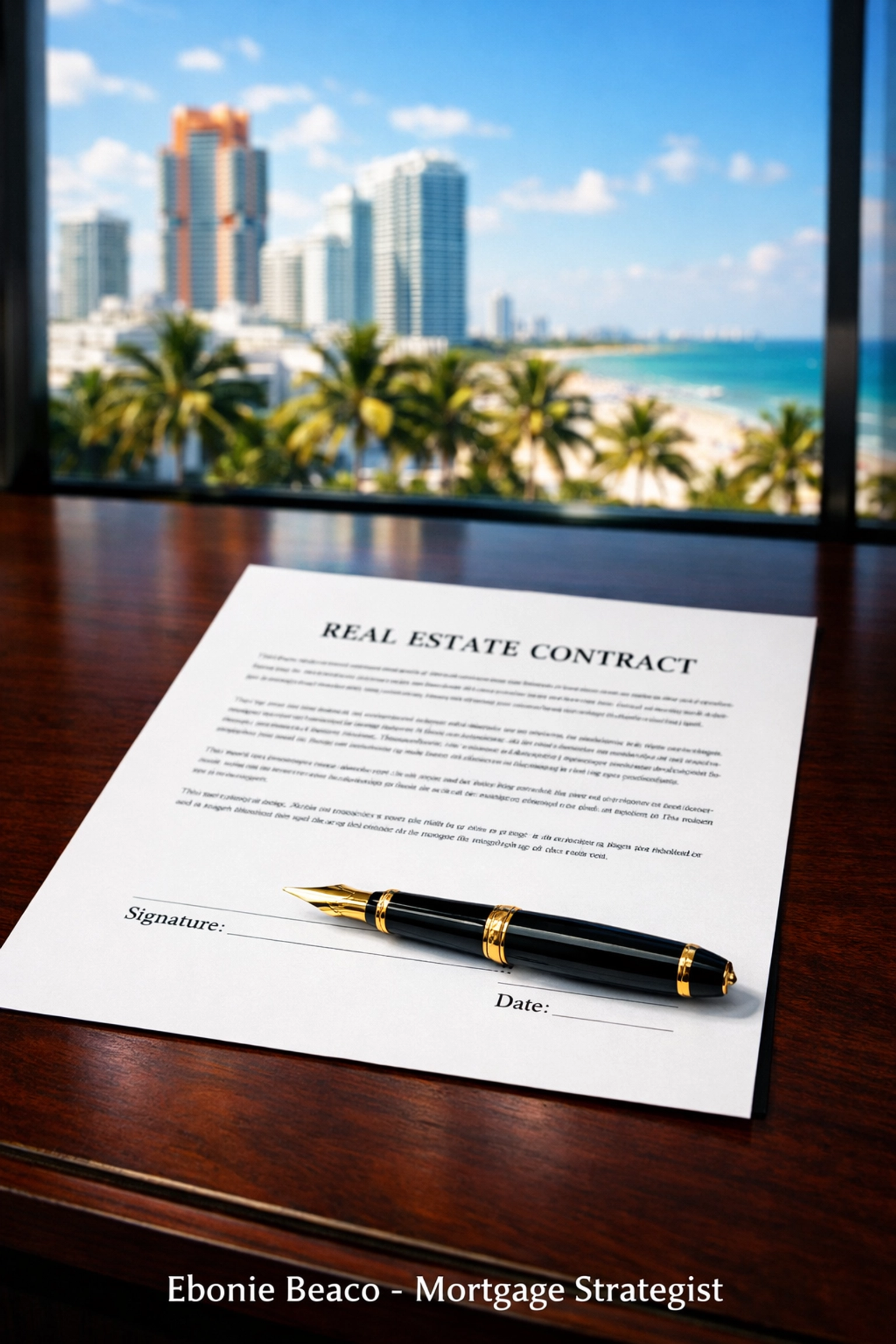
Double Closing
Double Closing
A transaction involving two separate real estate closings occurring back to back, where the wholesaler briefly takes ownership of the property before selling it to the end buyer.
This strategy is often used when the assignment fee is significantly high and the wholesaler prefers to keep their profit private from both the seller and the end buyer.
In Florida, double closings are a popular way to navigate specific legal interpretations regarding the marketing of real estate. While it costs more in title fees, it offers a layer of privacy that some wholesalers find essential.
Navigating State Specific Regulations
The rules of the game change once you cross state lines. What works in Miami might require a different approach in Los Angeles or Atlanta.
Florida Wholesaling Logistics
Florida is a very wholesaler friendly state, but you have to be careful about how you market your deals. According to Florida state statutes, you cannot market a property you do not own unless you are a licensed realtor.
However, you can market the contract. The distinction is subtle but critical. Your marketing should focus on the "assignment of interest" rather than the physical house. This keeps you in compliance while still attracting cash buyers.
California Wholesaling Logistics
California requires a high level of transparency. If you are assigning a contract, you must ensure that your contract specifically allows for assignments. Furthermore, California courts and regulators often look for full disclosure regarding the wholesaler's intent and the fee being earned.
Jump in and verify your contracts with a local title company that understands investor transactions to avoid any last minute hiccups at the closing table.
The Atlanta, Georgia Market
Atlanta remains a massive hub for wholesaling. The logistics here often revolve around the speed of the title search. Using an investor friendly attorney is a requirement in Georgia, as it is an "attorney state" for closings. Having an attorney who understands the Assignment of Contract process can shave days off your timeline.
Real World Financial Example: Assignment vs. Double Closing
Let's look at how the numbers play out in a typical Florida deal. Imagine you find a distressed property in Orlando with an After Repair Value (ARV) of $350,000.
The Deal Breakdown:
- Contract Price with Seller: $220,000
- Estimated Repairs: $50,000
- End Buyer Purchase Price: $245,000
Option A: Assignment of Contract
In this scenario, you assign the contract to your cash buyer for a $25,000 fee.
The buyer pays $245,000 total. You walk away with $25,000 minus your initial EMD.
The closing is fast, and you only deal with one set of paperwork.
Option B: Double Closing
You buy the property for $220,000 and sell it minutes later for $245,000.
While you still make a $25,000 gross profit, you will likely pay roughly $2,000 to $4,000 in closing costs, title insurance, and escrow fees for the first leg of the transaction.
Your net profit drops to approximately $21,000, but the seller never sees how much you made.

Speeding Up the Process with a Cash Buyer Network
The number one reason wholesale deals fail is the lack of a ready buyer. You can have the best contract in the world, but if you can't find someone to take it over within your inspection period, the deal is dead.
To close faster, you need to build a list of "Vetted Cash Buyers." These are investors who:
- Have proof of funds ready.
- Understand the local market (CA, FL, or GA).
- Can make a decision within 24–48 hours.
Many of these buyers use specialized financing to move quickly. For example, some might use DSCR Investor Loans to build their rental portfolios, while others rely on Fix and Flip Loans for short term projects. Knowing how your buyers fund their deals helps you present opportunities that fit their specific financial profiles.
Technical Requirements for a Valid Wholesale Contract
To ensure your logistics are sound, your contract must contain specific "weasel clauses" and legal protections.
Earnest Money Deposit (EMD)
A sum of money a buyer provides to a seller as a sign of good faith when entering into a real estate contract.
In wholesaling, keeping your EMD low (e.g., $100 to $1,000) reduces your risk if you cannot find an end buyer.
Inspection Contingency
A clause in the purchase agreement that allows the buyer to conduct a property inspection and cancel the contract if they are unsatisfied with the findings.
This is your safety net. It gives you the time (usually 7–14 days) to show the property to your cash buyers.
Assignment Clause
A specific provision in the contract that explicitly grants the buyer the right to assign the contract to another party.
Without this clause, you might be forced to double close or risk a breach of contract.
Access our online forms or FAQ section to learn more about the documentation needed for smooth real estate transactions.
Why Financing Partnerships Benefit Wholesalers
You might think that as a wholesaler, you don't need to worry about mortgages. That is a common misconception. Your end buyer almost certainly needs a financing strategy.
If you can bring a deal to a buyer and simultaneously point them toward a reliable lender who understands Hard Money Loans or Non-QM Mortgage Loans, you become an invaluable partner. This "one-stop-shop" approach significantly increases your closing ratio.
At Home Loans Network, we work with investors throughout California, Florida, Georgia, and Virginia to provide the capital they need to take your wholesale deals to the finish line. Whether it's a cash-out refinance to fund their next purchase or a DSCR rental property loan for a long term hold, we have the programs to support them.
Pro-Tips for Rapid Closing Logistics
- Use Investor-Friendly Title Companies: Not all title companies understand the nuances of assignments or double closings. Ask for a "Wholesale Friendly" escrow officer.
- Verify Proof of Funds: Never take a deal off the market for a buyer who can’t prove they have the cash or a pre-approval from a reputable lender.
- Standardize Your Paperwork: Have your assignment agreement and purchase contract ready to go at a moment's notice.
- Communicate Transparently: Be upfront with your sellers about your role as an investor. Transparency builds trust and prevents legal headaches later.
Compare different exit strategies and market trends by visiting our about us page or reading through our testimonials from other successful real estate professionals.
Ready to Scale Your Wholesaling Business?
Navigating the logistics of wholesaling in CA and FL requires a mix of legal knowledge, market timing, and strong partnerships. By mastering the assignment of contract and understanding when to utilize a double closing, you position yourself as a professional in a crowded market.
If you are an investor looking to fund your next acquisition or a wholesaler who wants to learn more about how our loan programs can help your buyers close faster, let's connect.
Schedule a 1 on 1 at https://calendly.com/homeloansnetwork
Ebonie Beaco
Mortgage Strategist | Senior Loan Officer
Home Loans Network powered by Loan Factory Inc.
NMLS #2389954
HomeLoansNetwork.com
312-392-0664