How to Age in Place: A Step-by-Step Reverse Mortgage Guide for Florida Homeowners

Florida is a premier destination for retirement. Many homeowners across the Sunshine State, from the coastal vibes of Boca Raton to the quiet suburbs of Orlando, want to stay in their homes as they get older. This concept is known as aging in place. It allows you to maintain your independence, stay connected to your community, and keep the comfort of your familiar surroundings.
The challenge for many seniors is managing cash flow during retirement. While you might have a significant amount of equity in your home, that wealth is often "locked" behind your front door. A reverse mortgage is a strategic financial tool designed specifically to help you unlock that equity without forced monthly mortgage payments.
This guide provides a clear, step-by-step path for Florida homeowners considering a reverse mortgage to fund their lifestyle and secure their future.
Defining the Core Concepts
To navigate the reverse mortgage world, you must understand the two primary types of loans available to seniors in Florida.
HECM (Home Equity Conversion Mortgage)
Definition: A reverse mortgage insured by the Federal Housing Administration (FHA).
Practical Application: This is the most common reverse mortgage, providing a government-backed guarantee and strict consumer protections for homes valued up to the FHA limit.
Proprietary Reverse Mortgage
Definition: A private loan product not insured by the government, often referred to as a "Jumbo Reverse Mortgage."
Practical Application: These loans are ideal for owners of high-value properties that exceed the standard FHA lending limits, offering access to a larger portion of home equity.
Loan-to-Value (LTV)
Definition: The ratio of the loan amount compared to the appraised value of the property.
Practical Application: LTV determines how much cash you can actually access based on your age, the home's value, and current interest rates.

A visual breakdown of the HECM vs. Proprietary loan-to-value calculations, showing how much equity a homeowner can access based on property value.
The Florida Aging in Place Strategy
Aging in place is about more than just staying put. It involves ensuring your home is safe, your healthcare is funded, and your quality of life remains high. In cities like Tampa or Miami, the cost of living and property taxes can fluctuate.
A reverse mortgage helps you manage these variables. You can explore how these strategies fit into your overall plan by visiting our mortgage basics page.
Step 1: Confirm Your Eligibility
The first step is determining if you qualify for the program. For a standard HECM, you must be at least 62 years old. However, some proprietary programs in Florida now allow homeowners as young as 55 to participate.
Your home must be your primary residence. This means you must live there for more than six months out of the year. Condominiums, single-family homes, and some manufactured homes qualify, though condos must be FHA-approved for a HECM loan.
Step 2: Attend Mandatory Counseling
The government requires all HECM applicants to complete a counseling session with an independent, HUD-approved agency. This is a protective measure. The counselor explains the legal obligations, costs, and alternatives to a reverse mortgage.
You can complete this session over the phone or in person. Once finished, you receive a certificate that allows you to move forward with the loan process.
Step 3: Choose Your Payout Method
One of the best features of a reverse mortgage is its flexibility. You can choose how you receive your funds:
- Lump Sum: Receive a single large payment at closing (typically restricted to a fixed-rate loan).
- Tenure: Receive equal monthly payments for as long as you live in the home.
- Line of Credit: Access funds only when you need them. The unused portion of the line of credit actually grows over time.
- Modified Tenure/Line of Credit: A combination of monthly payments and a standby line of credit.
Step 4: The Appraisal and Financial Assessment
A licensed appraiser will visit your home to determine its current market value. This is a critical step because your loan amount is directly tied to this number.
Simultaneously, the lender performs a financial assessment. They aren't looking for perfect credit. Instead, they want to ensure you have the financial capacity to pay your property taxes and homeowners insurance. In Florida, where insurance premiums can be high, this is a vital part of the review.
Case Study: The Kim Family in Naples, Florida
To see how these numbers work in the real world, let's look at Min-jun and Ji-ae Kim. The Kims are a South Korean couple who retired to a beautiful home in Naples, Florida. They are both 72 years old and own their home outright.
Property Profile:
- Home Value: $1,400,000
- Current Mortgage: $0 (Owned clear)
- Goal: Increase monthly cash flow and create a "rainy day" fund for medical expenses.
The Kims compared a HECM loan against a Proprietary (Jumbo) loan. In 2026, the HECM lending limit is $1,209,750. Even though their home is worth $1.4 million, the HECM calculation only considers the value up to that limit.
HECM LTV Calculation:
- Max Claim Amount: $1,209,750
- Principal Limit Factor (Age 72): ~45% (Estimated based on rates)
- Available Funds: $544,387
Proprietary LTV Calculation:
- Full Home Value: $1,400,000
- Principal Limit Factor (Age 72): ~40% (Proprietary rates and factors differ)
- Available Funds: $560,000
The Kims opted for the Proprietary loan because it allowed them to access equity based on their full $1.4 million valuation. They took $100,000 as a lump sum to renovate their kitchen for better accessibility and placed the remaining $460,000 into a line of credit.
Understanding Loan-to-Value (LTV) Mechanics
The amount of money you can receive is not the full value of your home. LTV in reverse mortgages is often called the "Principal Limit."
How HECM LTV is Calculated
The FHA uses a formula that considers the age of the youngest borrower, current interest rates, and the lesser of the appraised value or the FHA maximum claim amount. As you get older, the LTV percentage typically increases.
How Proprietary LTV is Calculated
Private lenders create their own tables. Because they are not bound by FHA limits, they can lend on homes worth $2 million, $5 million, or more. While the LTV percentage might be slightly lower than a HECM for some age groups, the total dollar amount is often much higher for Florida's luxury real estate market.
Jump in and compare these loan programs to see which structure fits your specific property value.
Responsibilities of the Homeowner
A reverse mortgage is a "non-recourse" loan, meaning you or your heirs will never owe more than the home is worth at the time of sale. However, you do have ongoing responsibilities to keep the loan in good standing.
- Occupancy: You must continue to live in the home as your primary residence.
- Taxes: You must stay current on all property taxes.
- Insurance: You must maintain homeowners insurance (and flood insurance if required in your part of Florida).
- Maintenance: You must keep the home in good repair.
Access our about us section to learn how we help homeowners manage these requirements through clear communication and expert guidance.
Why Florida Seniors Are Choosing Reverse Mortgages
The Florida market is unique. With no state income tax, many seniors find that their retirement savings go further here. However, inflation and rising insurance costs can squeeze a fixed income.
A reverse mortgage provides a tax-free source of funds. Since the money is a loan advance, the IRS does not view it as taxable income. This allows you to supplement your Social Security or pension without moving into a higher tax bracket.
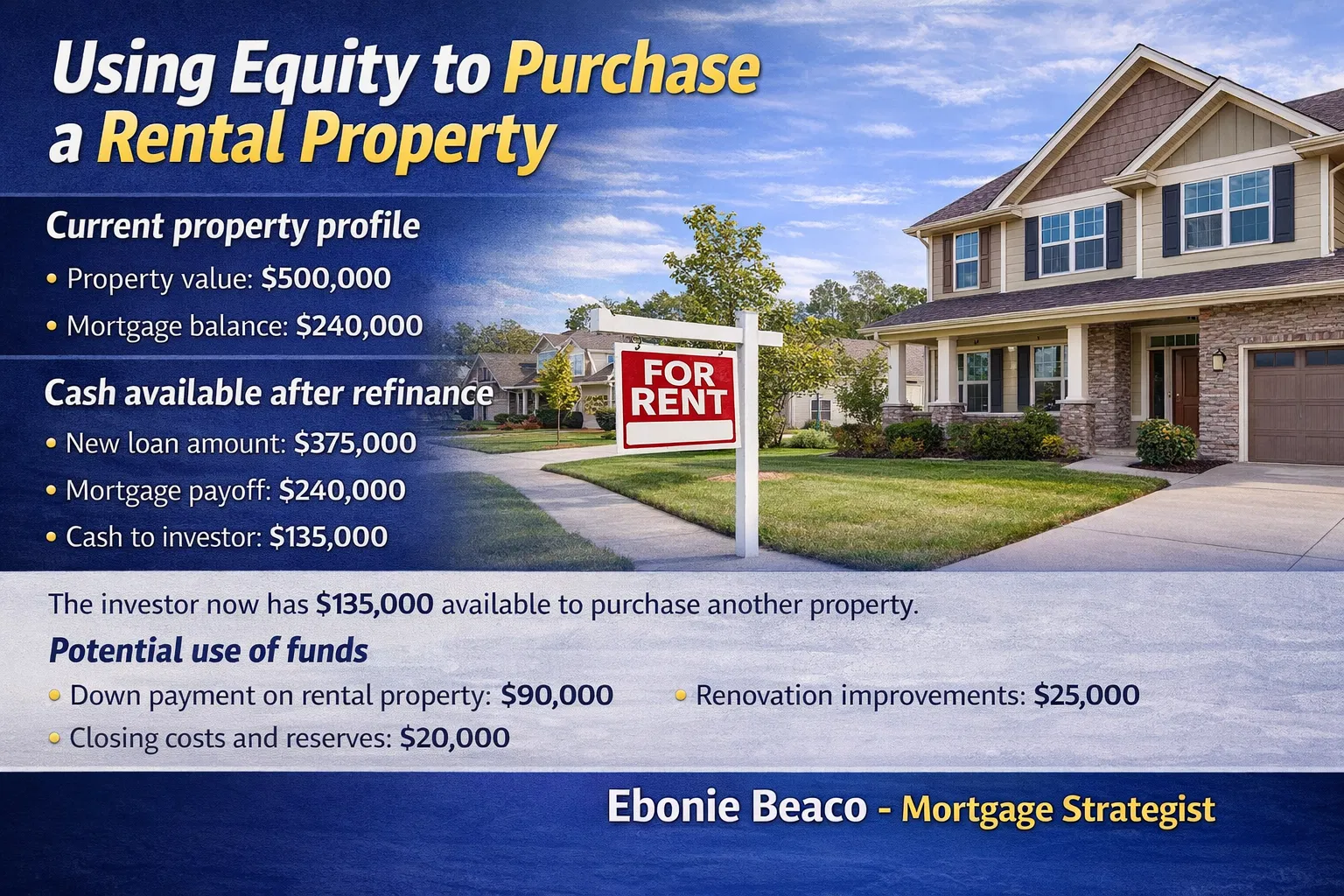
Explore your options for a home refinance to see if a reverse mortgage or a traditional cash-out option is better for your specific goals.

A professional mortgage strategist reviewing reverse mortgage documents with a senior couple in a bright, modern Florida home office.
Closing the Loan and Moving Forward
Once you choose your lender and your program, the closing process is very similar to a standard mortgage. You will sign the final documents, and there is a three-day "right of rescission" period. This gives you three business days to cancel the deal if you change your mind for any reason.
After that period, the funds are disbursed. You can breathe easier knowing you have a financial cushion while staying in the home you love.
If you are ready to see how the numbers look for your specific property, the next step is a professional evaluation.
Schedule a 1 on 1 at https://calendly.com/homeloansnetwork
Ebonie Beaco
Mortgage Strategist | Senior Loan Officer
Home Loans Network powered by Loan Factory Inc.
NMLS #2389954
HomeLoansNetwork.com
312-392-0664