How Does a Cash-Out Refinance Help Scale My Real Estate Portfolio?
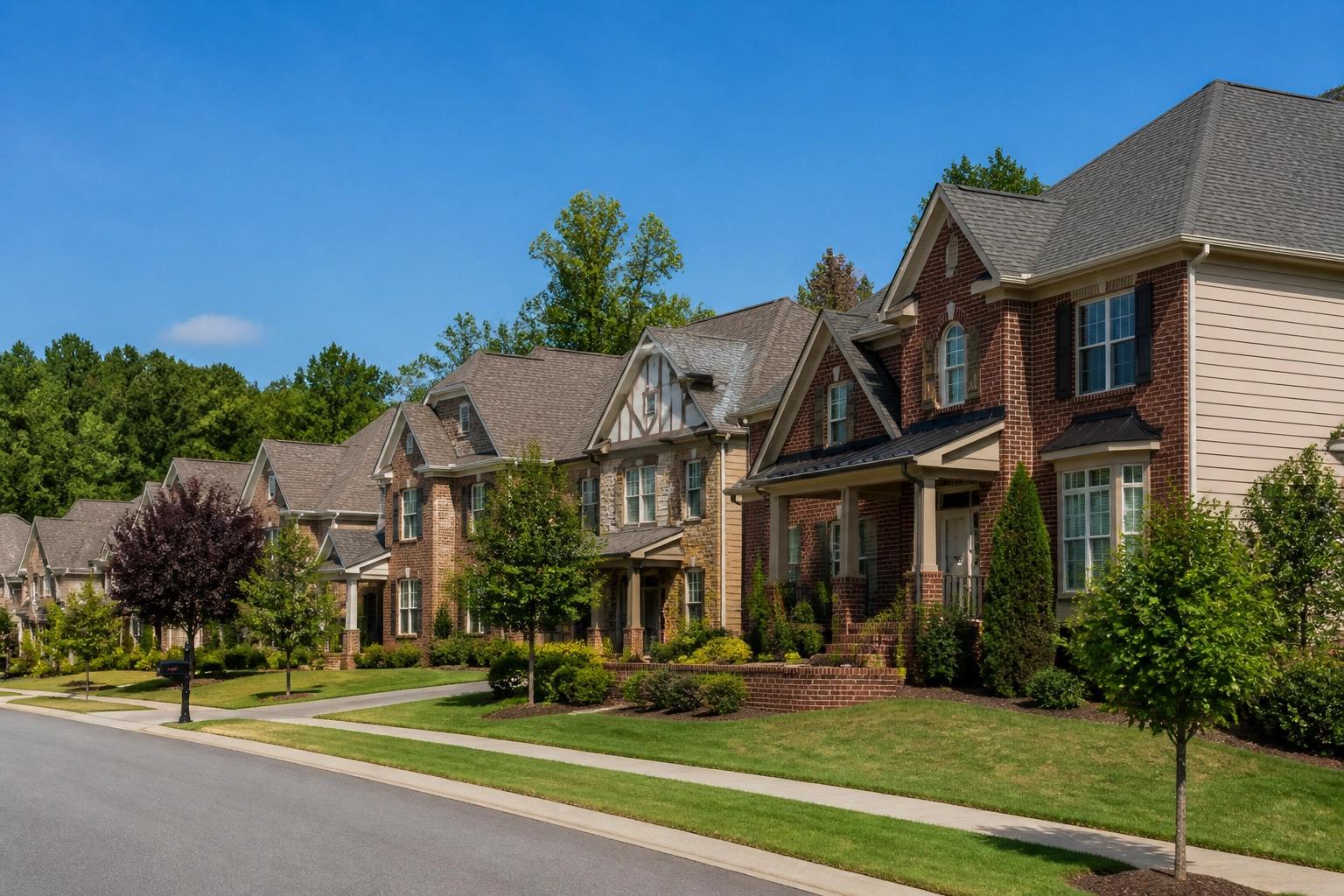
For many real estate investors in the Atlanta metropolitan area, the primary barrier to growth isn't a lack of deals or a lack of ambition, it is a lack of liquid capital. You may have a property in Decatur or Marietta that has appreciated significantly over the last three years, yet that wealth is "trapped" within the four walls of the building. To the novice, this equity represents a safety net; to the sophisticated investor, it represents an idle asset that is failing to produce a return.
Understanding how to execute a cash-out refinance in Georgia is the difference between owning a single rental property and owning a scalable enterprise. By extracting equity and redeploying it into new acquisitions, you transition from a "buy-and-hold" mindset to an "equity recycling" strategy. This guide explores the mechanics, the math, and the strategic advantages of leveraging your existing portfolio to fund your future one.
The Mechanics of Equity Recycling in Atlanta
At its core, a cash-out refinance replaces your existing mortgage with a new, larger loan. The difference between the two, minus closing costs, is paid out to you in a lump sum. In the context of Georgia's real estate market, where submarkets like West Midtown and Old Fourth Ward have seen double-digit appreciation, the amount of extractable capital can be substantial.
Unlike traditional primary residence financing, investment property refinancing typically allows for a maximum Loan-to-Value (LTV) of 75% to 80%. Moreover, for investors looking to move quickly, Debt Service Coverage Ratio (DSCR) loans often provide a more efficient path than conventional bank loans. Instead of scrutinizing your personal tax returns and W-2 income, a DSCR loan focuses on the property’s ability to cover the new debt through its rental income.
Rigid Bank Terms vs. Flexible Portfolio Funding
| Feature | Traditional Bank Refinance | Investor-Focused Cash-Out (DSCR) |
|---|---|---|
| Qualification | Personal DTI and Tax Returns | Property Rental Income (DSCR) |
| Speed | 45–60 Days | 15–21 Days |
| Property Limit | Usually capped at 10 properties | No limit on portfolio size |
| Seasoning | Often 12 months required | As little as 6 months (or less with exceptions) |
Therefore, if your goal is rapid scaling, the flexibility of non-QM (Qualified Mortgage) products is almost always superior to the rigid constraints of institutional lenders.

Scaling Strategy: The Atlanta Case Study
To illustrate the power of this strategy, let's look at a practical scenario involving a single-family rental in a high-demand suburb like Lawrenceville or Alpharetta.
The Scenario:
- Original Purchase Price (2022): $300,000
- Current Appraised Value (2026): $450,000
- Existing Mortgage Balance: $220,000
If an investor pursues a cash-out refinance at 75% LTV, the new loan amount would be $337,500 ($450,000 * 0.75).
The Calculation:
- New Loan Amount: $337,500
- Payoff Existing Mortgage: -$220,000
- Estimated Closing Costs: -$10,000
- Net Cash to Investor: $107,500
As a result, this investor now has over $100,000 in liquid capital. In the current Atlanta market, that is enough for a 20% down payment on two additional $250,000 investment properties or one significant multi-family acquisition. By "recycling" the equity from one property, the investor has effectively tripled their doors without injecting new personal savings.
Thinking Like an Owner: The Long-Term Play
Scaling a real estate portfolio in Georgia requires a shift in perspective. You must stop viewing your properties as homes and start viewing them as capital buckets. Thus, the question isn't "Should I have a mortgage?" but rather "Is this the most efficient use of my equity?"
When you leave 50% or 60% equity in a property, that capital is earning a 0% return. By refinancing and moving that money into a new asset, you are putting that capital back to work. In fact, this is the same strategy used by institutional REITs to maintain "portfolio health." They don't wait for a mortgage to be paid off; they leverage their existing assets to acquire more, compounding their wealth through appreciation and cash flow across a larger number of units.

Common Hurdles and How to Clear Them
While the logic is sound, the execution requires precision. Investors often face "timing problems" or "seasoning requirements" that can stall a deal.
- Seasoning Requirements: Most lenders want to see you own the property for at least 6 to 12 months before they will refinance based on the new appraised value. However, programs like "Delayed Financing" allow investors who bought with cash to refinance almost immediately.
- The DSCR Ratio: For the refinance to be successful, the property’s rent must generally exceed the new mortgage payment (PITIA). If you’ve under-rented the property, you may need to increase the lease rates before the appraisal to ensure the deal "pencils out."
- Appraisal Volatility: Atlanta is a patchwork of micro-markets. An appraisal in Buckhead will follow different trends than one in South Fulton. It is vital to work with a lender who understands local comps to ensure your valuation reflects reality.
Practical Steps to Prepare for Your Next Refinance
If you are ready to scale your real estate portfolio in Atlanta, follow this checklist to ensure your property is "refi-ready":
- Audit Your Leases: Ensure all tenants are on current, written leases that reflect market rates.
- Address Deferred Maintenance: A property with peeling paint or a leaky roof will take a hit on the appraisal. Spend $2,000 on "curb appeal" to potentially unlock $20,000 in equity.
- Organize Your Entity Docs: Most sophisticated cash-out refinances are closed in the name of an LLC. Ensure your Operating Agreement and Certificate of Good Standing are ready.
- Review Your Credit: While DSCR loans are asset-based, your credit score still dictates the interest rate and the maximum LTV allowed.

Frequently Asked Questions (FAQ)
How long do I have to wait after buying a property to do a cash-out refinance in Georgia?
Typically, you must wait 6 months to use the new appraised value. If you try to refinance before 6 months, most lenders will limit the loan amount to your original purchase price plus documented rehab costs.
Can I use the cash-out proceeds for personal expenses?
Technically, yes, but for investors focused on scaling, the most productive use of funds is the acquisition of more income-producing assets. This creates a compounding effect on your net worth.
Does a cash-out refinance increase my monthly risk?
A higher loan amount means a higher monthly payment. However, if your property has appreciated and you have increased the rents accordingly, the risk is mitigated. The key is ensuring your DSCR remains above 1.15x or 1.25x to maintain a healthy cash flow buffer.
What if my property is currently vacant?
Some investor programs allow for "No-Ratio" loans or will use "Market Rent" (Form 1007) from the appraisal to qualify the property even if it doesn't currently have a tenant. This is particularly useful for properties that have just finished a renovation.
Secure Your Strategy Today
Scaling your portfolio is not about working harder; it is about making your assets work harder for you. If you have equity sitting idle in an Atlanta property, you are missing out on the compounding growth of the Georgia market.
Contact: Ebonie Beaco, Mortgage Strategist (NMLS #2389954)
Phone: 312-392-0664
Website: www.HomeLoansNetwork.com
Powered by Loan Factory, Inc. (NMLS #320841)
Disclaimer: This content is for educational purposes only and does not constitute a loan approval or commitment. Loan programs, terms, and eligibility requirements are subject to change and vary by borrower and property.