Florida Wholesaling Secrets Revealed: What Experts Don't Want You to Know About Finding Off-Market Deals
Real estate wholesaling in Florida is often marketed as a "get rich quick" scheme where you just find a house and collect a check.
The reality is much more nuanced.
To succeed in markets like Orlando, Miami, or Tampa, you need to understand that your value is not in the real estate itself, but in the information and the contract rights you control.
Wholesalers act as the bridge between distressed property owners and hungry real estate investors.
If you are looking to break into the Florida market or expand your reach into California and Atlanta, you need a strategy that moves beyond the basic "we buy houses" signs.
Defining the Wholesale Mechanics
Before we dive into the secrets of the trade, let's establish the foundational terms used in this niche of real estate finance.
Wholesaling: The practice of entering into a purchase agreement for a property and then assigning the rights of that contract to another buyer for an assignment fee. Practical Application: You find a homeowner in a distressed situation, sign a contract for $200,000, and find a fix-and-flip investor willing to pay $215,000, earning you a $15,000 fee without ever owning the home.
Assignment Fee: The profit a wholesaler makes for finding a deal and transferring the contract to an end buyer. Practical Application: This fee is paid by the end buyer at the time of closing, typically recorded on the settlement statement.
Double Closing: A transaction where the wholesaler actually purchases the property and immediately sells it to the end buyer in a separate transaction on the same day. Practical Application: Use this strategy when your assignment fee is exceptionally large and you prefer to keep your profit private from both the seller and the buyer.
Motivated Seller: A property owner who is under pressure to sell due to financial distress, relocation, or property condition. Practical Application: These individuals are your primary leads, as they prioritize speed and convenience over receiving the maximum possible market price.
Explore more about how these transactions fit into the broader mortgage landscape at https://www.homeloansnetwork.com/mortgage-basics.
The Secret to Finding Off-Market Deals in Florida
The biggest secret in Florida real estate investing is that the best deals never hit the MLS (Multiple Listing Service).
By the time a property is on a public site, the competition has already driven the price up.
To find true off-market gems, you have to go where the "big players" are looking.
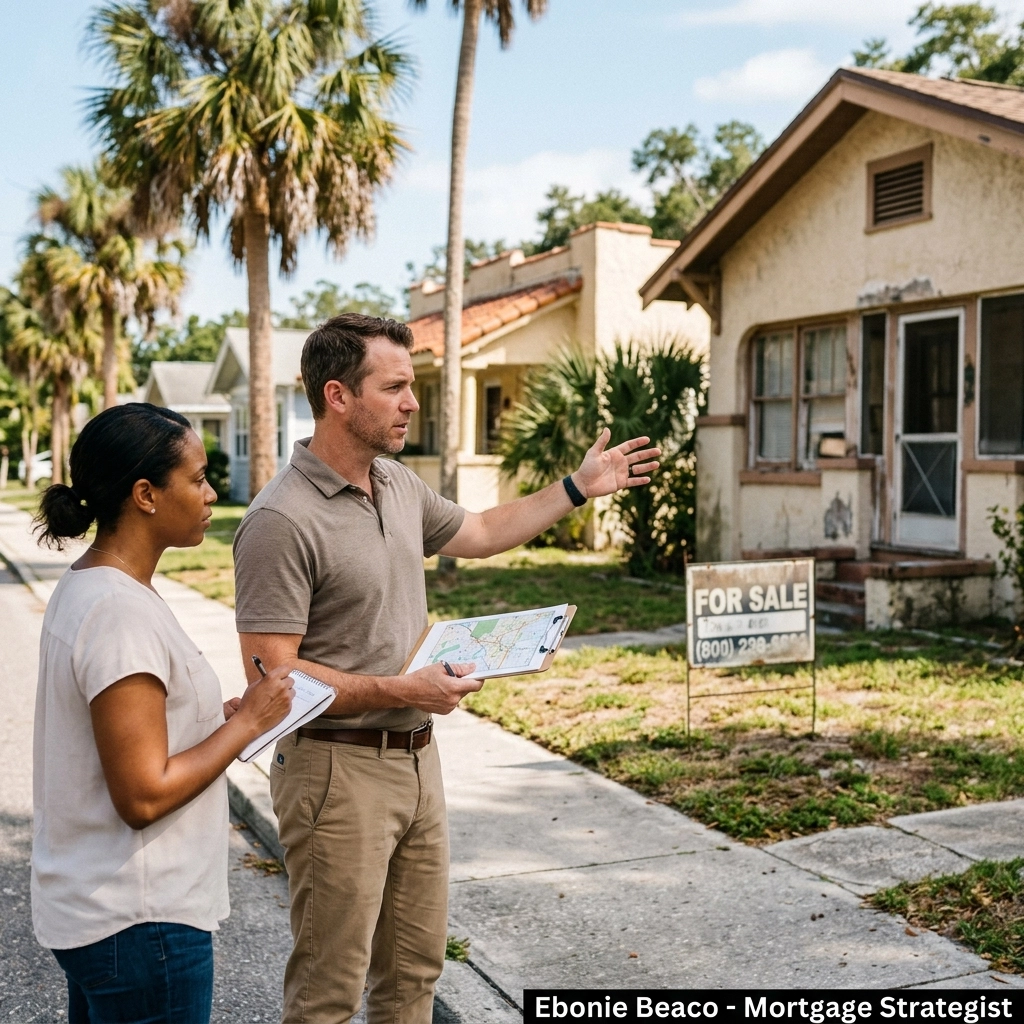
Driving for Dollars
This is the most "manual" way to find deals, but it remains one of the most effective.
You physically drive through neighborhoods in cities like Jacksonville or West Palm Beach looking for signs of neglect: overgrown grass, boarded windows, or piles of mail.
These visual cues indicate a property that may be abandoned or owned by someone who is no longer able to maintain it.
Direct Marketing and Skip Tracing
Successful wholesalers in Georgia and California use high-tech lead generation.
They pull lists of "tired landlords," "pre-foreclosures," or "probate properties."
Once you have a list, you use skip tracing services to find the owner's phone number or current address.
Sending a personalized letter or a text can open a door that a public listing never could.
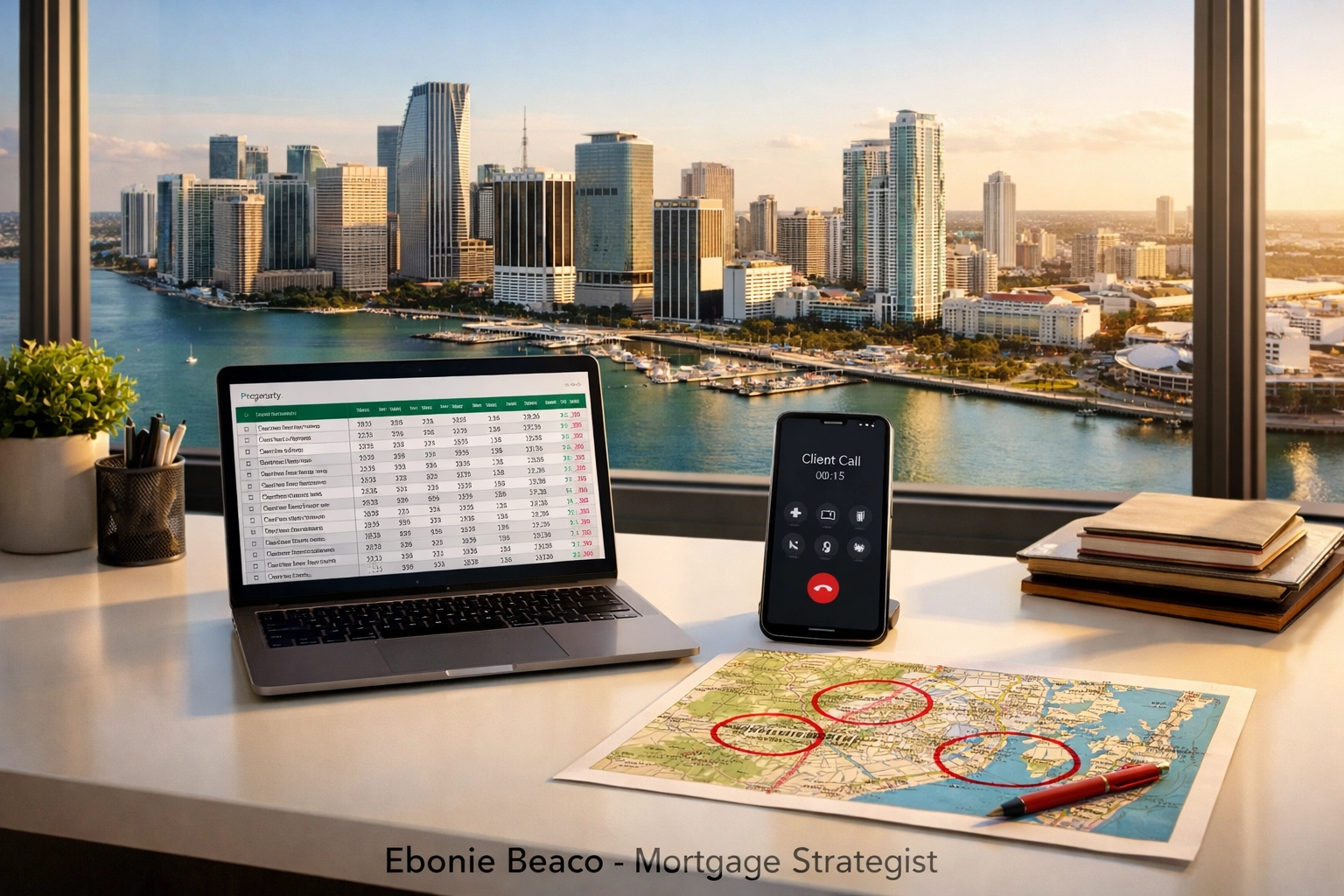 Visual: A workflow chart showing the progression from lead list acquisition to skip tracing to the initial contact with a motivated seller.
Managing Geographic Differences: FL, CA, and Atlanta
While the core principles of wholesaling remain the same, the market dynamics in Florida, California, and Atlanta differ significantly.
The Florida Landscape
Florida is a heavy "fix-and-flip" market.
Investors here are often looking for properties they can renovate and sell to retirees or second-home buyers.
The high volume of distressed condos and single-family homes in coastal areas provides a steady stream of opportunities.
The California Strategy
In California, the price points are much higher.
A "distressed" property in Los Angeles or San Diego might still cost $800,000.
Wholesalers here need to have a much stronger grasp of Jumbo Loans and high-end renovation costs.
Because the margins are tighter in terms of percentages, your math must be exact.
You can compare loan types for these high-value markets at https://www.homeloansnetwork.com/loan-programs/jumbo-loans.
The Atlanta (Georgia) Hub
Atlanta is a high-volume wholesale market where speed is everything.
The city has a massive community of real estate investors who use DSCR Investor Loans to quickly build rental portfolios.
If you find a deal in Atlanta, you need to have your "Rolodex" of buyers ready to go within hours.
Navigating Legal Requirements in Florida
One thing experts often gloss over is the legal framework.
Florida Statutes Chapter 475 is very specific about who can sell real estate.
If you market a property as if you own it: when you only own the contract: you are technically practicing real estate without a license.
To stay compliant:
- Market the contract, not the house.
- Use language like "Assignment of Contract for Sale" in your advertisements.
- Always disclose that you are a principal in the transaction, not an agent representing the seller.
Access our legal disclosures and privacy information to understand how we handle professional data at https://www.homeloansnetwork.com/legal.
Connecting Wholesaling to Financing
As a wholesaler, you aren't just selling a house; you are selling a financial opportunity.
Your end buyer: the person who actually fixes the house or rents it out: needs financing.
If you can provide your buyer with a lead on a reliable lender, you become an indispensable partner.
Many investors use DSCR (Debt Service Coverage Ratio) Loans to purchase the deals you find.
These loans qualify the property based on its potential rental income rather than the buyer's personal income.
This is a game-changer for investors who want to scale their portfolios in Michigan, Illinois, or Virginia.
Jump in and explore DSCR options for your buyers at https://www.homeloansnetwork.com/loan-programs.
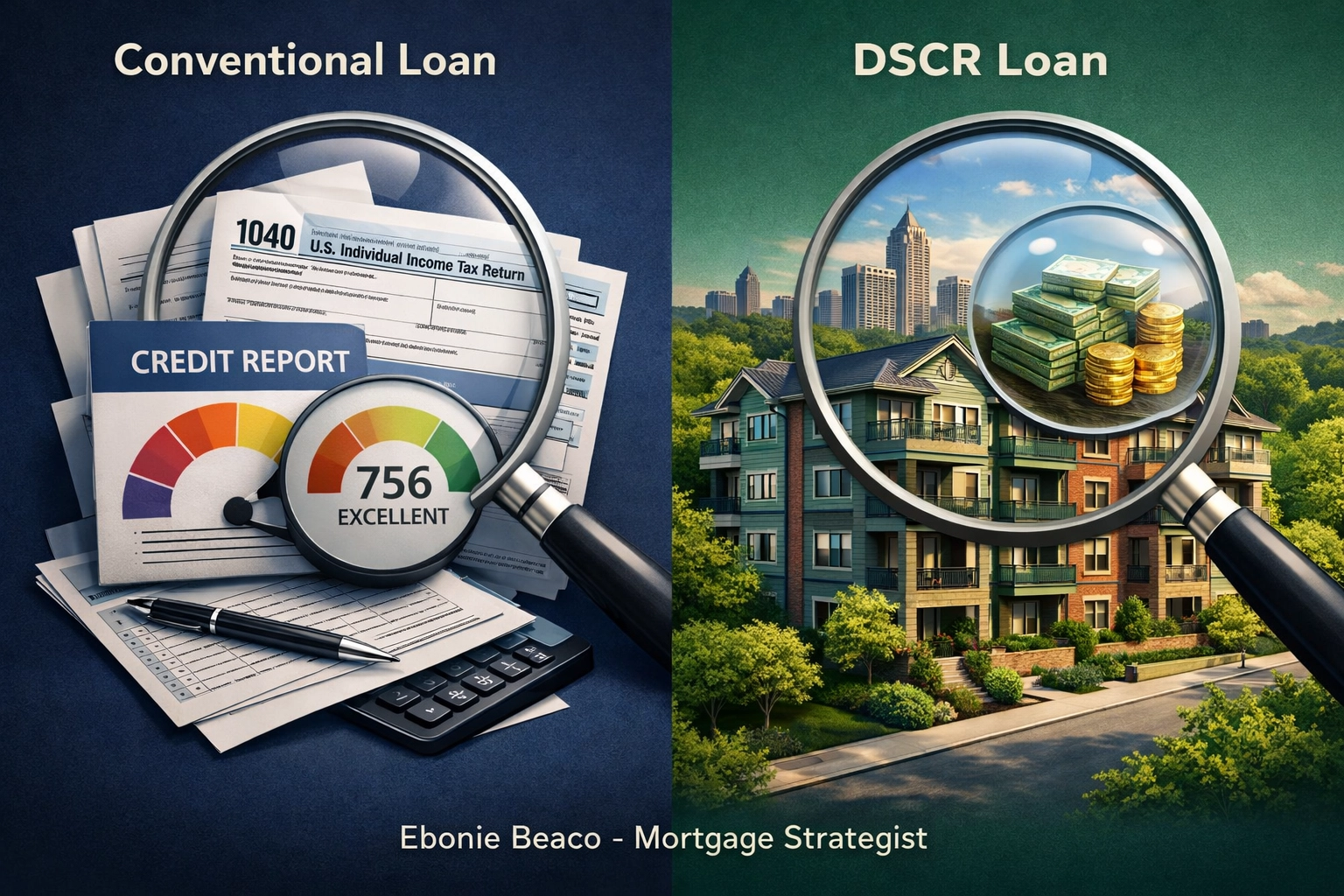 Visual: A comparison table showing the difference between a Conventional Loan and a DSCR Loan, highlighting that DSCR focuses on property cash flow.
The Anatomy of a Florida Wholesale Deal (Math Breakdown)
Let’s look at a real-world scenario in a mid-sized Florida city like Tallahassee or Pensacola.
Property Analysis:
- After Repair Value (ARV): $300,000 (What the home is worth fully renovated).
- Estimated Repairs: $50,000.
- Investor’s Profit Margin: $60,000 (What the flipper wants to make).
- Your Wholesale Fee: $10,000.
The Calculation: $300,000 (ARV)
- $50,000 (Repairs)
- $60,000 (Profit)
- $10,000 (Wholesale Fee) = $180,000 Maximum Allowable Offer (MAO).
In this scenario, you must get the property under contract with the seller for $180,000 or less to ensure everyone gets paid and the deal remains attractive to an investor.
 Visual: A deal breakdown graphic showing the subtraction of repairs, profit, and fees from the ARV to reach the MAO.
Building Your Buyer's List
Your "Rolodex" is your net worth in wholesaling.
You should constantly be networking with:
- Fix and Flip Investors who need their next project.
- Landlords looking for long-term holds in states like Alabama, Arkansas, and Kentucky.
- Hard Money Lenders who can verify if a buyer has the funds to close.
When you have a strong list of buyers, you can move a contract in 24 to 48 hours.
This speed is what makes you valuable to a motivated seller who needs to move quickly.
If you are a buyer looking to get pre-approved for your next wholesale acquisition, you can start the process at https://www.homeloansnetwork.com/online-forms.
Strategy for Success in 2026
The Florida market is shifting, and transparency is becoming the most important currency.
Whether you are working in the suburbs of Chicago or the high-rises of Miami, being honest with your sellers about your intentions is vital.
Wholesaling is a great way to enter the real estate world, but it requires a strategic mind and a deep understanding of financing.
By understanding how Fixed-Rate Mortgages, Adjustable-Rate Mortgages, and FHA Loans work, you can better advise your sellers and buyers on their options.
Compare various loan programs at https://www.homeloansnetwork.com/loan-programs/fixed-rate-mortgage to see how interest rates might affect your end buyer's profit margins.
Wholesaling isn't just about finding a cheap house.
It’s about solving a problem for a seller and providing an asset for an investor.
When you master the art of the off-market deal, you unlock a level of real estate investing that most people will never see.
Schedule a 1 on 1 to discuss your investment financing strategy: https://calendly.com/homeloansnetwork
Ebonie Beaco Mortgage Strategist | Senior Loan Officer Home Loans Network powered by Loan Factory Inc. NMLS #2389954 HomeLoansNetwork.com 312-392-0664