Florida Wholesaling Secrets Revealed: How to Find Off-Market Deals Without a Realtor

Real estate wholesaling in Florida is a high-speed game that requires a mix of marketing savvy, local knowledge, and a strong network of cash buyers.
If you want to find off-market deals without relying on a Realtor or the Multiple Listing Service (MLS), you need to change your approach.
The most successful investors in markets like Miami, Orlando, and Jacksonville do not wait for a notification from a real estate portal.
They create their own inventory.
Explore the strategies used by professional wholesalers to source distressed properties and build a sustainable investment business in the Sunshine State.
Defining Real Estate Wholesaling
Real Estate Wholesaling: The process where an individual (the wholesaler) signs a contract to purchase a property and then assigns that contract to an end buyer for a fee.
In this scenario, you are not actually buying the house; you are selling the right to buy the house.
Practical Application: This allows you to enter the real estate market with very little of your own capital while providing a service to cash buyers who do not have time to find their own deals.
Why Off-Market Deals Win in Florida
The Florida housing market is notoriously competitive.
When a property hits the MLS, you are competing with thousands of other investors, institutional buyers, and families looking for a primary residence.
Off-market deals allow you to negotiate directly with the seller, often resulting in lower purchase prices and better terms.
By avoiding the traditional listing process, you eliminate the pressure of a bidding war.
This transparency between you and the seller helps build trust, which is often the key to closing a deal with someone facing financial hardship or a difficult life transition.
Top Strategies for Finding Off-Market Properties
Finding motivated sellers requires a multi-channel marketing strategy.
You cannot rely on just one method; you must be present where the sellers are.
Direct Mail Campaigns
Direct mail remains one of the most effective ways to reach motivated sellers.
Target specific lists such as pre-foreclosures, probate properties, or owners of houses with high equity who live out of state.
A simple postcard or a handwritten letter can often trigger a phone call from a homeowner who was thinking about selling but didn't want to deal with the hassle of a traditional listing.
Driving for Dollars
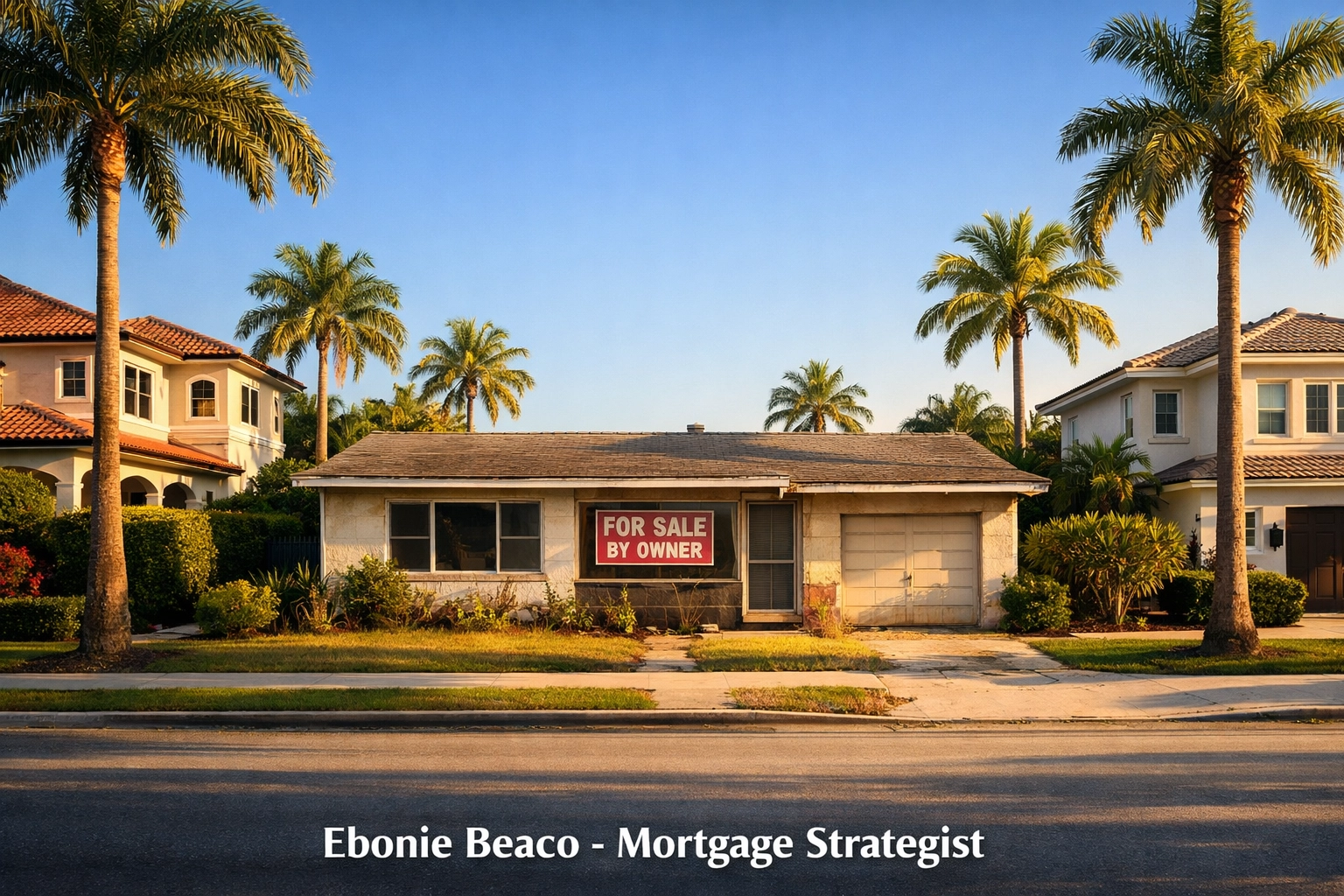
Driving for dollars is the process of physically driving through neighborhoods to look for signs of distressed properties.
Look for overgrown grass, boarded-up windows, or piles of mail on the porch.
These visual cues indicate that the owner might be struggling to maintain the property and could be open to a quick cash offer.
Use mobile apps to track your route and look up owner information on the spot.
This strategy works exceptionally well in older neighborhoods throughout Florida, Georgia, and Virginia.
Digital Marketing and SEO
Many sellers today start their journey on Google.
Creating a website that targets keywords like "sell my house fast in Florida" or "cash for homes in Atlanta" can bring leads directly to your inbox.
Jump in by running targeted social media ads that focus on specific zip codes in high-demand areas like Tampa or Chicago.
Digital marketing allows you to reach sellers at the exact moment they are looking for a solution.
Bandit Signs
While some cities have strict regulations, "We Buy Houses" signs placed at busy intersections can still generate a high volume of leads.
They are cost-effective and signal to the local community that you are a local buyer ready to move quickly.
Always check local ordinances in your specific Florida city to ensure you stay compliant.
Networking Beyond the Realtor
You do not need a Realtor to find deals, but you do need a network.
Connect with local professionals who encounter distressed properties before anyone else.
Probate Attorneys: These professionals work with families who have inherited property they may not want or can't afford to keep.
Wholesale Mentors: Experienced wholesalers often have "overflow" deals or leads they don't have time to chase.
Local REIAs: Real Estate Investor Associations are hubs for information and networking. Attend meetings in cities like Orlando or Los Angeles to meet cash buyers and other wholesalers.
Property Managers: They often know when a landlord is tired of dealing with tenants and is ready to liquidate their portfolio in states like Alabama, Arkansas, or Michigan.
Navigating the Legal Landscape in Florida
Transparency is essential when wholesaling in Florida.
You must understand the distinction between selling a property and selling a contract.
Chapter 475.41: A Florida statute that prohibits individuals from marketing a property for sale without a real estate license.
Practical Application: As a wholesaler, you must clearly state that you are selling your "equitable interest" in the contract, not the physical house itself.
Ensure your contracts have an "assignment clause" that allows you to pass the purchase rights to your end buyer.
Working with a title company that understands wholesaling is non-negotiable.
They will handle the double closing or the assignment fee payout to ensure every party is protected.
Lead Generation in California and Atlanta
While our focus is Florida, many wholesalers scale their operations into other high-volume markets like California and Atlanta, Georgia.
In California, the high property values mean that even a single wholesale fee can be significant.
However, the competition is fierce, making off-market lead generation even more critical.
In Atlanta, the rapid growth and urban renewal projects create a constant demand for distressed properties that can be renovated and flipped.
Compare the market trends in these areas to see where your marketing dollars might have the highest return on investment.
Financing for the End Buyer
Your success as a wholesaler depends on your ability to find buyers who can actually close.
Most of these buyers will be real estate investors using specialized financing.
When you present a deal to a buyer, it helps to know what kind of funding they are using.
Common financing options for investors include:
- DSCR Investor Loans: Loans based on the property's income potential rather than the borrower's personal income.
- Fix and Flip Loans: Short-term financing used to purchase and renovate a property.
- Hard Money Loans: Asset-based loans provided by private lenders for quick closings.
- Bridge Loans: Temporary financing used until permanent funding is secured.
Accessing information about these programs can help you vet your buyers.
A buyer with a pre-approval for a DSCR loan or a landlord loan is much more likely to close than someone waiting on a traditional bank mortgage.
A Florida Wholesale Deal: The Financial Breakdown
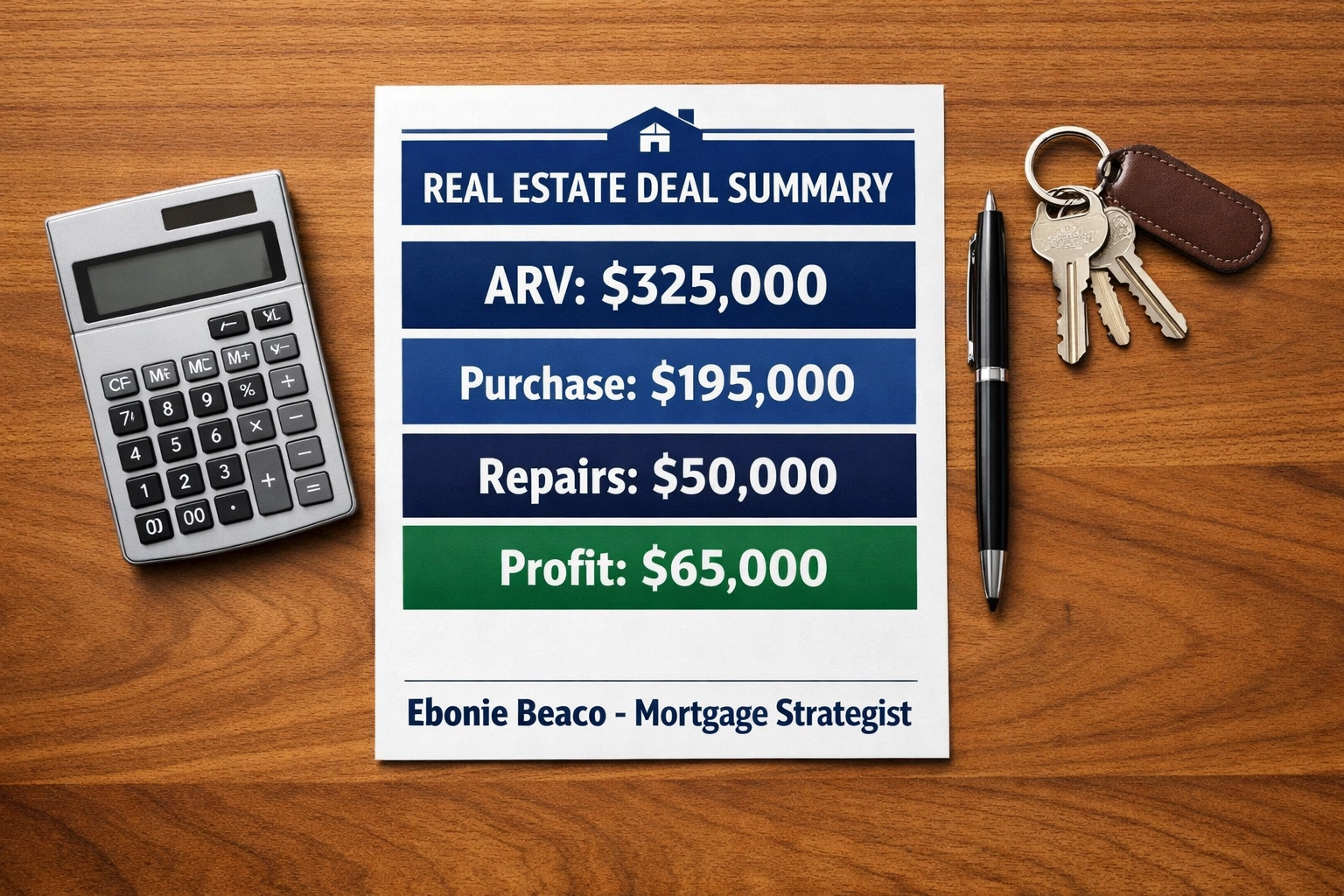
To understand how a deal works in the real world, look at this example of a distressed single-family home in Jacksonville, FL.
- Property Value (ARV): $325,000
- Contract Price with Seller: $195,000
- Estimated Repairs: $50,000
- Wholesale Fee: $15,000
- Price to End Buyer: $210,000
In this scenario, the investor buys the house for $210,000.
After spending $50,000 on repairs, their total investment is $260,000.
If the After Repair Value (ARV) is $325,000, they have built-in equity of $65,000.
You, as the wholesaler, walk away with a $15,000 assignment fee for finding the deal and connecting the parties.
Building Your Cash Buyer List
Your buyer list is your most valuable asset.
Without a list of ready-to-go investors, an off-market deal is just a piece of paper.
Explore online forums and local real estate groups to find active buyers.
Look for people who have recently purchased properties for cash in the county records.
When you find them, ask about their "buy box": the specific types of properties, neighborhoods, and price points they are looking for.
Whether they are looking for short-term rental financing for an Airbnb in Virginia or a long-term rental in Indiana, knowing their needs makes you a better partner.
Transitioning from Wholesaler to Investor
Many wholesalers eventually want to keep the deals they find.
Once you have built up enough capital from assignment fees, you can transition into a BRRRR strategy (Buy, Rehab, Rent, Refinance, Repeat).
This allows you to build long-term wealth rather than just generating one-time fees.
To do this, you will need to understand how to access your own financing.
Options like a cash-out refinance or a HELOC on your primary residence can provide the liquidity needed to fund your first flip or rental property.
If you are self-employed, exploring bank statement loans can help you qualify for financing without traditional tax returns.
Final Guidance for Florida Investors
Wholesaling is about solving problems for homeowners while creating opportunities for investors.
It requires persistence and a commitment to transparent communication.
By focusing on off-market deals, you stay ahead of the competition and provide real value to the Florida real estate ecosystem.
Whether you are working in Florida, California, or Illinois, the principles of lead generation and networking remain the same.
Build your list, find the distressed assets, and ensure your buyers have the financing they need to cross the finish line.
Scedule a 1 on 1 at https://calendly.com/homeloansnetwork
Ebonie Beaco
Mortgage Strategist | Senior Loan Officer
Home Loans Network powered by Loan Factory Inc.
NMLS #2389954
HomeLoansNetwork.com
312-392-0664