Florida Real Estate Investing Secrets Revealed: How to Find Deals Before They Hit the MLS
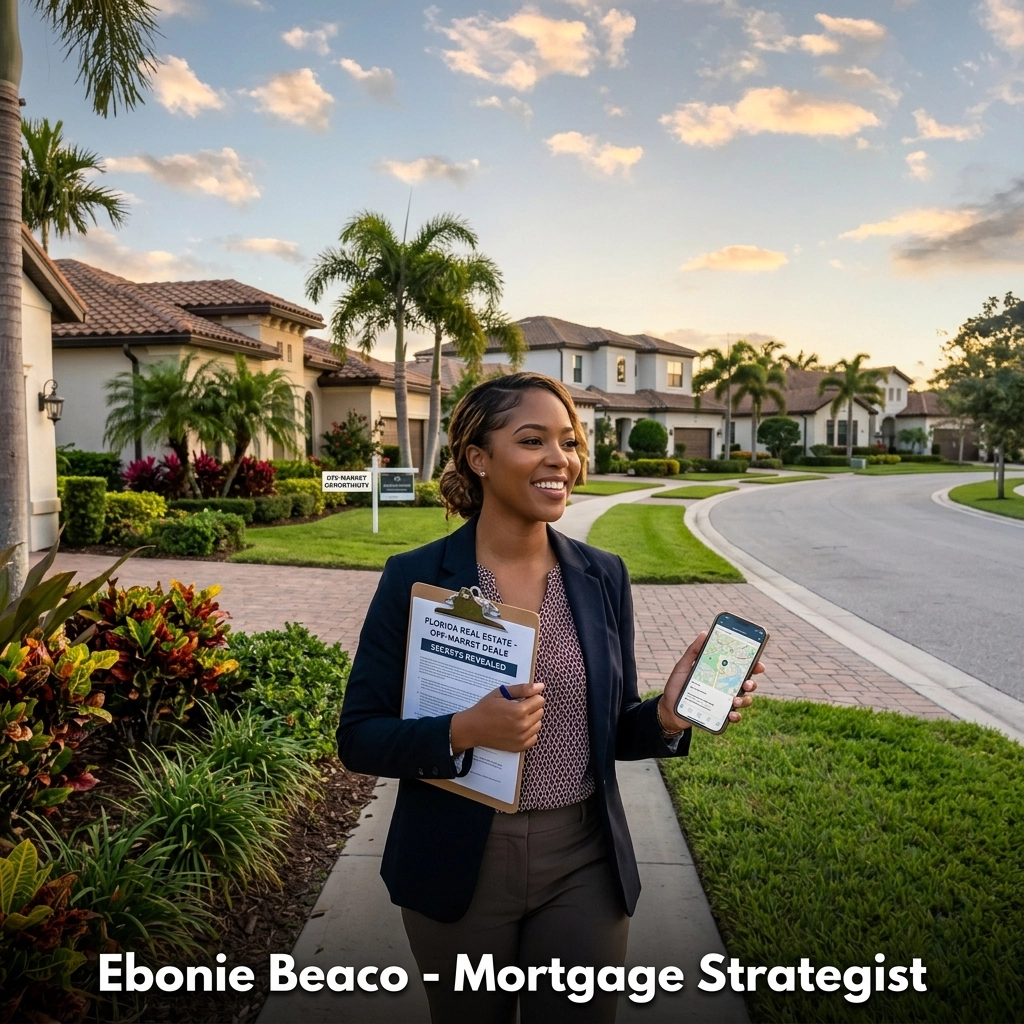
Florida remains one of the most competitive real estate landscapes in the United States. From the high-rise luxury of Miami to the suburban growth in Orlando and Tampa, investors are constantly hunting for the next big win. However, the most successful investors in the Sunshine State know a secret that beginners often overlook. If you are looking for properties on the Multiple Listing Service (MLS), you are competing with thousands of other buyers, driving prices up and margins down.
The real wealth in Florida real estate is found in off-market deals. These are properties that have not yet been listed for sale publicly. Finding these gems requires a shift in strategy from passive searching to active lead generation. This process is often driven by real estate wholesaling, a high-speed entry point for many investors looking to build capital and find deep discounts.
Explore the strategies used by top professionals to secure properties before the general public even knows they are available.
Understanding Real Estate Wholesaling in the Sunbelt
Before diving into the "how," it is essential to understand the "what." Real estate wholesaling is the engine that drives many off-market transactions in Florida, California, and Atlanta.
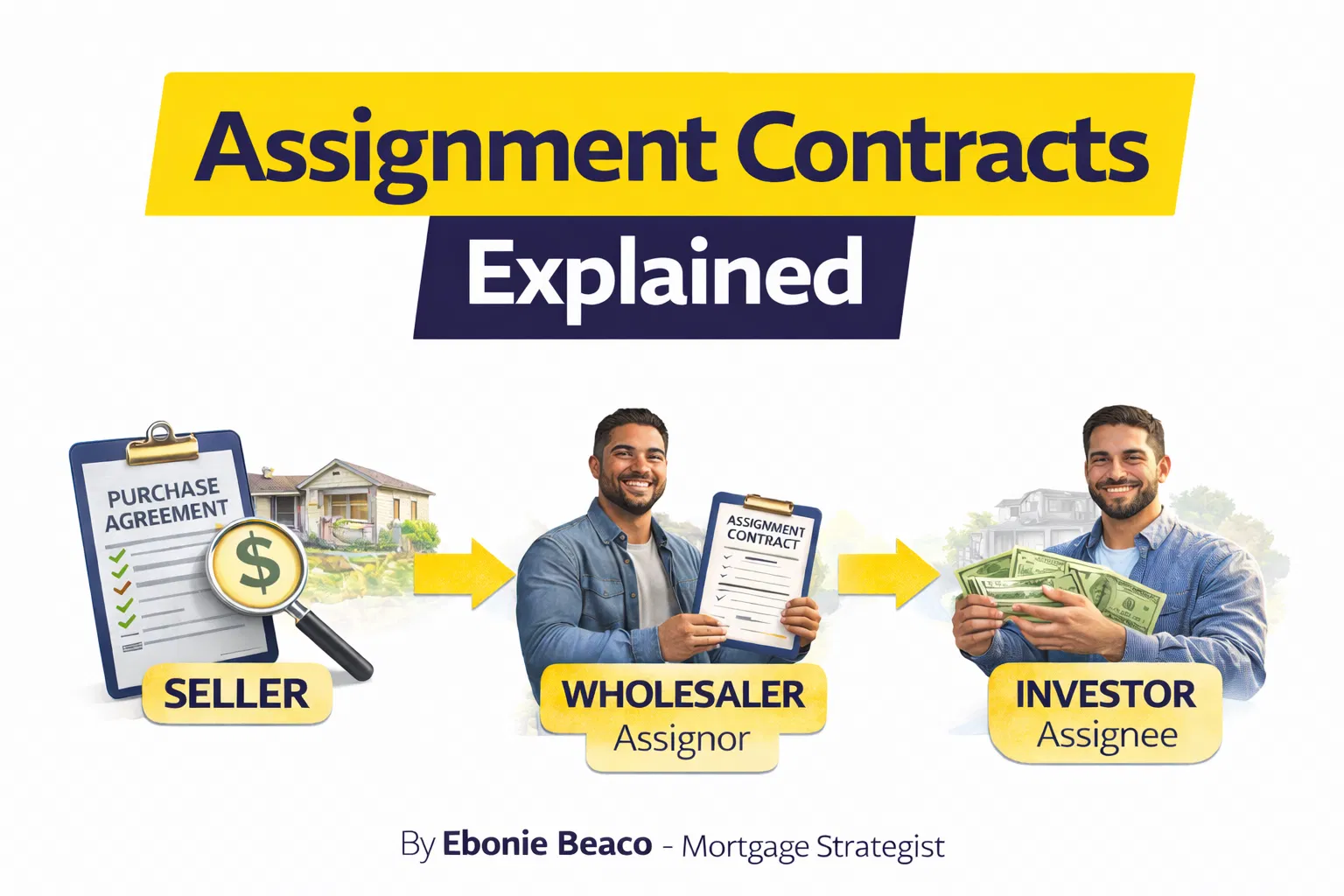
Real Estate Wholesaling: The process where an individual (the wholesaler) enters into a contract to purchase a property and then assigns that contract to an end buyer for a fee.
This allows you to control a property without necessarily having to fund the full purchase price yourself.
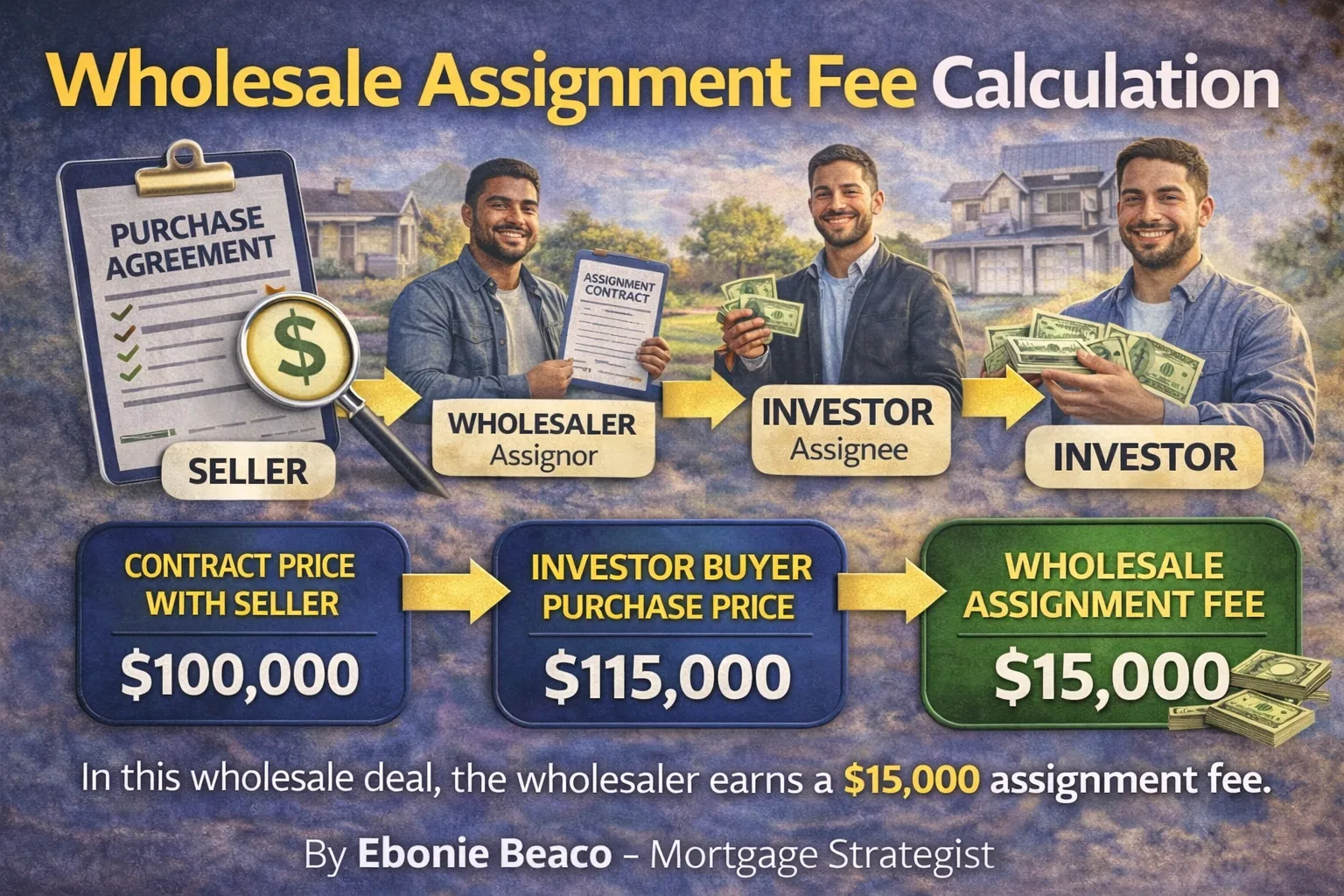
Assignment Fee: The profit earned by a wholesaler for finding a deal and connecting the seller with a cash buyer or investor.
This fee is usually paid at closing and represents the difference between the contracted price and the price paid by the end investor.
Off-Market Property: A real estate asset that is available for sale but is not listed on traditional platforms like the MLS or popular consumer search sites.
These properties often come from motivated sellers who value privacy, speed, or a "as-is" sale over a traditional market listing.
Why Off-Market Leads Win in Florida
The Florida market is characterized by high demand and rapid appreciation. When a property hits the MLS, it often triggers a bidding war. This is great for sellers but challenging for investors who need to maintain a specific Return on Investment (ROI).
Off-market deals eliminate the bidding war. You are often dealing one-on-one with the homeowner. This allows for more creative negotiations and the ability to solve a specific problem for the seller, such as an inherited property they do not want to manage or a home that needs significant repairs.
Jump in and look at how you can start generating these leads today.
Strategy 1: Direct Mail Marketing
Direct mail is far from dead. In fact, in the digital age, a physical piece of mail can be one of the most effective ways to reach a homeowner who is not actively looking at real estate websites.
Direct Mail Marketing: Sending physical letters or postcards to a targeted list of property owners based on specific criteria.
It provides a direct line of communication to potential sellers who may be considering a sale but have not taken the first step.
To succeed in Florida, you must target your lists effectively. Common lists include:
- Absentee Owners: People who own property in Florida but live in another state (like "snowbirds" or out-of-state landlords).
- Probate Leads: Heirs who have recently inherited a property and may want to liquidate the asset quickly.
- Pre-Foreclosure: Homeowners who have fallen behind on payments and are looking for an exit before a bank takes action. Explore foreclosure basics to understand this cycle better.
Consistency is key here. You might not get a call on the first postcard, but the fourth or fifth one might arrive at the exact moment the seller is ready to move.
Strategy 2: Driving for Dollars
If you want to find deals that no one else has seen, you have to get out on the streets. Driving for dollars is a manual but highly effective way to find distressed properties in neighborhoods throughout Florida and Atlanta.
Driving for Dollars: A lead generation technique where an investor drives through target neighborhoods to spot physical signs of property distress.
This allows you to find properties that have not yet hit any "list" but clearly need attention.
Look for signs like:
- Overgrown lawns or boarded-up windows.
- Piles of mail or newspapers on the porch.
- Peeling paint and roof damage.
- "Code Enforcement" stickers on the door.
When you find these houses, use skip tracing to find the owner's contact information. Skip tracing is the process of using public records and databases to find a person's current phone number or email address.
Strategy 3: Networking with Wholesalers
You do not always have to be the one finding the lead from scratch. If you are an investor with access to capital, such as a hard money loan or a DSCR loan, you can partner with wholesalers.
DSCR Loan: A Debt Service Coverage Ratio loan that qualifies an investor based on the rental income of the property rather than their personal income.
This is a powerful tool for scaling a portfolio quickly once a wholesaler finds you a deal.
Wholesalers spend their time and money on marketing to find these deals. By building a relationship with them, you can get "first look" access to their inventory. This is common in high-velocity markets like Atlanta and Southern California.
Strategy 4: Leveraging Digital Lead Generation
While physical mail and driving are effective, digital strategies allow you to scale. You can use Google Ads or Facebook Ads to target homeowners in specific Florida zip codes who are searching for phrases like "sell my house fast Orlando" or "cash home buyers Miami."
Setting up a simple landing page where sellers can input their property information allows you to capture leads while you sleep. You can even direct them to online forms to gather initial data about the home's condition.
Regional Focus: California, Florida, and Atlanta
The strategies remain similar, but the nuances of the markets differ:
California Real Estate: Often involves higher entry costs but massive potential for appreciation. Off-market deals here frequently involve "probate" or "fix and flip" opportunities where the land value is the primary driver.
Florida Real Estate: A mix of retirement communities, vacation rentals, and suburban growth. Targeting "absentee owners" is particularly effective in Florida due to the high volume of second homes.
Atlanta Real Estate: Known for its "Beltline" growth and urban revitalization. Wholesaling is incredibly active here, and "driving for dollars" in transitioning neighborhoods can lead to significant equity gains.

How to Analyze an Off-Market Deal
Finding the deal is only half the battle. You must ensure the numbers work. Most investors use the "70% Rule" as a quick gauge.
70% Rule: A guideline suggesting an investor should pay no more than 70% of the After Repair Value (ARV) of a property, minus the cost of repairs.
This ensures there is enough room for profit and a safety margin if costs exceed expectations.
For example, if a home in Tampa has an ARV of $400,000 and needs $50,000 in work:
- 70% of $400,000 = $280,000.
- $280,000 - $50,000 (repairs) = $230,000 Maximum Allowable Offer (MAO).
To help with these calculations, you can access our mortgage calculators to see how different financing structures impact your monthly carry costs.
Financing Your Off-Market Acquisitions
Once you have a deal under contract, you need to close. Traditional banks often move too slowly for off-market transactions. Sellers usually want to close in 10 to 30 days.
This is where specialized investor loans come into play:
- Fix and Flip Loans: Short-term financing designed to cover the purchase and renovation costs.
- Bridge Loans: Temporary financing used until permanent funding can be secured.
- Cash-Out Refinance: A strategy where you use the equity in an existing property to fund the purchase of a new one. Learn more about a home refinance here.
For long-term holds, many investors transition into DSCR Investor Loans. These loans are perfect for Airbnb and short-term rental financing because they focus on the property's performance rather than your tax returns.
Moving From Wholesaling to Scaling
Many people start in real estate wholesaling because it requires very little capital. You can earn a $10,000 or $20,000 assignment fee just by finding a great deal and passing it to a landlord or a flipper.
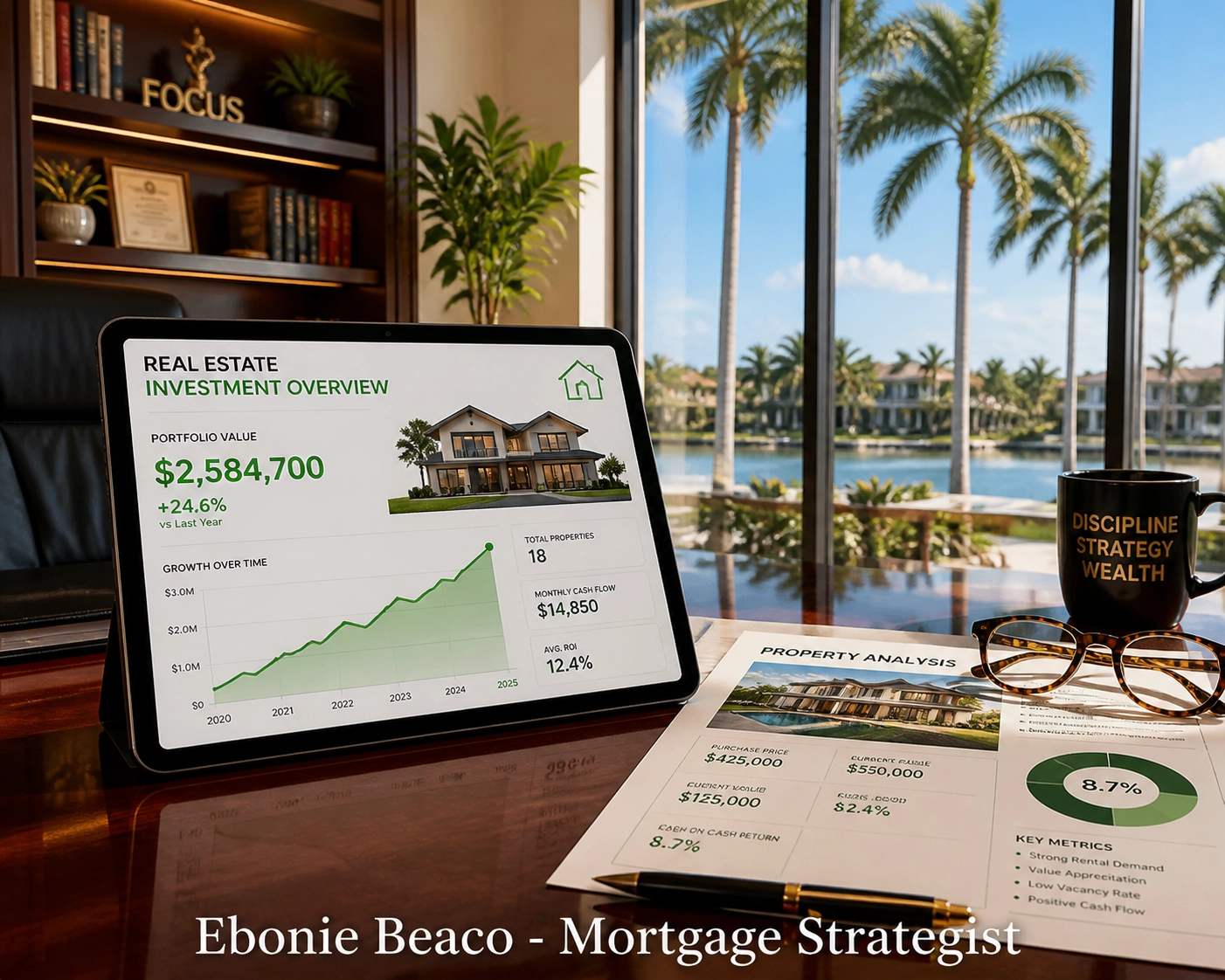
As you build capital, you can start keeping the deals for yourself. This is the path to true wealth building. Instead of taking a one-time fee, you can hold the property, benefit from the tax advantages of real estate, and watch the equity grow over time.
Compare your options and decide if you want to be the one finding the deals or the one owning the assets. Both are vital parts of the Florida real estate ecosystem.

Taking the Next Step in Your Investing Journey
The "secrets" of Florida real estate investing are not hidden in a vault; they are found in the daily habits of successful lead generation. Whether you are driving through neighborhoods in Jacksonville or sending mail to absentee owners in Miami, the goal is to build a pipeline of opportunities that others cannot see.
Finding the deal is the first step, but having the right financing partner is what ensures the deal actually closes. At Home Loans Network, we specialize in helping investors navigate the complexities of investment property financing. From DSCR loans to fix-and-flip funding, we provide the tools you need to compete in today's market.
Access our resources today and start building your off-market strategy.
Schedule a 1 on 1 at https://calendly.com/homeloansnetwork
Ebonie Beaco
Mortgage Strategist | Senior Loan Officer
Home Loans Network powered by Loan Factory Inc.
NMLS #2389954
HomeLoansNetwork.com
312-392-0664