Deal Killers: Why Most Wholesale Real Estate Deals Fall Apart at the Finish Line
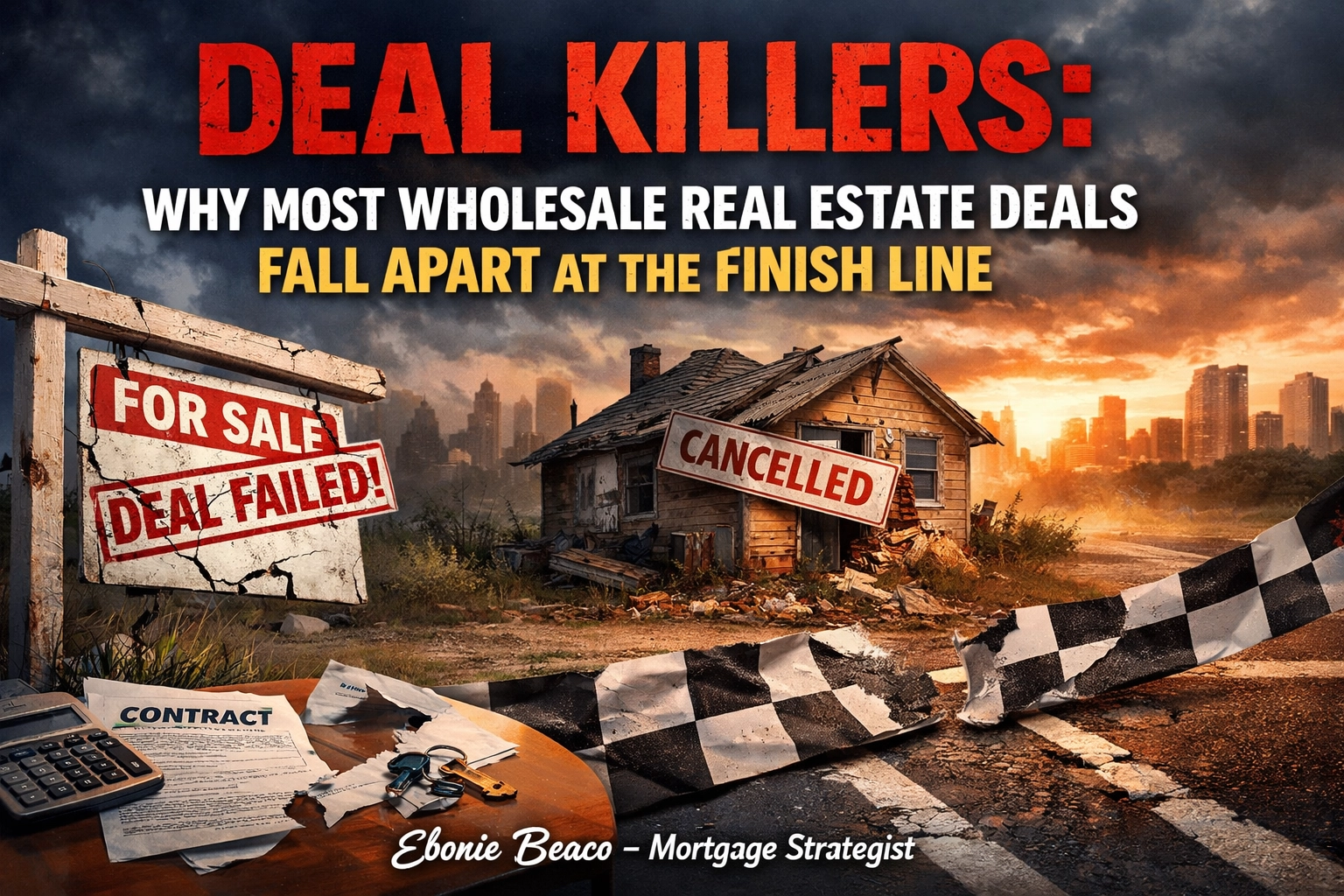
Wholesale real estate serves as the entry point for many looking to build wealth in the housing market, yet the path to a successful assignment fee is rarely a straight line. You find a distressed property, negotiate a price below market value, and secure a contract, only to watch the entire transaction dissolve days before the scheduled closing. These "deal killers" are often predictable hurdles that seasoned investors learn to navigate through rigorous due diligence and proactive communication. Understanding why wholesaling houses can be so volatile requires a deep dive into the technical, emotional, and financial variables that influence every off-market deal. Whether you are operating in the competitive suburbs of Chicago or the fast-paced markets of Virginia and Georgia, identifying these red flags early is the key to maintaining a consistent closing ratio.
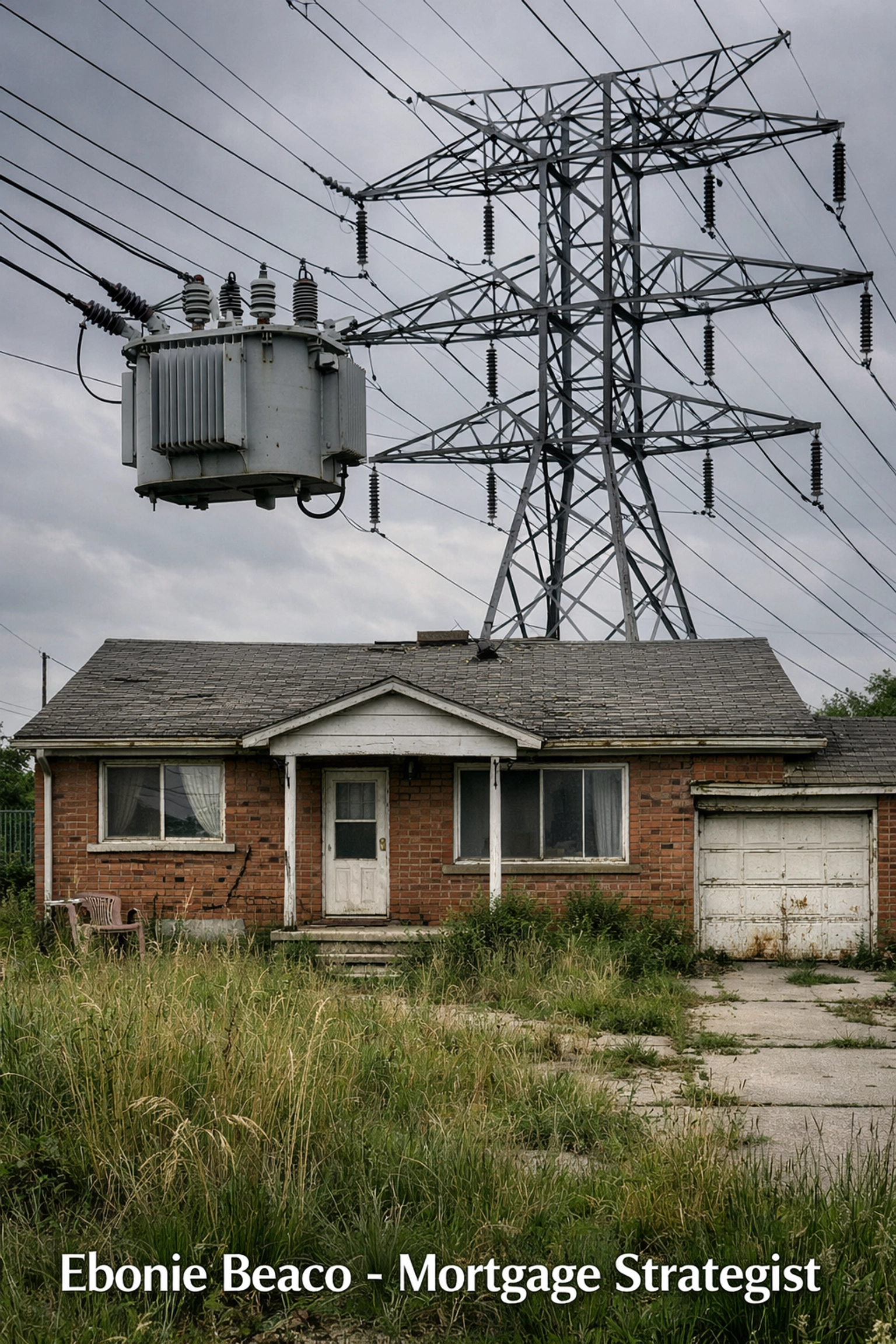
The physical attributes of a property frequently host hidden complications that can immediately alienate your pool of cash buyers. While most investors expect to handle structural repairs or cosmetic updates, certain environmental factors are permanent and cannot be fixed with a renovation budget. Proximity to major infrastructure, such as high-voltage power lines, cell towers, or busy interstate highways, often creates a valuation ceiling that many real estate investing pros refuse to touch. These issues become apparent during the buyer's inspection period, leading to sudden withdrawals or aggressive price renegotiations that erase your projected profit. In markets like Florida or California, where land value is a significant portion of the price, an unchangeable external nuisance can sink a deal faster than a cracked foundation.
Seller psychology represents another major hurdle that often derails a transaction just as it reaches the finish line. Many homeowners in the wholesale space are dealing with high-stress situations, such as probate, looming foreclosure, or inherited properties with multiple heirs. These sellers are frequently prone to procrastination or sudden emotional shifts, especially when they begin to realize the reality of moving out or letting go of a family legacy. If a wholesaler fails to build a genuine rapport or fails to address the seller's underlying fears, the seller may simply stop responding or refuse to sign the final closing documents. This lack of follow-through is particularly common when conflicting interests exist between family members who must all agree on the sale price and terms.
The technicalities of the title search and the closing process are where many seemingly solid off-market deals meet their end. Discovering unrecorded liens, unpaid utility bills, or "clouds" on the title during the final week of a contract can stall progress indefinitely. Without a proactive and responsive closing team that understands the nuances of assignment contracts and double closings, these administrative hurdles can become insurmountable. Investors working in states like Alabama, Arkansas, or Michigan often face unique local requirements for title clearance that must be handled with precision. A slow title company is often just as dangerous to your deal as a disinterested buyer, as time is the greatest enemy of any wholesale contract.
Execution gaps and a lack of aggressive negotiation tactics often leave wholesalers vulnerable to competitors or shifting market conditions. If you are not moving with extreme speed to secure a hot lead, you risk the seller being swayed by another offer or simply losing interest in the process entirely. Successful wholesale real estate operators prioritize immediate responsiveness and constant follow-up to keep all parties engaged and moving toward the closing table. In high-demand areas like Indiana and Kentucky, a delay of even a few hours can mean the difference between a signed assignment and a dead lead. Maintaining a clear timeline and setting expectations early with both the seller and the buyer ensures that everyone remains aligned until the final signatures are collected.

A critical but often overlooked deal killer is the end-buyer's inability to secure the necessary funding for the acquisition. While wholesalers prefer to work with "cash buyers," many investors actually use specialized financing such as fix and flip loans or hard money loans to fund their purchases. If the end-buyer's lender discovers an issue with the property's condition or the wholesaler's contract structure, they may deny the loan at the last minute. This is why it is essential for wholesalers to vet their buyers' proof of funds and understand the lending criteria for common investment products like DSCR investor loans. When a buyer’s financing fails, the wholesaler is left with an expiring contract and a frustrated seller.
To illustrate how the numbers must align to avoid a deal-killing valuation gap, consider a typical deal breakdown for a distressed single-family home in a market like Chicago. An investor might find a property with an After Repair Value (ARV) of $300,000, but the property requires $60,000 in significant renovations to reach that peak value. Using the standard 70% rule, the Maximum Allowable Offer (MAO) would be calculated as follows: ($300,000 x 0.70) minus $60,000 in repairs, equaling a $150,000 limit for the end-buyer's purchase price. If the wholesaler secures the contract for $135,000 and attempts to assign it for $15,000, the deal remains viable only if the repair estimate is accurate and the ARV is supported by recent comparables. If the buyer's contractor estimates repairs at $80,000 instead of $60,000, that $20,000 discrepancy effectively kills the wholesaler's fee and the deal itself.

Navigating these challenges requires more than just finding a cheap house; it requires a strategic approach to real estate finance and transaction management. By anticipating property defects, managing seller expectations, and ensuring your buyers have access to reliable landlord loans or bridge financing, you can significantly increase your success rate. Transparency throughout the process builds trust with all stakeholders and helps you pivot when obstacles arise during the due diligence period. Whether you are looking to scale your portfolio or just getting started with your first assignment, staying vigilant about these common deal killers will help you protect your time and your reputation. If you need guidance on how investment financing can impact your next transaction, exploring specialized loan programs can provide the clarity you need to cross the finish line confidently.
Scedule a 1 on 1 at https://calendly.com/homeloansnetwork
Ebonie Beaco
Mortgage Strategist | Senior Loan Officer
Home Loans Network powered by Loan Factory Inc.
NMLS #2389954
HomeLoansNetwork.com
312-392-0664