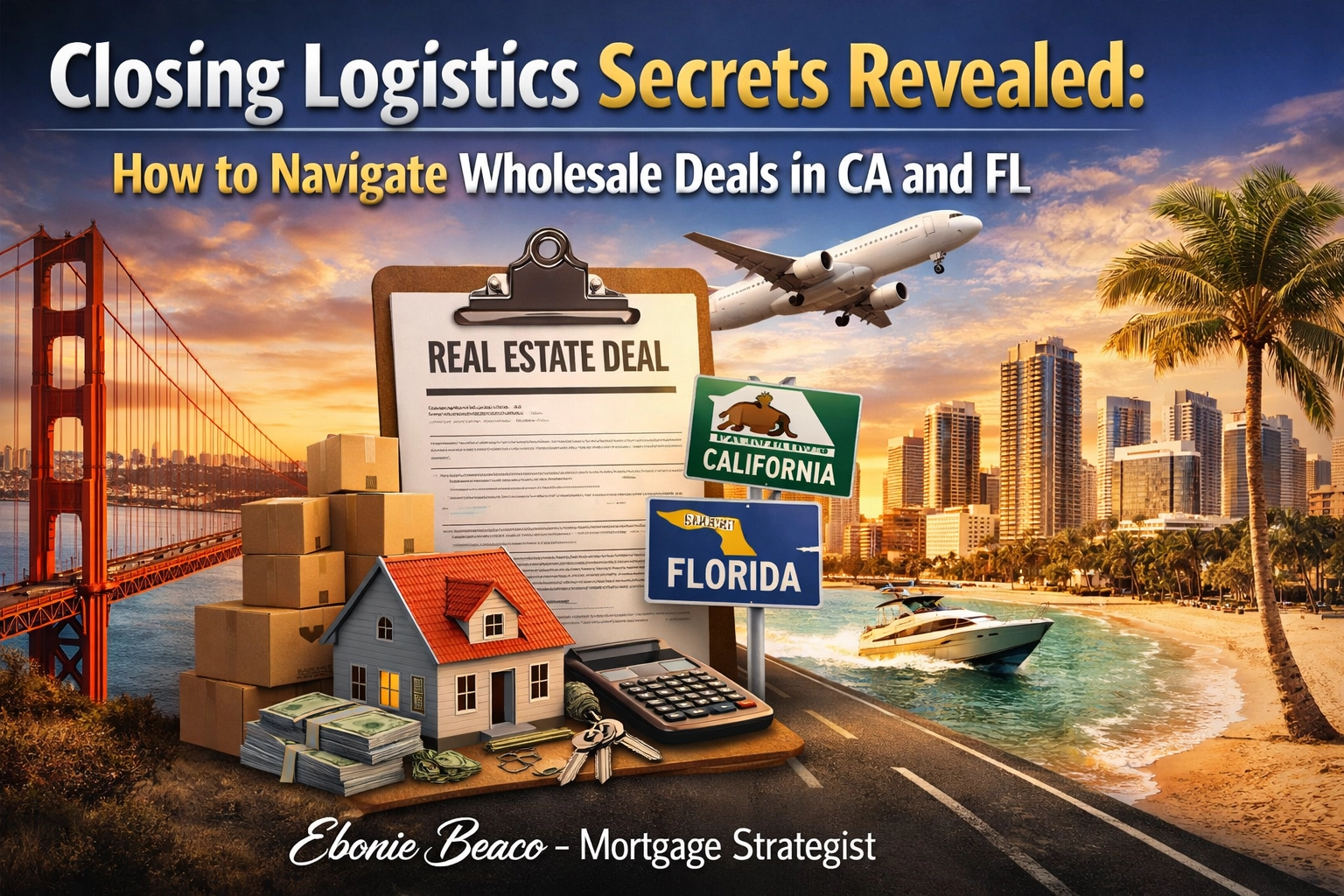
Closing Logistics Secrets Revealed: How to Navigate Wholesale Deals in CA and FL
Wholesaling real estate is often described as the fast track to real estate investing.
It is a strategy where you find a distressed property, put it under contract, and then sell that contract to an end buyer for a profit.
While the concept sounds simple, the logistics of closing these deals can be a maze, especially in high demand markets like California, Florida, and the metro Atlanta area.
If you are looking to scale your wholesaling business, you have to master the paperwork and the people involved in the transaction.
In this guide, we are going to pull back the curtain on closing logistics so you can navigate your next deal with total confidence.
What is Real Estate Wholesaling Really?
Real Estate Wholesaling: A process where an individual, the wholesaler, acquires a contract to purchase a property and subsequently assigns that contract to another buyer for a fee. This allows the wholesaler to profit from the transaction without ever actually taking ownership of the property.
Assignment of Contract: A legal document that transfers the rights and obligations of a purchase agreement from the original buyer to a new party. This is the "magic" document that allows a wholesaler to get paid for finding the deal.
When you are operating in states like California or Florida, the competition is fierce.
You need to move fast, but you also need to be transparent to keep your reputation intact.
Navigating the California Wholesale Market
California is a unique beast when it comes to real estate.
The property values are high, which means your assignment fees can be significant, but the legal scrutiny is also much higher.
In California, you have to be very careful about how you market your deals to avoid being accused of practicing real estate without a license.
License Requirements: California law generally requires a real estate license if you are performing acts of brokerage for others. Wholesalers avoid this by clarifying that they are selling their "equitable interest" in a contract, not the property itself.
When you are putting a property under contract in Los Angeles or San Diego, your real estate wholesale contracts must be ironclad.
Make sure your contract includes an "and/or assigns" clause in the buyer name section.
This tells the seller from day one that you might not be the final person at the closing table.
The Florida Wholesaling Landscape
Florida is one of the most popular states for wholesaling because of the high volume of distressed properties and the massive influx of out of state investors.
Whether you are in Miami, Tampa, or Orlando, the closing logistics in Florida are relatively investor friendly.
Florida uses title companies rather than attorneys for most closings, which can sometimes speed up the process.
However, you still need to ensure your assignment of contract is properly recorded by the title agent to ensure you get paid at the closing.
Equitable Interest: The legal right to obtain full ownership of a property once the terms of a contract have been met. As a wholesaler, your equitable interest is what you are actually selling to your end buyer.
Atlanta and the Georgia "Attorney State" Reality
Moving over to Georgia, specifically the Atlanta market, the logistics change slightly.
Georgia is an "attorney state," meaning a licensed attorney must oversee the real estate closing.
This can be a benefit for wholesalers because a knowledgeable investor friendly attorney can help you navigate complex title issues that might stall a deal.
In Atlanta, you will find that many wholesalers prefer a Double Closing to keep their assignment fee private from the seller.
Double Closing: A transaction where the wholesaler purchases the property from the original seller and then immediately sells it to the end buyer in a separate transaction on the same day. This involves two sets of closing costs but provides maximum privacy for your profit margins.
Assignment of Contract vs. Double Closing
Choosing between an assignment and a double closing is a strategic decision.
Assignment of Contract is the most common method. It is cheaper because you only pay one set of closing costs, and you don't need to bring your own funds to the table. The downside is that the seller and the end buyer see exactly how much you are making on the deal.
If your fee is $5,000, nobody usually cares. If your fee is $50,000, the seller might get cold feet and the buyer might try to renegotiate.
Double Closings are used when your fee is large enough to justify the extra closing costs. To pull this off, you often need Transactional Funding.
Transactional Funding: A short term loan, often lasting only 24 hours, used by wholesalers to fund the first part of a double closing. This allows you to legally buy the property so you can sell it to your end buyer minutes later.
If you are looking for more information on how these processes work, you can check out our mortgage basics page for a better understanding of the closing table.
The Secret to a Smooth Closing: The Title Company
The title company or closing attorney is the glue that holds a wholesale deal together.
Not every title company understands wholesaling.
Some might get confused by an assignment of contract, or they might refuse to work with "dry" double closings (where the end buyer's money is used to pay the original seller).
You need to find an investor friendly title company in your specific market.
Ask other local investors who they use.
A good title company will help you resolve clouds on title, manage the flow of funds, and ensure the assignment fee is listed correctly on the settlement statement.

A Real World Financial Example
Let’s look at a typical deal in Tampa, Florida to see how the numbers actually break down for a wholesaler and their end buyer.
Imagine you find a house that needs work. The owner is motivated and agrees to a purchase price of $200,000. You know a fix and flip investor who would happily pay $225,000 for it.
The Wholesale Deal Breakdown:
- Contract Price with Seller: $200,000
- Assignment Fee: $25,000
- Total Purchase Price for End Buyer: $225,000
- End Buyer's Estimated Repairs: $40,000
- End Buyer's After Repair Value (ARV): $350,000
In this scenario, you use an assignment of contract to transfer your rights to the end buyer. At the closing, the end buyer brings $225,000 (plus closing costs). The title company pays the seller $200,000 and cuts you a check for $25,000.
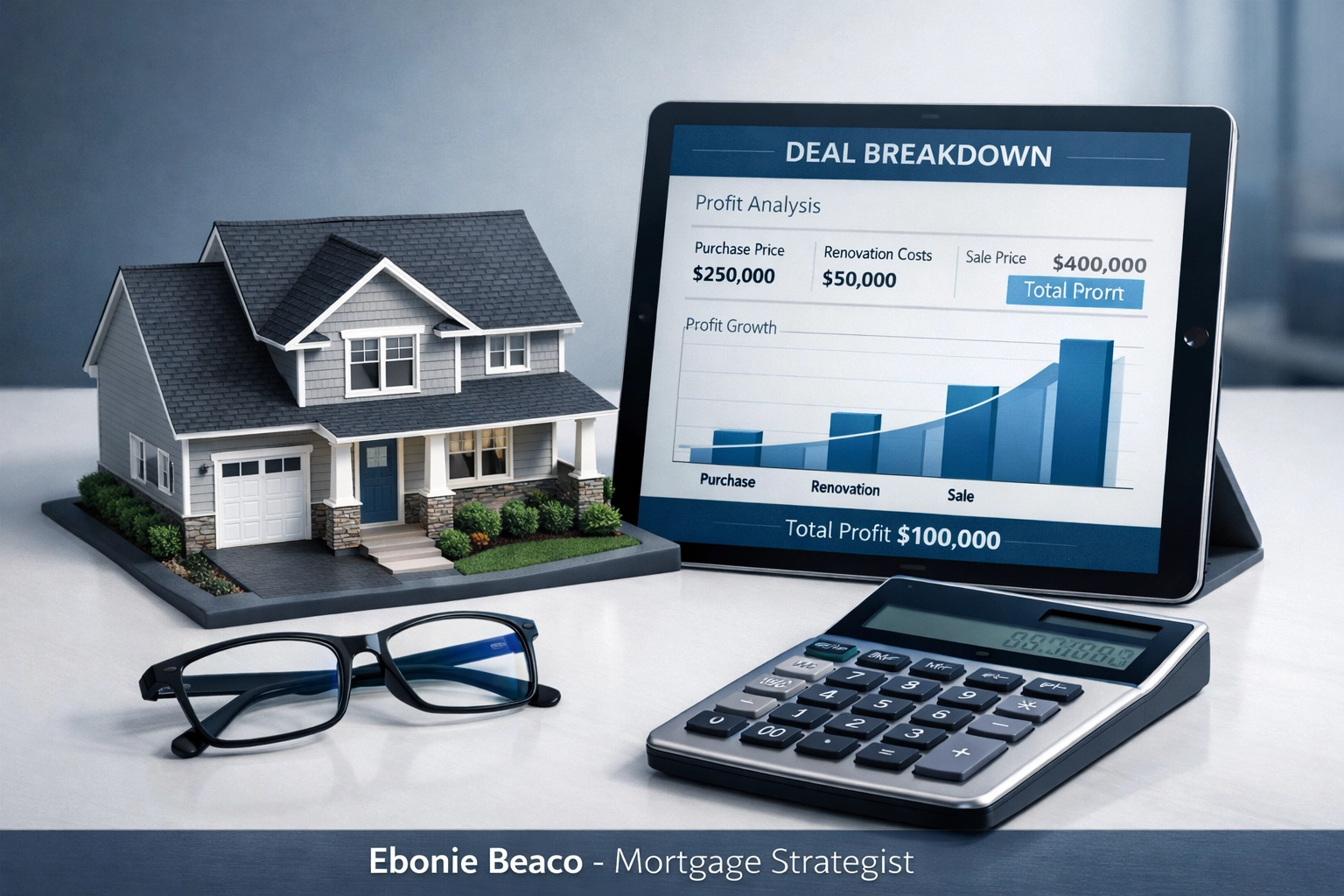
For the end buyer to make this deal work, they often need specialized financing. They might use DSCR investor loans or a fix and flip bridge loan. Knowing how your buyer is going to fund the deal is a huge part of your logistics strategy.
Common Pitfalls in Wholesale Closings
Even with the best real estate wholesale contracts, things can go wrong.
- Title Issues: Discovering a lien or an heir that hasn't signed off can kill a deal. Always start the title search as soon as you have a signed contract.
- Buyer Financing Falling Through: If your end buyer is using a traditional bank, they might not allow an assignment fee to be paid on the closing statement. Most wholesalers prefer cash buyers or those using hard money/DSCR loans for this reason.
- Seller Backing Out: When sellers realize you aren't the one actually buying the house, they can get upset. Transparency is key. Explain that you work with a network of partners to ensure the deal gets done.
If you are a buyer looking to purchase a wholesale deal, you can start your process by looking at our home purchase options.
Working with Lenders as a Wholesaler
You might think that because you aren't the one getting the loan, you don't need to talk to a mortgage professional.
That is a mistake.
Being a great wholesaler means being a great "deal doctor."
If your end buyer is struggling to find financing, you should be able to point them toward programs that work for investors, like Jumbo loans for high end flips or DSCR loans for long term rentals.
By understanding the loan process, you can help vet your buyers to ensure they actually have the capability to close.
A buyer who can't get financing is just a waste of your time.
Final Thoughts on Wholesale Logistics
Wholesaling is a business of logistics and relationships.
Whether you are navigating the strict disclosures of California, the fast paced market of Florida, or the attorney led closings in Atlanta, your success depends on your paperwork and your team.
Keep your contracts clear, your title companies investor friendly, and your buyers well funded.
If you do those three things, you will find that the "secrets" to closing wholesale deals are really just about being prepared and professional.
If you have a deal on the table and you are not sure how the financing will work for your end buyer, let's chat.
We can look at the scenario together and see what programs might be the best fit to ensure everyone gets to the finish line.
Schedule a 1 on 1 at https://calendly.com/homeloansnetwork
Ebonie Beaco
Mortgage Strategist | Senior Loan Officer
Home Loans Network powered by Loan Factory Inc.
NMLS #2389954
HomeLoansNetwork.com
312-392-0664