Assignment Contracts 101: Moving Rights Without Buying the House
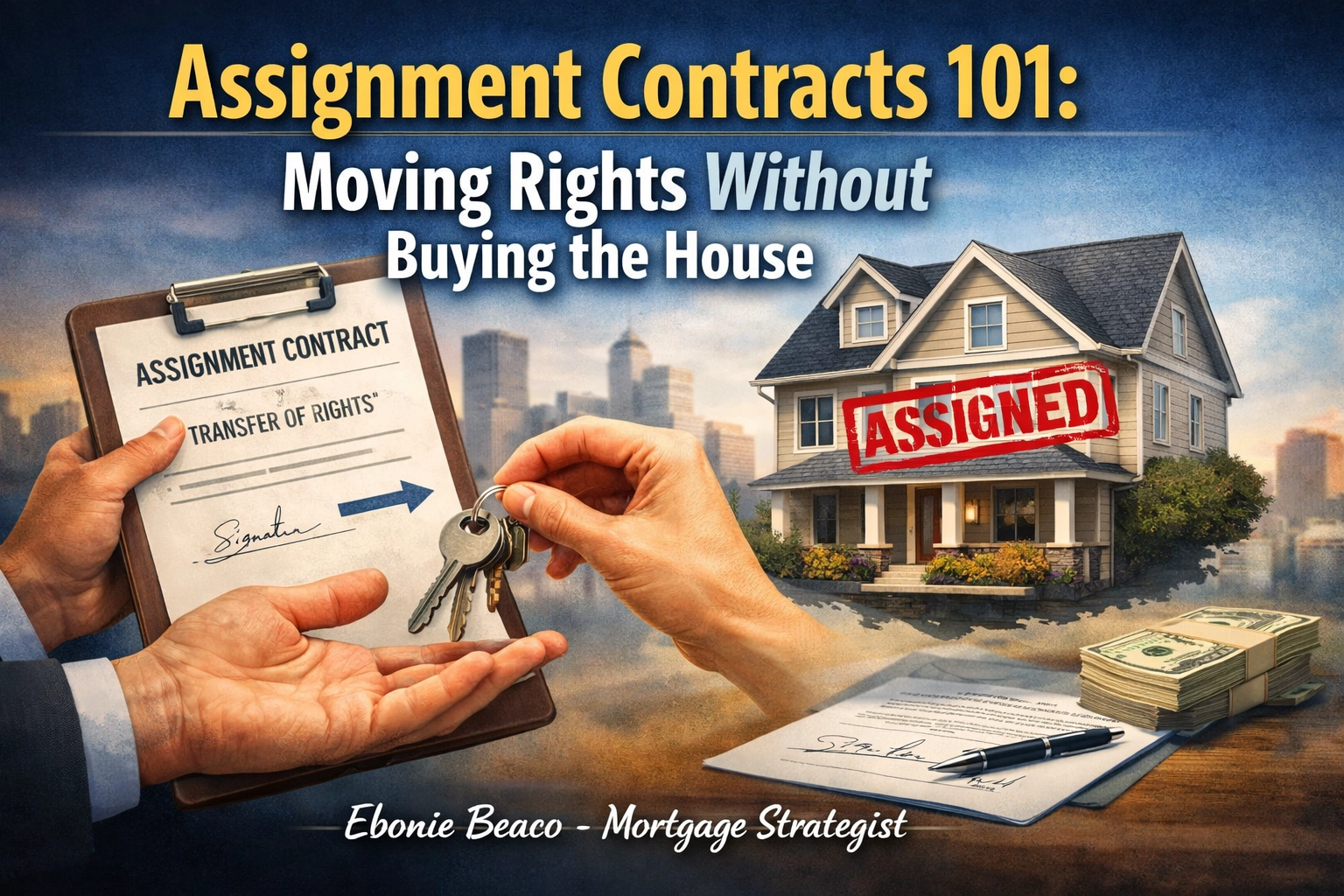
Wholesale real estate is often described as the entry point for many aspiring investors because it allows you to participate in property transactions without needing the capital to actually purchase the asset. At the heart of this strategy lies a legal instrument known as the assignment contract, which essentially serves as the bridge between a motivated seller and a cash buyer. Instead of buying the home, renovating it, and selling it for a profit, you are selling your "equitable interest" in the purchase agreement itself. This means you are transferring your rights and obligations as the buyer to another party in exchange for an assignment fee. Understanding how to navigate these contracts is the difference between a successful closing and a deal that falls apart at the title company.
An assignment contract is a secondary agreement that sits on top of your original purchase and sale agreement with the property owner. To use this effectively, your initial contract with the seller must include language that allows for the transfer of the contract, often indicated by the phrase "and/or assigns" next to your name. By executing an assignment, you are effectively stepping out of the way and letting the end buyer deal directly with the seller for the final transfer of the deed. You never actually enter the chain of title, which keeps your overhead low and your liability limited. It is a powerful tool for wholesaling houses in competitive markets like Chicago, Indianapolis, or Atlanta where speed and flexibility are paramount.
The Mechanics of the Assignor and Assignee Relationship
In any assignment deal, there are three primary players: the Seller, the Assignor (you, the wholesaler), and the Assignee (the end buyer). Your role as the assignor is to find a distressed property, negotiate a price below market value, and secure it under contract. Once the contract is signed, you have a period of time: usually defined by your inspection contingency: to find an assignee who wants to take over that contract. The assignee is typically a fix-and-flip investor or a buy-and-hold landlord looking for their next rental property. They are willing to pay you a fee because you have done the legwork of finding an off-market deal and negotiating a favorable price.
The assignment fee is the spread between what you promised to pay the seller and what the end buyer is willing to pay for the opportunity. For example, if you have a house under contract for $150,000 and an investor is willing to pay $165,000 for it, your assignment fee is $15,000. This fee is typically paid at the time of closing by the title company or attorney, appearing on the settlement statement as a line item. It is important to be transparent with your buyers about this fee, as seasoned investors understand that you need to get paid for the value you bring to the table. Most professional wholesale real estate practitioners aim for a fee that reflects the work involved in sourcing the lead.
Breaking Down the Numbers: A Real-World Example
To truly understand how an assignment contract functions, you need to look at the math from the perspective of the end buyer. Let’s say you find a property in a suburb of Richmond, Virginia, that needs about $40,000 in work. You negotiate a contract with the seller for $120,000, and you know that the After Repair Value (ARV) for this specific neighborhood is $240,000. You decide to market this deal to your buyers list for a $10,000 assignment fee, making the total cost to the end buyer $130,000. When the buyer analyzes the deal, they see a purchase price of $130,000 plus $40,000 in repairs, totaling an all-in cost of $170,000.
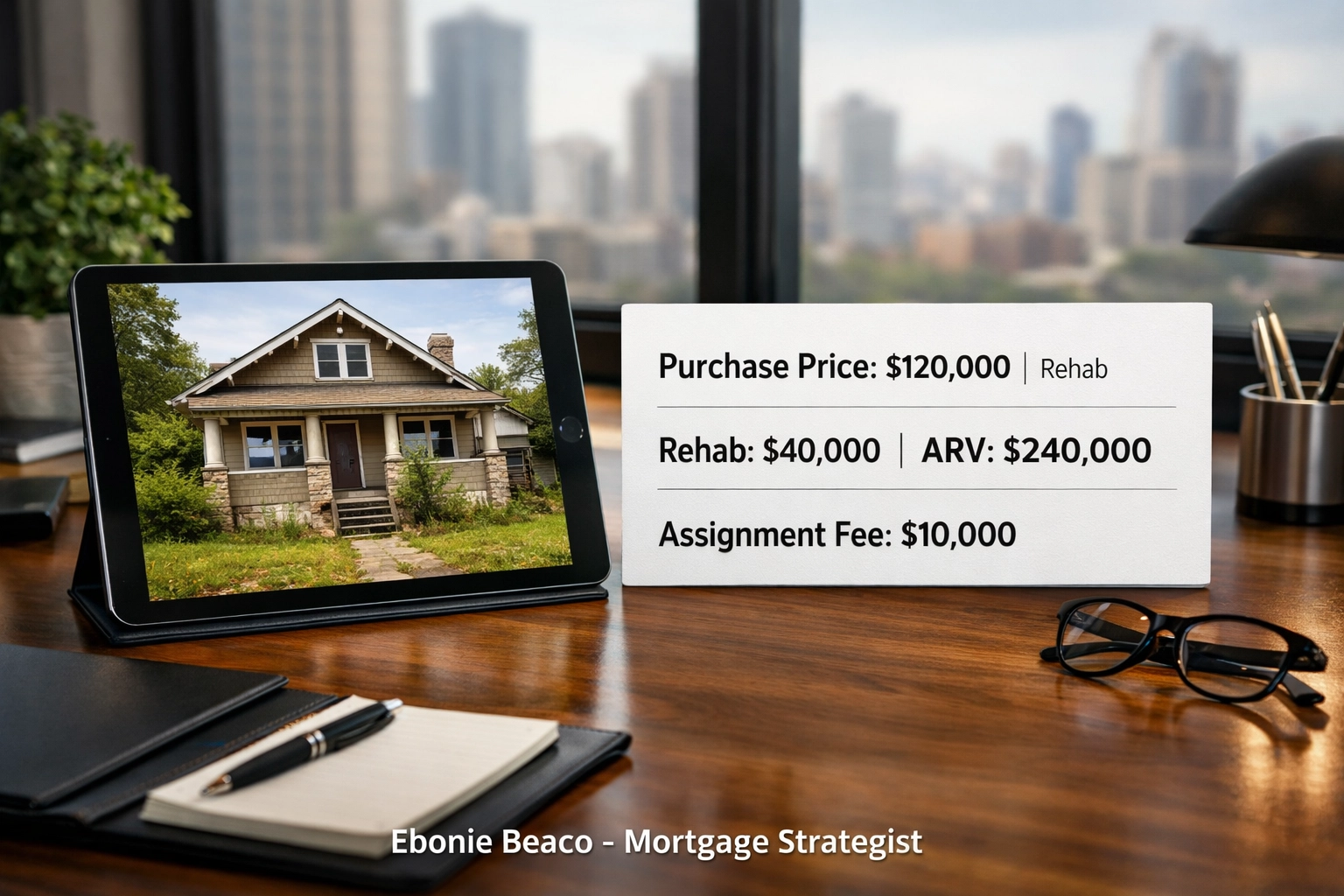
In this scenario, the end buyer still has $70,000 in equity or potential profit remaining after the renovation. This makes the $10,000 assignment fee very reasonable for the investor, as they didn't have to spend any money on marketing or cold calling to find the lead. If the buyer is using a fix and flip loan, they will likely finance the purchase price and the renovation costs. As a wholesaler, your job is to ensure the numbers leave enough meat on the bone for the investor to get their financing approved. If you overprice your assignment fee, the appraisal might not support the loan, causing the deal to collapse.
Legal Considerations and Disclosure
While the concept of assigning a contract is straightforward, the legal landscape varies significantly from state to state. In Illinois, for instance, there are specific regulations regarding how many deals you can wholesale per year without a real estate license. It is vital to consult with a local real estate attorney to ensure your assignment contract is compliant with state statutes and that you aren't accidentally practicing brokerage without a license. Transparency with the seller is also a key component of a successful assignment contract strategy. You should explain to the seller that you are an investor and that you may partner with other investors or assign the contract to a third party to complete the transaction.
Most sellers are primarily concerned with one thing: getting the property sold by the deadline you promised. However, if a seller feels misled about who is actually buying the house, it can create friction during the closing process. By being upfront about your intent to assign, you build trust and ensure a smoother path to the closing table. You should also ensure that your contract includes a clear "right to assign" clause that isn't buried in fine print. If the seller’s attorney strikes that clause out, you may need to pivot to a double closing, which involves more costs but achieves a similar end result.
Marketing to Cash Buyers and Financing Integration
Finding the deal is only half the battle; the other half is having a reliable list of cash buyers ready to perform. Many wholesalers make the mistake of finding a deal first and then scrambling to find a buyer, which often leads to expired contracts and lost earnest money. You should constantly be networking with local investors who are active in markets like Northwest Indiana or the Florida Panhandle. When you present a deal to them, having a clear breakdown of the ARV and repair estimates will make you stand out as a professional. An investor who knows exactly what their ROI will look like is much more likely to sign your assignment agreement quickly.
One way to add massive value to your buyers is to connect them with reliable financing options. If a buyer knows they can get a DSCR loan or a bridge loan quickly, they are more confident in taking over your assignment. As a mortgage strategist, I work with many investors who specialize in taking these wholesale deals and turning them into profitable rentals. By having a lender resource ready to vet the deal for your buyer, you decrease the chances of the buyer backing out due to lack of funds. This holistic approach to wholesaling houses turns you into a deal maker rather than just a middleman.
Why Most Wholesale Deals Fail (And How to Prevent It)
The most common reason assignment deals fail is a lack of proper due diligence regarding the property's condition or title status. If you tell an assignee that a house needs $20,000 in work and they walk through and see $60,000 in structural issues, they will walk away from the deal immediately. Always be conservative with your repair estimates and give yourself a cushion so the buyer feels they are getting a "deal." Furthermore, always open title early with a title company that understands wholesaling. Discovering a massive tax lien or a probate issue three days before closing can kill your assignment and damage your reputation with the end buyer.
Another pitfall is the failure to collect a non-refundable earnest money deposit (EMD) from your assignee. When you sign an assignment agreement, the end buyer should put down a deposit that covers at least your EMD with the seller, plus a bit extra. This "skin in the game" ensures that they are committed to the transaction and won't flake out at the last minute. If they do back out, you have the funds to cover your obligations to the seller or find a replacement buyer. Managing these moving parts requires organization and a professional touch, but once you master the assignment contract, you have a scalable business model.
Growing From Wholesaler to Full-Scale Investor
Wholesaling is a fantastic way to learn the ropes of real estate, but for many, it is just the first step toward building a long-term portfolio. Use the capital you earn from assignment fees to fund your own down payments on rental properties or fix-and-flip projects. By transitioning from the assignor to the buyer, you can take advantage of tax benefits and long-term appreciation that wholesaling alone doesn't provide. Whether you are looking to stay in the wholesale lane or move into DSCR investor loans, having a clear strategy for your capital is essential for growth.
I have seen countless investors start with a single assignment contract in a market like Birmingham, Alabama, and grow into owning dozens of doors. The skills you learn: negotiating with sellers, analyzing deals, and managing contracts: are the exact same skills needed to be a successful landlord or developer. If you are ready to take that next step or simply want to ensure your current deals are structured for success, let's connect. Having a mortgage strategist who understands the nuances of the wholesale world can give you a significant advantage over your competition.
📞 Work With Ebonie Beaco
If you are a wholesaler looking to:
- Close more deals
- Connect your buyers with financing
- Structure deals that actually get approved
- Learn how to grow into a real estate investor
I can help you every step of the way.
Ebonie Beaco Mortgage Strategist | Senior Loan Officer Home Loans Network powered by Loan Factory Inc. NMLS #2389954
📱 Phone: 312-392-0664 📧 Schedule a 1 on 1: https://calendly.com/homeloansnetwork 🌐 Website: HomeLoansNetwork.com/contact-us
👉 Whether you need lending, deal structuring, or mentorship, reach out today.