Are Recent Rate Hikes Bad? Today’s 4:00 PM Mortgage News Breakdown

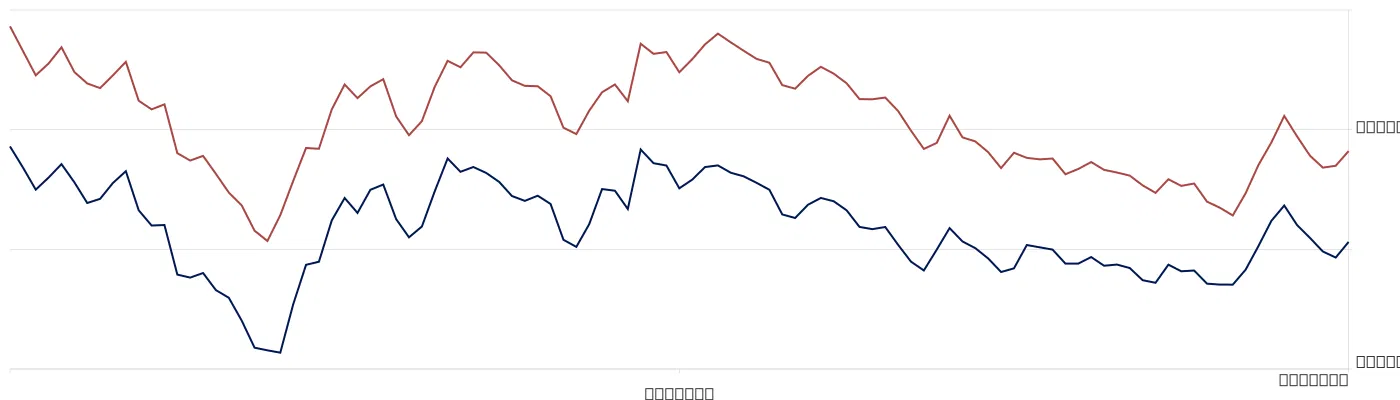
The mortgage market remains a central focus for homeowners and investors as we close another week of financial activity. For those tracking the pulse of real estate across the United States, the question often arises whether recent rate fluctuations create a hurdle or a strategic window. As of today’s 4:00 PM update, the 30-year fixed mortgage rate continues to hover near the 7.0% threshold, reflecting a broader economic strategy of "higher for longer" policy from the Federal Reserve. While high rates can tighten affordability, they also contribute to a unique market equilibrium where inventory stays lean and property values remain remarkably sticky.
Understanding the mechanics of these rate movements requires a look at both national trends and local market behaviors. In states like Illinois, Virginia, and Florida, the impact of these rates manifests differently depending on local demand and available housing supply. While the headlines often lean toward the dramatic, a neutral analysis suggests that the current environment is less about a "bad" market and more about a shifting landscape that rewards those with specific financing knowledge. By exploring the underlying data, you can better navigate the complexities of homeownership and investment in a high-rate environment.
Defining the Terms of Today’s Market
To navigate the 4:00 PM news breakdown effectively, you must understand the technical language used by lenders and economists. These concepts dictate the cost of capital and the feasibility of real estate transactions.
- Basis Points (BPS): A unit of measure equal to 1/100th of one percent, used to describe changes in interest rates or bond yields. Tracking basis points allows you to see the fine-tuned adjustments in mortgage pricing before they become whole-percentage shifts.
- Federal Funds Rate: The interest rate at which depository institutions lend reserve balances to other depository institutions overnight. While this does not directly set mortgage rates, it influences the broader interest rate environment and lender appetites.
- Yield Curve: A line that plots the interest rates of bonds having equal credit quality but differing maturity dates. A flattened or inverted yield curve often signals economic uncertainty, which can lead to volatility in conventional loan pricing.
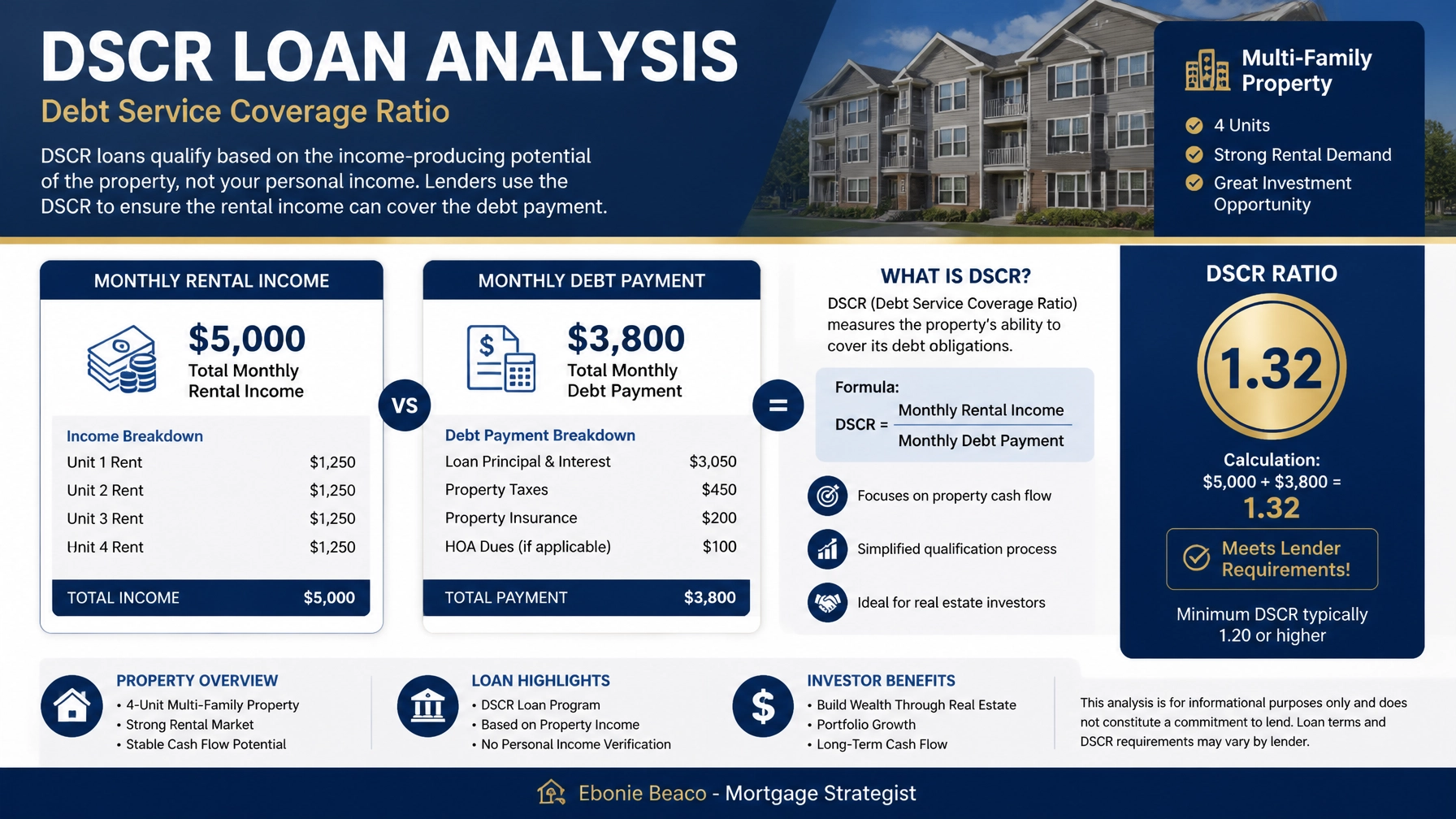
- Debt Service Coverage Ratio (DSCR): A financial metric used to evaluate a property’s ability to cover its debt payments with its own rental income. This is a critical tool for investors who wish to bypass personal income verification and qualify based on property performance.
Accessing clear information on these terms helps you move past the noise of daily news cycles. When you understand how basis points affect your monthly payment, you can make more precise decisions about when to lock a rate or when to wait for a dip.
Regional Market Snapshots: From Chicago to Florida
The impact of the current interest rate environment is not uniform across the country. Each region reacts to the 7% rate benchmark based on its historical inventory levels and migration patterns.
The Midwest Resilience: Illinois, Indiana, and Michigan
In markets like Chicago, Illinois, and Indianapolis, Indiana, the "lock-in effect" remains a significant factor. Homeowners who secured rates between 2.5% and 4% during the pandemic are reluctant to sell, which has kept inventory at historic lows. This scarcity supports property values even as buyer demand softens slightly due to higher monthly costs. Michigan follows a similar trend, where the affordability of the Midwest cushions the blow of higher interest rates compared to the coastal markets.
The Southern Growth: Alabama, Arkansas, and Kentucky
States like Alabama and Arkansas continue to attract buyers looking for lower cost-of-living areas. While the recent rate hikes have slowed the frenzy of 2021, these regions remain active seller’s markets. Kentucky also sees steady demand in its major metros, where the monthly payment on a median-priced home remains manageable for a broader segment of the population. Investors in these states are increasingly looking at DSCR rental property loans to scale their portfolios despite the rate environment.
The High-Stakes Markets: California and Virginia
California remains one of the most rate-sensitive states due to its high median home prices. A shift of even 50 basis points can translate into hundreds of dollars in additional monthly mortgage payments. Meanwhile, in Northern Virginia, the market is bolstered by stable federal employment and a high-income buyer pool. These markets often see a higher percentage of cash transactions, which helps maintain price floors despite the rising cost of traditional financing.

Strategy for Investors: Navigating the DSCR Landscape
Real estate investors often find that standard mortgage products do not align with their growth goals, especially when rates are elevated. This is where the DSCR Investor Loan becomes a powerful tool. Because these loans focus on the property’s cash flow rather than your personal debt-to-income ratio, they allow you to continue acquiring assets even if you are self-employed or have multiple existing mortgages.
Explore the following calculation to see how an investor might analyze a potential acquisition in today's market:
Example Case Study: The 4-Unit Portfolio Addition
- Purchase Price: $625,000
- Down Payment (20%): $125,000
- Monthly Rental Income: $5,000
- Monthly Debt Payment (PITI): $3,800
- DSCR Calculation: $5,000 / $3,800 = 1.32
In this scenario, a DSCR of 1.32 is generally considered strong by most lenders. Even with a 7% interest rate, the property generates enough income to cover the mortgage and provide a buffer for expenses. Investors use this strategy to scale quickly without the traditional documentation hurdles of a primary residence loan.
Strategy for Homeowners: Unlocking Equity with a HELOC
Current homeowners who are sitting on significant equity but do not want to touch their low-rate primary mortgage can utilize a Home Equity Line of Credit (HELOC) or a second-lien cash-out refinance. This strategy allows you to access capital for home improvements, debt consolidation, or a down payment on an investment property without losing your 3% or 4% interest rate on your main loan.
Consider how the numbers work for a typical homeowner in a high-appreciation state like Florida or Georgia:
Example Case Study: The Equity Extraction
- Current Property Value: $450,000
- Existing Mortgage Balance: $200,000
- Maximum Combined Loan-to-Value (80%): $360,000
- Calculation: $360,000 (Max Loan) - $200,000 (Existing Debt) = $160,000 Available Equity
By accessing this $160,000, the homeowner can fund a major renovation that increases the property's long-term value. This is often a more cost-effective solution than moving to a new home and taking on a full 7% mortgage for the entire purchase price. You can use a mortgage calculator to compare the costs of a HELOC versus a full refinance.

Are Rate Hikes Truly "Bad"?
Labeling rate hikes as purely negative overlooks the stabilizing role they play in the economy. The Freddie Mac Economic Outlook notes that while high rates have slowed sales volume, they have also prevented the type of runaway inflation that can erode purchasing power over the long term. For the prepared buyer or investor, this environment provides a chance to negotiate more effectively. Sellers are often more willing to offer concessions, such as rate buydowns or closing cost credits, which were unheard of during the low-rate frenzy of 2020.
Jump in and review your current financial profile to see if you can take advantage of these builder incentives or investor-focused programs. The market is constantly moving, and today’s 4:00 PM news breakdown is just one data point in your long-term wealth-building journey. Whether you are looking at a fix-and-flip project in Michigan or a primary home in Virginia, the loan process remains a structured path to achieving your goals.
Schedule a 1 on 1 at https://calendly.com/homeloansnetwork
Ebonie Beaco
Mortgage Strategist | Senior Loan Officer
Home Loans Network powered by Loan Factory Inc.
NMLS #2389954
HomeLoansNetwork.com
312-392-0664