7 Mistakes You're Making with Your Florida Investment Property Loans (and How to Fix Them)
SEO Title: 7 Mistakes You're Making with Your Florida Investment Property Loans (and How to Fix Them)
Meta Description: Avoid costly errors with your Florida investment property loans. Learn how to fix DSCR, insurance, and condo financing mistakes for better cash flow.
URL Slug: florida-investment-property-loan-mistakes
Featured Image Recommendation: https://cdn.marblism.com/0s51_AJ7KfO.webp
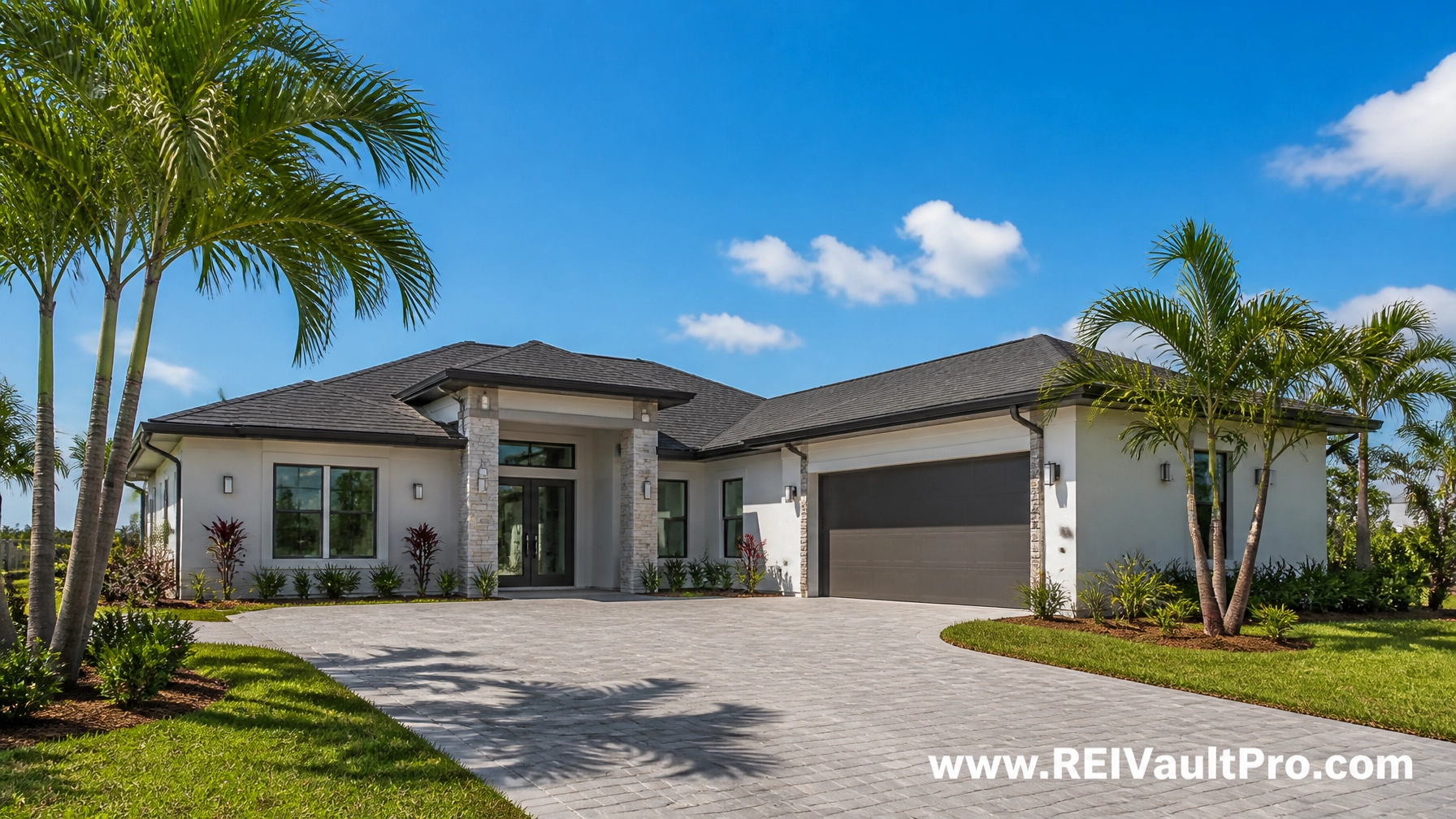
SEO Alt Text: Modern Florida investment property with palm trees and clear blue sky representing real estate financing.
Social Media Excerpt: Are you making these 7 common mistakes with your Florida investment property loans? From insurance traps to DSCR math, learn how to protect your real estate portfolio today.
SEO Tags: Florida investment loans, DSCR loans, real estate financing, rental property loans, Florida real estate, mortgage mistakes, property investment.

Investing in the Florida real estate market offers incredible opportunities for wealth building, whether you are targeting short-term rentals in Orlando or multi-unit buildings in Miami. However, financing these properties comes with a unique set of challenges that can derail even the most experienced investors. From the complexities of hurricane insurance to the strict guidelines surrounding non-warrantable condos, the margin for error is slim.
Many investors unknowingly make mistakes during the loan application and underwriting process that lead to higher interest rates, lower loan amounts, or outright denials. Understanding these pitfalls is the first step toward securing the best possible terms for your portfolio.
This guide breaks down the seven most common mistakes Florida investors make and provides actionable solutions to help you navigate the lending landscape with confidence.
1. Underestimating Florida Insurance Costs
The Florida insurance market is one of the most volatile in the country. Many investors run their initial cash flow projections using outdated or generic insurance estimates, only to find that the actual premiums are double or triple what they anticipated.
Insurance Premium: The annual amount paid to an insurance company for property coverage.
In Florida, high premiums for wind, hail, and flood coverage directly reduce your Net Operating Income (NOI).
When you underestimate insurance, your Debt Service Coverage Ratio (DSCR) drops. Lenders use this ratio to determine if a property produces enough income to cover the debt. If your insurance costs are too high, the loan may no longer qualify for the desired amount.
How to Fix It: Always obtain a preliminary insurance quote during your due diligence period. Use tools like the AI Deal Analyzer to plug in real-time insurance data so you can see the immediate impact on your profitability.
2. Miscalculating the Debt Service Coverage Ratio (DSCR)
The DSCR is the heartbeat of investor financing. A common mistake is assuming that "Rent / Mortgage Payment" is the only calculation that happens. Lenders look at the full PITIA (Principal, Interest, Taxes, Insurance, and Association dues).
DSCR (Debt Service Coverage Ratio): A metric used to measure a property's ability to cover its debt payments.
Lenders typically require a DSCR of 1.20 or higher to ensure the property is self-sustaining.
Many Florida investors forget to include Homeowners Association (HOA) dues or seasonal vacancy rates in their calculations. If your DSCR falls below the lender's threshold, you might be required to bring more cash to the closing table to lower the loan amount.
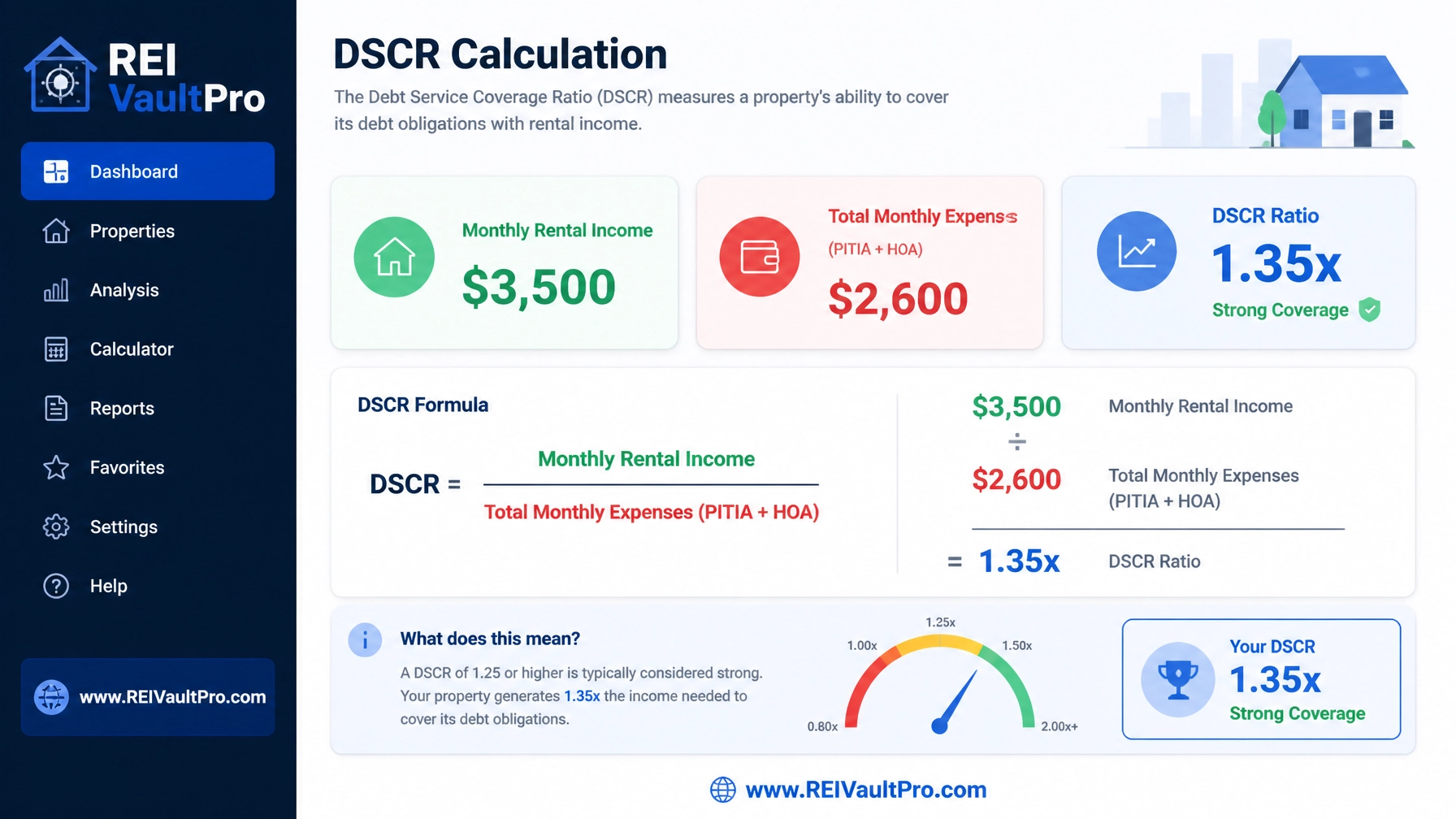
Financial Calculation Example: DSCR Math
Consider a rental property in Tampa with the following monthly figures:
- Gross Monthly Rent: $3,500
- Principal & Interest: $1,800
- Property Taxes: $400
- Insurance: $300
- HOA Dues: $100
- Total Debt Service (PITIA): $2,600
DSCR Calculation: $3,500 / $2,600 = 1.35x
In this scenario, the property has a healthy DSCR of 1.35, which likely qualifies for competitive investor loan terms.
3. Ignoring Condo Warrantability Issues
Florida is famous for its condominiums, but financing them can be a nightmare if the building is "non-warrantable." This happens when the project fails to meet Fannie Mae or Freddie Mac standards, often due to high investor concentration, inadequate reserves, or ongoing litigation.
Non-Warrantable Condo: A condominium unit in a building that does not meet standard secondary market guidelines.
These units require specialized Non-QM mortgage loans because traditional banks typically avoid them.
Buying a condo without checking warrantability can lead to a last-minute loan denial. You might find yourself scrambling for a high-interest hard money loan just to close the deal.
How to Fix It: Request a condo questionnaire from the HOA early in the process. If the building is non-warrantable, pivot to a Non-QM Mortgage Loan specifically designed for these property types.
4. Moving Funds Right Before Applying
Lenders require a clear paper trail for your down payment and reserves. A frequent mistake is "seasoning" money incorrectly by moving large sums between personal and business accounts just days before starting a loan application.
Seasoning: The length of time funds must remain in an account before they are considered "sourced."
Most lenders require at least 60 to 90 days of bank statements showing the funds have been stable.
Unexplained large deposits are red flags for underwriters. If you cannot prove where the money came from, the lender may disqualify those funds, leaving you short on your down payment.
How to Fix It: Keep your investment funds in a dedicated account for at least three months prior to applying. If you are receiving capital from a partner, ensure it is documented correctly with a gift letter or an updated LLC operating agreement.

5. Focusing Only on the Interest Rate
It is easy to get tunnel vision and only look for the lowest interest rate. However, for Florida investment property loans, the "all-in" cost is often more important. This includes origination points, closing costs, and prepayment penalties.
Prepayment Penalty: A fee charged if the loan is paid off or refinanced within a specific timeframe.
Many investor loans include a 3-year or 5-year penalty, which can cost thousands if you plan to sell the property early.
A loan with a 7% interest rate and no prepayment penalty might be better than a 6.5% rate with a 5-year penalty if your strategy involves a quick exit or a future cash-out refinance.
How to Fix It: Compare loan estimates side-by-side. Use the Investment Decision Engine to see which loan structure aligns best with your long-term wealth goals.
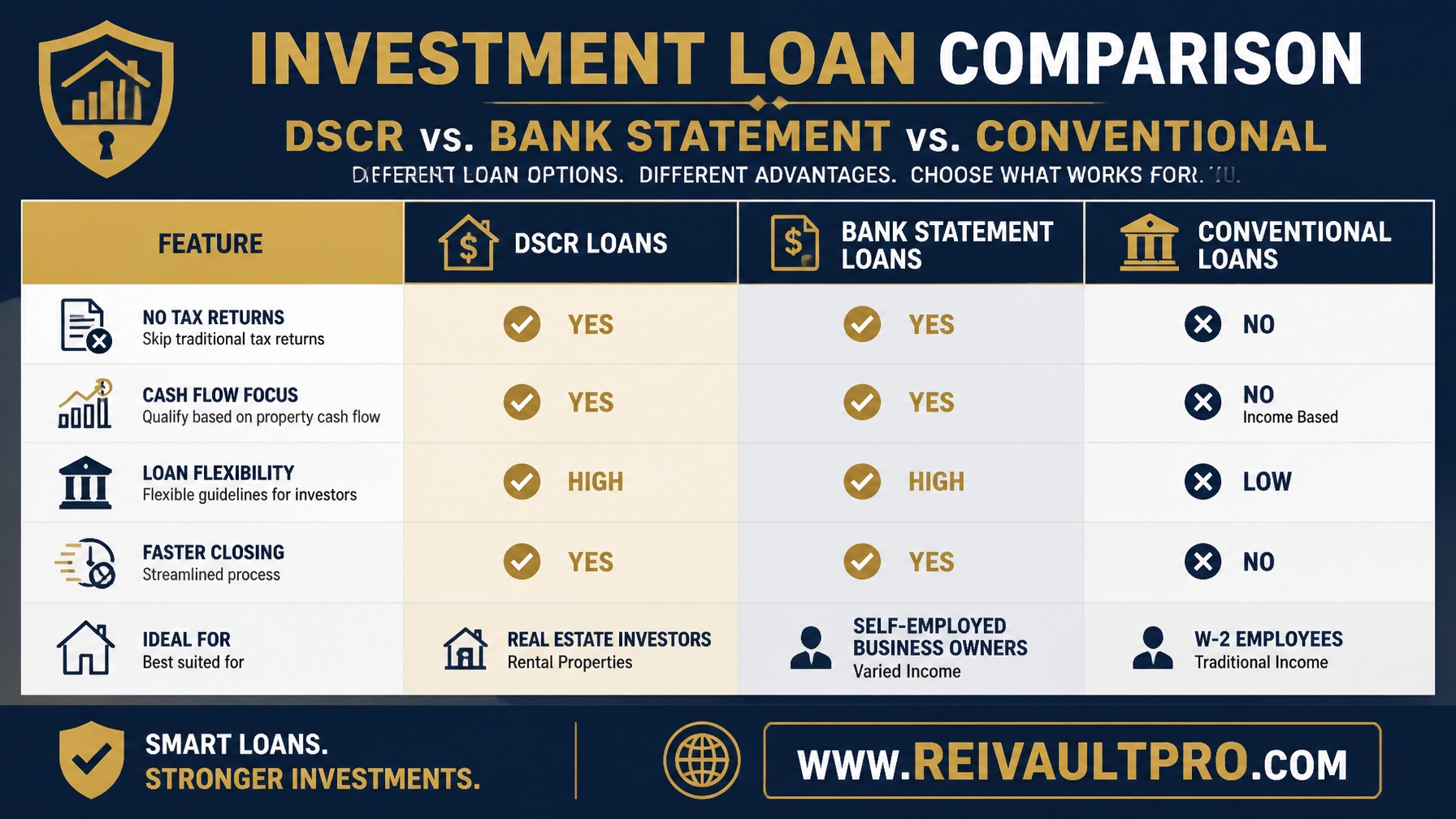
6. Overlooking Bank Statement Loans for the Self-Employed
Many Florida investors are entrepreneurs or self-employed individuals who have high income but significant tax write-offs. A common mistake is trying to qualify for a conventional loan using tax returns that show low taxable income.
Bank Statement Loan: A mortgage product that uses bank statement deposits rather than tax returns to calculate income.
This is ideal for self-employed borrowers who want to leverage their true cash flow to buy more real estate.
If you are denied for a conventional loan, do not assume you cannot get financing. Bank statement loans allow you to use 12 or 24 months of deposits to prove your ability to repay the loan.
How to Fix It: Explore Bank Statement Loans if your tax returns do not reflect your actual earnings. This strategy is commonly used by investors in states like Florida, California, and Georgia to scale their portfolios quickly.
7. Not Having a Clear Exit Strategy
Taking out a short-term bridge loan or a hard money loan without a plan for the "exit" is a recipe for financial stress. In Florida’s shifting market, you must know exactly how you will pay off the initial debt.
Bridge Loan: A short-term financing option used until a permanent loan is secured or the property is sold.
These loans often have higher rates and shorter terms, making a solid exit strategy vital.
Whether you plan to sell the property after a renovation (Fix and Flip) or transition into a long-term rental (BRRRR method), your financing must match your timeline.
How to Fix It: Before signing any loan documents, verify that you qualify for the long-term "exit" loan. Use the AI Deal Scoring tool to evaluate your property’s future performance and refinance potential.
Navigating the Florida Market with Confidence
The Florida real estate market remains a top choice for investors across the United States. By avoiding these common mistakes, you can secure financing that supports your growth rather than hindering it. Whether you are looking for a cash-out refinance on an existing property or a DSCR loan for a new acquisition, understanding the numbers is your greatest advantage.
If you are currently evaluating a deal in Florida, Alabama, or any of our service states, take the time to run your numbers through professional tools. This ensures your projections are based on reality, not best-case scenarios.
Related REI Vault Pro Resources
- AI Deal Analyzer: Instantly calculate DSCR, cash flow, and ROI for any Florida investment property to ensure your numbers are accurate before you apply for a loan.
- Investment Decision Engine: Compare different loan structures, such as HELOCs versus cash-out refinances, to see which strategy maximizes your equity.
- AI Deal Scoring: Evaluate the risk and potential of a property based on market data, helping you decide which deals are worth your capital.
- REI Vault Pro Join: Access a suite of professional investor tools and templates designed to help you scale your real estate portfolio efficiently.
Ready to see how these strategies apply to your specific portfolio? Watch a Demo to explore the full power of our investment analysis tools.
FAQ Section
What is the minimum DSCR required for a Florida investment property loan?
Most lenders look for a DSCR of at least 1.20, though some programs allow for lower ratios if you have significant cash reserves or a high credit score.
Can I use a DSCR loan for a short-term rental (STR) like an Airbnb?
Yes, many DSCR lenders allow you to use short-term rental income to qualify. However, they may require proof of history or a market rent analysis from a professional appraiser.
Why are insurance costs so high for Florida investment properties?
Florida faces unique risks from hurricanes and flooding. Premiums have risen significantly across the state, making it critical to get an insurance quote early in your deal analysis.
How long does money need to be in my account to count as seasoned?
Standard seasoning requirements are typically 60 to 90 days. Lenders will review your last two or three months of bank statements to verify the source of your funds.
What is a non-warrantable condo?
A non-warrantable condo is a unit that doesn't meet Fannie Mae or Freddie Mac guidelines. This is common in Florida buildings with a high percentage of renters or those undergoing major structural repairs.