7 Mistakes You're Making with Wholesale Logistics in CA (and How to Fix Them)

Wholesaling real estate in California is a high-speed game where the logistics of the deal often dictate whether you walk away with a check or a headache. In a market where property values are high and legal scrutiny is even higher, your ability to move a contract from A to B requires more than just finding a motivated seller. It requires a mastery of the paperwork, the players, and the timelines.
If you are operating in CA, Florida, or the Atlanta market, you already know that the competition is fierce. Investors are looking for clean deals, and sellers are looking for a quick exit. When your logistics fail, you lose credibility with both.
Jump in as we break down the seven most common logistical blunders wholesalers make and how you can tighten your process to scale your business.
1. Using Incomplete Real Estate Wholesale Contracts
Real Estate Wholesale Contracts: A legally binding agreement where an investor (wholesaler) secures a property under contract with the intent to transfer their rights to an end buyer. Practical Application: These contracts provide you with legal "equitable interest" in a property, allowing you to market the deal without actually owning the title yet.
The biggest mistake is using a generic contract found on a random internet forum that doesn't account for state-specific requirements. In California, your contract needs to clearly state that it is assignable. If your "Right to Assign" clause is missing or poorly worded, the seller’s attorney can kill your deal before you even find a buyer.
Ensure your contracts include specific language regarding the inspection period and the "and/or assigns" designation. Without these, your logistics are dead on arrival. You can learn more about the foundations of these agreements on our mortgage basics page.
2. Messing Up the Assignment of Contract Logistics
Assignment of Contract: The legal document used to transfer the rights and obligations of a purchase agreement from the original buyer (wholesaler) to a third party (end buyer). Practical Application: This document acts as the bridge that allows you to collect your fee without ever having to fund the entire purchase price of the property.
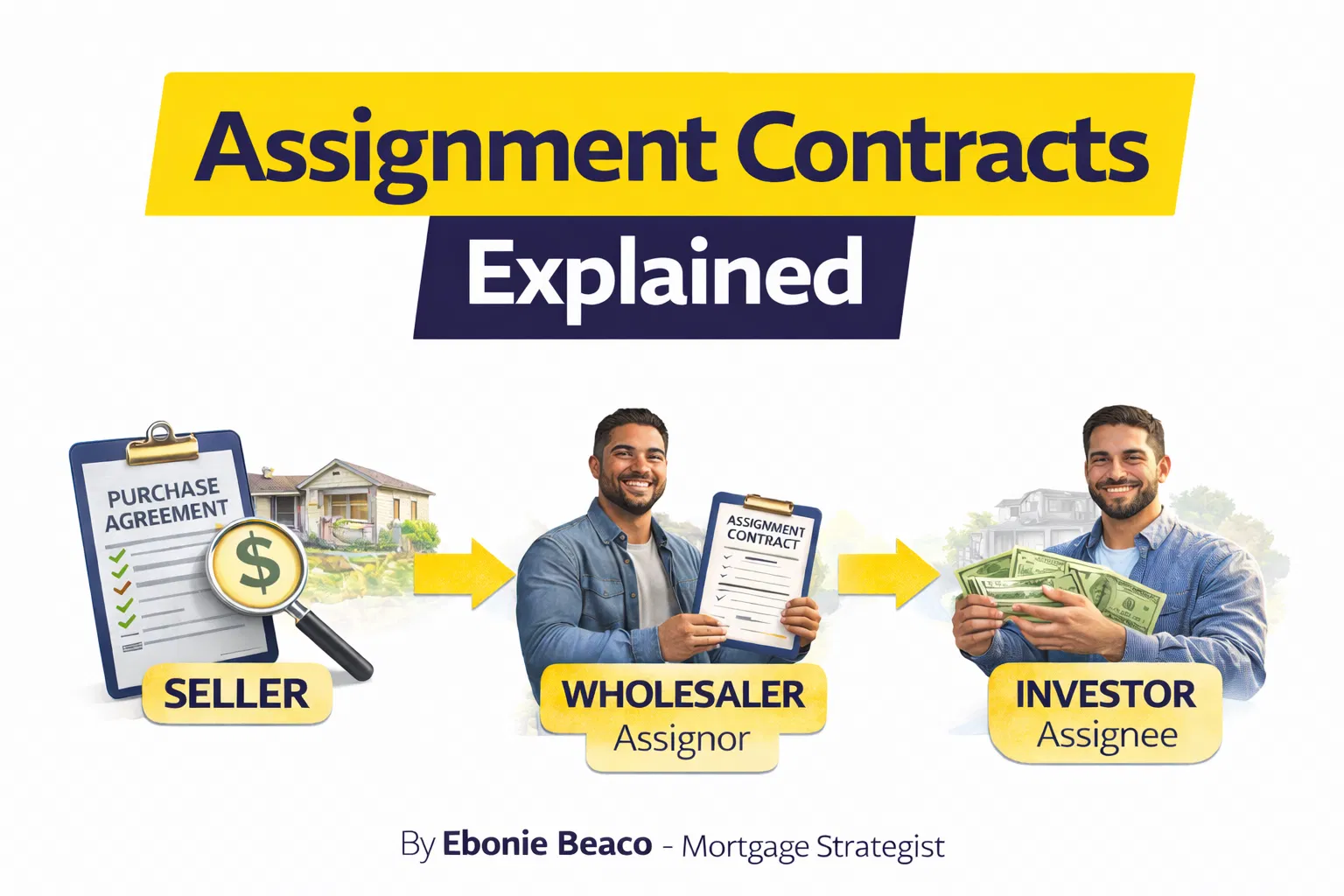
Many wholesalers fail to coordinate the timing between the original purchase agreement and the assignment of contract. If the end buyer isn't looped into the escrow process immediately, the title company may face delays. In California, title companies are used to these transactions, but they require precise documentation to stay compliant with state laws.
Always send your fully executed assignment agreement to the escrow officer the moment it is signed. This ensures the settlement statement reflects your fee correctly and keeps the transaction moving toward the finish line.
3. Poor Disclosure of Assignment Fees
Assignment Fee: The profit paid to a wholesaler by the end buyer for finding, securing, and negotiating a real estate deal. Practical Application: This fee represents your value as a deal-sourcer and is usually paid at the close of escrow.
Transparency is a logistical tool. Some wholesalers try to hide their fee from the seller, which often leads to blowups at the closing table when the seller sees a $30,000 line item going to someone who didn't buy the house. If you are making a massive spread (e.g., $50,000 or more), the logistics of an assignment might not be your best move.
In California and Atlanta, where spreads can be large, you must decide early if you will use an assignment or a double closing. If the fee is too high for the seller to stomach, a double closing: while more expensive in terms of closing costs: protects the deal from emotional sellers.
4. Failing to Secure the Earnest Money Deposit (EMD)
Earnest Money Deposit (EMD): A sum of money provided by a buyer to demonstrate their "good faith" and commitment to completing a real estate transaction. Practical Application: For a wholesaler, getting a non-refundable EMD from the end buyer is the only way to ensure they don't back out at the last minute.
A common logistical error is allowing the end buyer too much time to wire their EMD. If you don't have their cash in escrow within 24 to 48 hours, you don't have a solid deal. In high-demand markets like Miami or Los Angeles, every hour the property is "off-market" without a secured deposit is a risk to your reputation.
Structure your assignment of contract so that the end buyer’s EMD is significantly higher than what you gave the seller. If you put down $1,000, ask for $5,000 or $10,000 from your buyer. This "skin in the game" ensures the logistics of the closing remain on track.
5. Mismanaging the Double Closing Strategy
Double Closing: A transaction where the wholesaler buys the property from the seller and immediately sells it to the end buyer in two separate, back-to-back closings. Practical Application: This strategy is used to keep wholesale profits private or to satisfy lenders who do not allow contract assignments.
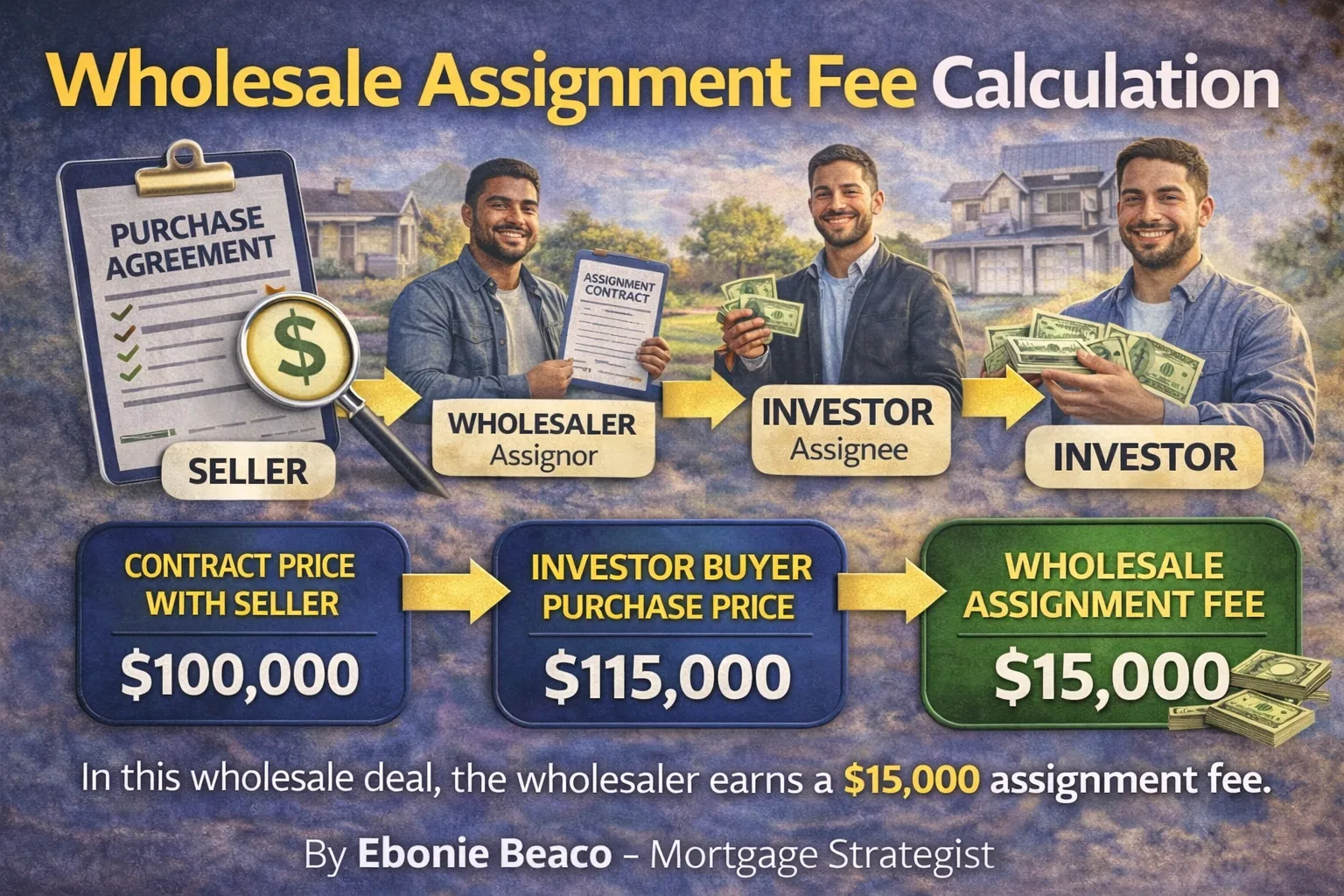
The logistics of a double closing are complex. You need "transactional funding" or your own cash to close the first side (A-B) before you can close the second side (B-C). Many wholesalers mistakenly assume they can use the end buyer's money to fund the first purchase. In many states, including California and Florida, "dry fundings" (using the end buyer's money) are increasingly difficult or illegal.
Explore your funding options early. If you need a bridge loan or a hard money partner to facilitate a double closing, check our loan programs to see how we can help structure your investment financing.
6. Ignoring Market-Specific Legal Nuances
Wholesaling logistics are not a one-size-fits-all model. The way you handle a deal in Atlanta, Georgia, is different from how you handle one in San Francisco, California.
- California: Requires strict adherence to disclosure laws. If you are acting as a wholesaler but are also a licensed agent, the logistical disclosures are even more stringent.
- Florida: Known for its "wholesale-friendly" title companies, but you must be careful with how you market the property to avoid "brokerage without a license" accusations.
- Atlanta: Georgia is an attorney-closing state. This means the logistics of your closing will be handled by a law firm rather than just a title agency.
Failing to adapt to these regional differences is a recipe for a canceled contract. Always verify the closing customs of the specific city where the property is located. You can review our legal page for more context on compliance.
7. Not Vetting the End Buyer’s Financing
The biggest logistical bottleneck in wholesaling is an end buyer who can't actually close. Many "investors" on your email list might be "daisy-chaining" (trying to re-wholesale your wholesale deal) or waiting on a loan that might not get approved.
Before you sign an assignment of contract, demand a proof of funds or a pre-approval letter from a reputable lender. If they are using a DSCR loan or a fix-and-flip loan, ask for the contact information of their loan officer.
If your buyer needs a reliable funding source to close your wholesale deals, direct them to our pre-qualify page. Ensuring your buyer has their financing in order is the final step in a successful wholesale logistics chain.

Understanding the Math: A Wholesale Example
To see how these logistics play out in the real world, let's look at a typical scenario for a property in a market like Orlando or Riverside.
- Contract Price (Seller to Wholesaler): $400,000
- Wholesaler EMD to Seller: $2,500
- Assignment Price (Wholesaler to Investor): $425,000
- Investor EMD to Wholesaler: $7,500
- Wholesale Assignment Fee: $25,000
In this scenario, the wholesaler’s logistical goal is to ensure the Investor’s $7,500 deposit is non-refundable after a 3-day inspection period. This covers the wholesaler’s risk and ensures the $25,000 profit is secured. If the investor backs out, the wholesaler keeps the $7,500, pays the seller their $2,500 if necessary, and still walks away with a $5,000 profit for their time.
Moving Toward Scalable Logistics
Success in wholesaling is built on the strength of your systems. Whether you are managing real estate wholesale contracts in Atlanta or navigating double closings in Los Angeles, your attention to detail determines your profit margin.
Stop treating each deal like a surprise and start treating your logistics like a repeatable assembly line. When you have the right contracts, the right disclosure strategy, and the right financing partners, the business becomes a lot less stressful.
If you are an investor looking to fund your next acquisition or a wholesaler looking to provide your buyers with better financing options, we are here to help. Our team specializes in the types of loans that move real estate deals forward.
Access our tools and start planning your next move today.
Schedule a 1 on 1 at https://calendly.com/homeloansnetwork
Ebonie Beaco Mortgage Strategist | Senior Loan Officer Home Loans Network powered by Loan Factory Inc. NMLS #2389954 HomeLoansNetwork.com 312-392-0664