7 Mistakes You're Making with Florida Fix and Flip Loans (and How to Fix Them)
SEO Title: 7 Common Florida Fix and Flip Loan Mistakes and Solutions
Meta Description: Avoid costly errors with Florida fix and flip loans. Learn how to manage rehab costs, insurance, and ARV for successful real estate investment in Florida.
URL Slug: florida-fix-and-flip-loan-mistakes
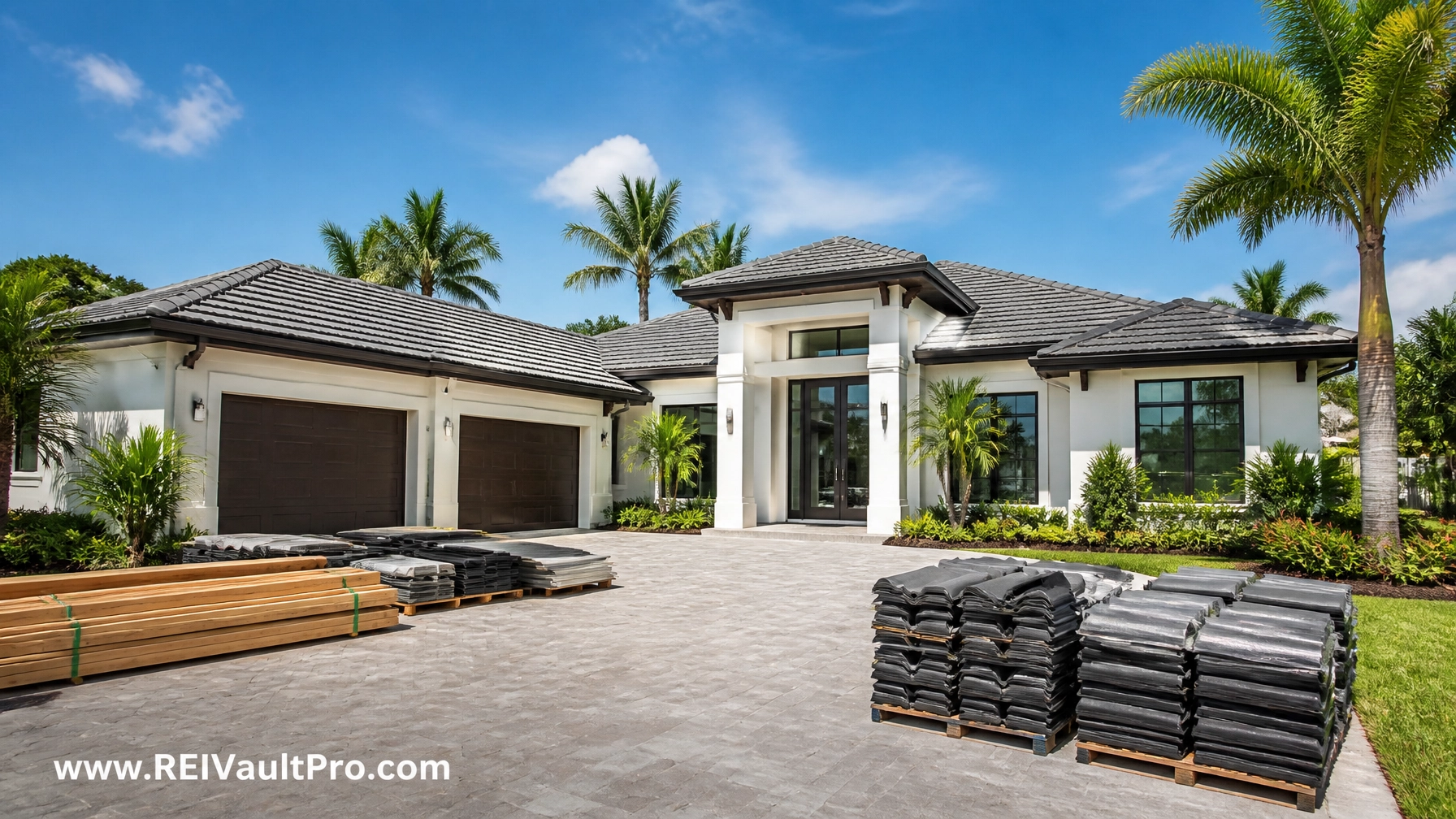
Featured Image Recommendation: A high-quality landscape photo of a modern Florida suburban home under renovation with palm trees and a bright sky, featuring the website URL overlay.
SEO Alt Text: Modern Florida home undergoing renovation for a fix and flip real estate investment project.
Social Media Excerpt: Thinking of flipping houses in Florida? 🌴 Don't let high insurance costs or bad ARV estimates eat your profits. Discover the 7 common mistakes investors make with Florida fix and flip loans and how to fix them for maximum ROI! 🏠💰 #RealEstateInvesting #FloridaRealEstate #FixAndFlip #REIVaultPro
SEO Tags: Florida Fix and Flip, Hard Money Loans Florida, Real Estate Investment Strategies, Rehab Loans, DSCR Loans Florida, BRRRR Strategy, Real Estate Financing, Fix and Flip Mistakes, ROI, Property Renovation
Florida presents a dynamic environment for real estate investors focusing on renovation projects. From the bustling streets of Miami to the growing neighborhoods of Orlando and Jacksonville, the potential for high returns is significant. However, navigating the world of fix and flip loans in the Sunshine State requires more than just a good eye for property; it requires precise financial strategy and an understanding of local market risks.
Many investors find their profit margins shrinking due to preventable errors in financing and project management. Whether you are a seasoned landlord or an aspiring investor, avoiding these seven common pitfalls will help you maintain a healthy bottom line and scale your portfolio effectively.
1. Underestimating Renovation and Labor Costs
Rehab Budgeting: A detailed financial projection of all material and labor expenses required to bring a property to a marketable condition.
Application: Use an itemized list to prevent "scope creep" and ensure your loan covers the full extent of necessary repairs.
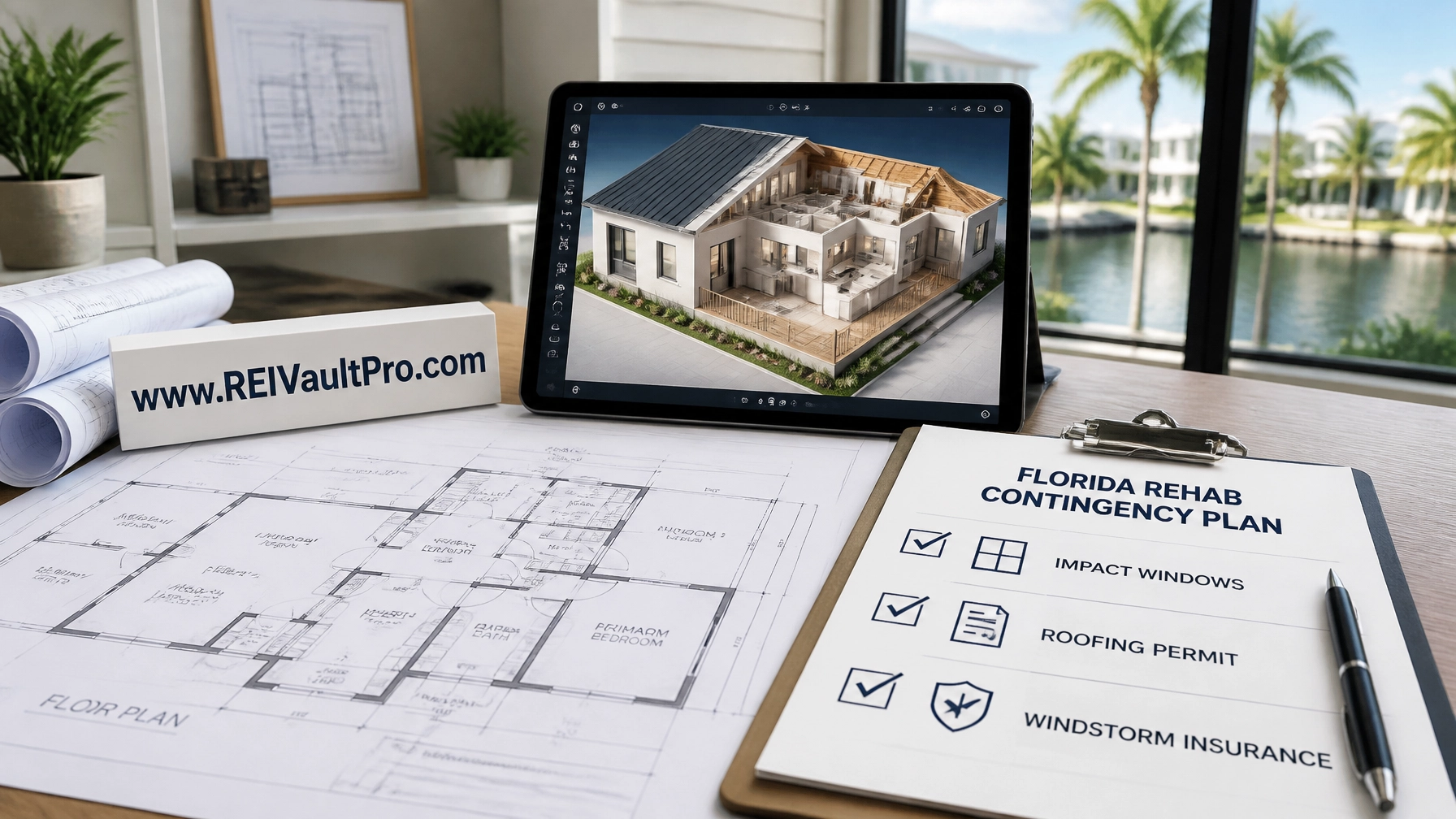
One of the most frequent mistakes is using "ballpark" figures for renovations. In Florida, specific requirements like impact-resistant windows and hurricane-rated roofing can drive costs higher than national averages. If your initial estimate is off by 20%, you may find yourself running out of capital before the project is finished, leading to costly delays or an unfinished property that cannot be sold.
To resolve this, you should leverage tools like the Contractor Bid Comparison Sheet to vet every quote. Always add a 10% to 15% contingency buffer to your rehab budget to account for unexpected structural issues or price fluctuations in materials.
2. Overestimating the After Repair Value (ARV)
ARV (After Repair Value): The estimated market value of a property once all planned renovations and improvements are completed.
Application: Rely on recent closed sales rather than active listings to establish a realistic sale price for your exit strategy.
Optimism is a great trait for an entrepreneur, but it can be a liability during underwriting. Investors often look at the highest possible listing price in a neighborhood and assume their property will achieve the same results. In markets like Tampa or Fort Lauderdale, values can vary significantly from one block to the next.
Relying on outdated or "aspirational" comps leads to over-leveraging. If you borrow based on an inflated ARV, you might find yourself in a position where the final sale price barely covers the loan balance and selling costs. Use the After Repair Value Justification Report to document exactly why your property will command its target price based on local data.
3. Ignoring Florida-Specific Holding Costs
Holding Costs: The recurring expenses an investor pays while owning a property, including taxes, insurance, and utilities, before it is sold or leased.
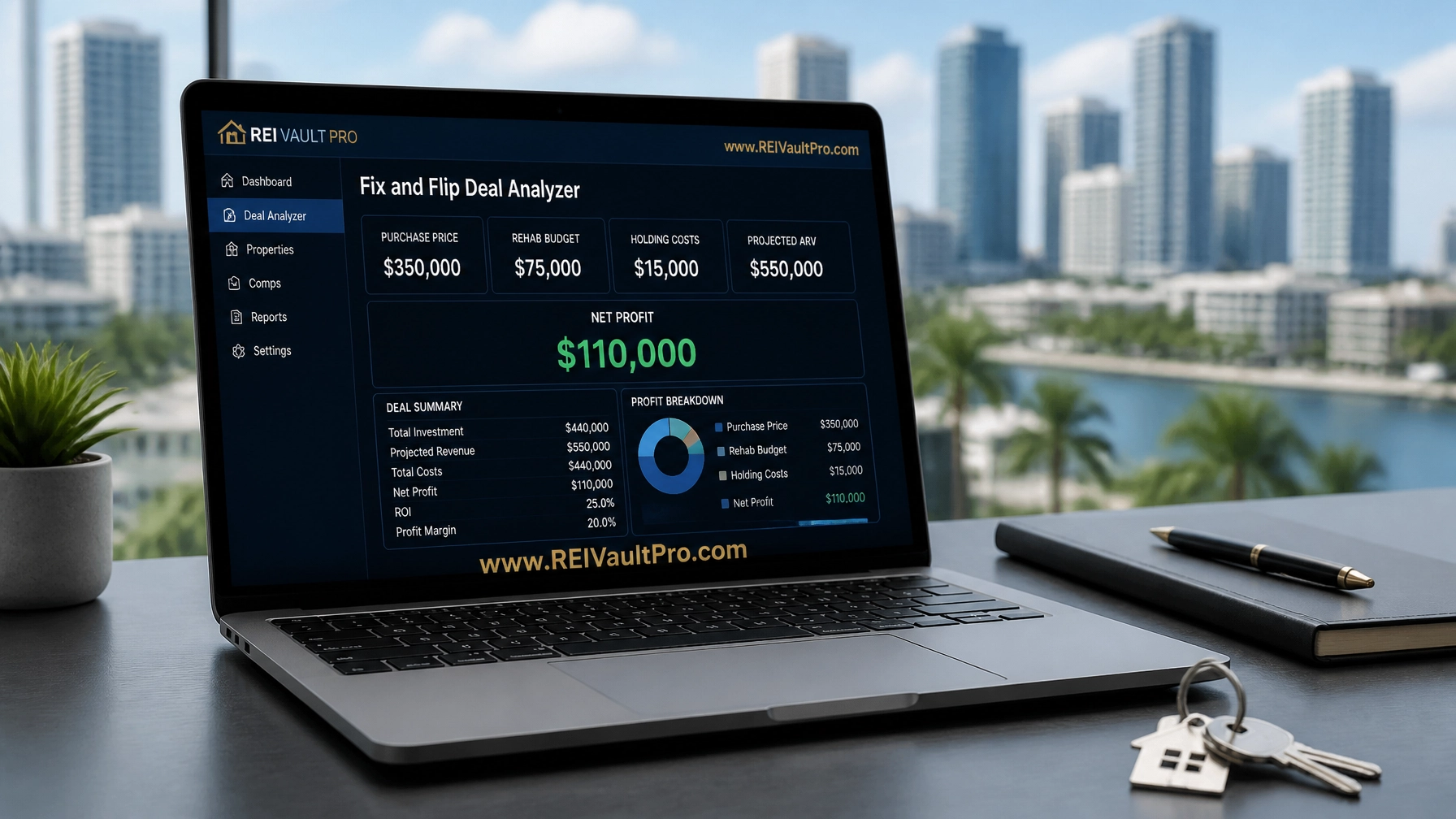
Application: Factor in high Florida property taxes and windstorm insurance to ensure they do not erode your monthly cash flow.
In Florida, holding costs are often higher than in other states. Property taxes can be substantial, and windstorm and flood insurance are non-negotiable for many lenders. Furthermore, if the property is part of a Homeowners Association (HOA), monthly dues and potential special assessments must be included in your calculations.
Failing to account for these "hidden" costs during the months it takes to renovate and market the property can turn a winning deal into a break-even scenario. Before you sign your loan documents, use our comprehensive Calculators to run a full analysis that includes every recurring expense.
4. Choosing the Wrong Loan Structure
Fix and Flip Loan: A short-term financing solution designed for investors to purchase and renovate a property before selling it for a profit.
Application: Compare interest rates, draw schedules, and points to find a loan that aligns with your project timeline.
Not all hard money loans are created equal. Some lenders offer lower interest rates but charge high "draw fees" every time you request funds for renovation progress. Others may have shorter terms that force you into a "bridge loan" or expensive extension if the project takes longer than expected.
Many investors also fail to understand the reimbursement-based nature of most fix and flip loans. You often need to pay your contractors out of pocket first and then request a "draw" from the lender after an inspection. This requires having enough liquid cash on hand to bridge the gap. Always review your Proof of Funds Letter requirements and draw schedules before committing to a lender.
5. Lacking a Secondary Exit Strategy
Exit Strategy: A pre-planned method for an investor to liquidate a position or transition a property into a long-term asset.
Application: If the market cools and the property doesn't sell, be prepared to pivot to a rental strategy.
Relying solely on a quick sale is a risky move. If interest rates rise or the local Florida market slows down, your property might sit on the market longer than anticipated. Without a "Plan B," you may be forced to lower your price significantly to pay off the short-term financing before it matures.
Smart investors always consider the BRRRR (Buy, Rehab, Rent, Refinance, Repeat) strategy. This involves refinancing the short-term fix and flip loan into a long-term DSCR (Debt Service Coverage Ratio) loan. A DSCR loan allows you to qualify based on the property’s rental income rather than your personal income. Use a DSCR Loan Pre-Qualification Worksheet during your initial due diligence to see if the property would work as a rental if it doesn't sell.
6. Over-Renovating for the Neighborhood
Property Positioning: The process of aligning a home's finishes and features with the expectations of the local buyer pool.
Application: Avoid installing luxury marble countertops in a neighborhood where standard quartz is the market ceiling.
It is easy to get carried away with high-end finishes, especially in a competitive market. However, putting "platinum" upgrades into a "silver" neighborhood will not always yield a dollar-for-dollar return on investment. If you over-improve a home beyond what the local comps support, the appraisal will likely come in low, complicating the buyer's mortgage process.
Study the local AI Market Analysis for the specific ZIP code where you are investing. Understand what buyers in that price point prioritize, is it a modern kitchen, a new roof, or impact windows? Tailor your renovation to meet those specific demands without overspending.
7. Mismanaging the Permitting and Inspection Timeline
Permitting Buffer: The extra time allocated in a project schedule to account for municipal approvals and building department inspections.
Application: In Florida, permitting can take weeks or months; build this time into your loan term to avoid extension fees.
Florida building departments are known for their rigorous standards, particularly regarding structural and electrical work. If you plan for a three-month renovation but the permitting process takes six weeks, you are already behind schedule. Short-term loans often have strict maturity dates, and failing to finish on time can result in default or high extension penalties.
Always consult with your contractor about realistic timelines for the specific municipality, whether it is Miami-Dade, Hillsborough, or Duval County. Use a Fix and Flip Exit Strategy Summary to track your milestones and ensure you remain on track to exit the loan before it becomes a financial burden.
Practical Financial Example: Florida Fix and Flip Deal
To illustrate how these numbers function in a real scenario, consider an investor purchasing a distressed single-family home in Orlando.
- Purchase Price: $275,000
- Rehab Budget: $65,000 (including contingency)
- Estimated Holding Costs (6 Months): $12,000 (Taxes, Insurance, Interest)
- Selling Costs (6%): $27,000
- Total Project Cost: $379,000
- Realistic ARV: $450,000
- Projected Net Profit: $71,000
In this scenario, if the investor had underestimated the rehab by $15,000 and the insurance by $3,000, and the property sat on the market for an extra two months ($4,000 interest), the profit would drop to $49,000. While still profitable, the return on equity becomes significantly less attractive. This emphasizes why precise underwriting is the foundation of a successful flip.
Related REI Vault Pro Resources
- AI Market Analysis: Provides deep insights into local Florida submarkets so you can identify the best neighborhoods for investment and avoid over-renovating.
- Deal Analyzer Suite: A comprehensive set of tools to calculate your ROI, holding costs, and total project expenses with professional accuracy.
- Contractor Bid Comparison Sheet: Helps you organize and compare multiple quotes from contractors to ensure your rehab budget stays on track.
- After Repair Value Justification Report: A professional template to document your ARV comps, making it easier to secure financing from hard money lenders.
- DSCR Loan Pre-Qualification Worksheet: Use this to evaluate your backup exit strategy and see if the property qualifies for long-term rental financing.
By focusing on accurate data and preparing for the unique challenges of the Florida market, you can transform fix and flip projects into a reliable engine for wealth creation. Avoid these common mistakes by utilizing professional tools and maintaining a disciplined approach to every deal.
Jump in and verify your next deal with confidence. Watch a Demo today.
FAQ Section
What is the typical down payment for a Florida fix and flip loan?
Most specialized fix and flip lenders require a down payment of 10% to 25% of the purchase price. Experienced investors with a proven track record may qualify for higher leverage, sometimes covering 90% of the purchase and 100% of the rehab costs.
Can I use a fix and flip loan for a condo in Florida?
Yes, but lenders will scrutinize the HOA’s financial health and any existing rental restrictions. If the HOA has low reserves or pending litigation, it may be more difficult to secure financing or find a buyer during the exit phase.
Do I need a high credit score to get a hard money loan?
Hard money lenders focus primarily on the value of the property and the strength of the deal. While they may check your credit score (often looking for 620 or higher), they are generally more flexible than traditional banks, making these loans accessible to self-employed individuals and those with diverse financial profiles.
How long does it usually take to close on a fix and flip loan?
One of the primary benefits of hard money and bridge loans is the speed of execution. Many investors in Florida can close a deal in 7 to 14 days, which is critical when competing for distressed properties against cash buyers.
What happens if I can't sell the property before the loan term ends?
If the property hasn't sold, you may be able to negotiate an extension with your lender for a fee. Alternatively, many investors refinance the short-term debt into a long-term DSCR or rental loan, allowing them to hold the property as an income-producing asset.