7 Mistakes You’re Making with Atlanta DSCR Loan Lenders (and How to Fix Them)

SEO Title: 7 Mistakes with Atlanta DSCR Loan Lenders & How to Avoid Them
Meta Description: Avoid common pitfalls when working with Atlanta DSCR loan lenders. Learn about Georgia tax assessments, STR rules, and how to qualify for financing today.
URL Slug: atlanta-dscr-loan-lenders-mistakes
Featured Image Recommendation: A professional landscape photograph of a luxury single-family rental property in a modern Atlanta neighborhood like Buckhead, with the city skyline visible in the background and the brand URL www.REIVaultPro.com clearly visible.
SEO Alt Text: Luxury Atlanta rental property with city skyline background for DSCR loan guide.
Social Media Excerpt: Thinking about a DSCR loan for your next Atlanta investment? 🏙️ Don't let these 7 common mistakes derail your financing. From Georgia tax traps to STR rules, here is how to get your deal across the finish line. #AtlantaRealEstate #DSCRLoans #REIVaultPro
SEO Tags: Atlanta DSCR Loans, Real Estate Investing Atlanta, Georgia DSCR Lenders, Rental Property Financing, STR Financing Atlanta, DSCR Calculation
Atlanta remains one of the most vibrant hubs for real estate investors in the Southeast. Whether you are targeting long-term rentals in West End or high-end flips in Buckhead, the financing strategy you choose can determine the success of your portfolio. One of the most popular tools for scaling is the DSCR loan, which allows you to qualify based on the property’s income rather than your personal tax returns.
However, many investors encounter unexpected hurdles when working with Atlanta DSCR loan lenders. Local regulations, specific Georgia tax laws, and market nuances can turn a "sure thing" into a denied application if you are not prepared.
Explore the most frequent errors investors make and access the practical steps to fix them before you submit your next application.
1. Underestimating the Georgia Property Tax Assessment
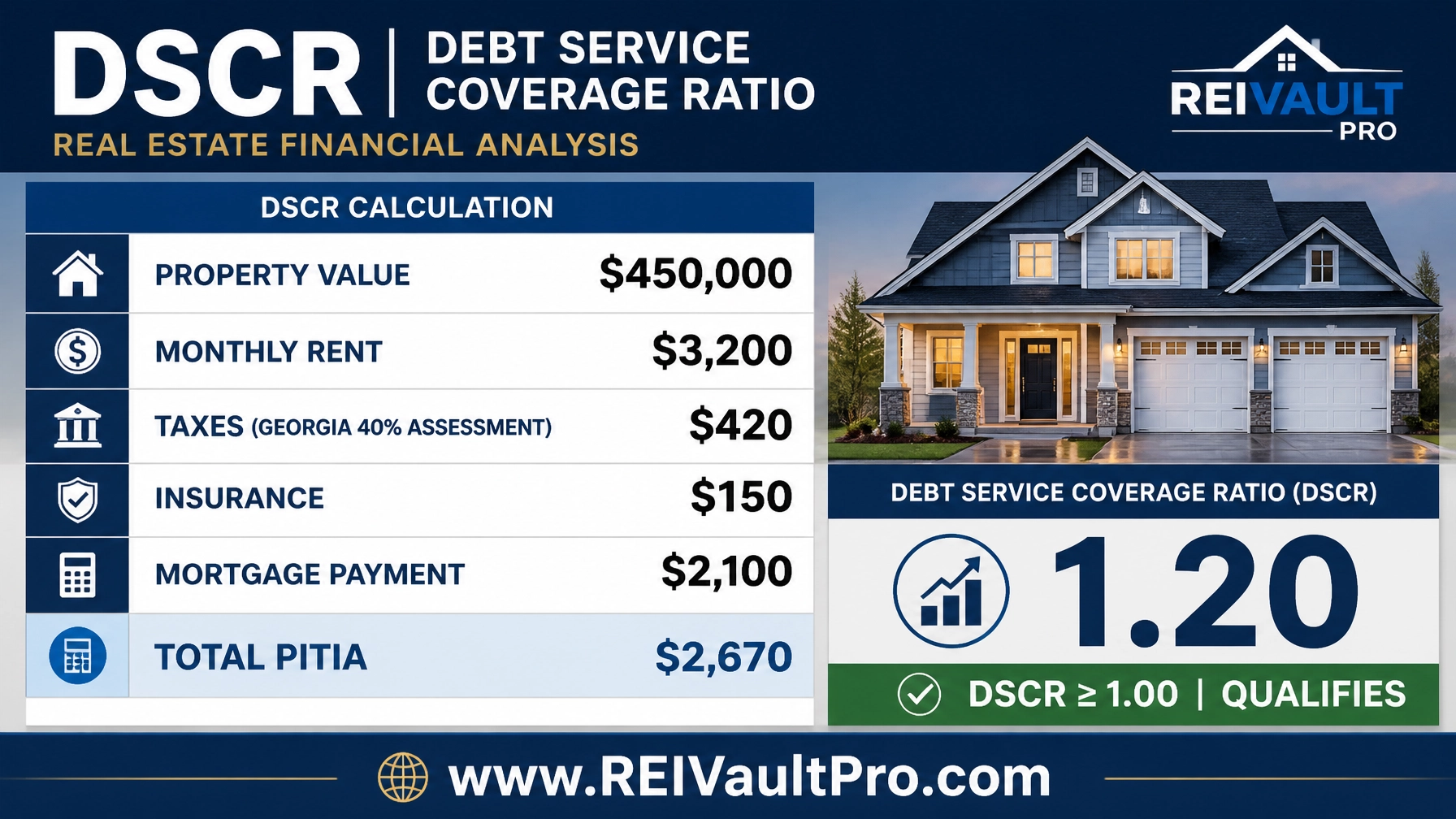
A significant error involves how investors calculate their projected property taxes. In Georgia, property is assessed at 40% of its fair market value. Many out-of-state investors or new locals simply use a flat percentage of the purchase price or look at the seller's current tax bill without realizing that a sale often triggers a reassessment.
If your DSCR lender uses a conservative tax estimate that is higher than your projection, your debt service coverage ratio will drop. This can result in a lower loan amount or a flat denial. Always use a DSCR loan pre-qualification worksheet to input realistic, reassessed tax numbers.
2. Using "Pro Forma" STR Income in Prohibited Zones
The Atlanta short-term rental (STR) market is highly regulated. Currently, the City of Atlanta requires an STR to be the owner’s primary residence. Many investors attempt to secure a DSCR loan for a non-owner-occupied investment property while using projected Airbnb or VRBO income to qualify.
Most Atlanta DSCR loan lenders will verify local zoning and STR ordinances. If the property is located within city limits and you cannot provide a primary residence exemption, the lender will likely underwrite the loan based on lower, long-term market rents. This can instantly kill the deal if the long-term rent does not cover the mortgage.
The Fix: Use an AI market analysis tool to compare both STR and long-term rental (LTR) data. Always ensure your deal "pencils out" as a long-term rental as a backup plan.
3. Ignoring the Georgia HB 399 Management Rule
For remote investors looking at the Atlanta market, Georgia has specific requirements regarding property management. Under certain interpretations of HB 399, lenders may require a Georgia-licensed property manager to be identified before closing, especially for out-of-state borrowers.
Failing to have a management agreement or a professional rent roll template ready can delay your closing. Lenders view professional management as a risk-mitigation factor. If you plan to self-manage from three states away, expect the lender to apply a higher "vacancy and maintenance" haircut to your income, which lowers your DSCR.
4. Failing to Stress-Test the DSCR Ratio
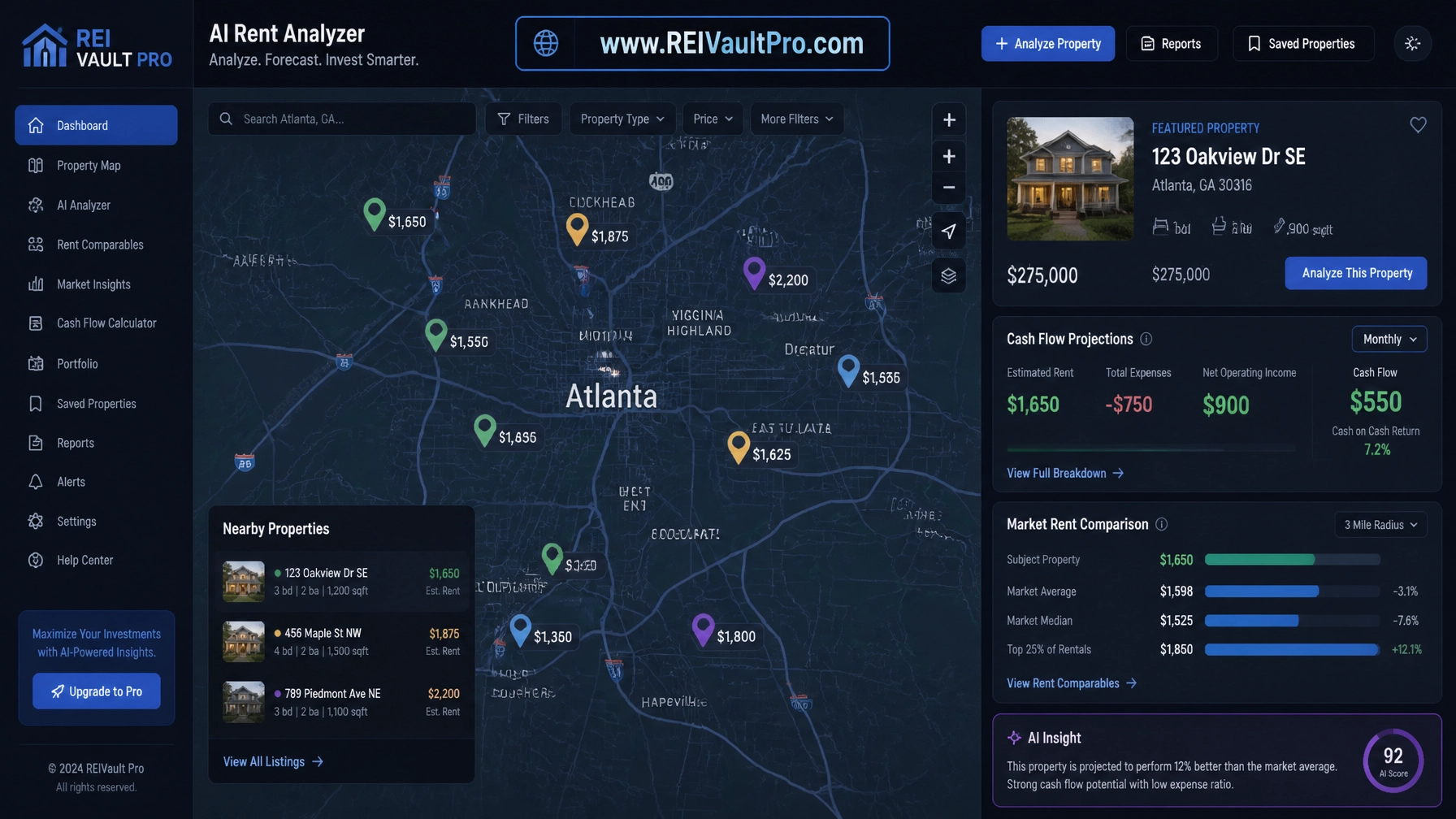
DSCR stands for Debt Service Coverage Ratio. It is calculated by dividing the Gross Monthly Rent by the PITIA (Principal, Interest, Taxes, Insurance, and HOA dues).
- Formula: Gross Rent / PITIA = DSCR
- Application: If your rent is $3,000 and your total payment is $2,400, your DSCR is 1.25.
Many investors assume that a 1.0 ratio (where rent equals the payment) is enough to qualify. While some lenders allow a 1.0 or even a "no-ratio" loan, these often come with higher interest rates and lower leverage (LTV). Most competitive programs prefer a 1.20 or 1.25 DSCR.
Jump in and use professional real estate calculators to stress-test your numbers. If your ratio is tight, consider a larger down payment or a rate buy-down to improve the coverage.
5. Overlooking Condo Questionnaire Red Flags
If you are buying a condo in Midtown or Atlantic Station, the property itself must qualify. Investors often forget to request the condo questionnaire early in the process. DSCR lenders look for:
- High percentage of unit owners who are delinquent on HOA dues.
- Single entities owning more than 10-20% of the total units.
- Inadequate insurance coverage or litigation against the HOA.
If the building is "non-warrantable," many traditional lenders will walk away. However, specialty DSCR lenders can handle these, provided you identify the issue early. Access a title review and red flag checklist to spot these hurdles before paying for an appraisal.

6. Misaligning Prepayment Penalties with Your Exit Strategy
DSCR loans almost always come with a prepayment penalty. This is common in the investor world but can catch those used to traditional residential loans off guard. A typical structure is a "3-2-1" penalty, meaning you pay 3% if you refinance or sell in year one, 2% in year two, and 1% in year three.
If your strategy is a BRRRR (Buy, Rehab, Rent, Refinance, Repeat) and you plan to cash out or sell within 12 months, a 5-year prepayment penalty will destroy your profit margins. Compare loan terms carefully and ensure your lender package reflects your intended holding period.
7. Relying on "Peak Month" Revenue for North Georgia Rentals
Investors targeting the North Georgia mountains or popular Atlanta suburbs often make the mistake of showing lenders their "best" month of income. If a Blue Ridge cabin makes $10,000 in October but only $2,000 in January, the lender will not qualify you based on the $10,000.
Lenders typically use a Trailing 12-Month (T12) average or a conservative market rent estimate from an appraiser (Form 1007). To fix this, provide a clear proof of funds letter and documented income history to show the property's annual stability.
Related REI Vault Pro Resources
- DSCR Loan Pre-Qualification Worksheet: This tool allows you to input your property’s specific income and expense data to see exactly how an Atlanta lender will view your ratio. It helps you avoid surprises during underwriting.
- AI Market Analysis: Access real-time rental data for the Atlanta metro area. This tool provides both long-term and short-term rental comparisons to help you choose the best financing strategy for your property location.
- Deal Analyzer Suite: A comprehensive set of calculators that help you compare DSCR loan terms against other options like fix-and-flip or bridge financing, ensuring you choose the most profitable structure.
- Lender Package Template: Organize your documents, property photos, and rent rolls into a professional presentation that builds immediate trust with DSCR lenders and speeds up the approval process.
Success in the Atlanta market requires more than just finding a good property; it requires mastering the financing that powers the deal. By avoiding these common tax, zoning, and calculation errors, you position yourself as a sophisticated investor that lenders want to fund.
Jump in and secure your next deal with confidence.
Start a Free Trial | Watch a Demo
FAQ Section
What is the minimum credit score for an Atlanta DSCR loan?
Most lenders prefer a credit score of at least 620, though the most competitive rates and higher leverage (LTV) typically require a score of 700 or above.
Can I use a DSCR loan for a multi-unit property in Atlanta?
Yes, DSCR loans are available for 1-4 unit residential properties and even 5+ unit commercial multifamily properties. The lender will evaluate the combined rental income of all units against the total debt service.
Do I need to show my tax returns for a DSCR loan?
No. One of the primary benefits of a DSCR loan is that it does not require personal income verification or tax returns. The loan is underwritten based on the property's ability to generate cash flow.
Is a down payment required for DSCR loans?
Yes. Investors typically need a down payment of 15% to 25%. The exact amount depends on your credit score, the property type, and the DSCR ratio.
Are DSCR loans available for first-time investors?
Many programs are open to first-time investors, though some lenders may limit the maximum loan-to-value (LTV) ratio for those without a track record of owning rental real estate.