7 Mistakes You’re Making When Scaling Your Wholesale Business in Atlanta (and How to Fix Them)

Scaling a real estate wholesale business in a market as competitive as Atlanta requires more than just grit. By 2026, the Georgia landscape has shifted. If you are still operating like it is 2020, you are likely hitting a ceiling.
As a mortgage strategist, I see the backend of these deals every day. I watch wholesalers transition into being full-scale investors, and I see where the wheels fall off. Whether you are working the streets of Atlanta or looking at markets in Florida and California, the principles of scaling remain the same.
Scaling is about moving from a "job" to a "business." If you are still the one pulling every list and sending every text, you aren't scaling; you are just working harder. Here are the seven most common mistakes I see wholesalers making in Atlanta and the steps you can take to fix them right now.
1. Operating Without a Proven CRM and Automation
Many wholesalers start with a basic spreadsheet. This works when you have five leads. It fails when you have five hundred. In the Atlanta market, speed is the only currency that counts. If you aren't the first to follow up, you lose the deal.
CRM (Customer Relationship Management)
A software platform designed to manage all company relationships and interactions with potential leads and current clients.
Benefit: Centralizes data so no lead is ever forgotten or ignored.
Automation
The use of technology to perform repetitive tasks without human intervention, such as follow-up emails or text sequences.
Benefit: Frees up your time to focus on closing while the software handles the "grunt work."
If you are manually reminding yourself to call back a seller in two weeks, you are wasting mental energy. Use tools like Podio or REISift to build a predictable engine.

2. Ignoring Your Cash Buyers' Financing Realities
A common mistake in Atlanta wholesaling is focusing only on the "buy" side. You find a great deal, but you can't move it because you don't understand what your buyers are looking for in today's economy.
Your cash buyers are often using DSCR Investor Loans or Bridge Loans to fund their projects. If you don't understand these terms, you can't speak their language.
DSCR (Debt Service Coverage Ratio)
A metric used by lenders to measure a property's ability to cover its own debt based on rental income rather than the borrower’s personal income.
Benefit: Allows investors to scale portfolios without being limited by personal DTI (Debt-to-Income) ratios.
Explore how these loans work at Home Loans Network so you can better vet your properties. If a property doesn't "pencil out" for a DSCR loan, your buyer pool shrinks significantly.
3. Poor Data Quality and Marketing Fatigue
Atlanta is a "loud" market. Homeowners in high-demand areas like West End or Old Fourth Ward get dozens of mailers and texts every month. If you are using the same "tired" lists as everyone else, your response rates will plummet.
Skip Tracing
The process of locating a property owner's contact information using public and private databases.
Benefit: Higher quality skip tracing leads to more direct conversations with decision-makers.
To fix this, you must niche down. Instead of pulling a general "High Equity" list, look for specific pain points. Search for foreclosure filings or tax liens. In California and Florida, where competition is even higher, data accuracy is the difference between a $20k assignment fee and a wasted marketing budget.
4. Failing to Understand the "Wholetail" Exit Strategy
Scaling doesn't always mean doing more deals; sometimes it means making more money on the deals you already have. Many Atlanta wholesalers leave money on the table by only looking for a quick assignment.
Wholetailing
Purchasing a distressed property, doing very minor "lipstick" repairs (or none at all), and listing it on the MLS to reach a wider audience of buyers.
Benefit: Captures the spread between a wholesale price and a retail price with minimal renovation risk.
To do this, you need access to quick capital. This is where a Fix and Flip Loan or a Bridge Loan comes in. By closing on the property yourself, you gain control.
Bridge Loan
A short-term financing option used to "bridge" the gap between the purchase of a property and its eventual sale or long-term refinance.
Benefit: Provides the liquidity needed to take title and maximize profit margins.
Check our mortgage calculators to see how the interest costs of a bridge loan compare to your projected assignment fee. Often, the "wholetail" profit is double the assignment fee.
5. Not Building a Real Team (The Solopreneur Trap)
You cannot scale to a seven-figure wholesale business in Atlanta by yourself. You will burn out. The most successful wholesalers I work with have a clear division of labor:
- Acquisitions: The "hunters" who talk to sellers and lock up contracts.
- Dispositions: The "sellers" who build the buyer list and move the contracts.
- Lead Managers: The "gatekeepers" who vet incoming calls so acquisitions only talks to motivated people.
Jump in and start documenting your processes today. Create a playbook for how a lead moves from "New" to "Under Contract." If it's all in your head, you don't have a business: you have a stressful hobby.

6. Ignoring the Importance of a Strong Buyers List
In a shifting market, a "stale" buyers list is a liability. The investors who were buying everything in 2023 might be sitting on the sidelines in 2026. You need to constantly refresh your list.
Connect with investors who are actively using Landlord Loans to build long-term wealth. These are the buyers who are less sensitive to temporary market fluctuations because they are looking at 10-year or 20-year horizons.
Landlord Loans
Financing specifically designed for owners of residential rental properties, often focusing on the cash flow of the asset.
Benefit: Provides stable, long-term debt for "Buy and Hold" strategies.
Access more information on how your buyers qualify for these programs at Home Loans Network Mortgage Basics. Being able to tell a buyer, "This property qualifies for a 1.25 DSCR loan," makes your deal ten times more attractive.
7. Neglecting the Numbers: A Financial Breakdown
Scaling requires a deep understanding of your margins. Let's look at a real-world Atlanta investment property scenario.
The Scenario: West End, Atlanta Distressed Single Family
| Item | Value |
|---|---|
| After Repair Value (ARV) | $400,000 |
| Estimated Rehab Costs | $80,000 |
| Investor's Desired Profit (20%) | $80,000 |
| Maximum Allowable Offer (MAO) | $240,000 |
| Your Contract Price with Seller | $210,000 |
| Potential Wholesale Fee | $30,000 |
If you try to wholesale this for $260,000, it won't move. Why? Because the investor's math doesn't work. To fix this, you must be transparent with your numbers.
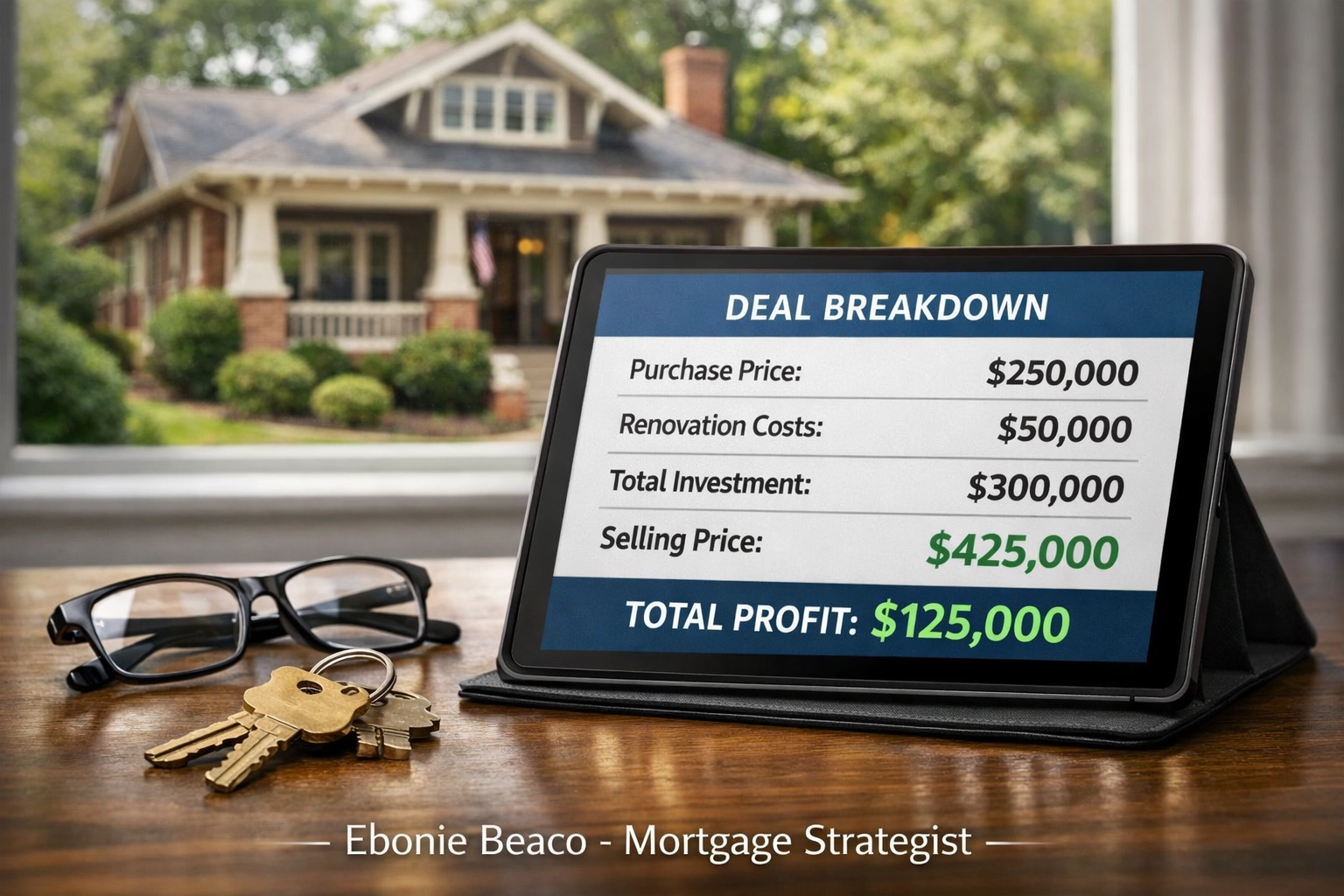
Many wholesalers in high-priced markets like California or Florida make the mistake of overestimating ARV. Always use conservative comps. If you help your buyer succeed, they will buy every deal you bring them.
Scaling Beyond Atlanta: Florida and California
Once you have mastered the Atlanta market, you might look to scale geographically. The "virtual wholesaling" model is popular, but it brings new challenges.
In Florida, you have to account for higher insurance costs and property taxes, which affect a buyer's Closing Costs. In California, the entry price is much higher, meaning your Credit and your buyers' ability to secure high-leverage financing are critical.
Compare options for different states and understand the local nuances before you start spending marketing dollars in a new zip code.
How to Move Forward Confidently
Scaling your wholesale business is a journey from being a deal-finder to being a market leader. It requires better systems, better data, and a better understanding of how real estate finance works.
Stop guessing what your buyers want. Start providing them with deals that are pre-vetted for the financing they actually use. When you combine local Atlanta market knowledge with a sophisticated understanding of home purchase strategies, you become an unstoppable force in the industry.
Are you ready to level up your deal-flow and understand the financing that drives the Atlanta market?
Schedule a 1 on 1 at https://calendly.com/homeloansnetwork
Ebonie Beaco
Mortgage Strategist | Senior Loan Officer
Home Loans Network powered by Loan Factory Inc.
NMLS #2389954
HomeLoansNetwork.com
312-392-0664