7 Mistakes You’re Making When Finding Off-Market Properties (and How to Fix Them)

Finding a property that isn't listed on the Multiple Listing Service (MLS) is the holy grail for real estate wholesalers and investors. In competitive markets like Atlanta, the coastal hubs of California, and the booming neighborhoods of Florida, off-market deals represent the best way to secure equity and ensure a profitable exit strategy.
Real estate wholesaling relies on your ability to find distressed sellers or property owners who prefer a private sale. However, many people entering the wholesaling space struggle to find consistent leads because they fall into predictable traps. If your pipeline is dry or your offers are getting rejected, you are likely making one of these seven common mistakes.
1. Relying Too Heavily on the MLS
The biggest mistake new wholesalers make is spending all their time scrolling through public listings. While you can occasionally find a "hidden gem" on the MLS, those properties are exposed to thousands of buyers. This drives prices up and shrinks your assignment fee.
The Fix: Diversify Your Lead Generation
Explore "Driving for Dollars." This involves physically moving through neighborhoods in cities like Atlanta or Miami to find houses with boarded-up windows, overgrown lawns, or piles of mail. These are physical indicators of a motivated seller. Combine this with digital tools to find owners who are behind on taxes or facing foreclosure.
2. Poor Data Management and Weak Lists
In Florida real estate investing, the competition is fierce. If you are pulling the same "High Equity" list as every other wholesaler in Tampa or Orlando, your direct mail or cold calls will get lost in the noise. Using generic, outdated data leads to low conversion rates and wasted marketing dollars.
The Fix: Use Sniper Targeting
Instead of broad lists, focus on niche categories. Look for probate properties, pre-foreclosures, or water shut-off lists. These lists indicate a high level of urgency.
Probate: Properties transitioning to heirs who may not want the responsibility of a house.
Pre-Foreclosure: Owners who are late on payments and need a quick exit to save their credit.
Non-Owner Occupied: Landlords who are tired of managing tenants and want to cash out.

3. Miscalculating the After Repair Value (ARV)
If your math is wrong, the deal is dead. Wholesalers often overestimate what a house will be worth after it is fixed up because they want the deal to look better to cash buyers. If an investor realizes your ARV is inflated, they will never buy from you again. In high-stakes markets like Southern California, a 5% error in ARV can represent fifty thousand dollars or more.
The Fix: Master Comparative Market Analysis (CMA)
Look at "sold" comparables from the last six months within a half-mile radius of the subject property. Ensure the "comps" match the property in square footage, year built, and lot size.
Wholesale Deal Example:
- Target ARV: $400,000
- Repairs Needed: $60,000
- Wholesale Fee: $20,000
- Maximum Allowable Offer (MAO): $200,000 (Based on the 70% rule minus repairs and fee)

4. Failing to Build a "Boots on the Ground" Network
You cannot find every deal from behind a computer screen. Many wholesalers in Georgia or California fail because they do not have relationships with the people who see distressed properties first.
The Fix: Network with Industry Pros
Build relationships with mail carriers, code enforcement officers, and process servers. These individuals are in the neighborhoods every day. Additionally, connect with local probate attorneys. They often represent clients who need to sell a property quickly to settle an estate.
Providing a small referral fee (where legal) or simply being a reliable buyer for their clients can create a steady stream of off-market leads that never hit the public market. You can also check out our About Us page to see how we support real estate professionals in these markets.
5. Neglecting the Legal and Title Side of the Deal
Finding the deal is only half the battle. If you secure a contract but fail to account for title issues, the deal will collapse at the closing table. Many wholesalers ignore the importance of a clear title search, only to find out there are IRS liens or unpaid child support judgments attached to the property.
The Fix: Use Assignment Contracts Correctly
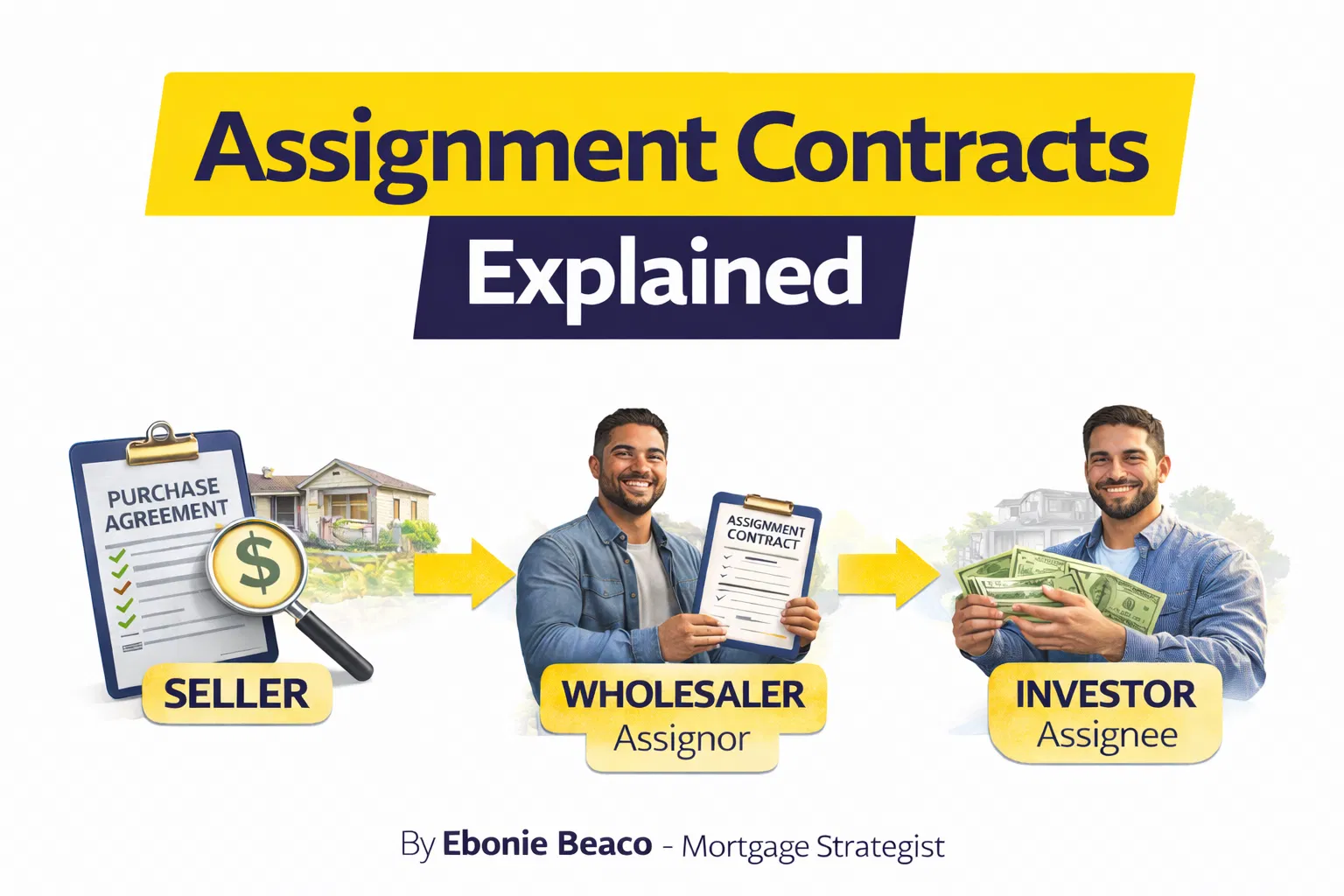
Ensure your purchase agreement includes an "and/or assigns" clause. This allows you to transfer your rights in the contract to a cash buyer. Work with investor-friendly title companies in your specific state, laws in California differ significantly from Florida regarding how assignments are handled.
6. Lack of a Consistent Follow-Up System
Most off-market deals are not closed on the first contact. Many wholesalers quit after the first "no." If a seller in Atlanta says they aren't ready to sell today, they might change their mind in three months when their situation changes.
The Fix: Implement a CRM
Use a Customer Relationship Management (CRM) tool to automate your follow-ups. A simple text or a "just checking in" phone call every 30 days keeps you top of mind. Most successful wholesalers report that 80% of their deals come from the fifth to twelfth contact. Consistent follow-up shows the seller you are a professional and a serious buyer.
7. Thinking You Don't Need to Understand Financing
As a wholesaler, you aren't usually the one taking out the loan. However, if you don't understand how your cash buyers fund their deals, you won't know if your deal is actually "buyable." If you bring a deal to an investor that doesn't meet DSCR (Debt Service Coverage Ratio) requirements for a rental, or is too far gone for a standard Fix and Flip loan, you are wasting everyone's time.
The Fix: Learn Investor Loan Programs
Educate yourself on the programs your buyers use. This includes Bridge Loans, Hard Money, and DSCR Investor Loans. When you can explain to a buyer exactly how they can finance the deal you found, you become a consultant, not just a middleman.
For example, if you find a duplex in Florida, knowing the rental market rates allows you to calculate if the property will "pencil out" for a DSCR loan. You can explore different Loan Programs to better understand what your end-buyers are looking for.
How to Scale Your Off-Market Search
Finding off-market properties is a marathon, not a sprint. Whether you are targeting the suburbs of Chicago or the high-demand neighborhoods of Virginia, success comes down to systems.
Stop looking for the "perfect" deal and start looking for motivated people. Real estate is a people business that happens to involve houses. When you solve a problem for a seller: whether that is a quick closing, helping them move, or buying a house in as-is condition: the profit follows.
If you are a wholesaler looking to transition into being a buy-and-hold investor, or if you are a cash buyer looking for the best way to fund your next off-market acquisition, we can help you navigate the financing landscape. Understanding your Mortgage Basics is the first step toward long-term wealth in real estate.
Explore Your Funding Options
If you have a deal on the table and need to understand the best way to finance it: or if you want to see how much equity you can pull from an existing property to fund your next wholesale marketing campaign: let's talk.
Schedule a 1 on 1 at https://calendly.com/homeloansnetwork
Ebonie Beaco
Mortgage Strategist | Senior Loan Officer
Home Loans Network powered by Loan Factory Inc.
NMLS #2389954
HomeLoansNetwork.com
312-392-0664