5 Steps How to Manage Wholesale Logistics and Secure Your Assignment Fee (Easy Guide)
Wholesaling real estate is one of the fastest ways to enter the property market without needing a massive down payment or a high credit score.
It serves as a bridge between motivated sellers and cash buyers looking for their next project.
To succeed, you must master the logistics of moving a deal from a signed contract to a successful closing.
Whether you are working the competitive markets in Atlanta, navigating the high-stakes environment of California, or tapping into the high-volume regions of Florida, the process remains consistent.
This guide explores how to handle the moving parts of a wholesale deal while protecting your profit.
Understanding the Foundation of Wholesaling
Before jumping into the steps, you need to understand the basic mechanics of the trade.
Wholesaling: The practice of sourcing a distressed property, placing it under contract, and then assigning that contract to an end buyer for a fee. Practical application: This allows you to generate liquidity without actually taking title to the property in most cases.
Assignment Fee: The profit a wholesaler earns for connecting a seller with an end buyer. Practical application: This fee is usually paid out at the closing table by the title company or attorney.
Explore our Mortgage Basics to see how these deals fit into the broader real estate finance landscape.
Step 1: Securing the Purchase Agreement and Wholesale Contract
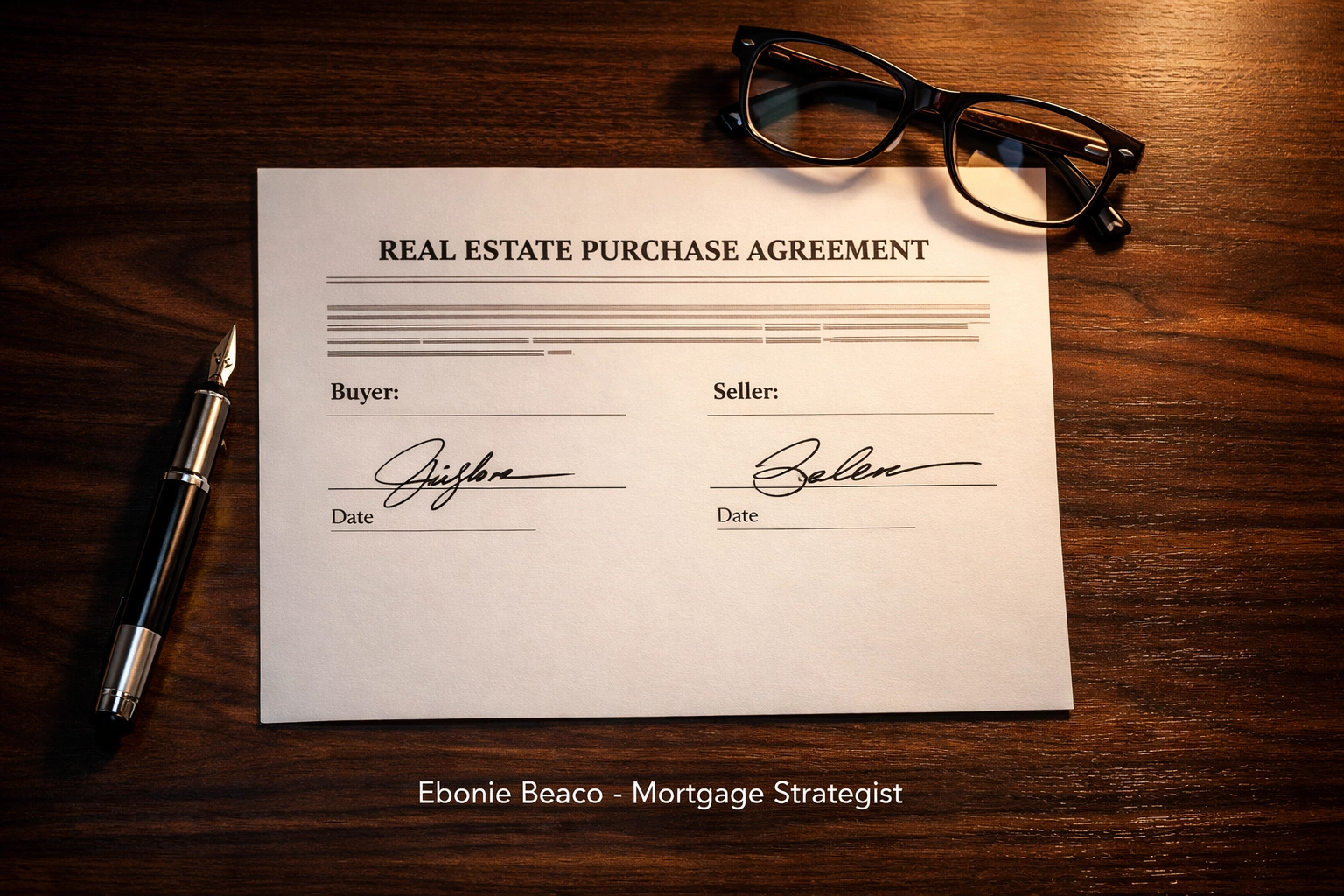
The first logistical hurdle is getting the property under a contract that allows for an assignment.
You need to use real estate wholesale contracts that explicitly state the buyer is "Your Name and/or Assigns."
This phrase is what gives you the legal right to pass the deal to someone else.
In California, contracts can be dense, so ensuring your language is clear is vital for transparency.
In Florida and Atlanta, the pace is fast, and having a pre-drafted template helps you move quickly when a seller says yes.
Assignment of Contract: A legal document that transfers the rights and obligations of a purchase agreement from the wholesaler to an end buyer. Practical application: This is the specific form you will use to "sell" the deal to your cash buyer.
Step 2: Managing Property Access and Due Diligence
Once you have the contract, the logistics of showing the property begin.
You often do not own the home yet, so you must coordinate with the seller to allow potential buyers or contractors inside.
Be transparent with the seller by explaining that you work with a network of partners and investors.
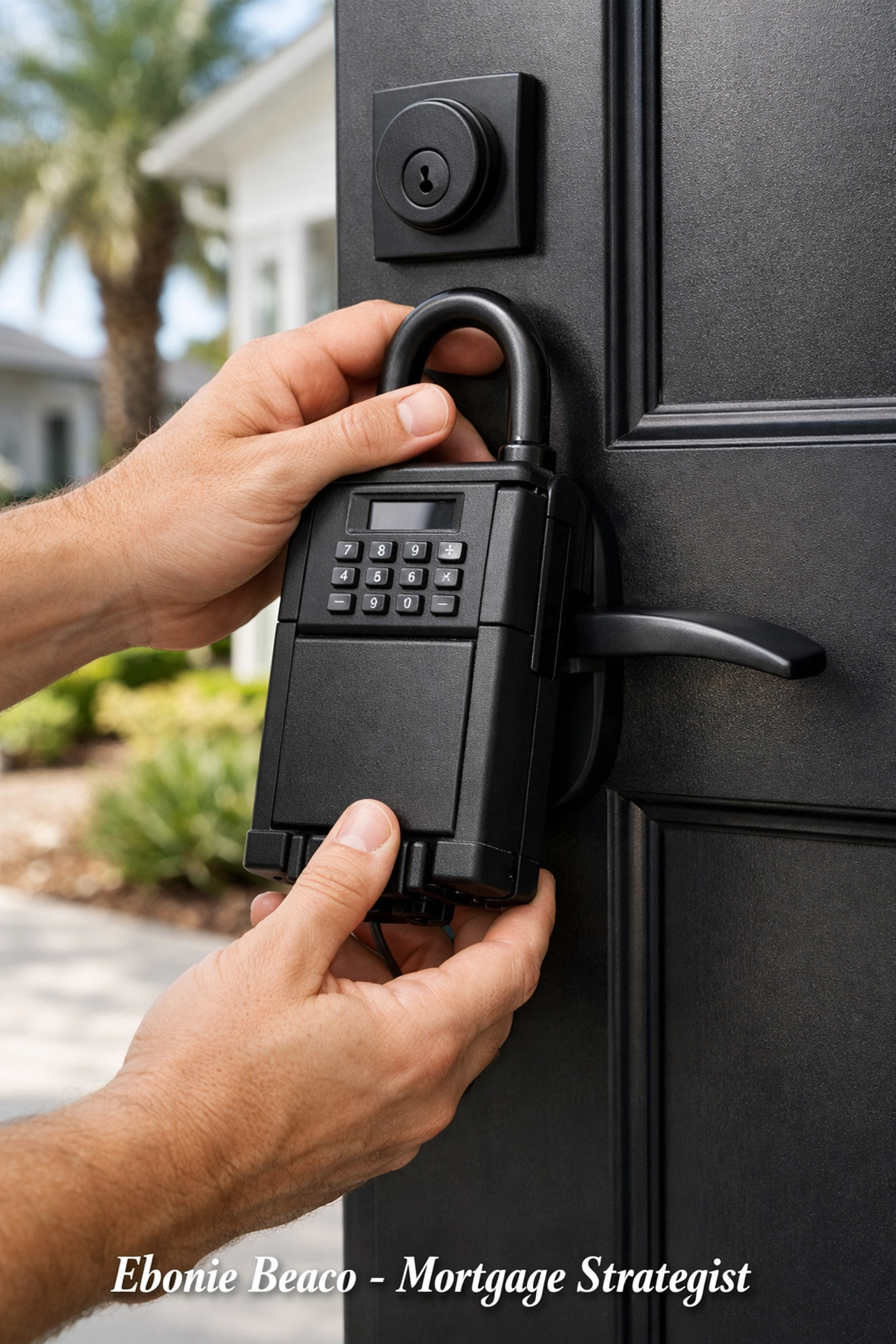
In Atlanta, many investors want to see the "bones" of the house, so having a reliable lockbox strategy is essential.
If you are dealing with a tenant-occupied property in California, you must strictly follow notice-to-enter laws to avoid legal friction.
During this stage, you are also verifying the repair estimates and the After Repair Value (ARV).
Investors often use Hard Money Loans or Fix and Flip Loans to purchase these deals, so they will be looking for accurate numbers to justify their financing.
Jump in and learn more about the Loan Process to understand what your end buyers are looking for in a deal.
Step 3: Finding and Vetting the Cash Buyer
Your logistics are only as good as your buyers list.
You want to find investors who can close quickly without the need for traditional bank financing that might take 45 days.
Focus on landlords looking for DSCR Investor Loans or flippers who have bridge financing ready to go.
DSCR (Debt Service Coverage Ratio): A metric used by lenders to qualify a property based on its ability to cover mortgage payments through rental income. Practical application: Investors use DSCR loans to scale portfolios quickly because they focus on the property’s cash flow rather than the borrower’s personal income.
When you find a buyer, require a non-refundable Earnest Money Deposit (EMD).
This ensures the buyer is serious and compensates you if they back out at the last minute.
Step 4: Coordinating with the Title Company or Closing Attorney
This is where the logistics get technical.
In Georgia, you will work with a closing attorney, while in California and Florida, you will likely deal with a title company and escrow officer.
You must send both the original Purchase Agreement and the signed Assignment of Contract to the closing agent.
They need to see the "paper trail" to ensure the assignment fee is calculated correctly on the settlement statement.
If you are worried about the buyer or seller seeing exactly how much you are making, you might choose a Double Closing.
Double Closing: A transaction where the wholesaler purchases the property and immediately sells it to an end buyer in two separate, back-to-back closings. Practical application: This keeps your profit private but usually requires you to have "transactional funding" to cover the first purchase for a few hours.
Deal Breakdown Example: Assignment vs. Double Closing
To understand the financial logistics, let's look at a typical scenario in a market like Orlando or Riverside.
| Item | Assignment Deal | Double Closing |
|---|---|---|
| Purchase Price from Seller | $200,000 | $200,000 |
| Wholesale Assignment Fee | $15,000 | $0 (included in spread) |
| Sales Price to End Buyer | $215,000 | $215,000 |
| Transactional Funding Cost | $0 | $2,500 |
| Closing Costs (Estimated) | $500 | $4,000 |
| Net Profit to Wholesaler | $14,500 | $8,500 |
As the table shows, an assignment is often more profitable because you avoid a second set of closing costs.
However, a double closing offers more privacy if your fee is exceptionally high and you don't want to cause friction at the table.
Step 5: Securing the Fee and Moving to the Next Deal
The final logistical step is the actual payout.
Once the end buyer wires the funds and the seller signs their documents, the title company or attorney will cut you a check or wire your assignment fee.
Transparency with all parties throughout the process helps ensure there are no last-minute hiccups.
After you have a few wholesale deals under your belt, you might want to transition into being the buyer yourself.
Many successful wholesalers use their fees to fund the down payment on a BRRRR (Buy, Rehab, Rent, Refinance, Repeat) project.
BRRRR: A strategy used by investors to build a rental portfolio by purchasing distressed properties, renovating them, and then using a Cash-Out Refinance to recover their capital. Practical application: This allows you to own the asset long-term for passive income rather than just taking a one-time fee.
Access our Home Purchase page to see how you can move from wholesaling to property ownership.
Regional Logistics: What to Watch For
Each state has its own rhythm for real estate transactions.
California
California deals often involve high numbers. A "small" wholesale deal in Los Angeles or San Diego might have an assignment fee of $50,000. Because of the high stakes, ensure your escrow officer is experienced with wholesale transactions.
Florida
In Florida, the volume is high. Logistics here involve moving fast before another wholesaler snags the lead. Be aware of "Wholesale-on-Wholesale" deals (co-wholesaling) where two wholesalers split the fee.
Atlanta, Georgia
Atlanta is a hub for fix-and-flip activity. The logistics here are often centered around the "due diligence" period. Atlanta investors move quickly, so have your photos and repair estimates ready before you even blast the deal to your list.
Compare your options and Select a Loan Officer who understands the investor mindset in these specific markets.
Leveraging Equity for Future Investments
If you already own property, you don't have to wait for your next wholesale check to fund a deal.
You can use a HELOC (Home Equity Line of Credit) or a Cash-Out Refinance to access the equity in your current home or rental units.
HELOC: A revolving line of credit that allows homeowners to borrow against the equity in their property. Practical application: You can use this as a "ready-to-go" fund to put down earnest money on wholesale deals or fund a quick renovation.
Cash-Out Refinance: Replacing your existing mortgage with a new one for a larger amount than you owe and taking the difference in cash. Practical application: This provides a lump sum that can be used to pivot from wholesaling to being a cash buyer yourself.
Explore your equity options with our Home Refinance tools or use our Mortgage Calculators to run your own numbers.
Final Thoughts on Wholesale Logistics
Managing the logistics of a wholesale deal requires organization, clear communication, and a solid understanding of real estate wholesale contracts.
By following these five steps, you can navigate the complexities of the closing process in any major market.
Whether you are just starting in Atlanta or scaling a business in California, the goal is the same: secure the deal, manage the process, and collect your fee.
If you have questions about how to finance your next big investment or how to use your home's equity to start wholesaling, we are here to guide you.
Scedule a 1 on 1 at https://calendly.com/homeloansnetwork
Ebonie Beaco Mortgage Strategist | Senior Loan Officer Home Loans Network powered by Loan Factory Inc. NMLS #2389954 HomeLoansNetwork.com 312-392-0664