5 Steps How to Find Off-Market Deals and Build a Pipeline (Easy Guide for Florida Real Estate Investing)
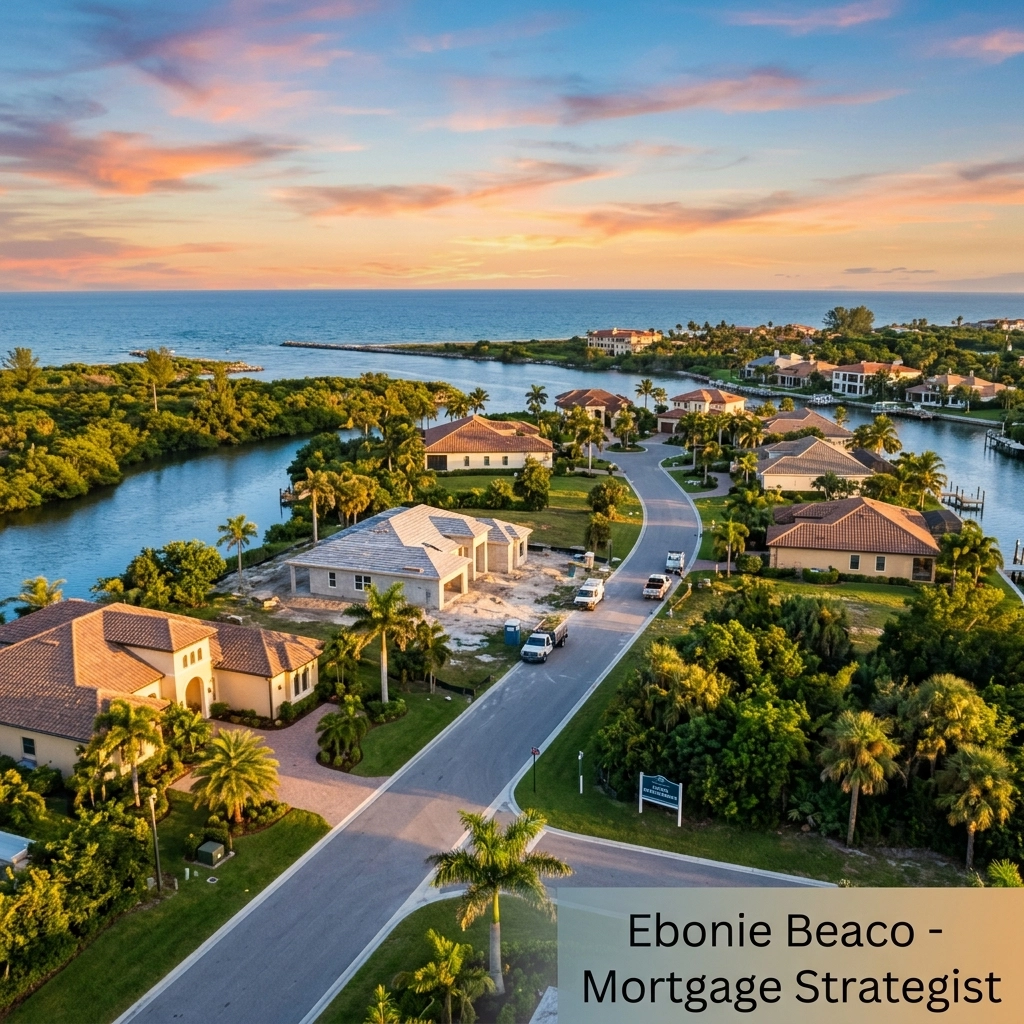
Finding deals in the Florida real estate market feels a bit like a high-stakes scavenger hunt lately. Whether you are looking in the sun-drenched neighborhoods of Miami, the growing suburbs of Orlando, or the bustling streets of Atlanta and California, the traditional MLS (Multiple Listing Service) is crowded. When a property hits the public market, you are often competing against hundreds of other buyers, driving prices up and margins down.
To build a sustainable business in real estate wholesaling or long-term investing, you need to go where the crowds aren't. Off-market properties are the lifeblood of successful investors. These are homes not listed on the MLS, often owned by motivated sellers who need a quick, discreet exit.
Here is your transparent, step-by-step guide to finding these deals and building a pipeline that keeps your business moving in 2026.
1. Master the Florida Foreclosure Auction System
Foreclosure Auction: A public sale of a property where the owner has defaulted on their mortgage payments and the lender has seized the asset.
These auctions allow you to purchase properties directly from the court system, often at a significant discount before they ever reach a real estate agent's desk.
In Florida, foreclosure auctions are one of the most active off-market channels. These properties represent a "pure" off-market play because they bypass the traditional marketing cycle entirely.
To succeed here, you need to monitor the local Clerk of Court websites in counties like Miami-Dade, Broward, or Orange County. The process is fast. You often need cash or a pre-arranged bridge loan ready to go.
If you plan to buy at auction, you must do your homework on the property's condition from the curb and verify the debt. You are buying "as-is," so having a reliable team to help you assess the loan process and funding speed is critical.
2. Target Tax Deed Sales for Deep Equity
Tax Deed Sale: The sale of a property by a government body due to unpaid property taxes.
This process allows investors to acquire real estate for the cost of the back taxes plus interest, frequently resulting in a purchase price far below the actual market value.
Florida is famous among investors for its tax deed auctions. When a homeowner fails to pay their property taxes for several years, the county auctions the deed to recover those funds.
The opening bid is usually just the amount of the unpaid taxes. While competition has increased in recent years, you can still find incredible gems if you are willing to dig through the lists.

Jump in by looking at the "List of Lands Available" on county websites. These are properties that didn't sell at the initial auction and can sometimes be purchased directly from the county. Keep in mind that these properties often come with title clouds, which leads us to a later step regarding research.
3. Build a High-Value Wholesale Deal Network
Real Estate Wholesaling: The process of finding a distressed property, getting it under contract, and then assigning that contract to an end-buyer for a fee.
Wholesalers act as the "boots on the ground," doing the heavy lifting of finding motivated sellers so you can focus on the financing and renovation.
In Florida, unlicensed wholesalers must be careful to only market the assignment of the contract rather than the property itself. As an investor, building a relationship with these individuals is vital.
Wholesalers often have access to "pocket listings" that never see the light of day on Zillow or Redfin. To find them, attend local REIA (Real Estate Investors Association) meetings in cities like Tampa, Jacksonville, or Atlanta.
When a wholesaler brings you a deal, you need to move quickly. Having your financing lined up: whether it is a DSCR rental property loan for a long-term hold or a fix and flip loan for a quick turnaround: ensures you are the first person they call when the next deal lands.
4. Execute Consistent Direct-to-Seller Campaigns
Direct-to-Seller Marketing: A strategy where investors contact homeowners directly through mail, phone, or in-person visits to inquire about purchasing their home.
This approach cuts out the middleman, allowing you to negotiate directly with the owner and avoid bidding wars.
If you want a consistent pipeline, you cannot rely solely on others to bring you deals. You need your own lead generation engine. In the Florida market, this typically involves a mix of three strategies:
- Direct Mail: Sending postcards to "niche lists" like out-of-state owners, people with code violations, or those in probate.
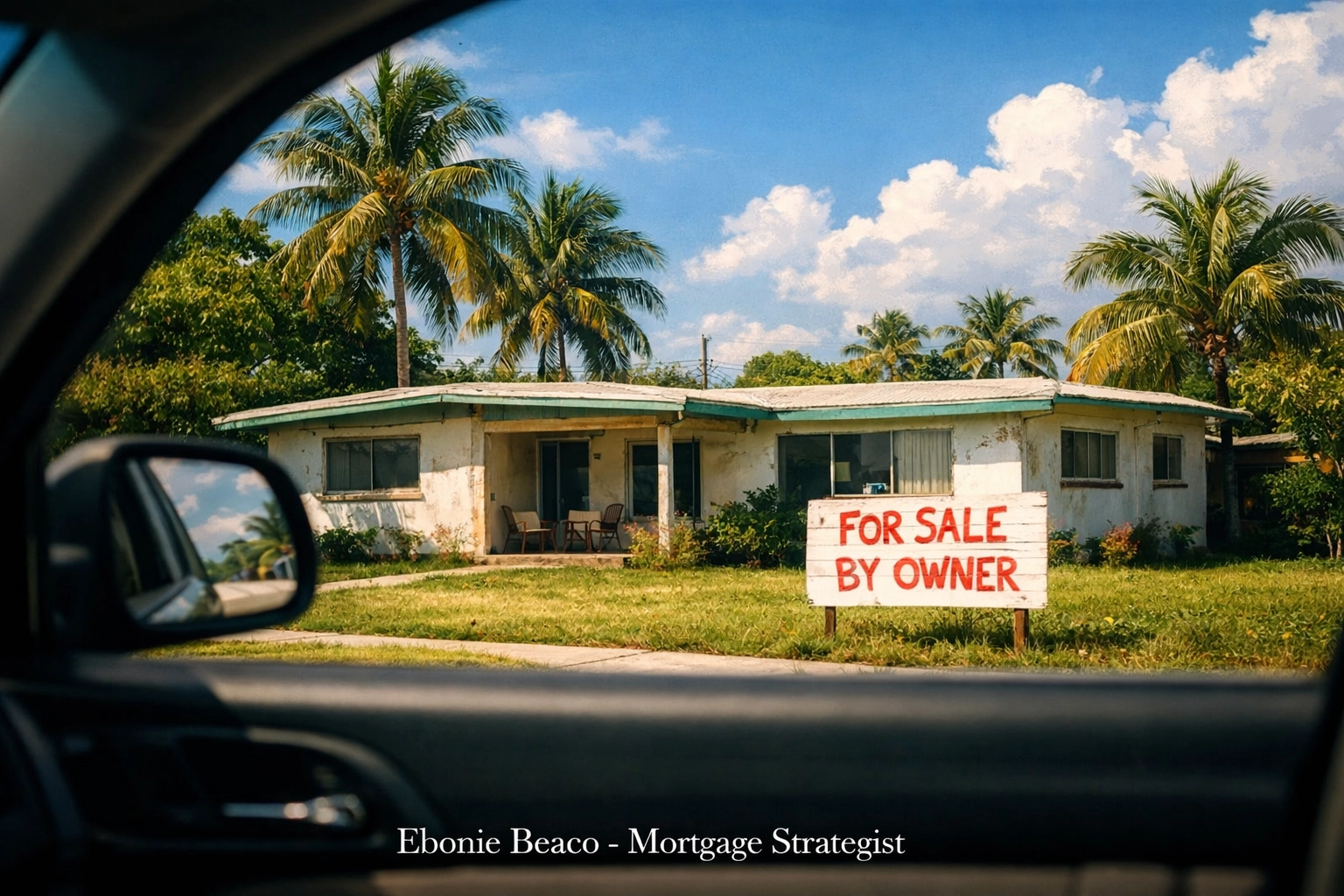
- Driving for Dollars: Physically driving through neighborhoods looking for signs of distress: overgrown grass, boarded-up windows, or piles of mail.
- Skip Tracing: Using data services to find the phone numbers or email addresses of the owners of those distressed properties.
Explore neighborhoods that are "up and coming" but still have older housing stock. This is where the highest margins usually hide. Use mortgage calculators to run your numbers ahead of time so you know exactly what your maximum allowable offer (MAO) should be.
5. Conduct Rigorous Title Research and Due Diligence
Title Search: An examination of public records to confirm a property’s legal ownership and uncover any liens, encumbrances, or claims against it.
Performing this search ensures that you are receiving a "clean" title and won't be responsible for the previous owner's debts or legal issues.
Off-market deals are often "distressed" for a reason. Sometimes it is the physical house, but often it is the legal status. Florida properties, especially those from tax deed sales or foreclosures, can have "clouds" on the title.
Before you close, you must ensure there are no hidden IRS liens, utility liens, or heirship issues. If you are using conventional loans or FHA loans for a primary residence, the bank will require this. However, even if you are using private capital, do not skip this step.
Compare the cost of a quiet title action against the potential profit of the deal. If the numbers still work, you have found a winner.
Understanding the Financing: A Real-World Example
To show how these off-market deals work in practice, let’s look at a common scenario for a Florida fix-and-flip investor.
Imagine you find a distressed property in Orlando through a direct mail campaign. The owner is an out-of-state heir who just wants to walk away.
The Deal Breakdown:
- Property Value (After Repair): $450,000
- Off-Market Purchase Price: $290,000
- Estimated Renovation Costs: $60,000
- Loan Type: Fix and Flip / Bridge Loan
- Loan to Cost (LTC): 85%
- Down Payment Required: $52,500 (based on purchase + rehab)
- Projected Profit: $65,000 (after interest, closing costs, and selling fees)
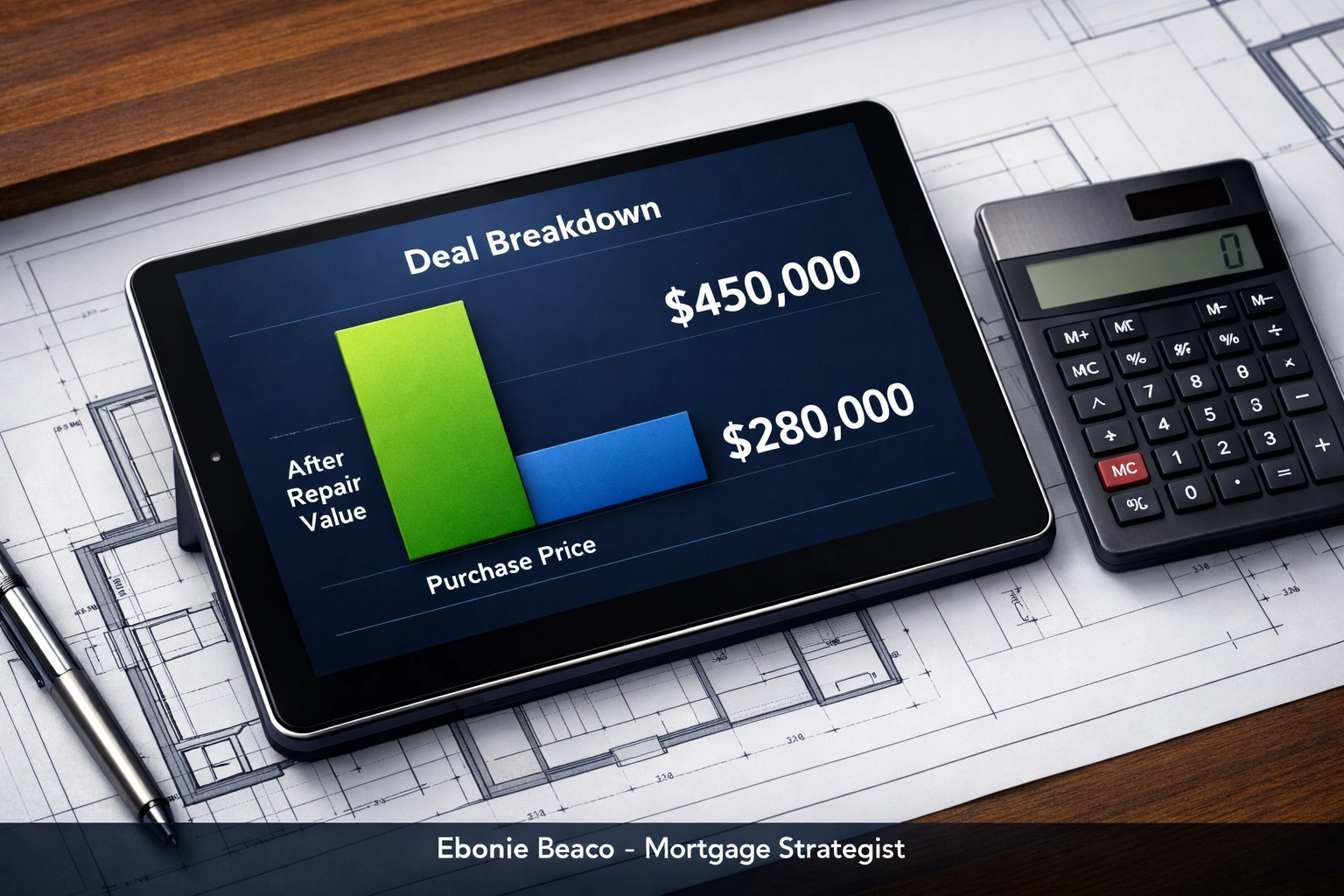
In this scenario, the investor uses a short-term bridge loan to cover the purchase and the renovation. Once the house is beautiful again, they can either sell it or refinance into a fixed-rate mortgage and keep it as a rental.
Why This Strategy Works in 2026
The Florida real estate market remains resilient, but the "easy" deals are gone. Success now requires a proactive approach. By combining foreclosure auctions, tax deeds, and direct marketing, you create a diversified funnel.
If you are a homeowner looking to leverage your current home’s equity to fund these ventures, a cash-out refinance or a HELOC can provide the liquidity you need to pounce on an off-market opportunity when it arises.
Accessing capital quickly is often the difference between getting the contract and losing it to a cash buyer. Whether you are looking at jumbo loans for high-end flips or VA loans for your own home, understanding the financing landscape is just as important as finding the house.
Schedule a 1 on 1 to discuss your investment financing strategy:
Scedule a 1 on 1 at https://calendly.com/homeloansnetwork
Ebonie Beaco
Mortgage Strategist | Senior Loan Officer
Home Loans Network powered by Loan Factory Inc.
NMLS #2389954
HomeLoansNetwork.com
312-392-0664